Not all scars fade with time.
For many people, especially those who have experienced burns, the healing process doesn’t end when the wound closes. Instead, the skin may gradually develop a raised, firm, and sometimes restrictive scar that lingers for years. These scars are not only a cosmetic concern—they can also affect how the skin feels and moves, becoming a constant physical reminder in everyday life.
Emily’s case is a clear example of this often-overlooked reality.
Patient Background & Struggles
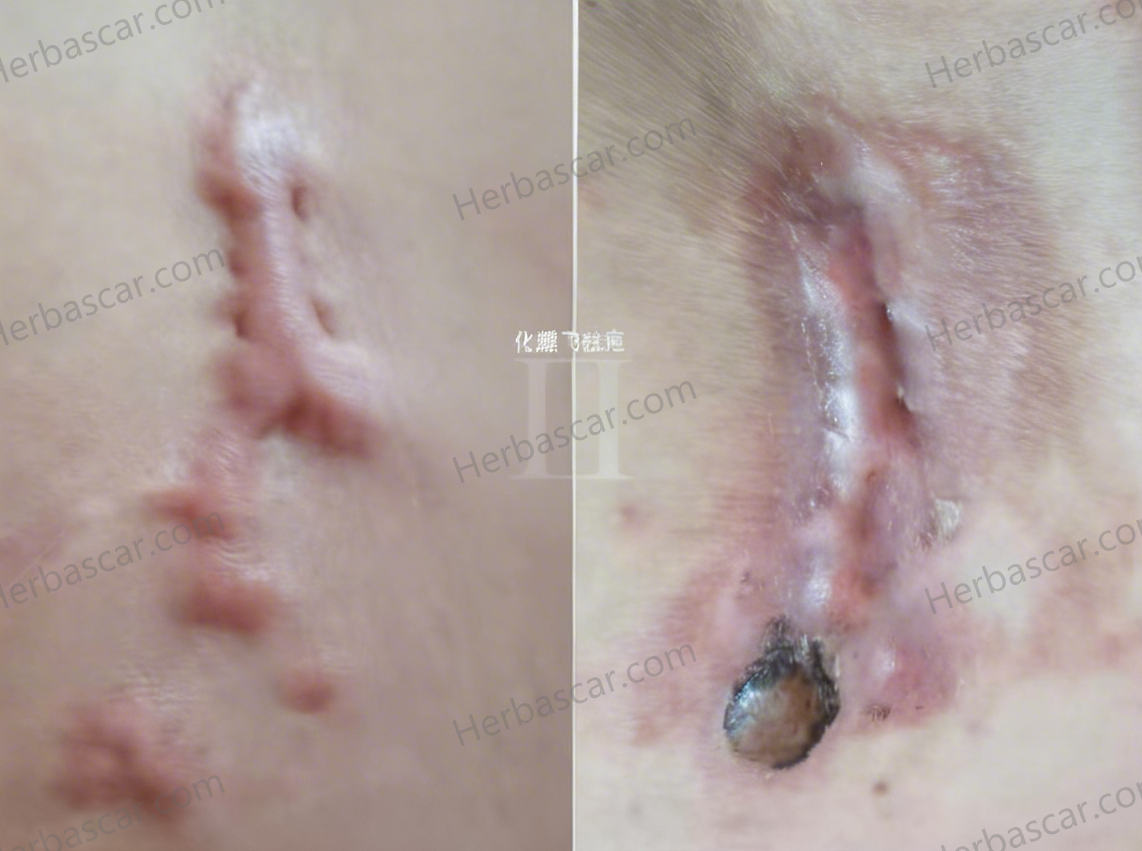
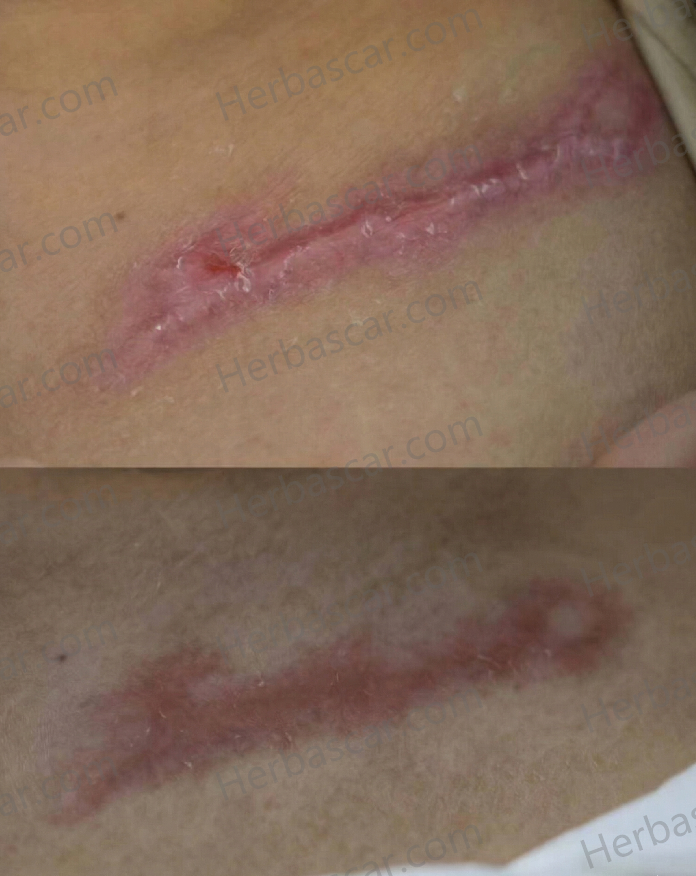
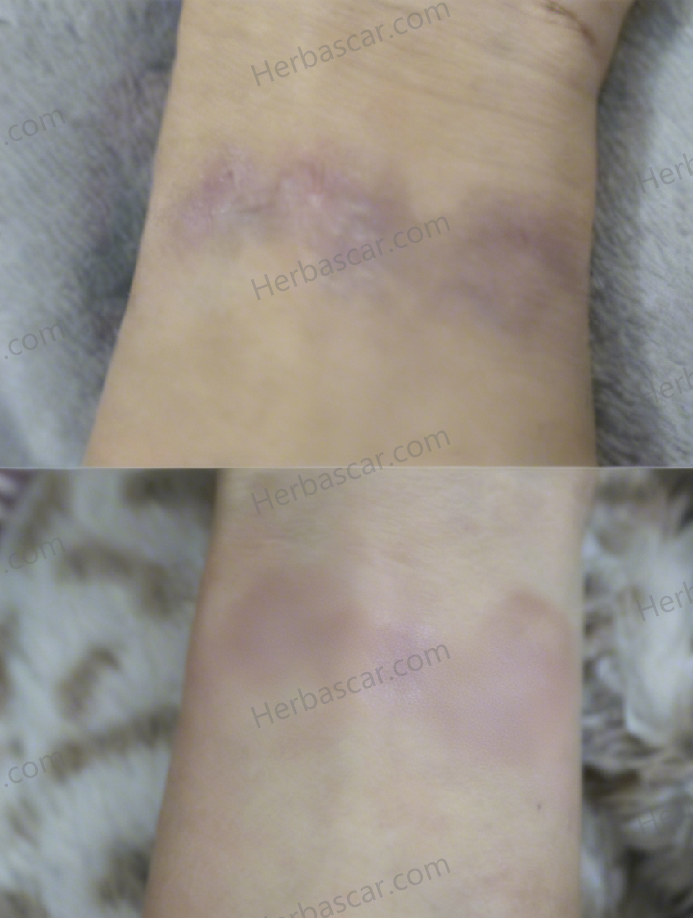
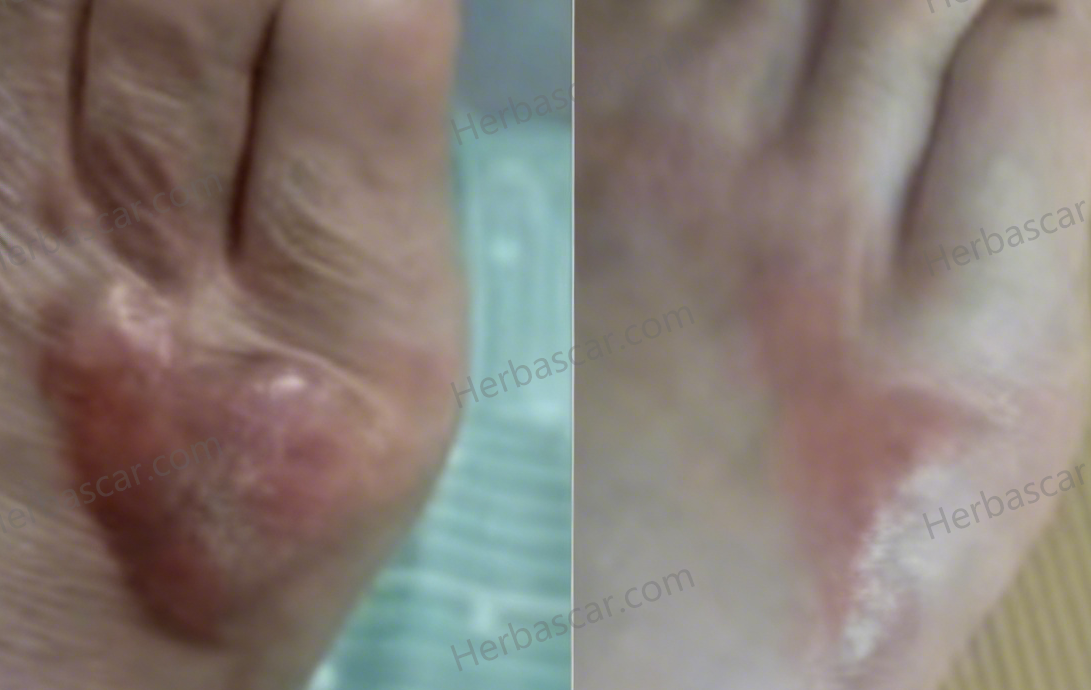
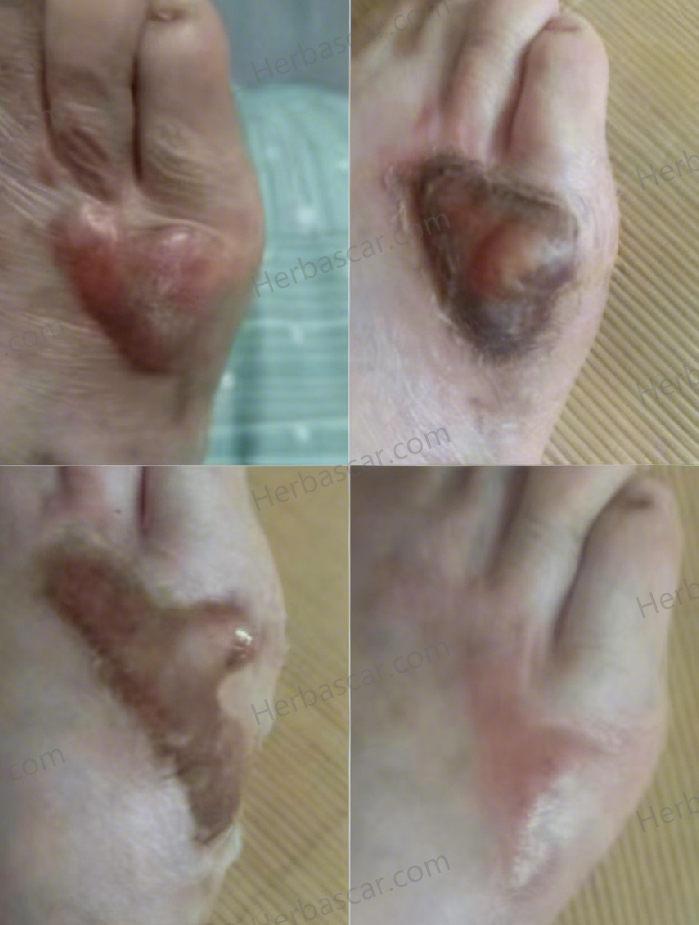
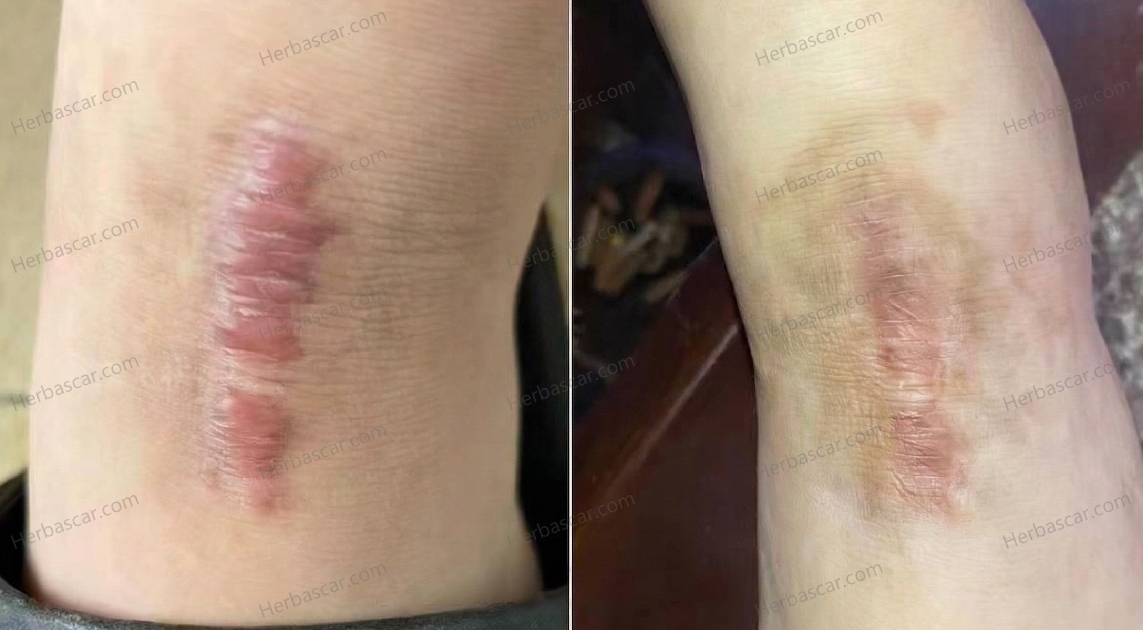
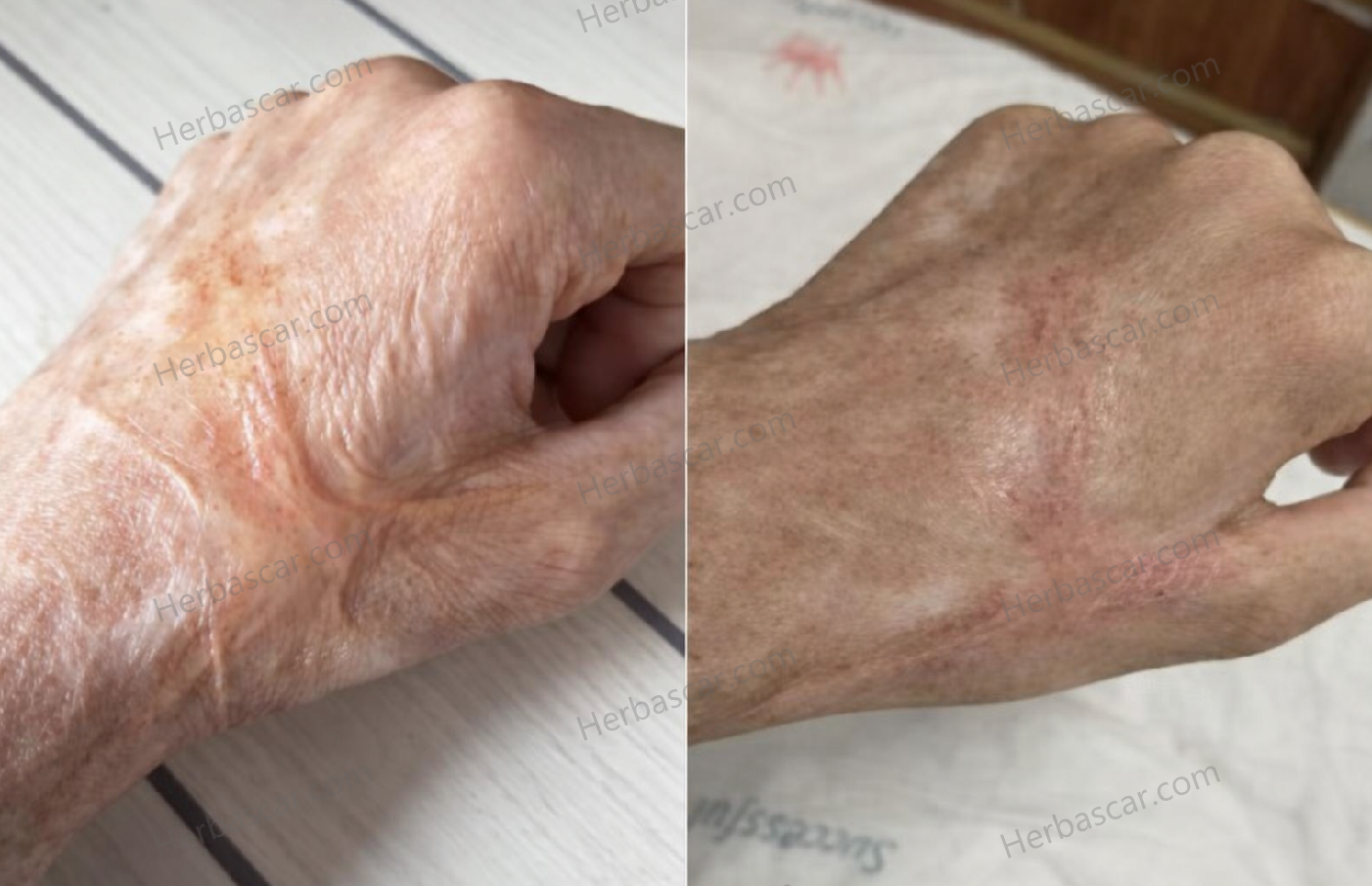
Emily, a 34-year-old from California, had been dealing with a burn scar on the back of her hand for years. Although the initial wound healed without complications, the recovery process led to the formation of a hypertrophic scar.
Over time, the scar became noticeably raised, thick, and firm to the touch. More importantly, it developed a degree of tissue adhesion, which limited the natural flexibility of the skin in that area.
What troubled her most was not just the appearance, but the sensation.
Every time she moved her hand, she felt a persistent tightness and pulling, as if the skin were being restricted. It wasn’t sharp pain, but a constant discomfort that was hard to ignore. Because the scar was located on the back of her hand—an area that is almost always visible—it also became a source of self-consciousness.
She had tried several common scar care products over time, but none brought noticeable improvement. Eventually, she began to believe that the scar had stabilized and that further change was unlikely.
Treatment Journey
With a mindset of “one last try,” Emily decided to try a topical herbal-based scar treatment.
The application process was simple: consistent daily use on the affected area, allowing the skin to respond gradually in alignment with its natural renewal cycle. Since scar tissue typically remodels more slowly than normal skin, no immediate changes were expected in the beginning.
However, the improvements, though gradual, became increasingly noticeable over time.
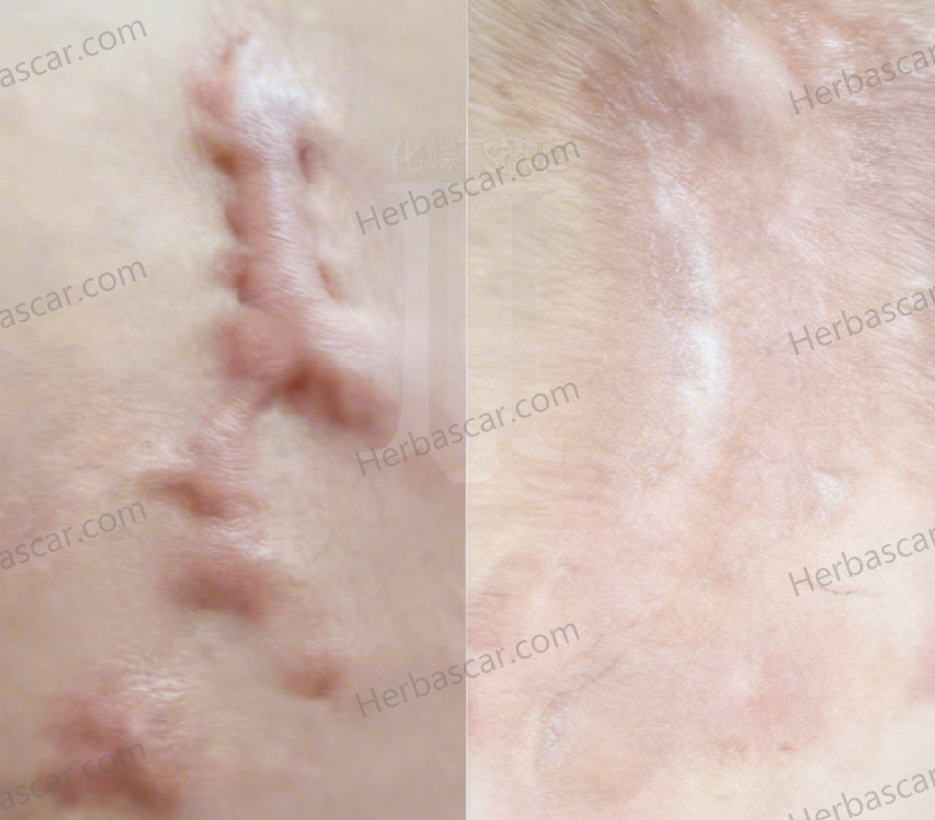
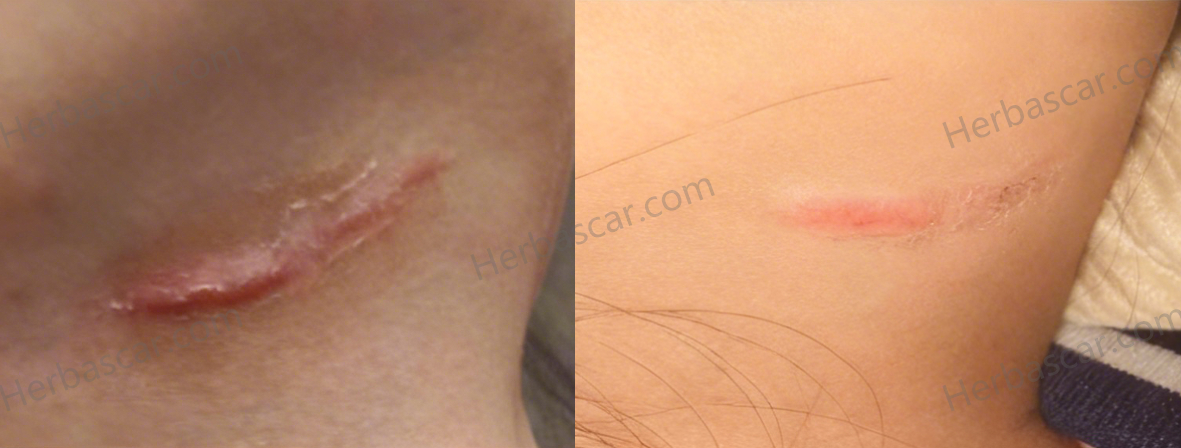
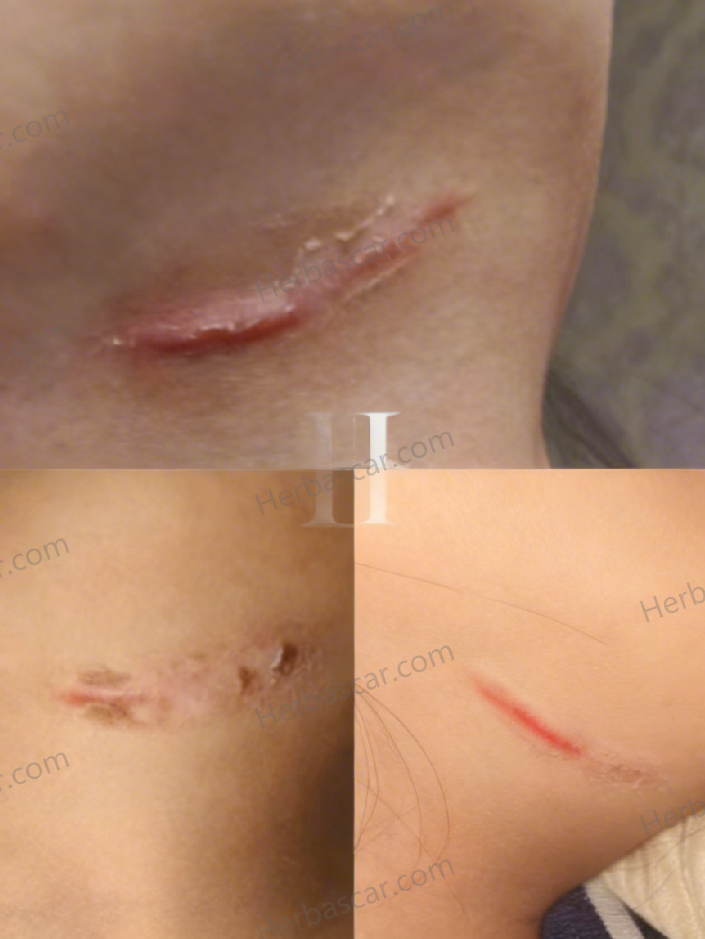
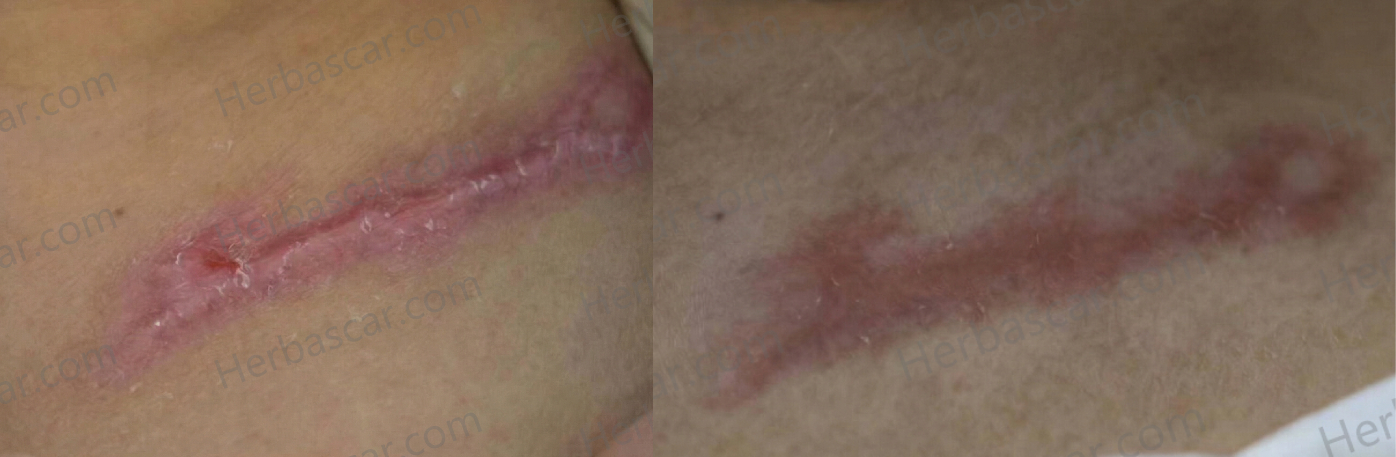
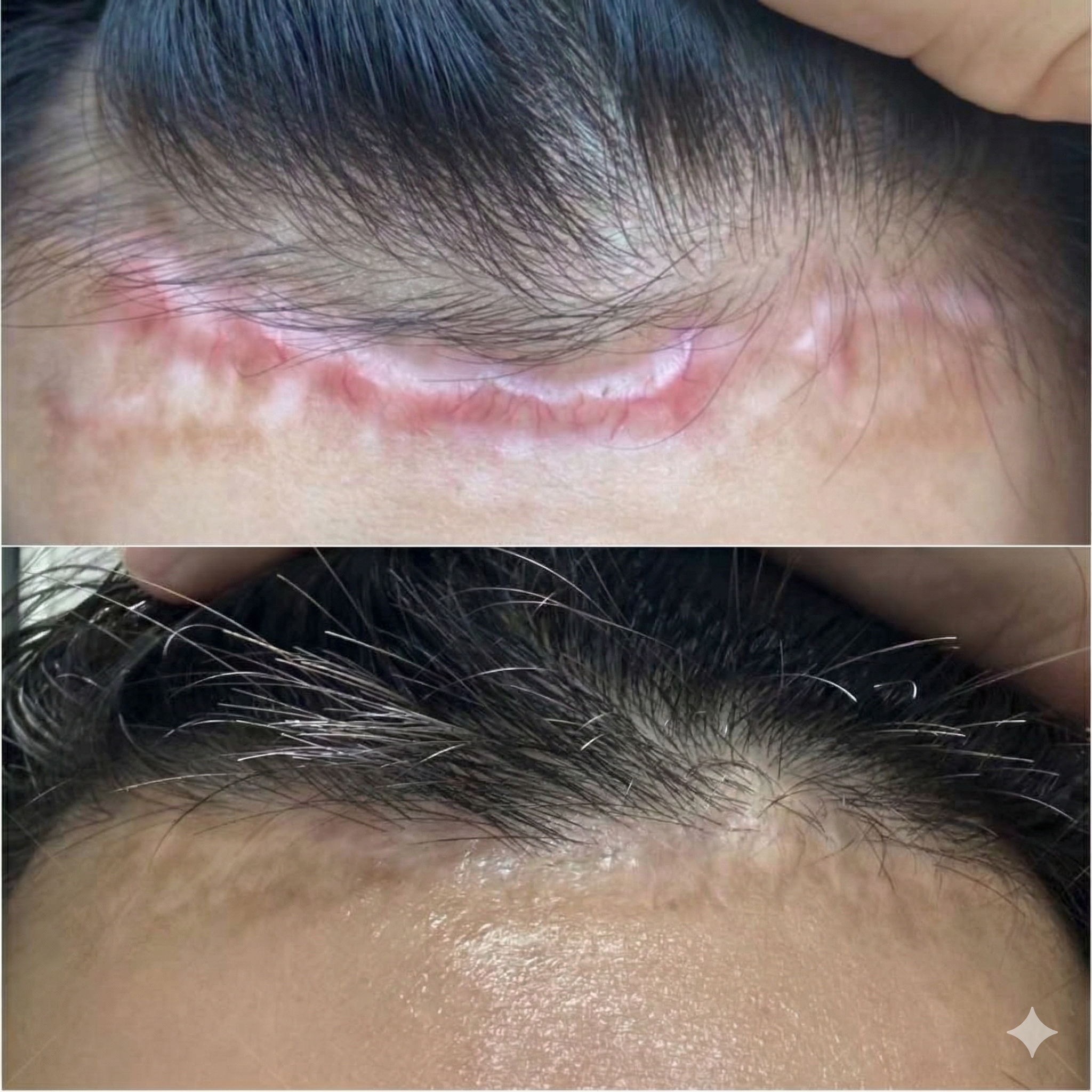
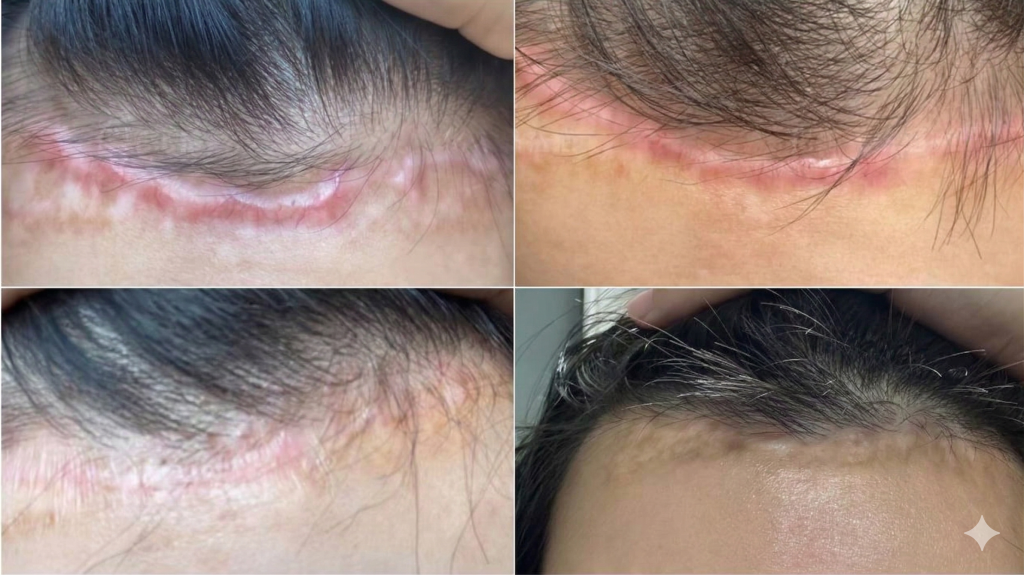
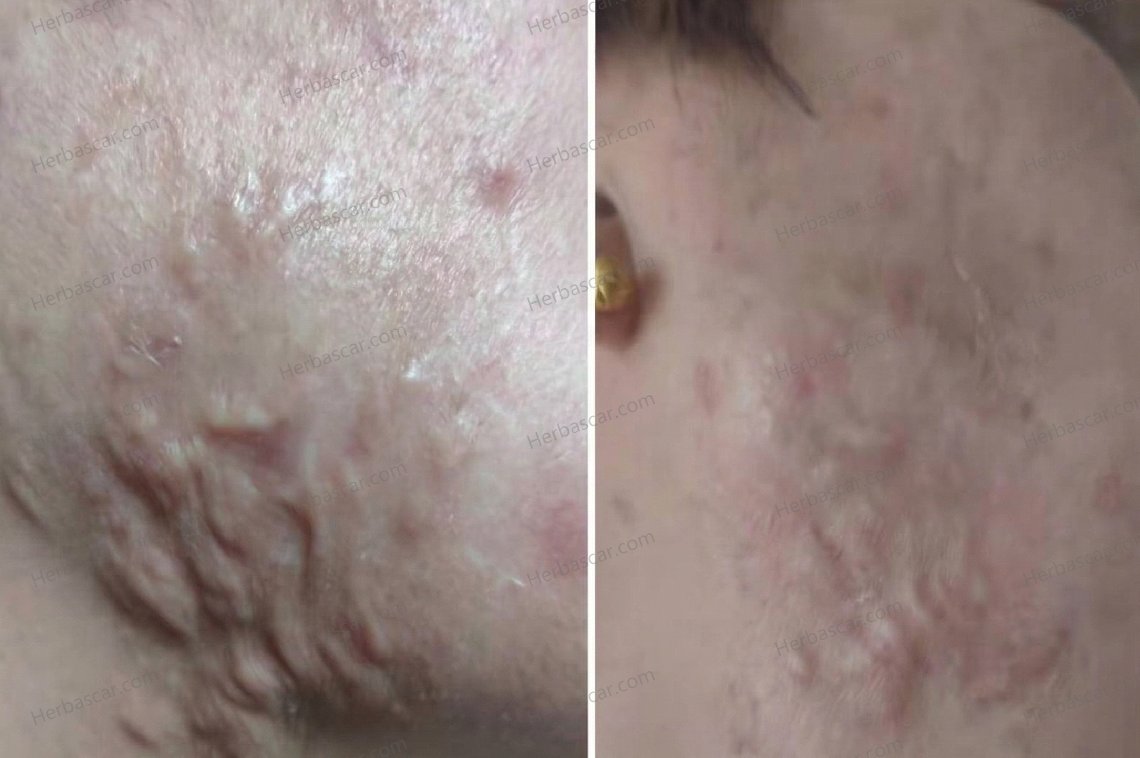
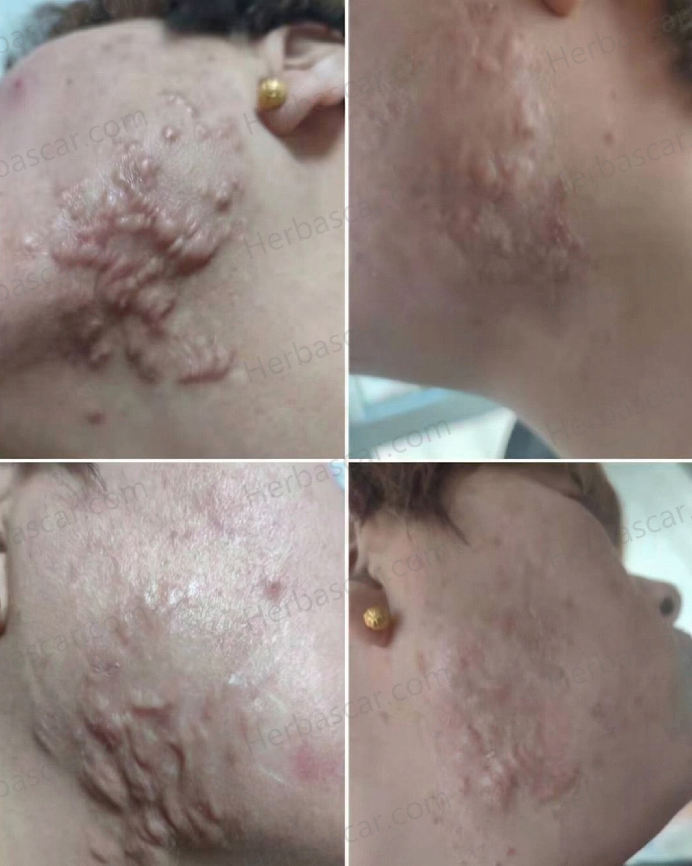
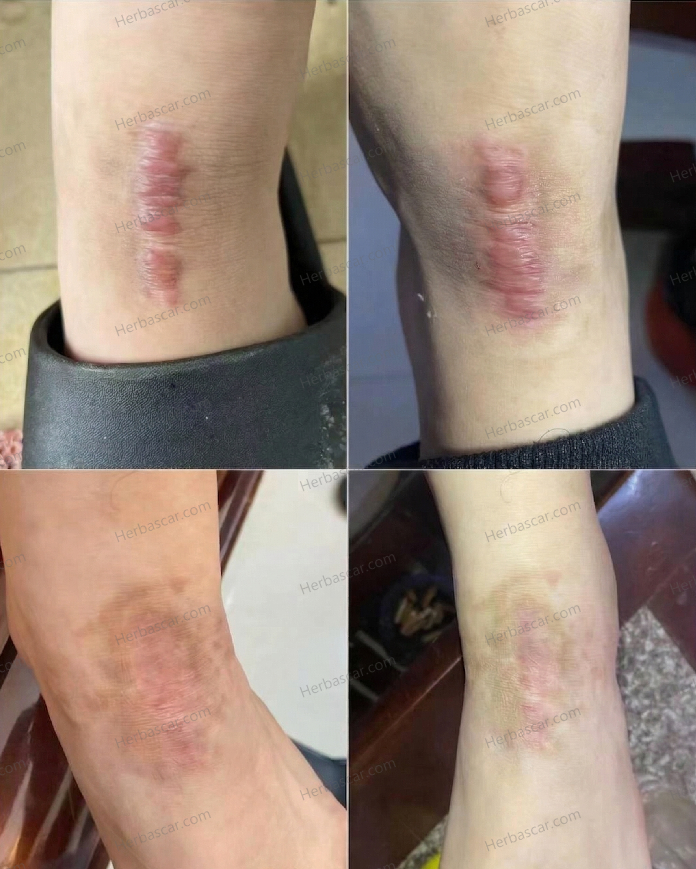
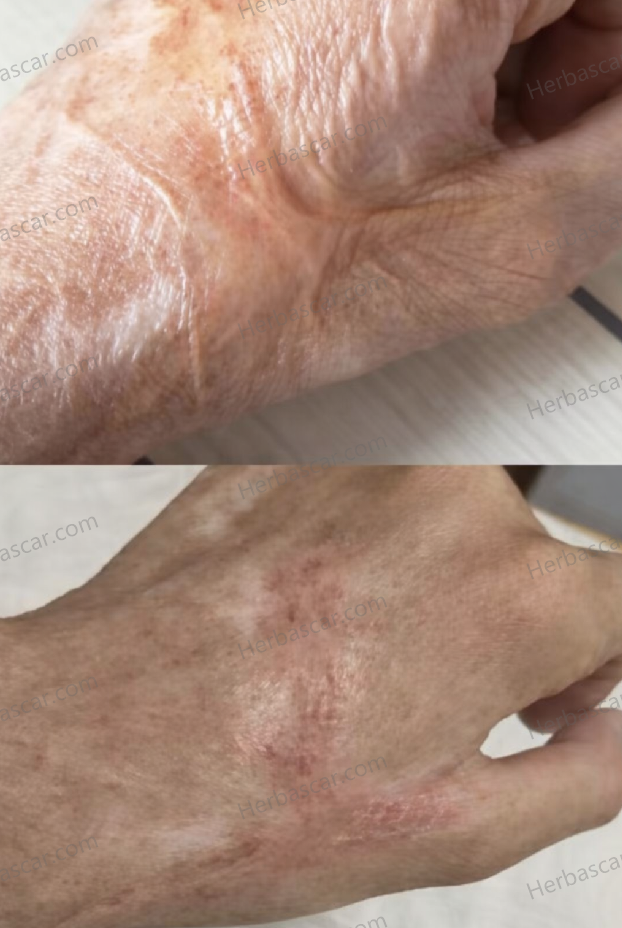
She first observed subtle softening in the previously firm and raised tissue. The edges of the scar began to feel less rigid, and the overall texture slowly improved. As the tissue softened, the height of the scar reduced, and the surface appeared more even.
At the same time, the tight, pulling sensation that had been present during hand movement started to ease. The skin felt less restricted, allowing for more natural motion without the constant awareness of discomfort.
These changes did not occur overnight, but their consistency made a meaningful difference. Over time, both the appearance and the physical sensation of the scar improved.
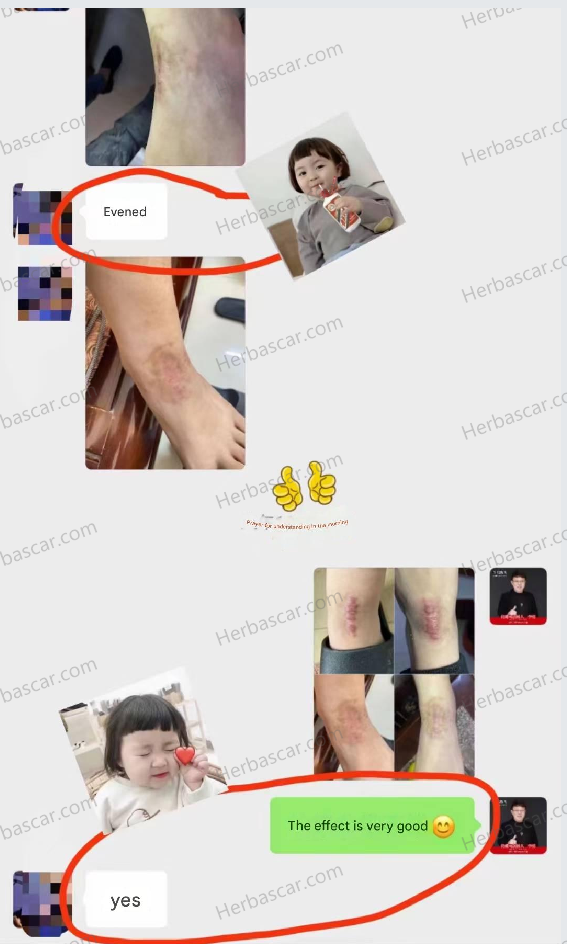
Later, Emily shared that she had not expected a herbal approach to produce such visible results, especially for a scar that had been present for so many years.
Doctor’s Analysis
From a clinical perspective, Emily’s condition is characteristic of a hypertrophic burn scar accompanied by tissue adhesion.
Such scars result from excessive collagen deposition during the wound healing process. Instead of forming a balanced and organized structure, the collagen fibers accumulate in a dense and irregular manner. This leads to a raised, thickened appearance, along with reduced elasticity and increased firmness.
Another important factor is impaired microcirculation within the scar tissue. Limited blood flow and reduced metabolic exchange can hinder the skin’s natural ability to remodel and repair itself, causing the scar to remain in a prolonged, suboptimal state.
It is a common misconception that older scars are no longer capable of change. In reality, even mature scar tissue retains a degree of metabolic activity. With appropriate intervention, it is still possible to encourage gradual remodeling.
The herbal-based topical approach used in this case works by supporting several key physiological processes. By promoting local microcirculation, it helps improve nutrient delivery and waste removal within the scar tissue. By softening fibrotic tissue, it reduces rigidity and thickness over time. Additionally, regulating abnormal collagen activity helps prevent further hypertrophic progression and encourages the scar to move toward a more normalized skin structure.
Compared to invasive treatments such as surgical revision or injections, non-invasive topical care offers a different set of advantages. While procedures may provide more immediate structural changes, they also carry risks such as secondary scarring, infection, or nerve-related complications. A topical approach, on the other hand, prioritizes safety, supports the skin barrier, and allows for consistent, long-term management in a home setting.
Scars that have been present for years are not necessarily beyond improvement.
With a better understanding of how scar tissue behaves—and with consistent, appropriate care—it is possible for even long-standing scars to gradually become softer, flatter, and more comfortable, moving closer to the characteristics of normal skin over time.