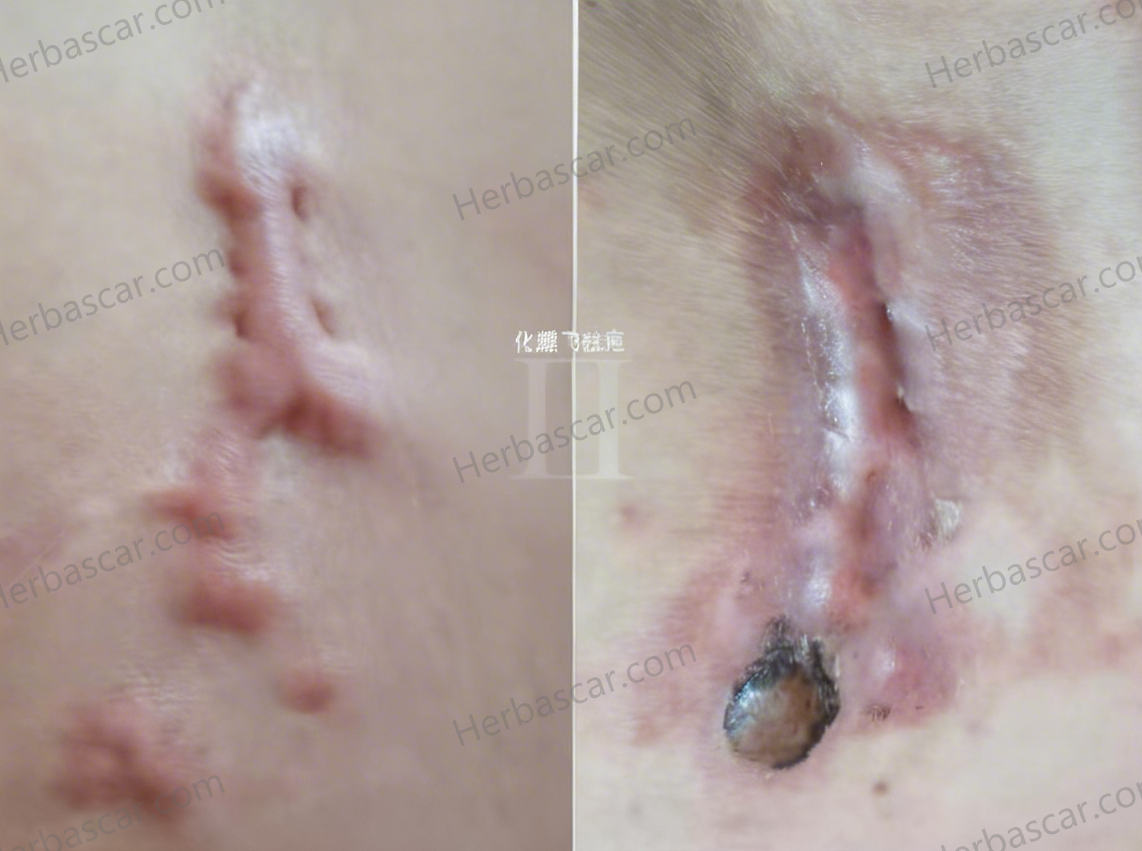
For many people, shingles is something you treat, recover from, and move on. The pain subsides, the skin heals, and life returns to normal. But for some, healing doesn’t truly end there. Even after proper medical treatment, the skin can take a different path — one that leads to persistent scarring instead of recovery.
The Background: From Treated Shingles to Secondary Keloid
Customer Profile:
Emily, 37, from California, USA.
History:
Emily developed shingles and underwent proper medical treatment. With time and care, the active phase of the condition was brought under control — the pain eased, the inflammation subsided, and the affected skin gradually closed. From a clinical standpoint, the shingles had resolved.
However, several weeks after recovery, the area began to change in a way she didn’t expect. Instead of returning to normal skin, the healed region slowly became raised and firm. What started as a flat surface gradually turned into abnormal scar tissue.
Symptoms:
The area eventually developed into a secondary keloid scar, showing clear signs of overactive scar formation. The skin became visibly raised, thickened, and darker than the surrounding area. The texture felt tight and slightly rigid, and the scar did not show any sign of fading over time.
Emily first tried several topical scar creams and ointments, hoping for gradual improvement. When these failed to deliver noticeable results, she began researching more advanced options such as laser therapy, steroid injections, and surgical removal.
However, considering her history of shingles — where the skin and underlying nerves had already been affected — she became cautious. She was concerned that aggressive or invasive treatments might overstimulate the area, potentially leading to irritation, complications, or even worsening of the scar.
Because of this, she chose to avoid highly刺激性的 interventions and instead continued looking for a gentler, non-invasive approach. Unfortunately, the initial topical products she tried still showed little to no effect, which left her feeling frustrated and discouraged.
The Treatment Journey: From Low Expectations to Steady Change
After repeated disappointments, Emily came across a topical herbal scar treatment. At that point, she didn’t expect dramatic results — she simply hoped for some level of improvement.
She began using it consistently.
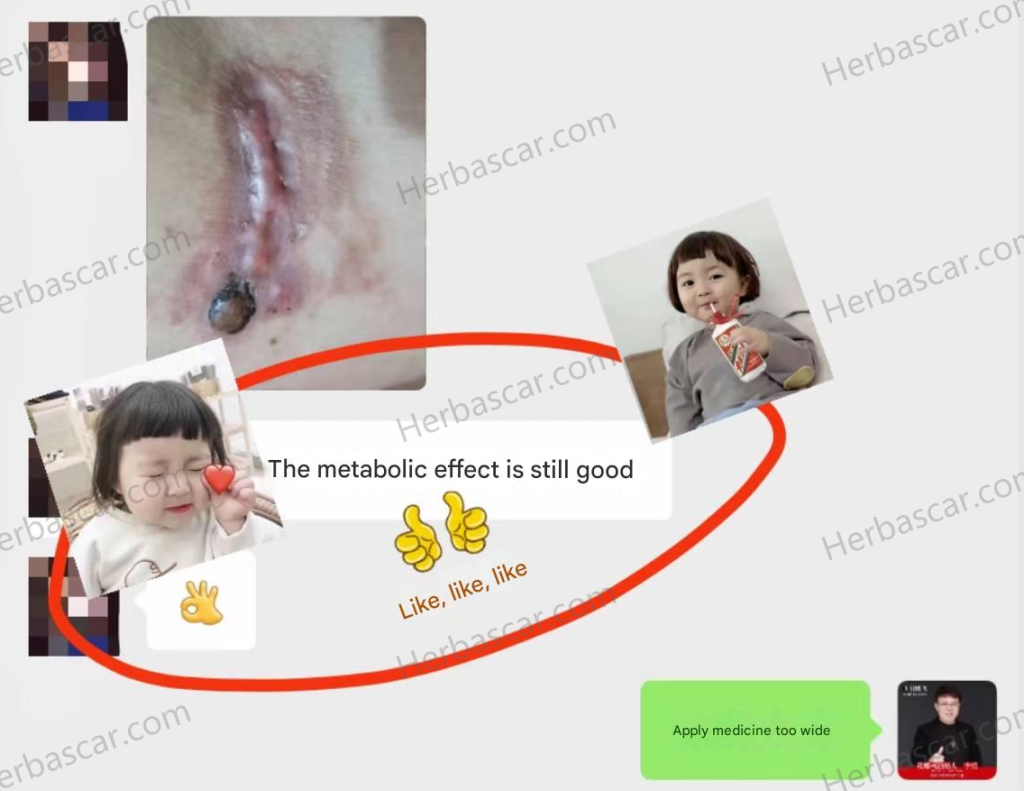
What surprised her was how quickly subtle changes started to appear. After just one metabolic cycle, the scar began to respond. The previously hardened tissue started to soften, and the raised surface no longer felt as tense and rigid.
As she continued the application over the following weeks, the improvements became more noticeable. The thickness of the keloid gradually reduced, and the overall size began to shrink. The skin looked less uneven, and the darker tone slowly started to blend more naturally with the surrounding area.
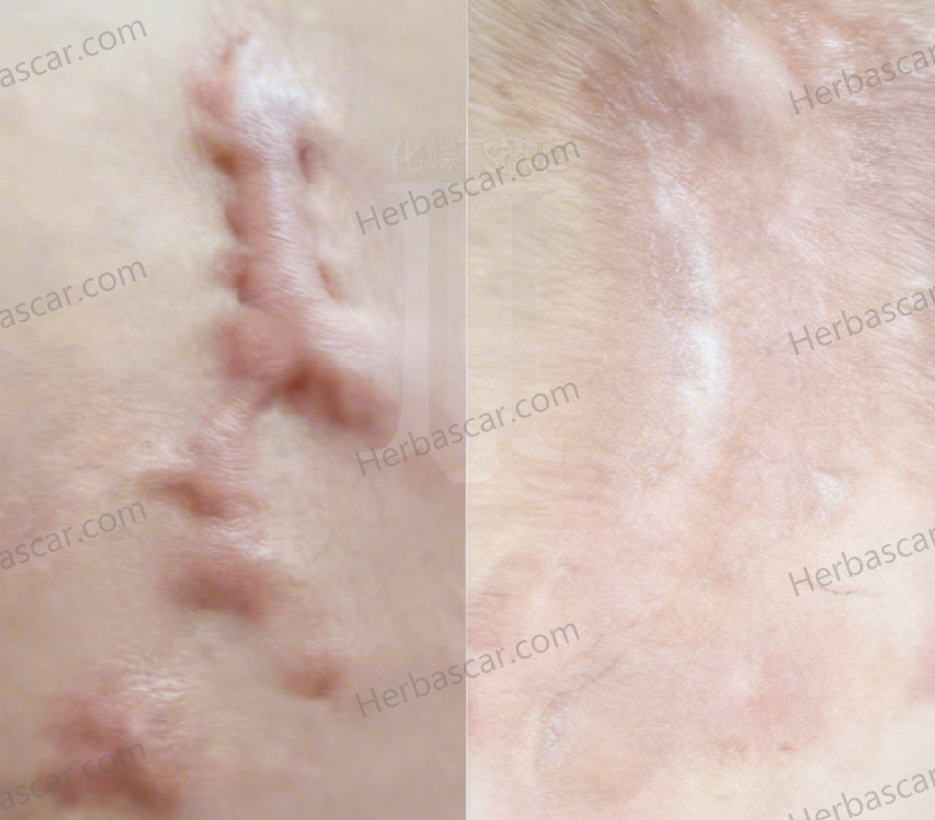
After three months of consistent use, the scar had significantly flattened and the surface became much smoother. The previously rigid, raised tissue now lay almost even with the surrounding skin. Emily’s relief was immense — the scar was no longer a constant reminder, and her skin had regained a more natural appearance.
Most importantly, the changes were stable and progressive rather than temporary. There was no irritation during use, no discomfort, and no disruption to her daily life.
Doctor’s Analysis: Keloid Formation After Shingles & Why Gentle Treatment Matters
From a medical perspective, shingles (herpes zoster) is not just a superficial skin condition. It involves inflammation along the nerves and can significantly affect the surrounding skin tissue. Even after proper treatment and resolution of the active infection, the affected area may remain in a sensitive and unstable state for some time.
In certain individuals, especially those prone to abnormal scar formation, this post-inflammatory environment can trigger excessive collagen production during healing. This is how a secondary keloid scar may develop after shingles — not because the condition wasn’t treated, but because the skin’s repair response becomes dysregulated.
In such cases, treatment strategy becomes especially important.
Aggressive methods like surgery, injections, or laser therapy can sometimes provide results, but they also introduce additional stimulation to already sensitive skin. For post-shingles areas, this may increase the risk of irritation, delayed healing, or even recurrence of abnormal scar growth.
The approach used in Emily’s case follows a different principle. Based on a traditional herbal formulation with a long history of application, this method focuses on gradually restoring balance within the scar tissue. By improving local microcirculation and supporting the skin’s metabolic process, it helps soften dense fibrotic structures and regulate excessive collagen deposition.
Over time — in Emily’s case, after three months of consistent use — the scar flattened and stabilized, moving closer to the structure of normal skin. Unlike invasive treatments, this method does not rely on damaging or removing tissue, contains no added hormones or harmful substances, and is safer for long-term use. Its convenience for at-home application also allows for steady care without stressing the skin further.
Final Takeaway
When scars develop after conditions like shingles, the challenge is not just how to treat them — but how to do so without causing further harm to already sensitive skin.
Emily’s experience shows that avoiding overly aggressive interventions and choosing a steady, non-invasive approach can lead to meaningful, lasting improvement. Real recovery may take time — in her case, three months — but with the right method, the skin can gradually regain a smoother, more natural state.
Leave a Reply