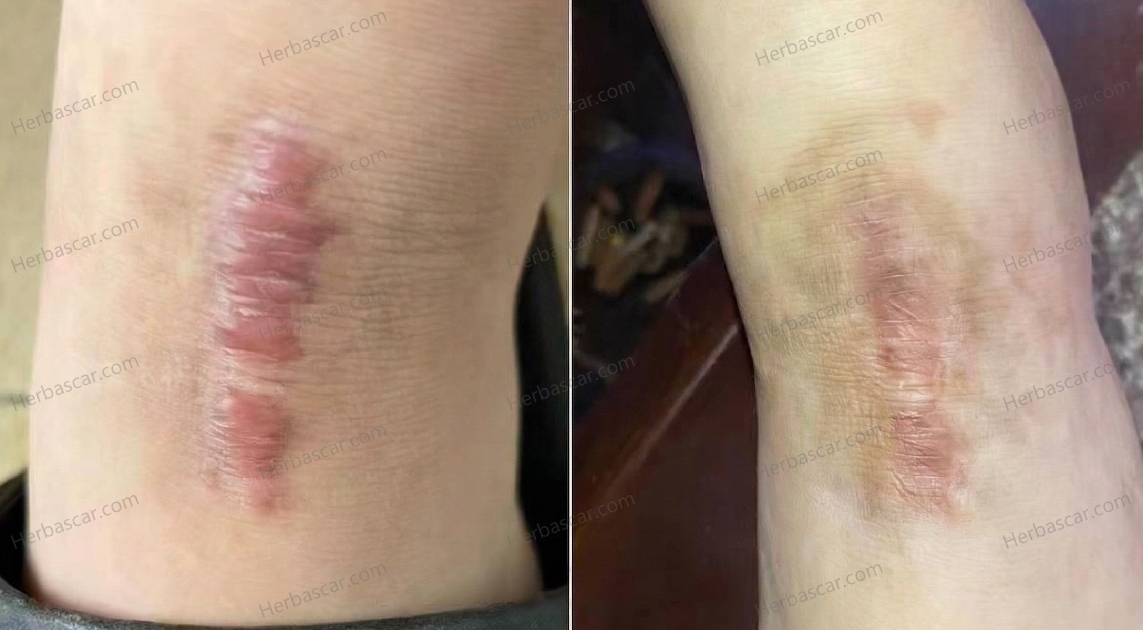
The ankle is one of the most mobile joints in the body, constantly under tension from walking, running, and daily activities. This makes the skin in this area particularly prone to hypertrophic scar formation, where tissue becomes raised, thick, and reddish. Such scars can not only affect appearance but also make walking and movement uncomfortable, turning a simple recovery into a prolonged struggle.
The Background: Lisa’s Post-Surgery Struggle
Lisa, a 26-year-old from London, developed a hypertrophic ankle scar following joint surgery. At first, her incision healed normally, but gradually, the scar became thick, raised, and firm. The tightness around the ankle made every step slightly uncomfortable, and the reddish color was a constant reminder of the surgery.
Traditional treatment options posed challenges. Surgical revision was risky due to the joint’s delicate structure, and steroid injections were painful, with unpredictable results. The constant movement of the ankle increased the risk of recurrence and made aggressive treatments less suitable.
After consulting her doctor, Lisa was recommended to consider a herbal scar cream for safe, non-invasive management. She carefully weighed the options and chose this treatment as a gentle alternative, suitable for the high-mobility location of her ankle.
The Treatment Journey: Patience and Consistency Made the Difference
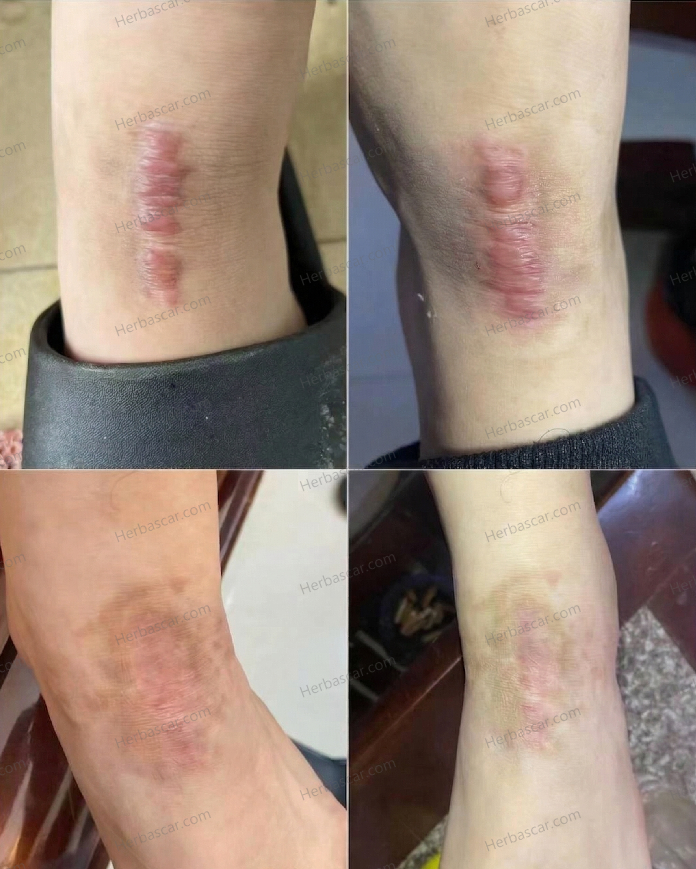
Lisa applied the herbal #ScarRemoval solution daily, following her doctor’s guidance. In the first few weeks, the scar remained visibly raised and reddish, and improvements were almost imperceptible. Many patients might have felt discouraged at this stage, but Lisa persisted, understanding that post-surgery scar healing is gradual, especially in joints.
Over time, subtle changes became noticeable. The tissue softened, raised edges gradually flattened, and redness began to fade. Her ankle regained flexibility, and walking became more comfortable. After less than three months of consistent application, the hypertrophic scar had fully flattened. The texture became soft and natural, and the skin tone harmonized with surrounding areas. Lisa regained confidence both in appearance and mobility.
Doctor’s Analysis: How Herbal Scar Treatments Support Healing
Hypertrophic scars form when excess collagen is deposited excessively during wound healing, often worsened by tension, friction, and repeated movement. Joints like the ankle are particularly vulnerable, as constant motion prolongs inflammation and stimulates fibroblast activity. Conventional treatments—such as steroid injections or surgical revision—can reduce scar tissue but carry risks of pain, infection, nerve damage, or recurrence, especially in high-mobility areas.
The herbal ScarRemoval solution used in Lisa’s case is based on centuries-old traditional Chinese medicine principles. It works by promoting microcirculation within scar tissue, gradually softening and flattening hypertrophic tissue while regulating collagen production. This allows the scar to remodel naturally, improving texture, color, and elasticity without invasive procedures or harmful chemicals.
From a scientific perspective, scar remodeling occurs in three phases: inflammation, proliferation, and remodeling. Gentle, consistent herbal treatment supports the remodeling phase, helping balance collagen deposition, reduce prolonged inflammation, and restore normal skin structure. This is particularly beneficial for post-surgery ankle scars, where tissue is constantly under tension.
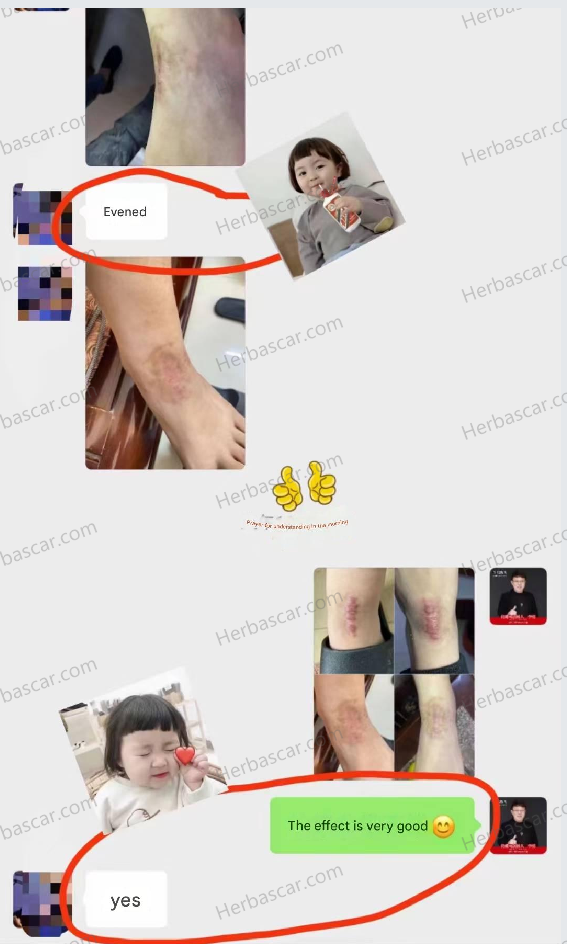
Lisa’s case demonstrates that non-invasive, patient-guided care can effectively manage stubborn post-surgical scars, even in challenging locations like joints. With consistent use of a safe herbal scar cream, patience, and proper guidance, hypertrophic scars can be flattened, softened, and harmonized with surrounding skin—offering a lasting, natural-looking result.
Leave a Reply