Introduction
For many parents, a small scratch on a child’s skin rarely feels like something serious. Children are naturally active, and minor injuries are part of growing up. Most of the time, these wounds heal quickly and fade without leaving a trace.
However, what many people don’t realize is that not all wounds heal in the same way. In some cases—especially when the skin is repeatedly irritated or the repair process becomes unbalanced—a simple scratch can gradually develop into a raised scar.
This is exactly what happened to Emma.
The Background: From a Playful Moment to a Visible Scar
Customer Profile:
Emma, a 6-year-old girl from California, USA, cheerful, energetic, and a big animal lover.
History:
One day, while playing with a neighbor’s cat, Emma was accidentally scratched on her arm. At the time, the wound didn’t seem serious. Like most parents would, her family simply cleaned the area and expected it to heal on its own.
The surface of the skin did close within a few days—but the deeper healing process didn’t go as expected.
Symptoms:
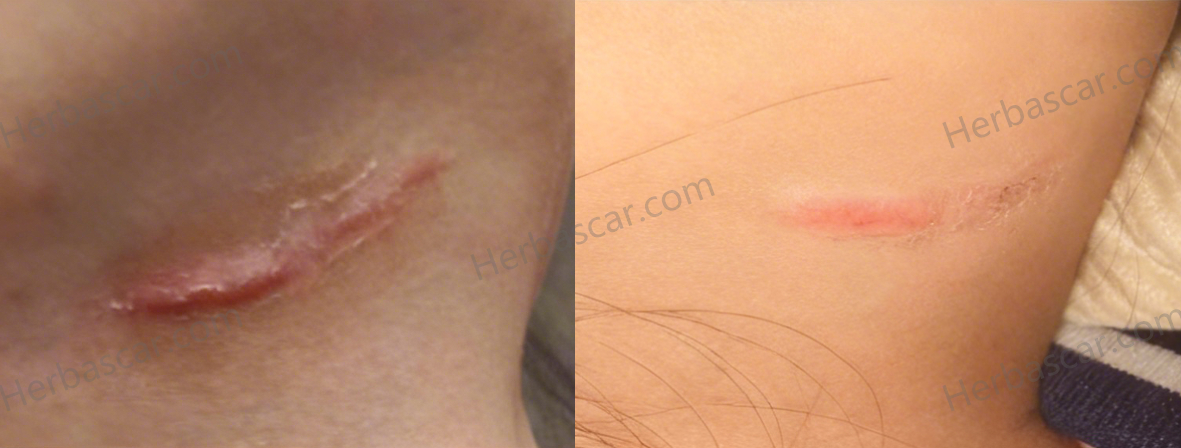
Soon after the wound healed, the skin began to change. Instead of becoming flat and smooth, the area gradually turned red and slightly raised. Over time, it thickened further, forming a typical hypertrophic scar.
From a medical standpoint, this happens when the body produces too much collagen during healing. Collagen is essential for repairing damaged skin, but when it is overproduced and not properly regulated, it can accumulate and push the skin upward, creating a raised and firm texture.
Emma’s scar became increasingly noticeable. It felt slightly hard to the touch and stood out clearly against her surrounding skin.
As time passed, she became more aware of it. She started avoiding short sleeves and would instinctively try to cover her arm, even though no one had said anything to her.
Her mom tried several common treatments, including over-the-counter scar creams, but the results were minimal. The scar remained raised, red, and persistent—showing typical signs of an early-stage hypertrophic scar that, if left unmanaged, could become more stable and difficult to treat over time.
The Treatment Journey: A Gentle Change That Made a Big Difference
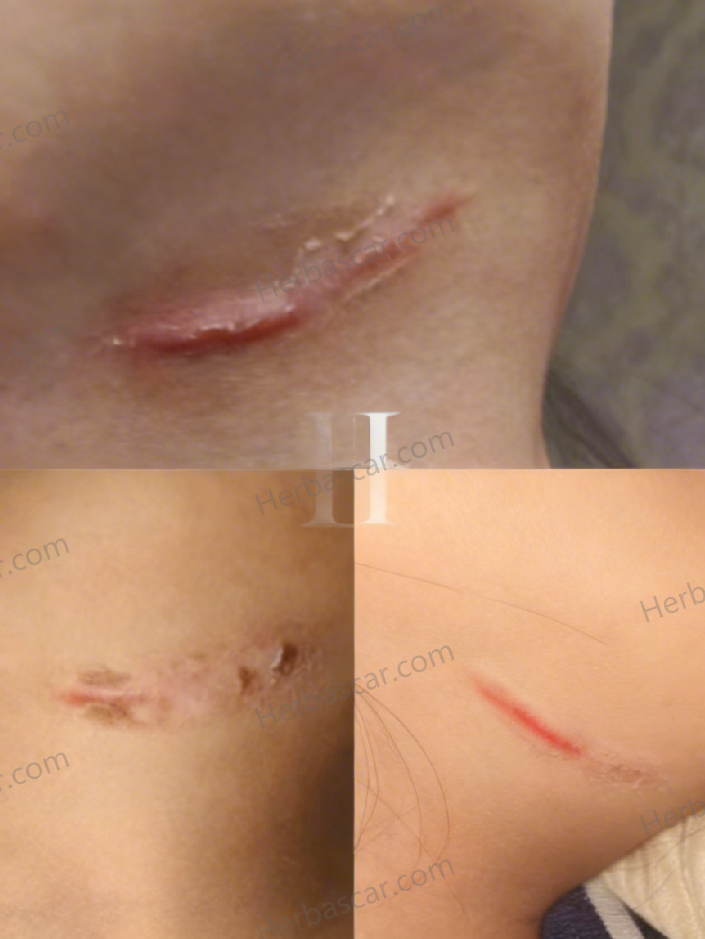
After trying different options without success, Emma’s mom decided to try a herbal scar removal solution. At that point, she wasn’t expecting dramatic changes—just hoping it might help a little.
But the results began to show sooner than she imagined.
Not long after starting consistent use, the scar began to soften. This is actually an important early sign—because as scar tissue softens, it indicates that the dense collagen structure is starting to loosen.
As the days went by, the raised area gradually became less prominent. The redness started to fade, and the surface of the skin appeared smoother.
From a skin-repair perspective, this stage reflects a shift from excessive repair → balanced remodeling, where the skin begins to reorganize collagen in a more orderly way.
With continued application, the improvement became more and more visible. The scar slowly flattened, and its texture blended better with the surrounding skin.
What stood out most was how gentle the process felt. There was no irritation, no discomfort, and no disruption to Emma’s daily routine—something especially important for a young child.
Before even finishing one full bottle, the scar had already flattened significantly and was barely noticeable.
Emma gradually regained her confidence, happily wearing short sleeves again without hesitation. For her mom, that small change meant everything.
During the healing process, there was a minor setback. Emma accidentally knocked off a scab while playing at school, which caused temporary redness.
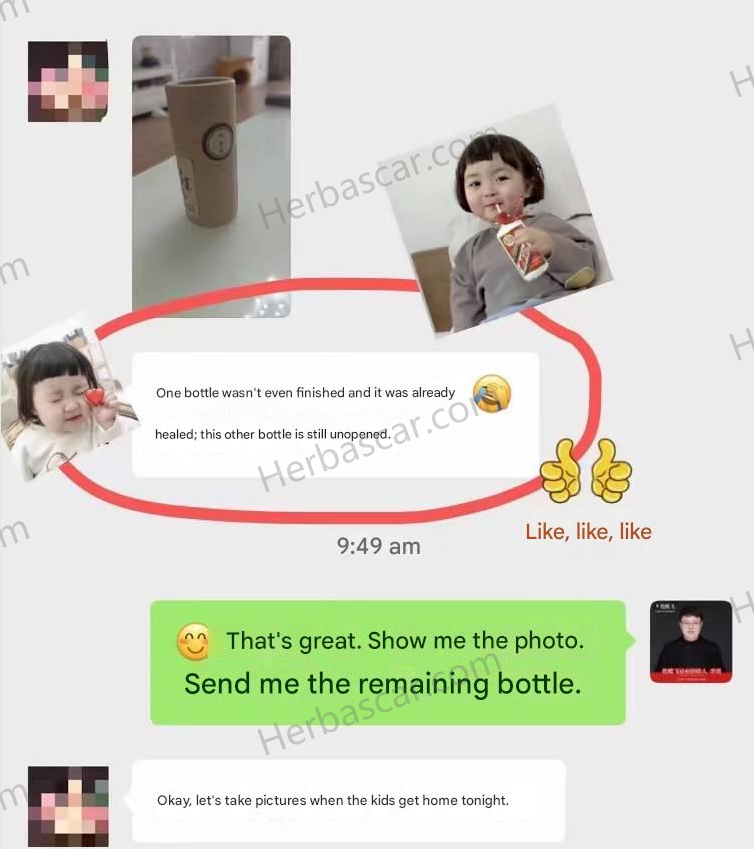
From a dermatological perspective, this is quite common. When a scab is removed prematurely, the underlying new skin is still fragile and more prone to redness. Fortunately, as long as the area is properly cared for, this type of redness usually fades naturally and does not affect the overall healing outcome.
Doctor’s Analysis: Why Gentle, Non-Invasive Treatment Worked
Hypertrophic scars are essentially the result of an overactive healing response. The body continues producing collagen even after the wound has closed, leading to a raised and thickened appearance.
In children, this process can be even more dynamic. Their skin heals quickly, but that rapid regeneration can sometimes increase the risk of over-repair, especially if the wound is subjected to friction, scratching, or repeated irritation.
The approach used in this case is based on a traditional herbal formulation with over a century of application history. Rather than aggressively removing or suppressing the scar, it works by gently regulating the skin’s internal environment.
With consistent topical use, it helps improve microcirculation within the scar tissue, allowing nutrients and metabolic byproducts to move more efficiently. At the same time, it gradually softens the dense fibrotic structure and supports the natural remodeling of collagen.
In simpler terms, it helps the skin “correct” the over-repair process, guiding it back toward a more normal state.
This is fundamentally different from invasive treatments such as injections or surgical removal. While those methods aim for faster visible changes, they may also introduce additional trauma to the skin. In some cases, this can increase the risk of recurrence, secondary scarring, or complications like infection and nerve irritation.
By contrast, this herbal approach contains no added hormones or harmful ingredients, making it suitable for sensitive skin, including children. It focuses on long-term stability rather than short-term intervention, reducing the likelihood of rebound while protecting overall skin health.
Another important advantage is practicality. Since the treatment can be done entirely at home, it reduces both the physical and emotional burden on the child, making it easier to maintain consistency—which is crucial for scar improvement.
Final Takeaway
Scars don’t always come from major injuries. Sometimes, even a small scratch can develop into something more noticeable if the healing process becomes unbalanced.
The key is not just treating the surface—but understanding how the skin repairs itself.
This case shows that with the right approach, even a raised scar in its early stage can be guided toward a smoother, more natural recovery—gently, safely, and effectively.
Leave a Reply