Category: Success Stories

Healing a stubborn keloid requires time, consistency, and the right transdermal formula. Here, we share the real journeys of individuals who successfully flattened their scars without painful injections or risky surgeries. From decade-old chest keloids to fresh piercing bumps, read how our 90-day cold-fermented liquid extract helped them safely dissolve hard tissue from the root. Their results prove that with patience and clinical-grade botanicals, true skin remodeling is possible.

  • How One Young Man Struggled with a Growing Nipple Keloid?

    How One Young Man Struggled with a Growing Nipple Keloid?

    Keloid scars can appear unexpectedly, even from something as common as a piercing. For many, they are more than just a cosmetic concern—they can affect confidence, daily comfort, and emotional well-being. This is the story of one young man in the U.S. who faced such a challenge and found a safe, effective solution.

    The Background: From Piercing to Persistent Keloid

    A handsome young man in the U.S. once had a nipple piercing, a form of self-expression he enjoyed. But after he decided to remove it, he noticed something troubling: a small bump began to form at the piercing site. Initially, he thought it would fade over time, but instead, the tissue kept growing, gradually forming a keloid scar.

    This new growth was not only raised and firm but continued to enlarge, causing discomfort and, more importantly, affecting his confidence. He found himself hesitant to wear certain clothes, to take off his shirt at the gym, or even to look at himself in the mirror. The psychological impact was significant, as the scar became a constant reminder of the procedure he had once felt proud of.

    He explored countless treatment options. Surgery was considered, but the area was highly sensitive, and the procedure would be painful. Injections, another common approach, were also unsuitable, and both options carried high risks of recurrence. Frustrated and overwhelmed, he almost gave up hope of ever correcting the keloid.


    The Treatment Journey: Gentle, Daily Care That Works
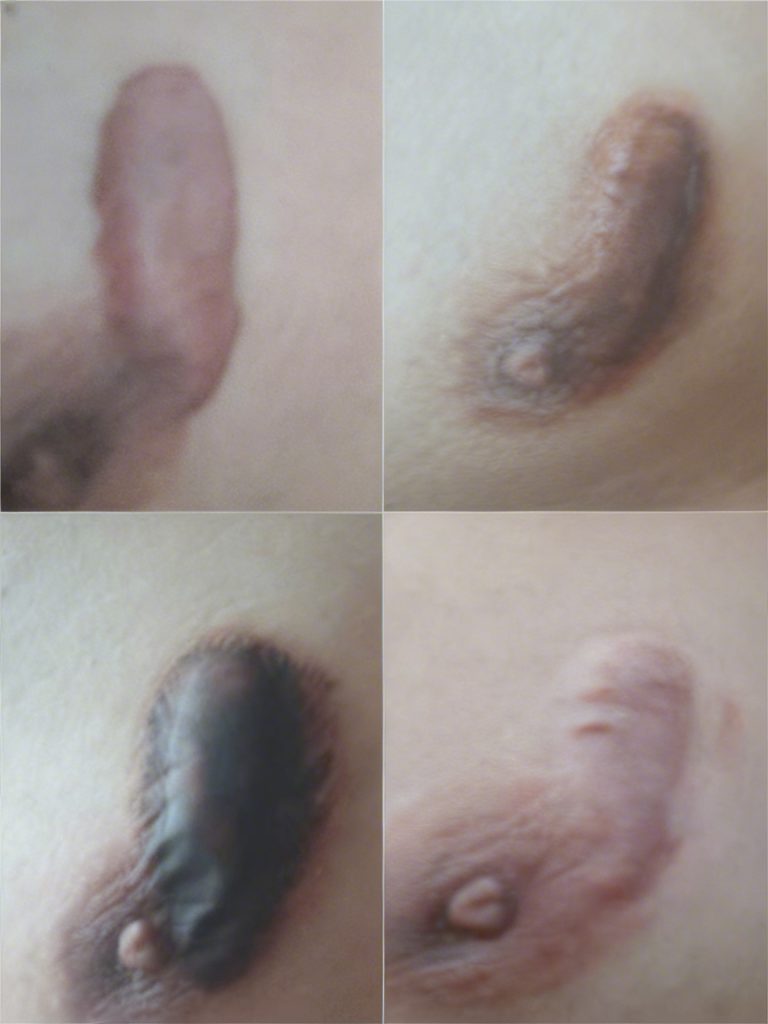
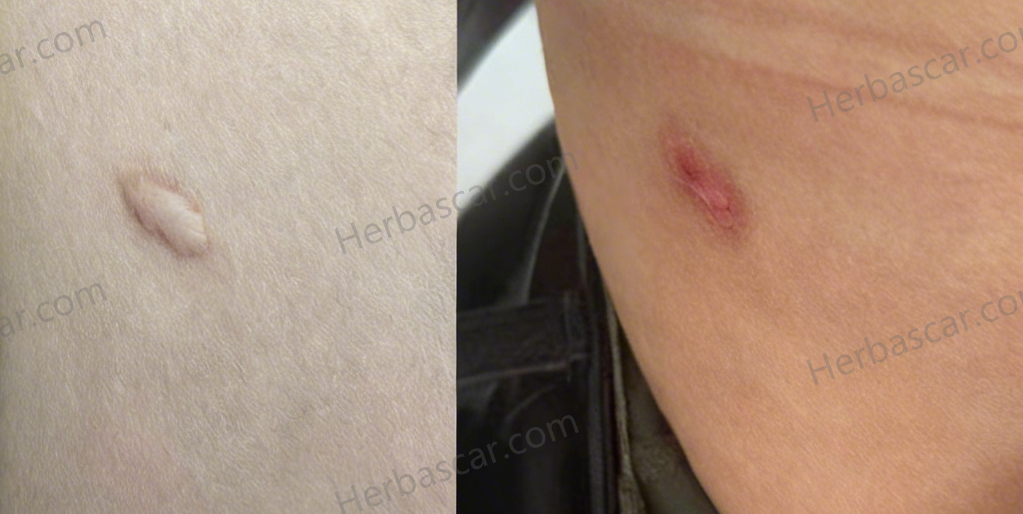
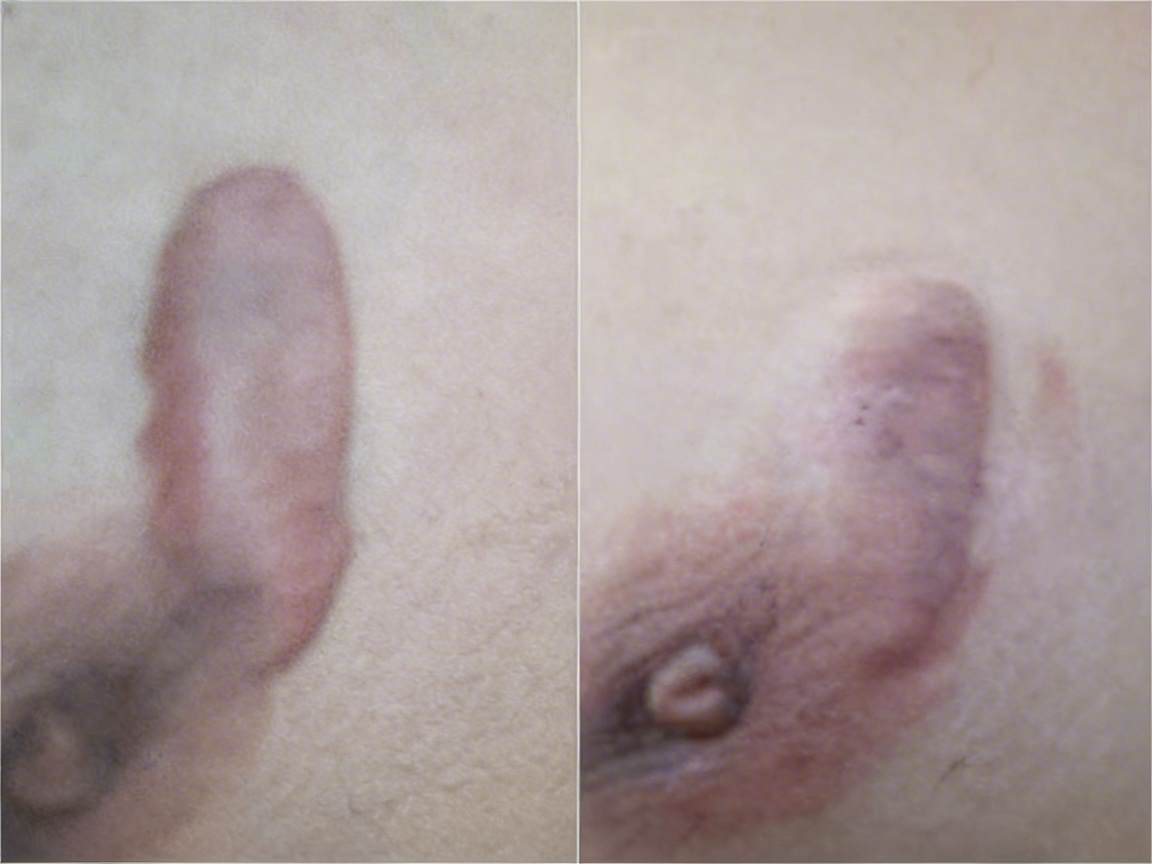
    Before-and-after comparison of nipple keloid treatment.
    Before-and-after comparison of nipple keloid treatment.

    Eventually, he decided to try a herbal scar removal solution. Committing to a daily application, he was careful, consistent, and patient.

    Within just one month, the changes were remarkable. The keloid visibly softened and shrank, and the raised tissue began to flatten. Unlike surgical or injection methods, this approach was completely non-invasive, avoiding secondary trauma or irritation that could have triggered further growth.

    The improvement was steady and safe, giving him both physical relief and a restored sense of confidence. Looking in the mirror, he finally smiled at the reflection he had longed to see. The results were subtle yet significant—an incredible transformation achieved without pain or invasive procedures.
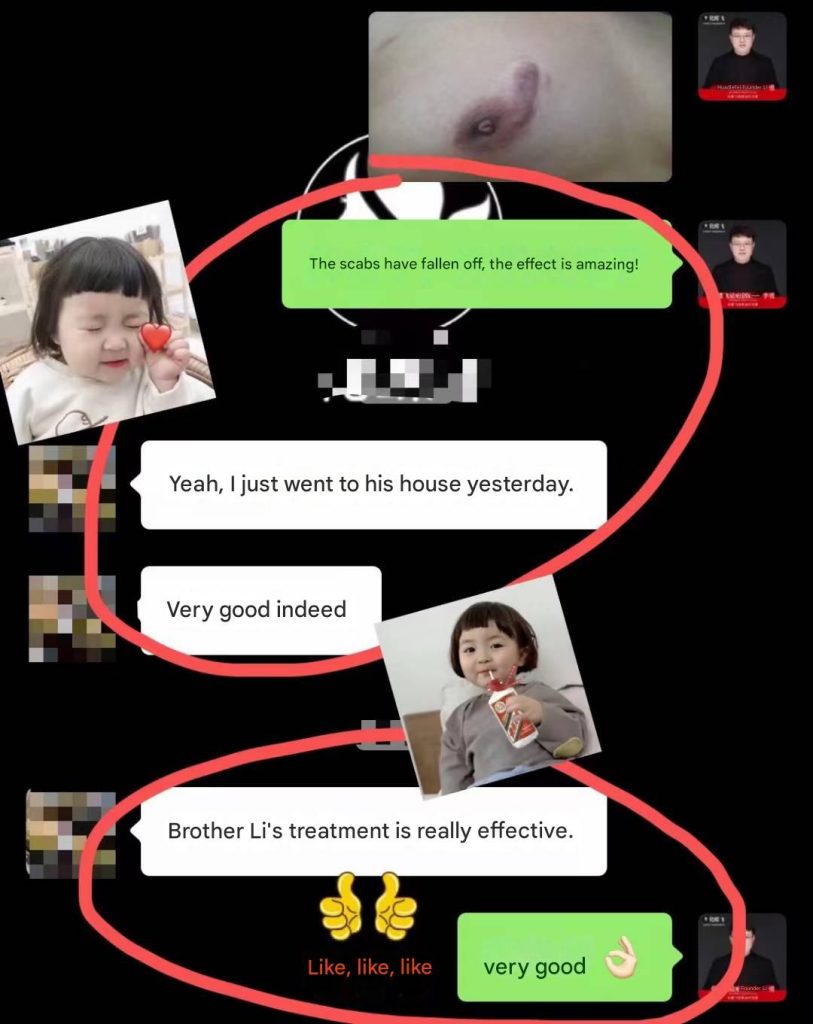
    Real feedback on nipple keloids after using Herba Scar Removal Solution.
    Real feedback on nipple keloids after using Herba Scar Removal Solution.

    Doctor’s Analysis: Why This Herbal Approach Works for Keloids

    Keloid scars, especially in sensitive areas like the nipple, result from abnormal fibroblast activity and excessive collagen deposition during healing. They are prone to continuous growth, particularly when the skin experiences repeated irritation or trauma. The chest and nipple region is especially susceptible due to its thin skin and frequent friction from clothing.

    Traditional treatments—surgical excision or steroid injections—directly remove or suppress the scar tissue. However, both have drawbacks. Surgery can cause secondary trauma, potentially stimulating new keloid growth, and injections may be painful or ineffective depending on individual healing tendencies. Recurrence rates remain high, making these approaches risky, especially for sensitive areas.

    Herbal scar treatments, on the other hand, operate on a principle of gentle conditioning and gradual collagen regulation. They help soften fibrotic tissue, enhance local circulation, and promote balanced skin metabolism. This non-invasive strategy allows the scar to flatten naturally while minimizing irritation and reducing the likelihood of recurrence.

    For patients with keloids in sensitive areas, patience and consistent, gentle care are key. This case demonstrates that even stubborn keloids can be effectively managed without surgery, injections, or other invasive interventions. The combination of safety, controllability, and visible improvement makes herbal therapy a promising option for long-term keloid management.

  • Knee Scar Getting Thicker and Darker? How a Hypertrophic Scar Was Finally Reversed

    Knee Scar Getting Thicker and Darker? How a Hypertrophic Scar Was Finally Reversed

    Most people assume that minor skin injuries will heal naturally without leaving a trace. However, for a significant number of individuals, especially in high-movement areas like the knee, the healing process does not always follow a “linear repair” pattern.

    Instead, prolonged inflammation, repeated mechanical tension, and dysregulated collagen synthesis can lead to hypertrophic scarring—where the skin not only heals, but over-heals.

    This case illustrates not just a visible transformation, but a typical pathological process—and how targeted, sustained intervention can gradually bring the skin back toward balance.


    The Background: From Superficial Trauma to Progressive Scar Thickening

    Customer Profile:
    A 31-year-old woman from California, with no prior history of severe scarring but relatively reactive skin.

    History:
    The injury occurred during a routine outing when she accidentally scraped her knee. The wound itself was not deep and healed within a short period, without infection or obvious complications. At that stage, the recovery appeared uneventful.

    However, approximately 2–3 weeks after wound closure, the local skin began to show abnormal changes. Instead of entering the normal remodeling phase, the tissue gradually became elevated and denser.

    Symptoms:
    Over the following weeks, the area evolved into a typical hypertrophic scar, presenting with progressive thickening and textural changes. The scar became firm to the touch, with a visibly raised surface and uneven borders confined to the original injury site.

    At the same time, post-inflammatory hyperpigmentation developed, causing the scar to appear darker than the surrounding skin. The local tissue also exhibited mild tightness, particularly during knee flexion and extension, indicating underlying collagen rigidity.

    Like many patients, she attempted several common interventions, including over-the-counter scar creams and silicone-based products. However, these approaches did not significantly alter the structure of the scar, suggesting that the remodeling phase had already become dysregulated.

    Beyond the physical symptoms, the aesthetic impact became increasingly distressing. The visibility of the scar made her avoid wearing skirts or exposing her knees, gradually affecting her confidence in daily life.


    The Treatment Journey: A 6-Week Process of Gradual Remodeling

    After limited success with conventional options, she began using a topical herbal scar treatment, committing to consistent daily application while closely observing changes.

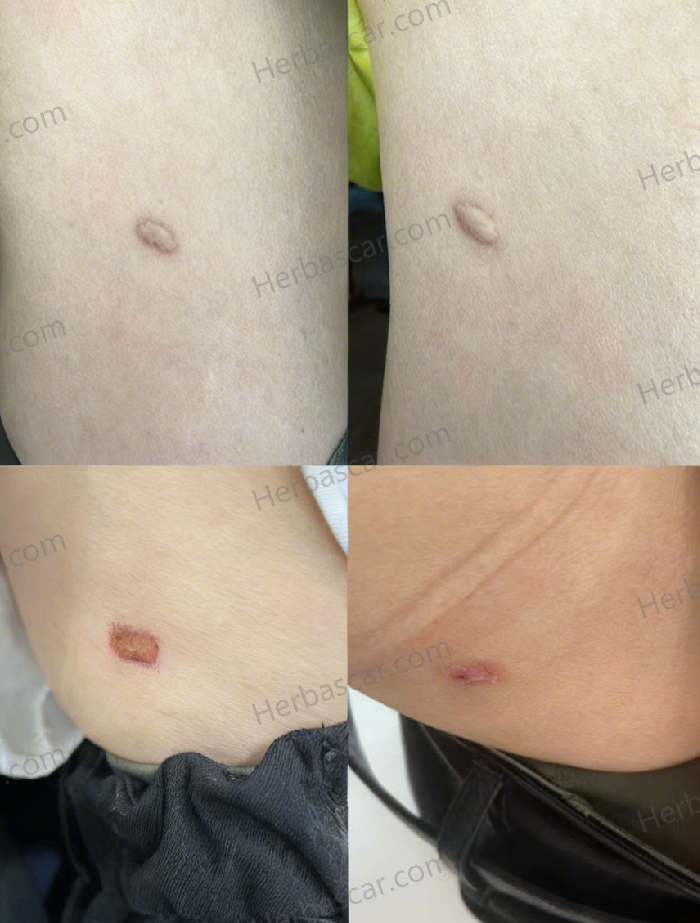
    Comparison of knee scar progression before and after therapy
    Comparison of knee scar progression before and after therapy

    Week 1–2:
    During the initial phase, the scar did not show dramatic visual improvement, but tactile changes began to emerge. The previously rigid and dense tissue started to feel slightly softer, indicating early alterations in the fibrotic structure. Mild redness and dryness appeared temporarily, which is not uncommon as microcirculation and surface turnover begin to adjust.

    Week 3–4:
    As treatment continued, structural changes became more apparent. The elevated portion of the scar began to reduce in height, and the boundary between scar tissue and surrounding skin became less pronounced. The sensation of tightness during movement decreased, suggesting improved elasticity within the dermal layer.

    At this stage, pigmentation also started to shift. The darker tone gradually lightened, indicating a reduction in post-inflammatory melanocyte activity.

    Week 5–6 (1.5 months):
    By the end of six weeks, the overall morphology of the scar had significantly improved. The once thick, raised lesion had flattened considerably, with a softer, more pliable texture. Color differences were largely minimized, leaving only slight residual redness.

    Importantly, these changes occurred without any invasive intervention, avoiding additional trauma to the skin and reducing the risk of secondary scar stimulation.

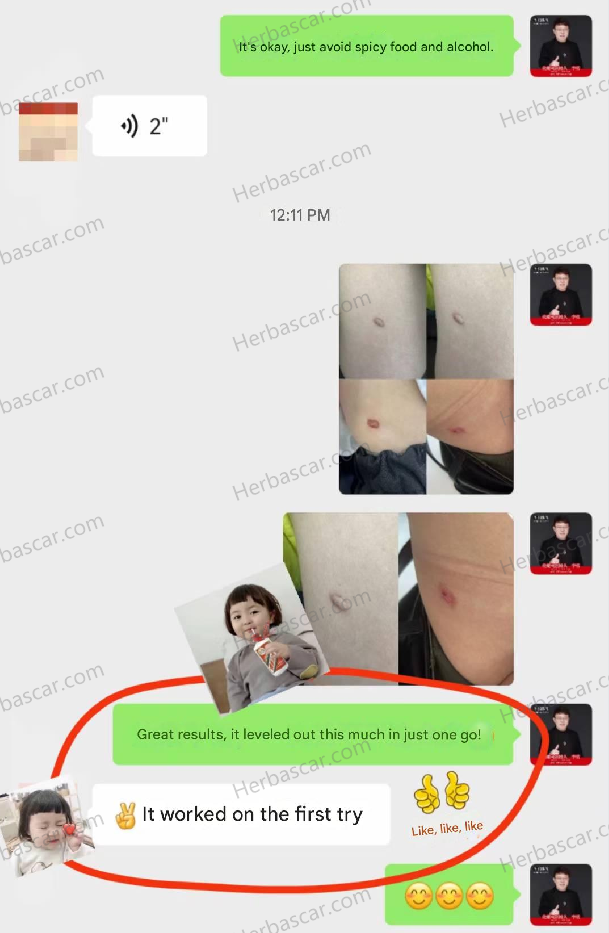
    Real feedback on using Herba Scar Removal Solution for knee hypertrophic scars
    Real feedback on using Herba Scar Removal Solution for knee hypertrophic scars

    Doctor’s Analysis: Understanding Hypertrophic Scars and the Role of Controlled Remodeling

    From a clinical standpoint, hypertrophic scars are the result of an imbalance between collagen synthesis and degradation during the wound healing process. Normally, after injury, the body progresses from inflammation to proliferation and finally to remodeling.

    However, when this process is disrupted—particularly due to prolonged inflammation or mechanical stress—fibroblasts remain overactive, continuously producing collagen (primarily type III collagen), leading to excessive accumulation within the dermis.

    In joints such as the knee, this risk is significantly amplified. Constant movement creates repeated micro-tension across the healing tissue, which can prolong the inflammatory phase and mechanically stimulate fibroblast activity. Even after epithelial closure, the underlying dermis may remain in a state of active remodeling, contributing to scar thickening.

    Additionally, local hypoxia and impaired microcirculation can further exacerbate fibrosis, while melanocyte activation during inflammation leads to post-inflammatory hyperpigmentation, explaining the darkened appearance of many hypertrophic scars.

    Conventional treatments—such as silicone occlusion, corticosteroid injections, or laser therapy—primarily aim to suppress fibroblast activity or physically remodel the tissue. While effective in certain cases, these methods can introduce additional variables, including skin atrophy, irritation, or recurrence due to repeated stimulation.

    In contrast, the approach used in this case aligns more closely with the concept of controlled biological remodeling. Rather than abruptly interrupting the process, it works by gradually influencing the local microenvironment.

    Through continuous topical application, the treatment supports several key mechanisms:

    • Softening of fibrotic collagen bundles, improving tissue pliability
    • Enhancement of local microcirculation, reducing hypoxia-driven fibrosis
    • Promotion of balanced collagen turnover, allowing excess deposition to be reorganized over time
    • Modulation of inflammatory signals, helping prevent further overproduction of scar tissue

    This slower, regulation-based strategy is particularly suitable for hypertrophic scars in high-mobility areas. By minimizing additional irritation while maintaining consistent metabolic support, it allows the skin to re-enter a more stable remodeling phase.

    This case is not simply about a scar improving, it reflects a shift from uncontrolled healing to regulated repair. In many instances, the problem is not that the skin fails to heal, but that it heals too aggressively. And when that happens, the solution may not lie in stronger intervention, but in restoring balance over time.

  • Struggling with White Scars? See How She Recovered Her Skin Tone in 1 Month

    Struggling with White Scars? See How She Recovered Her Skin Tone in 1 Month

    Compared to raised or depressed scars, hypopigmented scars are often underestimated. They are flat, painless, and structurally stable—but visually, they can be even more noticeable.

    What makes them particularly difficult is not texture, but color loss. Once pigmentation disappears, restoring it is far more complex than simply flattening a scar. For adolescents in particular, even a small patch of uneven skin tone can have a disproportionate impact on self-image and confidence.

    The Background: A Structurally Healed but Visibly “Incomplete” Scar

    Customer Profile:
    A 16-year-old female.

    History:
    The scar originated from a previous skin injury on her arm. The wound itself had healed well—there was no infection, no abnormal overgrowth, and no visible depression. From a structural standpoint, the healing process appeared complete.

    However, what remained was a clear visual defect.

    Symptoms:
    The affected area presented as a typical hypopigmented (white) scar, with the following characteristics:

    Although the skin surface was smooth and even, the scar appeared significantly lighter than the surrounding tissue, creating a sharp contrast under natural light. The boundary between normal skin and scar tissue was clearly defined, making it difficult to conceal.

    Unlike hypertrophic or atrophic scars, there was no thickness change—but precisely because of this, the issue became purely one of pigment loss, which is clinically more challenging to correct.

    She had previously tried various topical scar products, including common “scar repair creams,” but none addressed the core problem. Most treatments focused on texture remodeling rather than pigment restoration, leading to minimal visible improvement.

    Over time, she became increasingly self-conscious, habitually covering her arm and avoiding situations where the scar might be noticed.


    The Treatment Journey: A One-Month Process of Gradual Pigment Recovery

    The turning point came when she began using a topical herbal scar repair treatment. Unlike her previous attempts, this time she followed a consistent, daily application routine and paid closer attention to skin changes throughout the process.

    During the first week, there were no dramatic visible changes. However, the scar area began to feel slightly more hydrated, and the previously dull appearance showed subtle signs of improvement. At this stage, the changes were mostly functional rather than visual.

    By the second week, early pigment-related changes started to emerge. The stark contrast between the scar and surrounding skin softened slightly, and the edges of the hypopigmented area appeared less sharply defined. This suggested a gradual shift in local skin activity.

    Entering the third week, the improvement became more noticeable. The color within the scar area deepened incrementally, no longer appearing as a flat, pale patch. Instead, it began to integrate more naturally with the surrounding skin tone. The visual boundary continued to blur, giving the skin a more uniform appearance.

    Before and after treatment of hypopigmented scars on the arm
    Before and after treatment of hypopigmented scars on the arm

    By the end of one month, the transformation was clear. The hypopigmented scar had significantly improved in color, blending much more seamlessly with the surrounding skin. While not completely identical, the difference was no longer striking or attention-grabbing.

    There was one interruption during the process—she accidentally removed a forming scab prematurely. This may have slightly affected the final pigmentation outcome, as uninterrupted healing is critical during key repair stages. Even so, the overall improvement remained highly noticeable and satisfactory.

    Beyond the physical change, the psychological shift was equally important. She gradually moved from consciously hiding the scar to feeling comfortable revealing her arm again—a change that reflected both visible recovery and regained confidence.

    The white scars on her arm showed great improvement after using Herba scar treatment
    The white scars on her arm showed great improvement after using Herba scar treatment

    Doctor’s Analysis: The Biology of Hypopigmented Scars and Why Gradual Repair Matters

    Hypopigmented scars are fundamentally linked to the loss or reduced function of melanocytes, the cells responsible for producing melanin. During skin injury, melanocytes can be damaged, destroyed, or functionally suppressed.

    Unlike collagen abnormalities seen in hypertrophic scars, pigment-related issues involve a more complex regenerative process. Even after the skin barrier has structurally healed, melanocyte activity may not fully recover, leading to persistent depigmentation.

    Several factors influence whether pigmentation can return:

    First, the depth of injury plays a critical role. If melanocytes in the basal layer are partially preserved, there is potential for gradual recovery. If they are completely destroyed, repigmentation becomes significantly more difficult.

    Second, the local microenvironment of the skin is essential. Adequate blood supply, stable skin barrier function, and low levels of inflammation all support melanocyte activity. Chronic irritation or repeated disruption—such as friction or premature scab removal—can interfere with this process.

    Third, age and metabolic activity also matter. Younger individuals generally have more active skin metabolism, which can favor recovery, but their skin can also be more sensitive to external stressors.

    In this case, the observed improvement suggests that melanocyte function was not entirely lost, but rather suppressed. The role of a topical herbal treatment, from a mechanistic perspective, is not to “force” pigmentation, but to optimize the skin’s recovery environment.

    By supporting microcirculation, maintaining hydration, and reducing subclinical inflammation, such treatments may help reactivate residual melanocytes and promote gradual melanin production. This aligns with the principle of “functional recovery over structural intervention.”

    An equally important aspect is time and consistency. Pigment restoration is inherently slower than structural repair. A one-month period, as seen in this case, represents an early but meaningful phase of recovery—visible improvement without aggressive intervention.

    Finally, this case also highlights the importance of proper wound aftercare. The premature removal of a scab can disrupt the delicate regenerative process in the epidermis, potentially affecting both barrier repair and melanocyte migration. This reinforces the need for controlled, uninterrupted healing conditions.

  • How One Woman Healed Her Painful Eyebrow Tattoo Scar Naturally

    How One Woman Healed Her Painful Eyebrow Tattoo Scar Naturally

    Accidents happen, even during seemingly routine beauty treatments. A small mishap can leave more than just a temporary mark—it can cause scars that affect both appearance and confidence.

    For delicate facial areas like the eyebrows, even minor injuries can turn into persistent depressed scars, leaving many unsure of how to restore smooth, natural-looking skin.

    This story shows how careful, consistent care over two months transformed a frustrating injury into a healed, harmonious result.

    The Background: Accidental Injury Turns Into a Persistent Scar

    A young woman went to a beauty salon for a routine eyebrow wash, never imagining that the experience would leave her with a painful skin injury. During the procedure, her skin was accidentally cut, creating open wounds that took time to close. While the initial bleeding and soreness eventually subsided, the aftermath was far from ideal.

    Over the weeks that followed, the wound healed, but instead of smooth skin, a depressed scar formed. It affected her appearance and confidence, reminding her daily of the mishap. She tried multiple remedies, including creams, ointments, and even cosmetic procedures, but nothing seemed to produce real improvement. The scar remained noticeable, and her frustration grew with each failed attempt.

    Symptoms she experienced were typical of post-traumatic depressed scars: skin indentation, uneven texture, visible disruption of the dermal layer, and slight tightness around the affected area. These features made the scar particularly resistant to conventional treatments and challenging to manage at home.


    The Treatment Journey: Gentle Care Over Two Months

    Feeling discouraged, she eventually discovered our herbal ScarHealing solution and decided to give it a try. The treatment is designed to promote blood circulation, remove necrotic tissue, and stimulate regeneration of healthy skin—all without invasive procedures or aggressive chemicals.

    From the very first applications, she noticed subtle changes. The area felt softer, and the skin around the scar seemed less rigid. Over the course of two months, she applied the treatment consistently, carefully observing the healing progress.

    Gradually, the depression began to visibly improve, with the contour of the skin slowly evening out. Her skin texture was largely restored, while her pores and hair follicles remained almost unaffected—a key concern for delicate facial areas like the eyebrows.

    Before-and-after comparison of keloid on the eyebrow area
    Before-and-after comparison of keloid on the eyebrow area

    By the end of the second month, the scar had significantly flattened, its appearance harmonized with the surrounding skin, and the area felt soft and natural. Seeing her reflection, she could finally smile with satisfaction. The treatment proved both safe and naturally effective, all from the comfort of home.


    Doctor’s Analysis: Why Herbal Scar Healing Works

    Depressed scars, especially on the face, result from localized tissue loss or incomplete dermal regeneration following injury. When the skin is damaged, fibroblasts and collagen work to repair the wound, but if the healing process is disrupted or delayed, the new tissue may be insufficient, leading to visible indentations.

    In this case, the eyebrow area is particularly sensitive. Facial skin is thin, highly vascularized, and closely associated with hair follicles and pores. Aggressive treatments risk further trauma, which could worsen the appearance or disrupt follicle growth.

    Herbal scar therapies work through a combination of mechanisms: they stimulate local microcirculation, helping oxygen and nutrients reach the damaged area; facilitate removal of necrotic tissue, preventing delayed healing; and promote healthy collagen remodeling, filling the indentation gradually. By supporting natural repair rather than forcing abrupt changes, these treatments reduce risk while producing consistent, gradual improvement over a two-month period.

    From a broader perspective, this case highlights two important principles in scar management:

    1. Patience and consistency are key. Even safe, natural treatments require time for the dermal layer to regenerate.
    2. Targeted, non-invasive care preserves skin structure. For delicate areas like the eyebrows, protecting hair follicles, pores, and skin texture is as important as improving the scar’s appearance.
    Pitted keloid developing after eyebrow removal procedure
    Pitted keloid developing after eyebrow removal procedure

    This approach demonstrates that, with appropriate care, post-traumatic depressed scars can heal effectively without invasive procedures, allowing patients to restore both skin integrity and self-confidence.

  • How One Woman Faded a Dark, Thick Underarm Scar After Surgery Without Painful Procedures

    How One Woman Faded a Dark, Thick Underarm Scar After Surgery Without Painful Procedures

    Even minimally invasive underarm surgery can leave scars that persist far longer than expected.

    For many patients, the issue is not just cosmetic; a thick, dark scar can affect daily life, movement, and confidence.

    This is the story of a 43-year-old woman who struggled with a prominent underarm scar and severe pigmentation—and how consistent, patient care over two months transformed her skin and restored her confidence.


    The Background: Persistent Scar and Pigmentation

    After undergoing a routine minimally invasive underarm surgery, she initially assumed her recovery would be smooth. The incision healed without major complications, but over time, a thick, dark scar began to form. The pigmentation was pronounced, and the scar’s firmness and raised texture made it highly noticeable.

    The scar was not just a visual concern. Each movement of her arm caused tension and a slight discomfort, reminding her daily of the surgical site.

    Socially, she felt self-conscious wearing sleeveless clothing or lifting her arms. Initially hesitant to try any treatments, she feared that intervention could worsen the scar or irritate the delicate underarm skin.

    For months, the scar remained a source of both physical and psychological discomfort.


    The Treatment Journey: Two Months of Consistent Care

    After consulting carefully, she decided to try a herbal ScarRemoval solution. She committed to daily application, following every step meticulously while observing the scar for subtle changes.

    The early days were challenging. The scar initially appeared slightly red and dry, causing her to worry that she might be exacerbating the condition. Yet, she persisted, maintaining careful observation and consistent care. Gradually, the thickened tissue began to soften, and the pigmentation showed early signs of fading.

    Before-and-after comparison of underarm surgical scar treatment
    Before-and-after comparison of underarm surgical scar treatment

    Over the course of two months, the transformation became remarkable. The scar gradually flattened, its texture softened, and its color harmonized with the surrounding skin. The pigmentation lightened significantly, and the raised tissue no longer caused tension or discomfort.

    By the end of the two-month period, the results had not only met but exceeded her expectations. She regained confidence, feeling comfortable wearing sleeveless clothing and moving her arms without hesitation.


    Doctor’s Analysis: Why This Approach Works for Underarm Scars

    From a medical standpoint, underarm scars—particularly after surgical procedures—are prone to hypertrophic changes and hyperpigmentation due to the unique conditions of the axilla.

    The combination of frequent movement, moisture, and friction makes this area especially susceptible to prolonged inflammation, which can trigger excessive collagen deposition and increased melanocyte activity. These biological responses result in raised, firm, and darkened scar tissue.

    Treatment results of underarm surgery scars: before vs. after.
    Treatment results of underarm surgery scars: before vs. after.

    Traditional approaches, such as steroid injections or laser therapy, aim to suppress collagen overproduction and reduce pigmentation directly.

    While these treatments can be effective, they carry potential drawbacks in sensitive areas like the underarm. Aggressive interventions can irritate delicate skin, cause uneven results, or even stimulate further scar formation if the tissue is over-stimulated.

    Herbal scar treatments offer a gentle, controlled alternative. By softening fibrotic tissue and enhancing local microcirculation, they promote balanced collagen remodeling.

    Simultaneously, they support gradual pigment normalization, allowing the scar to blend more naturally with surrounding skin. Over time, this method reduces scar thickness and pigmentation without secondary trauma, making it particularly suitable for regions prone to friction and movement.

    Real feedback after using Herba scar removal solution on underarm scars.
    Real feedback after using Herba scar removal solution on underarm scars.

    Additionally, post-surgical scars require careful management because the healing tissue remains sensitive for months. Continuous, consistent care allows for gradual collagen regulation, which is critical in preventing recurrence and ensuring a lasting improvement.

    This case demonstrates that patient adherence, combined with a scientifically guided topical approach, can achieve significant aesthetic and functional improvement, even in areas historically challenging to treat.

  • How She Flattened a Lip Depressed Keloid Scar and Restored Her Smile

    How She Flattened a Lip Depressed Keloid Scar and Restored Her Smile

    Every scar tells a story, but for this young woman, her story began with frustration. An accidental injury left her with a wound that healed on the surface, yet beneath the skin, a noticeable depressed scar remained. No matter what she tried—ointments, creams, or home remedies—nothing seemed to work. The lingering indentation on her skin became a constant reminder of the accident, affecting not only her appearance but also her self-confidence.


    The Background: Frustration After Healing

    Customer Profile:
    A young, beautiful woman who values both appearance and skin health.

    History:
    After accidentally injuring herself, she received proper medical attention. The wound was stitched and, once the stitches were removed, it appeared to have healed. On the surface, the skin looked normal, but a deep, sunken scar persisted.

    Symptoms:
    The scar presented several challenges typical of depressed scars, including:

    • Visible indentation at the injury site
    • Uneven skin texture
    • Localized skin tightness
    • Psychological stress and dissatisfaction with appearance

    Despite trying multiple over-the-counter remedies and home care techniques, the scar showed no improvement, leaving her increasingly frustrated.


    The Treatment Journey: Patience and Consistency Lead to Change

    A friend recommended a herbal scar-removing solution, promising gentle yet effective results. Skeptical but willing to try, she committed to consistent daily application, observing her skin carefully as the treatment progressed.

    At first, changes were subtle. The scar still appeared sunken, and it was easy to feel impatient. However, with continued use, the treatment gradually began to work. The depressed area slowly filled in, the skin’s texture became smoother, and the color started to harmonize with surrounding tissue.

    Over time, the improvement became dramatic. The previously sunken scar nearly disappeared, leaving the skin soft, even, and naturally contoured. Seeing her reflection brought a genuine smile to her face—her confidence restored, her frustration gone. Encouraged by the results, she even planned further fine-tuning to achieve flawless skin.

    Before-and-After Images of Depressed Lip Scar Treated with Traditional Chinese Medicine
    Before-and-After Images of Depressed Lip Scar Treated with Traditional Chinese Medicine

    This transformation demonstrates that scar repair is not just a cosmetic improvement—it can be a rebirth of confidence.


    Doctor’s Analysis: Why Herbal Treatment Works on Depressed Scars

    Depressed scars, also known as atrophic scars, result from insufficient collagen production during wound healing. Unlike hypertrophic or keloid scars, which are raised due to excess tissue, depressed scars leave an indentation that can be difficult to correct.

    Several factors contribute to the formation of depressed scars:

    • Depth of the original wound: Injuries that damage deeper dermal layers often heal with tissue loss, leading to sunken areas.
    • Delayed or inadequate healing: Insufficient regeneration of collagen and extracellular matrix prevents the skin from fully filling in.
    • Location and movement: Areas under tension or frequent movement may heal unevenly, accentuating indentations.

    Herbal scar-removing treatments work by stimulating skin metabolism and supporting natural collagen synthesis, helping the dermal layer rebuild gradually. The formulation gently softens residual fibrotic tissue, enhances microcirculation, and promotes even tissue remodeling. Over time, this approach can fill in sunken scars, restore smooth texture, and improve overall appearance—without invasive procedures.

    For patients with depressed scars, the key principle is patience. Gradual, consistent care allows the skin to regenerate naturally while minimizing risk of further injury or irritation. Combined with proper skincare and, if needed, professional guidance, this method can lead to impressive, long-lasting results.

  • Severe Hand Burn in a Child—How His Mother Avoided Skin Grafting and Minimized Scarring

    Severe Hand Burn in a Child—How His Mother Avoided Skin Grafting and Minimized Scarring

    Burn injuries, especially in children, are among the most stressful emergencies a parent can face. Beyond the immediate pain and worry, parents often fear long-term consequences such as scarring, contractures, and functional impairment. Knowing the right steps to take immediately after a burn can greatly influence healing outcomes and reduce the risk of permanent damage.

    The Background: A Sudden Burn and the Fear of Permanent Scars

    Customer Profile:
    A 9-year-old boy from California, USA.

    History:
    The injury occurred suddenly at home when he was accidentally exposed to hot liquid. The burn affected both the back and palm of his hand, covering a relatively large surface area. He was immediately taken to the hospital, where doctors assessed the wound and recommended a skin graft due to the severity of the burn.

    Symptoms:
    At the time of presentation, the wound showed typical signs of a moderate to severe burn injury, including extensive redness, blistering, and areas of damaged skin. The affected tissue was highly sensitive, with a high risk of infection, delayed healing, and eventual scar formation.

    For pediatric burn cases like this, the biggest concerns are not only wound closure but also post-burn scarring, contracture, and functional limitation, especially in highly mobile areas such as the hands.

    Faced with the recommendation for surgery, his mother became deeply conflicted. Skin grafting could accelerate closure, but it also carried risks—additional trauma, donor-site injury, and the possibility of permanent scarring. She began searching for a safer, less invasive alternative.


    The Treatment Journey: A Gentle Approach with Surprising Results

    At one of her most anxious moments, she came across a herbal scar-repair solution and decided to try a more conservative, non-invasive approach.

    From the beginning, she followed a careful and consistent application routine. Unlike aggressive interventions, this method focused on supporting the skin’s natural healing process rather than forcing rapid closure.

    In the early stage, the goal was to maintain a stable healing environment. Gradually, the wound began to improve—exudation reduced, the damaged skin started to repair, and new tissue formed more evenly.

    After one month of consistent care, the changes were already significant. The skin surface became smoother, and only mild marks remained where the injury had been most severe. Encouraged by this progress, she continued the treatment for another cycle.

    Immediate Hand Burn Repair with Chinese Herbal Medicine
    Immediate Hand Burn Repair with Chinese Herbal Medicine

    With ongoing use, the skin continued to regenerate and refine. The color gradually normalized, the texture improved, and the overall appearance approached that of healthy skin. In the end, there was almost no visible trace of the original burn injury.

    For the child, this meant avoiding a surgical procedure during a critical stage of growth.
    For the mother, it was a decision that brought both relief and confidence.

    Doctor’s Analysis: Why Early Burn Management Determines Scar Outcomes

    From a clinical perspective, timely management of burn injuries plays a decisive role in both healing and long-term scar outcomes. In this case, the mother’s immediate actions were crucial: cooling the burn under running lukewarm water for 10–20 minutes limited the depth of tissue damage, while removing tight clothing and jewelry prevented constriction as swelling occurred. Lightly covering the wound with a clean, non-stick dressing helped protect it from contamination, and avoiding unproven home remedies minimized the risk of further irritation or infection. Seeking professional medical attention promptly ensured that the child received appropriate evaluation and guidance. These early measures created a more favorable environment for healing and significantly reduced the likelihood of severe scarring.

    Burns vary in depth and severity, and deeper partial-thickness or full-thickness burns carry a higher risk of hypertrophic scar formation or contractures. The hands are particularly vulnerable due to their frequent movement and delicate skin, which makes both functional recovery and cosmetic outcomes more challenging. One key factor in scar development is prolonged inflammation, which can trigger excessive fibroblast activity and abnormal collagen deposition. Aggressive interventions, repeated debridement, or improper wound care may exacerbate this process, whereas gentle, consistent care supports the skin’s natural repair mechanisms and encourages orderly tissue remodeling.

    Herbal-based scar repair treatments complement these principles by improving local microcirculation, regulating inflammatory responses, and nourishing regenerating tissue. When combined with proper first aid, these therapies offer a non-invasive approach that reduces the risk of hypertrophic scarring, particularly in pediatric cases where surgical interventions carry additional risks. In this instance, the combination of timely emergency care and careful, consistent application of the herbal treatment allowed the boy’s skin to regenerate smoothly, restoring both function and appearance with minimal visible scarring.

  • Abdominal Scar After Liposuction Won’t Flatten? Here’s How She Fixed It

    Abdominal Scar After Liposuction Won’t Flatten? Here’s How She Fixed It

    For many people, liposuction is a step toward a more confident body. But what’s rarely talked about is what happens after—when a small incision turns into a stubborn, raised scar that refuses to fade.

    For those who experience it, the impact goes far beyond the skin. It affects how you dress, how you see yourself, and how confident you feel in your own body.

    This is the story of a 25-year-old woman who faced exactly that—and how she found a way through it.


    The Background: When “Normal Healing” Turns Into a Raised Scar

    Customer Profile:
    A 25-year-old young woman who underwent abdominal liposuction, hoping for a more confident and toned appearance.

    History:
    The procedure itself went smoothly, and in the beginning, the incision appeared to heal normally. Like most patients, she assumed the marks would gradually fade with time. However, as the days turned into weeks, the healing process began to take a different path.

    Symptoms:
    Instead of flattening, the scar became increasingly raised and firm. The area developed into a typical post-liposuction hypertrophic scar, with visible thickening, uneven texture, and darker pigmentation compared to the surrounding skin.

    The scar also carried a subtle tightness, especially with movement, making it feel constantly present. She started looking into common options such as laser scar treatments, steroid injections, and silicone gels, but none of them gave her enough confidence to proceed.

    Doctors advised her to be cautious, emphasizing that excessive stimulation could worsen the scar.

    As time went on, the emotional impact became more noticeable than the physical discomfort. She stopped wearing fitted clothes, avoided situations where her abdomen might be visible, and gradually lost the confidence she had hoped to gain from the procedure.


    The Treatment Journey: From Doubt to Visible Transformation

    Before and After Treatment of an Abdominal Hypertrophic Scar
    Before and After Treatment of an Abdominal Hypertrophic Scar

    Feeling stuck and running out of options, she decided to try a herbal scar repair solution as a final attempt. Compared to more aggressive approaches, this method felt simpler and more manageable, something she could consistently use at home.

    At the beginning, she didn’t expect quick results. Still, she committed to applying the herbal solution daily, treating it as a gradual process rather than an instant fix.

    What reassured her first was how stable the skin condition remained. There was no irritation, no discomfort, and no signs of worsening. This allowed her to continue with confidence.

    As days passed, small but meaningful changes began to appear. The raised scar, which once felt dense and firm, slowly started to soften. The tightness eased, and the surface became less rigid.

    With continued use, the improvement became more visible. The thickness of the scar reduced progressively, and the skin began to look smoother and more even. The color difference also softened, making the scar less noticeable overall.

    After one full cycle of consistent use, the transformation was striking. The once prominent hypertrophic scar had flattened significantly, and the skin regained a much more natural appearance.

    For her, this wasn’t just a physical improvement. It marked a turning point—she no longer felt the need to hide her body. She described it as finally “getting past it,” both physically and emotionally.

    Real Patient Feedback After Using Herba Scar Removal Solution
    Real Patient Feedback After Using Herba Scar Removal Solution

    Doctor’s Analysis: Why Some Liposuction Scars Become Raised—and How to Manage Them Properly

    From a medical perspective, not all scars are simply a matter of time. After procedures like liposuction, the skin enters a complex repair phase. While most incisions heal smoothly, some individuals develop hypertrophic scars due to an overactive healing response.

    This happens when the body produces collagen too aggressively during the repair process. Instead of forming a flat, balanced layer, the tissue builds upward, creating a raised, firm structure.

    The abdominal area is particularly prone to this because it is constantly under subtle tension from movement, posture, and daily activity. Even small incisions, when combined with internal tissue disturbance, can trigger prolonged inflammation, which increases the likelihood of abnormal scar formation.

    Another key factor is repeated stimulation. Many people attempt to “fix” scars too aggressively in the early stages, which can actually prolong the inflammatory phase and reinforce the cycle of excessive collagen production.

    What makes this case effective is the shift in strategy—from intervention to regulation.

    A topical herbal approach works by supporting the skin in a more controlled and gradual way. Rather than forcing rapid change, it helps soften the dense scar structure, improve local circulation, and guide collagen remodeling over time.

    This reduces the internal tension within the scar tissue and allows it to gradually flatten and stabilize, without introducing additional irritation.

    In clinical practice, this reflects an important principle: stable improvement is often more important than fast improvement. Especially for post-liposuction scars, a method that minimizes stimulation while maintaining consistent care can significantly reduce the risk of worsening or recurrence.


    Final Takeaway

    Not all scars fade on their own, and not all treatments need to be aggressive.

    For raised scars after liposuction, choosing a method that supports gradual recovery instead of forcing rapid change may lead to results that are not only visible, but also stable over time.

    Sometimes, the real solution isn’t doing more, but doing it consistently, and doing it right.

  • How a 9-Year-Old Boy Healed a Serious Foot Burn Without a Single Scar

    How a 9-Year-Old Boy Healed a Serious Foot Burn Without a Single Scar

    Introduction

    Accidents happen in the blink of an eye, especially with children. A moment of distraction or a hot kitchen mishap can lead to burns that are not only painful but also leave lasting scars if not treated properly. For many parents, the fear of permanent skin damage is almost as intense as the child’s pain itself. This story highlights how careful first aid, combined with a safe herbal treatment, helped a young boy recover from a severe scalding injury—without a single scar—restoring both his skin and his parents’ peace of mind.

    The Background: A Scalding Accident That Terrified the Family

    In Australia, a 9-year-old boy accidentally got scalded by boiling water. The immediate aftermath was terrifying: his foot was covered with numerous blisters of different sizes, and the pain was so intense that he cried uncontrollably. For his parents, the sight of their child in agony was alarming and stressful.

    This was no minor incident. Judging by the redness, blistering, and pain, it was at least a superficial second-degree burn, the type that often leaves permanent scars if not treated properly. The family feared that even with hospital care, the child’s delicate skin could develop scarring that would last a lifetime. Every minute felt critical, and they needed a solution that was both effective and safe for a child.


    The Treatment Journey: Gentle Care and Rapid Recovery

    Immediately after the accident, the parents acted quickly. They ran the burned area under cool running water for over ten minutes, dissipating the heat and preventing deeper tissue damage. They gently patted the skin dry and covered it with clean gauze to reduce infection risk. These first-aid steps were crucial, but the redness and the large number of blisters still caused anxiety—they knew that improper follow-up care could lead to permanent scarring.

    On the third day, they applied our herbal scar-removal solution. Within a few days, the transformation was remarkable. The redness and inflammation subsided, blisters completely disappeared, and the skin began to heal naturally. Over the following week, the boy’s foot recovered fully. Even more astonishingly, the texture and pores of his skin returned to normal, without a single scar forming.

    Traditional Chinese medicine shows excellent results in healing foot burns.
    Traditional Chinese medicine shows excellent results in healing foot burns.

    The parents were overjoyed, exclaiming that the herbal solution worked far better than standard hospital treatments. For them, it wasn’t just about recovery—it was about peace of mind, knowing their child’s skin could heal naturally and beautifully.


    Doctor’s Analysis: Why This Herbal Treatment Prevents Scarring

    From a medical perspective, second-degree burns involve epidermal and partial dermal damage, which puts the skin at high risk of abnormal healing or permanent scarring. The key factors in scar prevention are timely first-aid, infection control, and supporting natural tissue repair.

    Immediate cooling of the burn reduces thermal damage to deeper layers, while keeping the wound clean prevents secondary infections that could prolong inflammation. Prolonged inflammation is a major trigger for hypertrophic or keloid scar formation, even in children.

    Herbal scar-removal solutions work by promoting balanced skin regeneration. They help soften damaged tissue, support microcirculation, and regulate collagen deposition during the healing process. Unlike aggressive chemical treatments or steroid creams, this approach preserves the skin’s natural structure, allowing delicate pediatric skin to recover fully.

    Patient feedback after using herbal medicine to treat foot burns.
    Patient feedback after using herbal medicine to treat foot burns.

    This case illustrates two important principles in burn care: first, timely and gentle intervention is critical, and second, supporting natural healing pathways reduces the risk of permanent scarring. For parents, understanding these principles can be the difference between a lasting burn mark and a perfectly restored skin surface.

  • How a Toddler’s Burn Scar Went from Hard and Uneven to Soft and Healthy

    How a Toddler’s Burn Scar Went from Hard and Uneven to Soft and Healthy

    The Background: Pediatric Burns and Early Care

    Burns are among the most common injuries in young children, often occurring at home due to hot liquids, stoves, or other household accidents. Because a child’s skin is thinner and more delicate than an adult’s, even minor burns can easily cause persistent hypertrophic scars or keloids if not carefully managed.

    Immediate and proper first aid is critical. After a burn, parents should cool the affected area under running water for 10–20 minutes, cover it with a sterile dressing, and seek prompt medical evaluation. Timely treatment can significantly reduce the depth of tissue damage and the risk of abnormal scar formation.

    Even with careful first aid, young children’s burns can sometimes lead to persistent scars. Pediatric burn scars can become thick, raised, or uneven, sometimes interfering with movement and causing discomfort. Early attention, gentle care, and prevention strategies—such as avoiding friction, keeping the area moisturized, and monitoring for abnormal hardening—are key to reducing the likelihood of hypertrophic scars.


    The Case: When a Minor Burn Turns Into a Persistent Scar

    In the UK, a 4-year-old toddler accidentally burned his little foot at home. The parents acted immediately, bringing him to the hospital for emergency care. While the wound healed on the surface, the scar that formed was far from normal. It became hard, uneven, and raised, affecting not only the appearance but also the natural flexibility of the foot.

    The hospital recommended surgical intervention to correct the scar, but the mother, concerned about her child undergoing another painful procedure at such a young age, hesitated. She wanted a safer, non-invasive solution that could address the scar without causing additional trauma.

    At this point, the child’s foot showed clear signs of a post-burn hypertrophic scar, including thickened tissue, uneven texture, and localized firmness—typical features of pediatric burn scars, which can interfere with movement and cause discomfort if not properly managed.


    The Treatment Journey: Consistency, Patience, and Visible Change

    After careful consideration, the mother decided to try a herbal scar removal solution. Because of his young age, the toddler was not always cooperative during application, and each session became a small “battle” between parent and child.

    Despite these challenges, the mother remained diligent. She applied the treatment consistently and carefully, monitoring the foot for changes every day. Gradually, the hard areas began to soften, and the uneven texture started to smooth out. The little foot began regaining a more natural, healthy appearance.

    After just two months of consistent application, the results were remarkable. The scar had almost completely flattened, the hardened areas softened, and the skin texture became supple and uniform. The mother noted that her efforts paid off, as the foot now looked almost like it had never been burned.

    Before-and-after comparison of a child’s burn scar treatment.
    Before-and-after comparison of a child’s burn scar treatment.

    This case demonstrates that even for the youngest and most sensitive patients, a gentle, non-invasive herbal scar treatment can achieve outstanding results with patience and consistency.


    Doctor’s Analysis: Pediatric Burn Scar Management and Prevention

    Burn scars in children form due to excessive collagen deposition during the healing process, leading to thickened, raised, or uneven tissue. In pediatric patients, scars can develop more prominently because young skin is highly active in tissue repair, and even minor trauma can stimulate abnormal collagen growth.

    While surgical intervention is sometimes recommended for severe scars, it carries significant risks for young children, including pain, anesthesia complications, and the possibility of new scar formation. This makes non-invasive, safe alternatives especially valuable.

    Herbal scar treatments offer a gentle yet effective approach. They help soften fibrotic tissue, promote balanced collagen metabolism, and support local circulation, allowing scars to gradually flatten and regain a normal texture without additional trauma. Consistency in application and careful monitoring are essential for success.

    Additional Pediatric Burn Scar Considerations:

    • Early and proper first aid is crucial to reduce tissue damage.
    • Moisturization and gentle massage help maintain skin elasticity during healing.
    • Avoiding friction and repeated trauma prevents further abnormal collagen stimulation.
    • Monitoring for hardening, redness, or rapid growth allows timely intervention.
    • Parental vigilance and patience are key, as children’s scars can change as they grow.

    This case highlights a broader principle in pediatric burn care: early, gentle intervention combined with consistent, patient-friendly treatment can dramatically improve both functional and cosmetic outcomes, ensuring the child’s foot heals soft, healthy, and natural-looking.