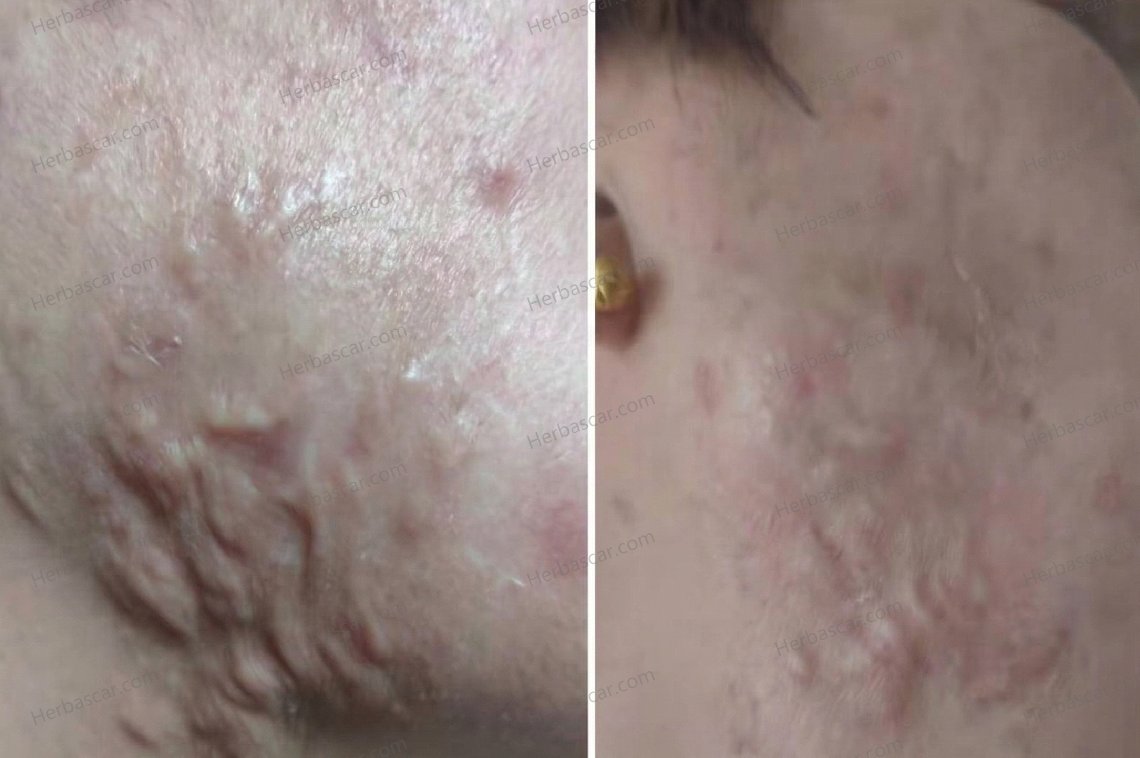
Acne scars are more than a cosmetic issue—they can affect self-esteem, daily comfort, and emotional well-being. For Ms. Li, a 48-year-old woman, the struggle with severe nodular acne scars had lasted for decades. She had tried countless creams, treatments, and routines, yet the scars remained thick, hard, and deeply embedded. Her experience shows that even longstanding, stubborn scars can be improved with patience, proper care, and the right approach.
The Background: Years of Struggling with Stubborn Acne Scars
Customer Profile:
Ms. Li, 48 years old, long-term sufferer of severe nodular acne scars, working professional, active in social and family life.
History:
Her facial skin was heavily affected by acne nodules from her youth, which had evolved into thick, hard, and sometimes adherent scars. Over time, some nodules had even started to adhere to underlying tissue, causing slight pain and pulling sensations when she moved her facial muscles. Despite her age, the scars remained persistent, making daily makeup application difficult, skin care uncomfortable, and social confidence low. Ms. Li often felt anxious looking in the mirror, wondering why her skin had not healed despite years of attention and treatment.
Symptoms:
Her scars exhibited classic features of severe nodular acne scarring:
- Thick, raised nodules with hard texture
- Adhesions to deeper skin layers causing mild discomfort
- Uneven skin surface and poor elasticity
- Areas prone to inflammation and occasional sensitivity
Ms. Li had tried multiple conventional interventions in the past, including creams, ointments, and even minor dermatological procedures. Yet, nothing produced lasting results. She was hesitant to try invasive methods like injections or laser therapy due to potential risks of nerve damage, infection, or worsening scar tissue.
The Treatment Journey: Gradual, Visible Transformation
One day, she came across our website and decided to give the herbal scar removal solution a try. Integrating it into her daily skincare routine, she applied it carefully and consistently, treating it as part of her normal regimen.
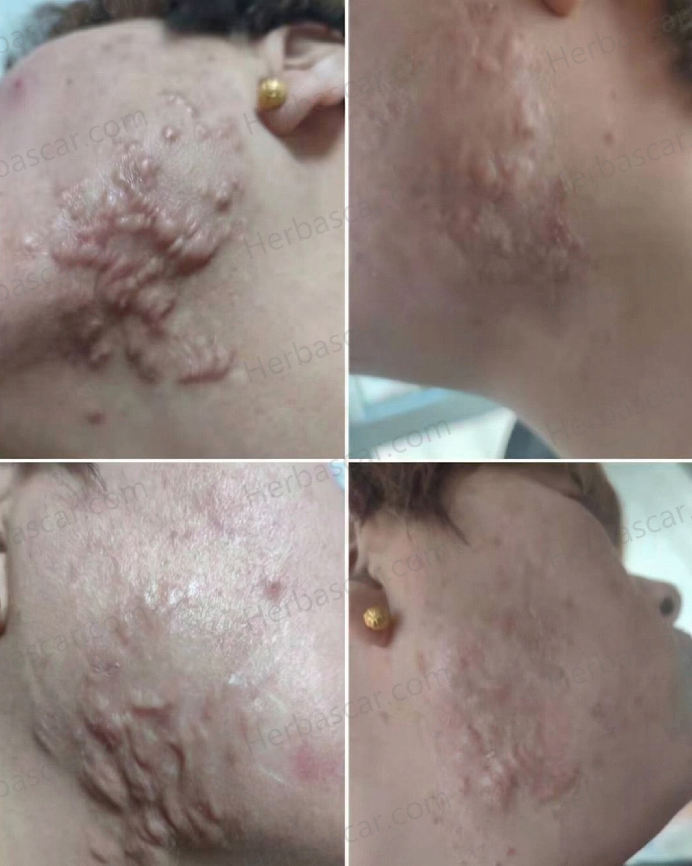
The first few weeks were challenging. Changes were subtle, and Ms. Li sometimes doubted whether it was working. She noticed small red patches or dryness on the scarred areas initially, which made her question if the treatment was suitable. Despite the anxiety, she maintained her routine faithfully.
After roughly one month, she began to see tangible improvements. The nodules slowly shrank, the hard spots softened, and the raised scars thinned. Adhesions that had previously restricted movement started to loosen. These early changes boosted her confidence and motivated her to continue.
By the second month, the results were remarkable. Nodules had visibly reduced, scars flattened further, and skin texture became noticeably smoother. Hard spots softened even more, and adhesions eased significantly. Her facial skin looked more even, and she felt comfortable engaging in social and professional activities again.
Throughout the process, Ms. Li appreciated the gentle, non-invasive nature of the treatment. Unlike injections or laser therapy, there was no risk of tissue damage, infection, or recurrence triggered by further irritation. The treatment allowed her skin to gradually repair and remodel naturally while she maintained her daily life routine.
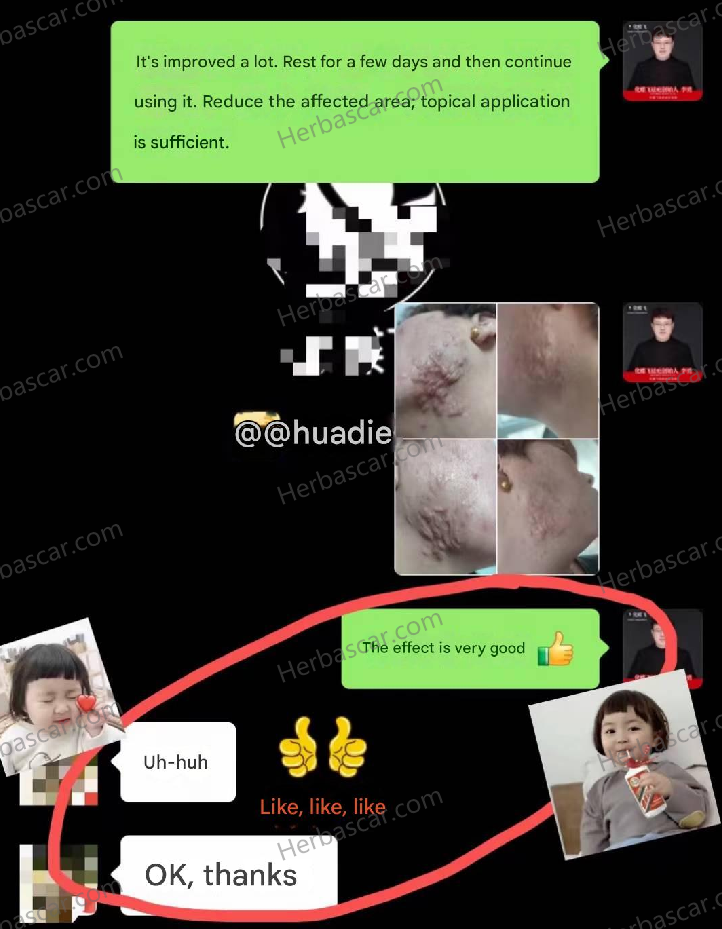
Her experience serves as encouragement for anyone facing long-term acne scars: persistence and the right approach can yield visible, lasting improvements.
Doctor’s Analysis: Why Herbal Scar Treatment Works and Daily Care Tips
From a clinical perspective, nodular acne scars are caused by excessive collagen deposition and fibrotic tissue formation during skin healing. Over time, these nodules can become thick, hard, and even adhere to underlying layers, making them difficult to treat. Conventional invasive methods—such as steroid injections, laser therapy, or surgical removal—can carry risks, including tissue damage, infection, nerve injury, and sometimes scar recurrence.
The herbal scar solution Ms. Li used, based on a centuries-old traditional Chinese medicine formula, works by promoting microcirculation within scar tissue, gradually softening and flattening nodules while inhibiting further scar hyperplasia. Over time, it helps restore the affected area closer to normal skin architecture. Because the treatment is non-invasive and free of harmful ingredients, it protects overall skin health while delivering results. Moreover, it can be applied at home, offering convenience without compromising safety.
In addition to treatment, daily skincare and lifestyle habits play an important role in managing acne scars:
- Skincare: Avoid harsh scrubs, alcohol-based toners, and overly abrasive exfoliation. Use gentle, non-comedogenic cleansers and moisturizers that support skin barrier repair. Sunscreen is critical, as UV exposure can darken scars and slow healing.
- Topical Support: Products containing mild anti-inflammatory or collagen-regulating ingredients (e.g., centella asiatica, niacinamide) can complement scar treatment.
- Diet: A balanced diet rich in fresh vegetables, fruits, and lean protein supports skin regeneration. Limiting excessive sugar, fried foods, and dairy may help reduce inflammation that can worsen acne scars.
- Lifestyle: Adequate sleep, stress management, and avoiding picking or squeezing blemishes are essential for preventing new scars and supporting ongoing scar improvement.
This case underscores a key principle: scar healing is a gradual process that benefits from a holistic approach. By combining a scientifically designed topical solution with careful daily skincare, a healthy diet, and protective habits, even long-standing nodular acne scars can be softened, flattened, and gradually restored to a more normal appearance.
Final Takeaway
Ms. Li’s journey highlights a critical insight: healing stubborn acne scars is not only about the treatment applied to the skin, but also about daily care, lifestyle, and patience. With the right combination of herbal therapy, skin-friendly routines, and supportive habits, even severe nodular scars can achieve meaningful and lasting improvement.
Leave a Reply