Introduction
For many parents, the hardest part of a child’s injury is not the wound itself — but what happens after it seems to “heal.” A child’s cut, especially on the face, can be particularly concerning for parents due to the risk of visible scarring and the desire for the best possible healing outcome.
The skin closes, the stitches are removed, everything looks stable… but then, a few days or weeks later, unexpected changes begin to appear: redness that doesn’t fade, slight swelling, or a small raised area forming along the scar line. For kids, who are naturally active and prone to scrapes and cuts, first aid is the immediate response to manage these injuries and set the stage for proper healing.
This is the stage where most anxiety and stress starts — because it is no longer about treating an injury, but about preventing a permanent mark.
The Background
A 3-year-old child accidentally fell during play and sustained a deep laceration on the nose, which required medical assessment to determine if the child’s wound needed stitches. While small cuts may only require cleaning and monitoring, deeper or more severe injuries often require sutures to ensure proper healing and minimize infection risk.
Due to the thin skin and high tension in the nasal area, this location is considered a high-risk region for visible scarring. In this case, the wound was closed using sutures, commonly referred to as child’s stitches, to promote optimal healing and reduce the risk of complications.
The final appearance of the scar is determined by several factors, including the quality of wound care, the body’s natural healing response, and how well the sutures were managed during recovery.
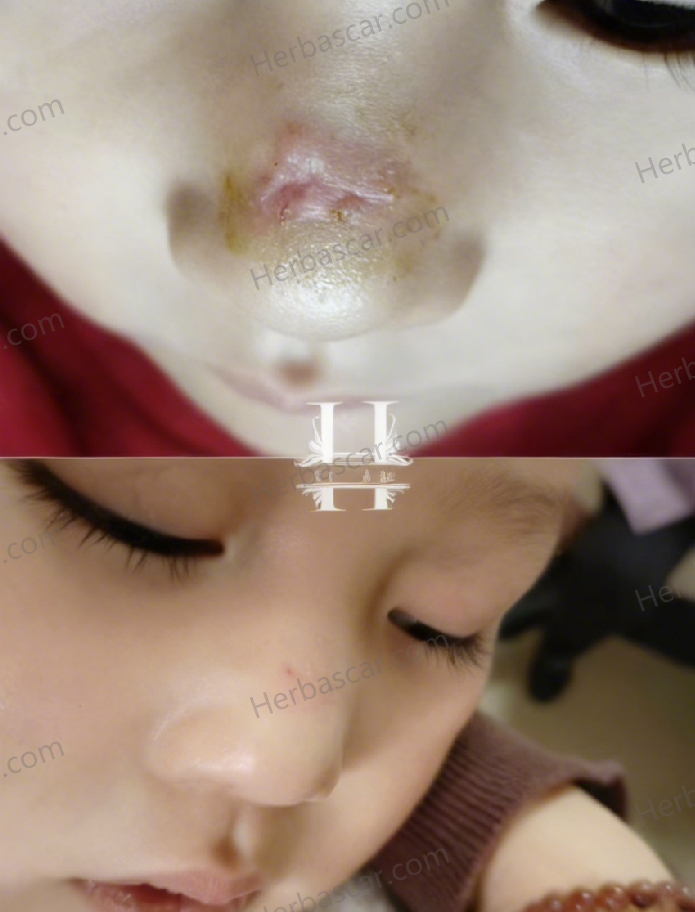
The wound area gradually developed redness, mild swelling, and slight elevation. At first, it was subtle, but over time the raised and red appearance became more obvious, especially on the nose where even small changes are noticeable. No matter how carefully the wound is treated, some scars may still become visible and persist despite best efforts.
Naturally, this led to growing concern from the parents, who feared the scar might not fade on its own and could become a permanent visible mark. The experience was not only painful for the child but also caused emotional trauma for both the child and parents.
Seeking Medical Attention
When your child experiences a cut or injury, knowing when to seek medical attention is crucial for both immediate safety and long-term scar prevention. If your child is bleeding heavily, the first step is to apply direct pressure to the wound using a clean gauze or cloth. Maintain enough pressure until the bleeding stops. If the bleeding persists or the wound is deep, gaping, or located on the face, consult your child’s doctor or a healthcare provider promptly—these injuries may require stitches, skin glue, or steri strips to ensure proper closure and minimize scarring.
Once the bleeding has stopped, it’s important to keep the area clean and dry. Gently wash the wound with mild soap and water, then pat dry. Apply a small amount of antibiotic ointment to help prevent infection, and cover the area with a sterile bandage. Avoid soaking the wound in water, as this can increase the risk of infection and delay healing.
After your child’s stitches are removed, follow your doctor’s instructions carefully. Sun protection is especially important—exposing a fresh scar to sun can make it more noticeable and increase redness. Use a broad-spectrum sunscreen or keep the area covered with clothing or a bandage when outdoors. Scar massage, performed gently with clean fingers, can help soften the tissue and reduce scarring over time. Your healthcare provider can demonstrate the proper technique and timing for scar massage.
Monitor the wound for any signs of infection, such as increased warmth, redness, swelling, or pain. If you notice any of these symptoms, or if the wound begins to gape open or bleed again, seek medical care immediately. In some cases, your child may need a tetanus shot, especially if the cut was caused by a dirty or rusty object and their immunization is not up to date.
Remember, every child’s skin heals differently, and early, attentive care can make a significant difference in the final appearance of a scar. By following your doctor’s instructions, keeping the area clean, and protecting the healing skin from sun exposure and irritation, you can help reduce the risk of infection and support optimal healing. If you are ever concerned about your child’s wound or scar, do not hesitate to reach out to your healthcare provider for guidance and reassurance.
The Child’s Wound Treatment Journey
After noticing that the scar became increasingly red and slightly raised following stitch removal, the parents decided not to wait and observe further. Instead, they began early intervention using our traditional herbal scar care product, following a structured and consistent routine. It is crucial to follow the doctor’s instructions for scar care after suture removal to ensure optimal healing and minimize complications.
At the beginning, the goal was not to aggressively remove the scar, but to stabilize the skin condition. At this stage, the wound had already closed on the surface, but internal healing activity was still ongoing. The child’s scar appeared pink and possibly thick at first, which is common after suture removal. Any irritation could potentially worsen scar formation.
During the first week, changes were subtle but important. The redness no longer appeared to deepen, and the tight, uncomfortable sensation in the area began to ease slightly. It is normal for a child’s scar to look red or raised initially, and this appearance often improves with time and proper care.
By the second week, the raised area gradually started to soften. The texture became less firm, and the redness shifted from a bright tone to a lighter shade.
By the third to fourth week, improvements became more stable and visible. The raised portion continued to flatten, the edges became less defined, and the scar started to blend more naturally with the surrounding skin. If there are any concerns after suture removal, parents should consult the child’s doctor for guidance and reassurance.
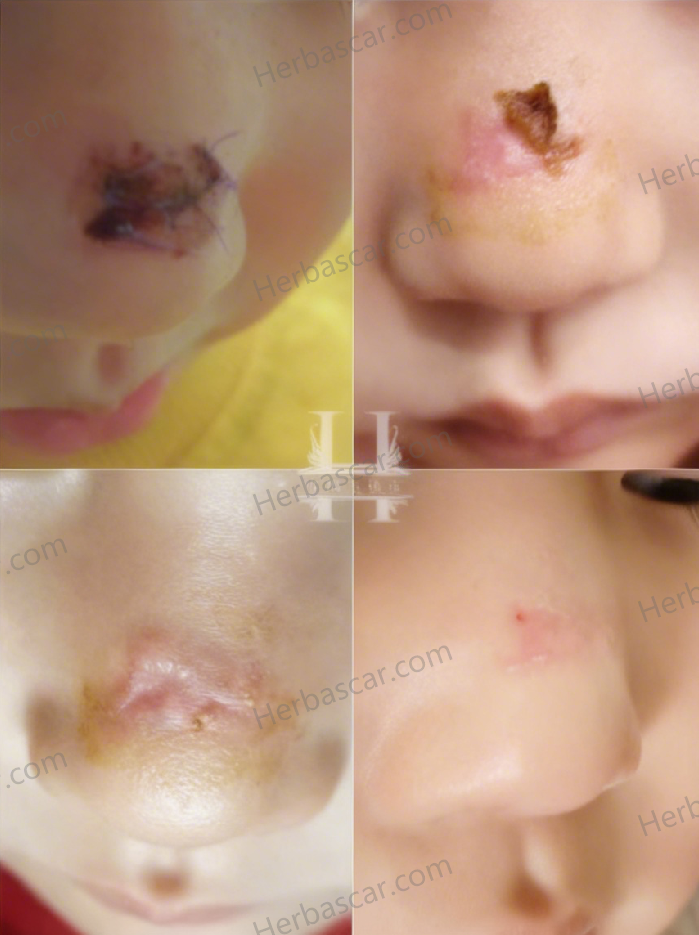
At around one month, the once noticeable red and raised scar on the nose had significantly flattened and lightened in color, leaving only a faint trace visible upon close inspection.
For the parents, the most important change was not complete disappearance, but the fact that the scar was clearly moving in the right direction — no longer progressing, but gradually improving.
Doctor’s Analysis
From a clinical perspective, post-suturing nasal scars in children require special attention due to the thin skin structure and high visibility of the area. In cases of facial injury, it is crucial to control blood loss and stop bleeding quickly to prevent complications and support optimal healing.
What appears after stitch removal — redness, mild swelling, and slight elevation — are typical signs of an active wound remodeling phase, particularly the proliferative stage of healing.
Many people mistakenly believe that once stitches are removed, healing is complete. In reality, this is one of the most critical periods in scar development.
During this phase, fibroblast activity remains high, and collagen is continuously produced to repair the tissue. If this process becomes excessive or disorganized, it can lead to hypertrophic (raised) scarring, which is especially common in children due to their strong healing response.
After stitch removal, several key factors significantly influence scar outcomes:
First, minimize irritation. Excess friction, frequent touching, sun exposure, or harsh topical products can prolong inflammation and worsen redness and swelling.
Second, reduce mechanical tension. The nasal area is highly dynamic, and facial movements or external pressure can stimulate further collagen deposition, increasing the risk of a raised scar.
Third, early but gentle intervention is important. This stage is not about aggressive treatment, but about guiding the healing process in a controlled and stable manner. Proper wound care includes cleaning the area thoroughly to remove any dirt or debris, which helps reduce infection risk and supports healthy tissue remodeling.
In severe cases, or when abnormal scarring develops, surgery may be considered as an intervention for scar revision or to address complications from the initial injury.
Finally, consistency is essential. Scar formation is a gradual process over weeks, and early-stage management often determines whether the final outcome is flat and subtle or raised and visible.
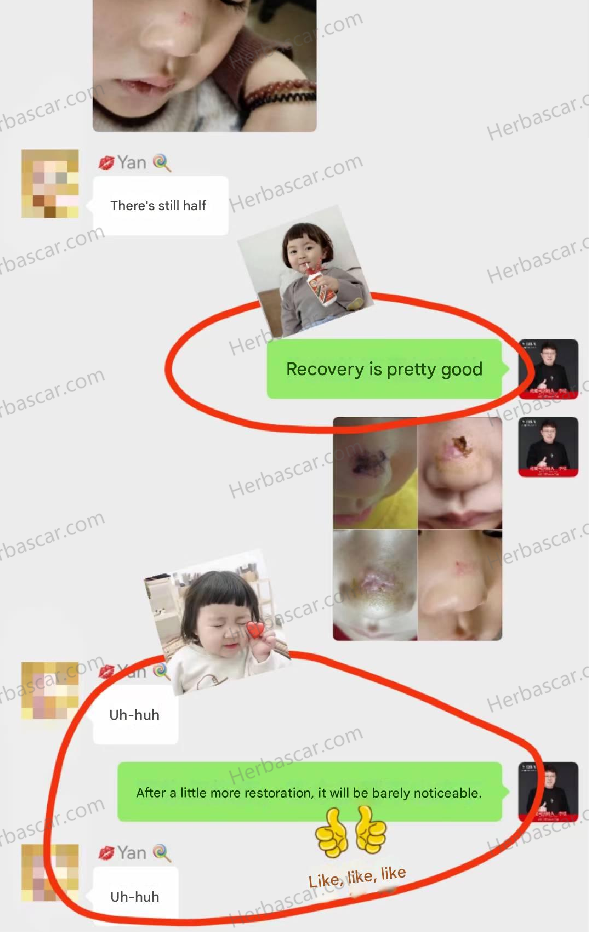
In this case, the improvement seen within one month reflects a key principle in scar management: when early abnormal healing signs are recognized and properly managed, the skin has a significantly better chance of remodeling in a favorable direction.
Leave a Reply