Author: Li Yong

  • Raised Burn Scar That Wouldn’t Flatten? When Tightness and Visibility Become Daily Stress

    Raised Burn Scar That Wouldn’t Flatten? When Tightness and Visibility Become Daily Stress

    Not all scars fade with time.

    For many people, especially those who have experienced burns, the healing process doesn’t end when the wound closes. Instead, the skin may gradually develop a raised, firm, and sometimes restrictive scar that lingers for years. These scars are not only a cosmetic concern—they can also affect how the skin feels and moves, becoming a constant physical reminder in everyday life.

    Emily’s case is a clear example of this often-overlooked reality.


    Patient Background & Struggles

    Emily, a 34-year-old from California, had been dealing with a burn scar on the back of her hand for years. Although the initial wound healed without complications, the recovery process led to the formation of a hypertrophic scar.

    Over time, the scar became noticeably raised, thick, and firm to the touch. More importantly, it developed a degree of tissue adhesion, which limited the natural flexibility of the skin in that area.

    What troubled her most was not just the appearance, but the sensation.

    Every time she moved her hand, she felt a persistent tightness and pulling, as if the skin were being restricted. It wasn’t sharp pain, but a constant discomfort that was hard to ignore. Because the scar was located on the back of her hand—an area that is almost always visible—it also became a source of self-consciousness.

    She had tried several common scar care products over time, but none brought noticeable improvement. Eventually, she began to believe that the scar had stabilized and that further change was unlikely.


    Treatment Journey
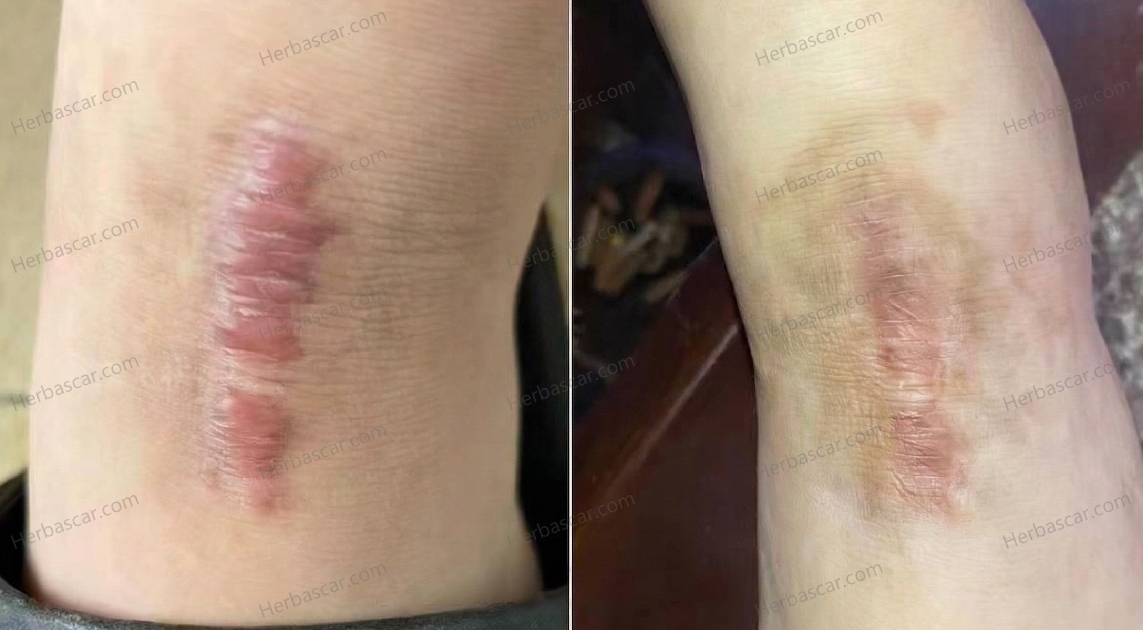
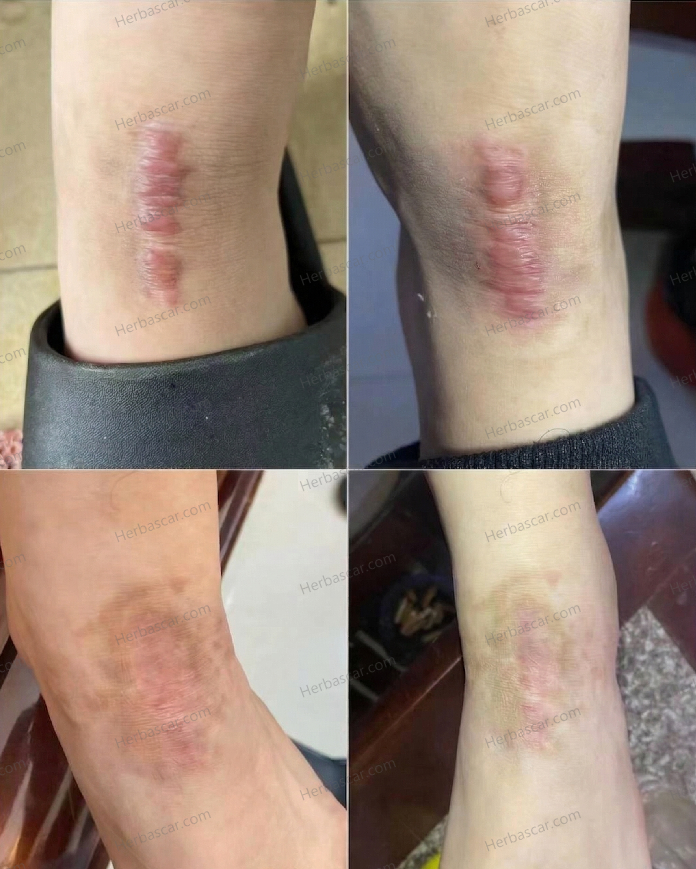
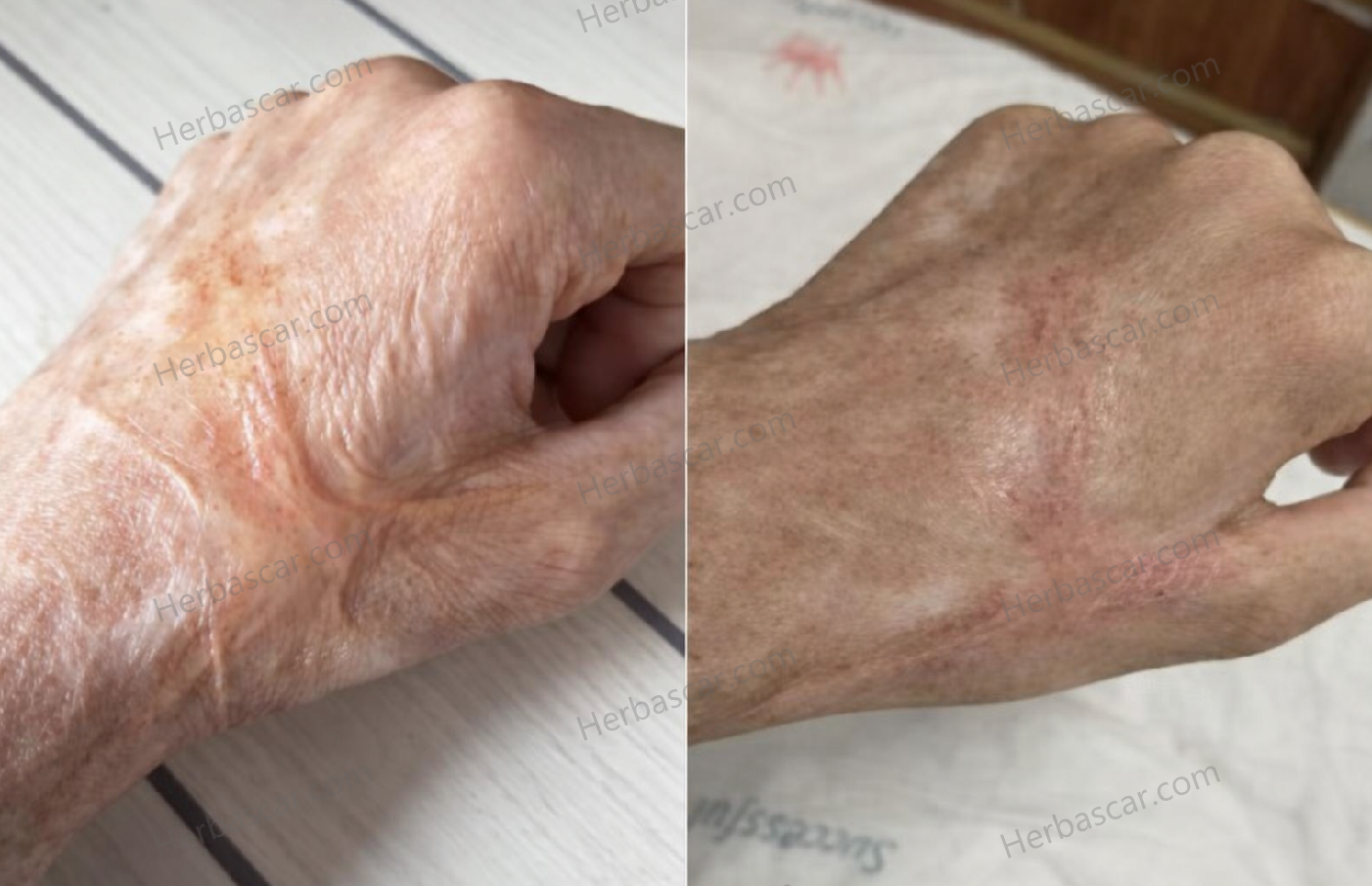
    Before-and-after comparison of a burn scar on the back of the hand
    Before-and-after comparison of a burn scar on the back of the hand

    With a mindset of “one last try,” Emily decided to try a topical herbal-based scar treatment.

    The application process was simple: consistent daily use on the affected area, allowing the skin to respond gradually in alignment with its natural renewal cycle. Since scar tissue typically remodels more slowly than normal skin, no immediate changes were expected in the beginning.

    However, the improvements, though gradual, became increasingly noticeable over time.

    She first observed subtle softening in the previously firm and raised tissue. The edges of the scar began to feel less rigid, and the overall texture slowly improved. As the tissue softened, the height of the scar reduced, and the surface appeared more even.

    At the same time, the tight, pulling sensation that had been present during hand movement started to ease. The skin felt less restricted, allowing for more natural motion without the constant awareness of discomfort.

    These changes did not occur overnight, but their consistency made a meaningful difference. Over time, both the appearance and the physical sensation of the scar improved.

    Later, Emily shared that she had not expected a herbal approach to produce such visible results, especially for a scar that had been present for so many years.


    Doctor’s Analysis

    From a clinical perspective, Emily’s condition is characteristic of a hypertrophic burn scar accompanied by tissue adhesion.

    Such scars result from excessive collagen deposition during the wound healing process. Instead of forming a balanced and organized structure, the collagen fibers accumulate in a dense and irregular manner. This leads to a raised, thickened appearance, along with reduced elasticity and increased firmness.

    Another important factor is impaired microcirculation within the scar tissue. Limited blood flow and reduced metabolic exchange can hinder the skin’s natural ability to remodel and repair itself, causing the scar to remain in a prolonged, suboptimal state.

    It is a common misconception that older scars are no longer capable of change. In reality, even mature scar tissue retains a degree of metabolic activity. With appropriate intervention, it is still possible to encourage gradual remodeling.

    The herbal-based topical approach used in this case works by supporting several key physiological processes. By promoting local microcirculation, it helps improve nutrient delivery and waste removal within the scar tissue. By softening fibrotic tissue, it reduces rigidity and thickness over time. Additionally, regulating abnormal collagen activity helps prevent further hypertrophic progression and encourages the scar to move toward a more normalized skin structure.

    Compared to invasive treatments such as surgical revision or injections, non-invasive topical care offers a different set of advantages. While procedures may provide more immediate structural changes, they also carry risks such as secondary scarring, infection, or nerve-related complications. A topical approach, on the other hand, prioritizes safety, supports the skin barrier, and allows for consistent, long-term management in a home setting.


    Scars that have been present for years are not necessarily beyond improvement.

    With a better understanding of how scar tissue behaves—and with consistent, appropriate care—it is possible for even long-standing scars to gradually become softer, flatter, and more comfortable, moving closer to the characteristics of normal skin over time.
  • A Stitched Cut on a 3-Year-Old’s Nose… Red, Raised Scar Appearing After Removal

    A Stitched Cut on a 3-Year-Old’s Nose… Red, Raised Scar Appearing After Removal

    Introduction

    For many parents, the hardest part of a child’s injury is not the wound itself — but what happens after it seems to “heal.” A child’s cut, especially on the face, can be particularly concerning for parents due to the risk of visible scarring and the desire for the best possible healing outcome.

    The skin closes, the stitches are removed, everything looks stable… but then, a few days or weeks later, unexpected changes begin to appear: redness that doesn’t fade, slight swelling, or a small raised area forming along the scar line. For kids, who are naturally active and prone to scrapes and cuts, first aid is the immediate response to manage these injuries and set the stage for proper healing.

    This is the stage where most anxiety and stress starts — because it is no longer about treating an injury, but about preventing a permanent mark.

    The Background

    A 3-year-old child accidentally fell during play and sustained a deep laceration on the nose, which required medical assessment to determine if the child’s wound needed stitches. While small cuts may only require cleaning and monitoring, deeper or more severe injuries often require sutures to ensure proper healing and minimize infection risk.

    Due to the thin skin and high tension in the nasal area, this location is considered a high-risk region for visible scarring. In this case, the wound was closed using sutures, commonly referred to as child’s stitches, to promote optimal healing and reduce the risk of complications.

    The final appearance of the scar is determined by several factors, including the quality of wound care, the body’s natural healing response, and how well the sutures were managed during recovery.

    The wound area gradually developed redness, mild swelling, and slight elevation. At first, it was subtle, but over time the raised and red appearance became more obvious, especially on the nose where even small changes are noticeable. No matter how carefully the wound is treated, some scars may still become visible and persist despite best efforts.

    Naturally, this led to growing concern from the parents, who feared the scar might not fade on its own and could become a permanent visible mark. The experience was not only painful for the child but also caused emotional trauma for both the child and parents.

    Seeking Medical Attention

    When your child experiences a cut or injury, knowing when to seek medical attention is crucial for both immediate safety and long-term scar prevention. If your child is bleeding heavily, the first step is to apply direct pressure to the wound using a clean gauze or cloth. Maintain enough pressure until the bleeding stops. If the bleeding persists or the wound is deep, gaping, or located on the face, consult your child’s doctor or a healthcare provider promptly—these injuries may require stitches, skin glue, or steri strips to ensure proper closure and minimize scarring.

    Once the bleeding has stopped, it’s important to keep the area clean and dry. Gently wash the wound with mild soap and water, then pat dry. Apply a small amount of antibiotic ointment to help prevent infection, and cover the area with a sterile bandage. Avoid soaking the wound in water, as this can increase the risk of infection and delay healing.

    After your child’s stitches are removed, follow your doctor’s instructions carefully. Sun protection is especially important—exposing a fresh scar to sun can make it more noticeable and increase redness. Use a broad-spectrum sunscreen or keep the area covered with clothing or a bandage when outdoors. Scar massage, performed gently with clean fingers, can help soften the tissue and reduce scarring over time. Your healthcare provider can demonstrate the proper technique and timing for scar massage.

    Monitor the wound for any signs of infection, such as increased warmth, redness, swelling, or pain. If you notice any of these symptoms, or if the wound begins to gape open or bleed again, seek medical care immediately. In some cases, your child may need a tetanus shot, especially if the cut was caused by a dirty or rusty object and their immunization is not up to date.

    Remember, every child’s skin heals differently, and early, attentive care can make a significant difference in the final appearance of a scar. By following your doctor’s instructions, keeping the area clean, and protecting the healing skin from sun exposure and irritation, you can help reduce the risk of infection and support optimal healing. If you are ever concerned about your child’s wound or scar, do not hesitate to reach out to your healthcare provider for guidance and reassurance.

    The Child’s Wound Treatment Journey

    After noticing that the scar became increasingly red and slightly raised following stitch removal, the parents decided not to wait and observe further. Instead, they began early intervention using our traditional herbal scar care product, following a structured and consistent routine. It is crucial to follow the doctor’s instructions for scar care after suture removal to ensure optimal healing and minimize complications.

    At the beginning, the goal was not to aggressively remove the scar, but to stabilize the skin condition. At this stage, the wound had already closed on the surface, but internal healing activity was still ongoing. The child’s scar appeared pink and possibly thick at first, which is common after suture removal. Any irritation could potentially worsen scar formation.

    During the first week, changes were subtle but important. The redness no longer appeared to deepen, and the tight, uncomfortable sensation in the area began to ease slightly. It is normal for a child’s scar to look red or raised initially, and this appearance often improves with time and proper care.

    By the second week, the raised area gradually started to soften. The texture became less firm, and the redness shifted from a bright tone to a lighter shade.

    By the third to fourth week, improvements became more stable and visible. The raised portion continued to flatten, the edges became less defined, and the scar started to blend more naturally with the surrounding skin. If there are any concerns after suture removal, parents should consult the child’s doctor for guidance and reassurance.

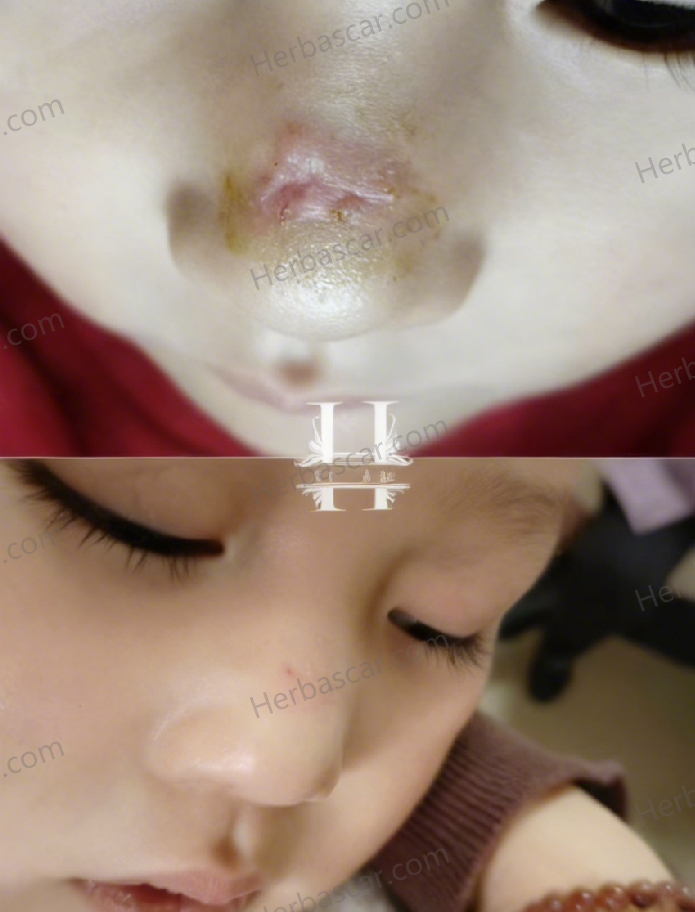
    Child injury sutured scar – before and after results using Herba Scar Care Solution.
    Child injury sutured scar – before and after results using Herba Scar Care Solution.

    At around one month, the once noticeable red and raised scar on the nose had significantly flattened and lightened in color, leaving only a faint trace visible upon close inspection.

    For the parents, the most important change was not complete disappearance, but the fact that the scar was clearly moving in the right direction — no longer progressing, but gradually improving.


    Doctor’s Analysis

    From a clinical perspective, post-suturing nasal scars in children require special attention due to the thin skin structure and high visibility of the area. In cases of facial injury, it is crucial to control blood loss and stop bleeding quickly to prevent complications and support optimal healing.

    What appears after stitch removal — redness, mild swelling, and slight elevation — are typical signs of an active wound remodeling phase, particularly the proliferative stage of healing.

    Many people mistakenly believe that once stitches are removed, healing is complete. In reality, this is one of the most critical periods in scar development.

    During this phase, fibroblast activity remains high, and collagen is continuously produced to repair the tissue. If this process becomes excessive or disorganized, it can lead to hypertrophic (raised) scarring, which is especially common in children due to their strong healing response.

    After stitch removal, several key factors significantly influence scar outcomes:

    First, minimize irritation. Excess friction, frequent touching, sun exposure, or harsh topical products can prolong inflammation and worsen redness and swelling.

    Second, reduce mechanical tension. The nasal area is highly dynamic, and facial movements or external pressure can stimulate further collagen deposition, increasing the risk of a raised scar.

    Third, early but gentle intervention is important. This stage is not about aggressive treatment, but about guiding the healing process in a controlled and stable manner. Proper wound care includes cleaning the area thoroughly to remove any dirt or debris, which helps reduce infection risk and supports healthy tissue remodeling.

    In severe cases, or when abnormal scarring develops, surgery may be considered as an intervention for scar revision or to address complications from the initial injury.

    Finally, consistency is essential. Scar formation is a gradual process over weeks, and early-stage management often determines whether the final outcome is flat and subtle or raised and visible.

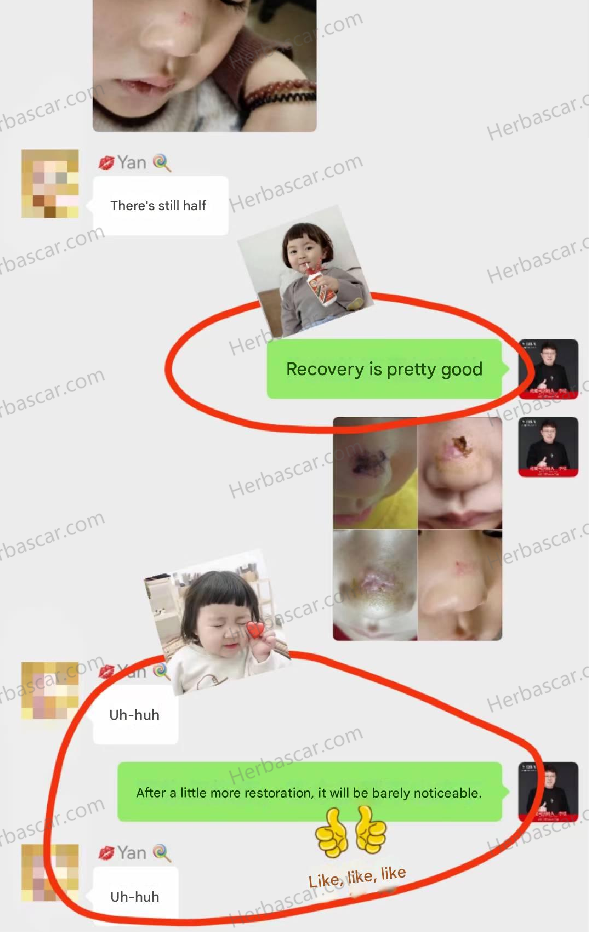
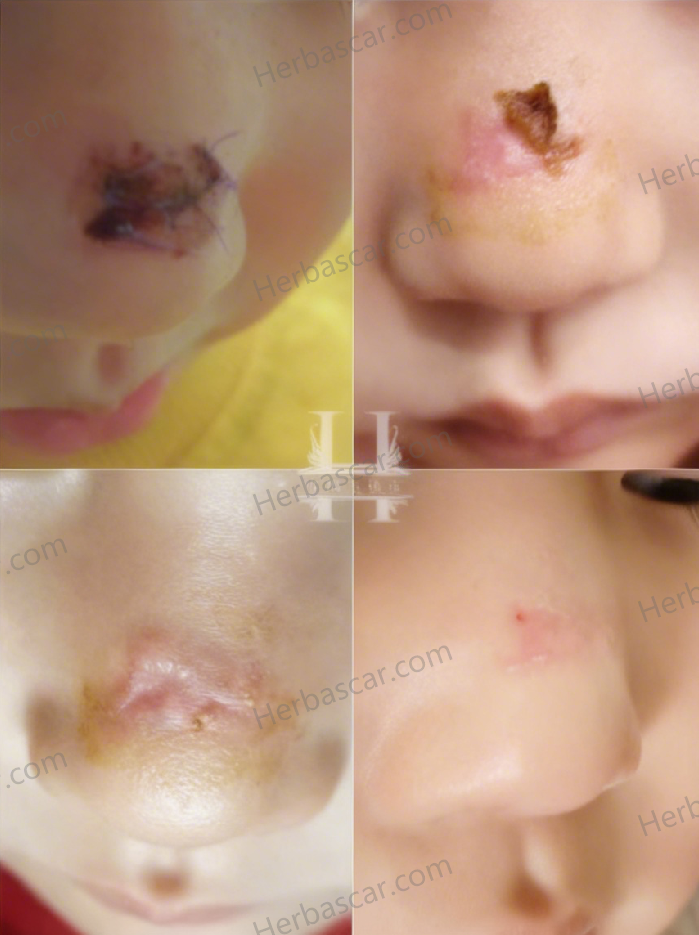
    A 3-year-old child’s injury scar after a nose accident, and parent feedback following use of Herba Scar Care Solution.
    A 3-year-old child’s injury scar after a nose accident, and parent feedback following use of Herba Scar Care Solution.

    In this case, the improvement seen within one month reflects a key principle in scar management: when early abnormal healing signs are recognized and properly managed, the skin has a significantly better chance of remodeling in a favorable direction.

  • How Did Emily Finally Soften and Flatten a Raised, Dark Keloid After Shingles Healed?

    How Did Emily Finally Soften and Flatten a Raised, Dark Keloid After Shingles Healed?

    For many people, shingles is something you treat, recover from, and move on. The pain subsides, the skin heals, and life returns to normal. But for some, healing doesn’t truly end there. Even after proper medical treatment, the skin can take a different path — one that leads to persistent scarring instead of recovery.


    The Background: From Treated Shingles to Secondary Keloid

    Customer Profile:
    Emily, 37, from California, USA.

    History:
    Emily developed shingles and underwent proper medical treatment. With time and care, the active phase of the condition was brought under control — the pain eased, the inflammation subsided, and the affected skin gradually closed. From a clinical standpoint, the shingles had resolved.

    However, several weeks after recovery, the area began to change in a way she didn’t expect. Instead of returning to normal skin, the healed region slowly became raised and firm. What started as a flat surface gradually turned into abnormal scar tissue.

    Symptoms:
    The area eventually developed into a secondary keloid scar, showing clear signs of overactive scar formation. The skin became visibly raised, thickened, and darker than the surrounding area. The texture felt tight and slightly rigid, and the scar did not show any sign of fading over time.

    Emily first tried several topical scar creams and ointments, hoping for gradual improvement. When these failed to deliver noticeable results, she began researching more advanced options such as laser therapy, steroid injections, and surgical removal.

    However, considering her history of shingles — where the skin and underlying nerves had already been affected — she became cautious. She was concerned that aggressive or invasive treatments might overstimulate the area, potentially leading to irritation, complications, or even worsening of the scar.

    Because of this, she chose to avoid highly刺激性的 interventions and instead continued looking for a gentler, non-invasive approach. Unfortunately, the initial topical products she tried still showed little to no effect, which left her feeling frustrated and discouraged.


    The Treatment Journey: From Low Expectations to Steady Change

    After repeated disappointments, Emily came across a topical herbal scar treatment. At that point, she didn’t expect dramatic results — she simply hoped for some level of improvement.

    She began using it consistently.

    What surprised her was how quickly subtle changes started to appear. After just one metabolic cycle, the scar began to respond. The previously hardened tissue started to soften, and the raised surface no longer felt as tense and rigid.

    As she continued the application over the following weeks, the improvements became more noticeable. The thickness of the keloid gradually reduced, and the overall size began to shrink. The skin looked less uneven, and the darker tone slowly started to blend more naturally with the surrounding area.

    Treatment progress photos of secondary keloid scars.
    Treatment progress photos of secondary keloid scars.

    After three months of consistent use, the scar had significantly flattened and the surface became much smoother. The previously rigid, raised tissue now lay almost even with the surrounding skin. Emily’s relief was immense — the scar was no longer a constant reminder, and her skin had regained a more natural appearance.

    Most importantly, the changes were stable and progressive rather than temporary. There was no irritation during use, no discomfort, and no disruption to her daily life.


    Doctor’s Analysis: Keloid Formation After Shingles & Why Gentle Treatment Matters

    From a medical perspective, shingles (herpes zoster) is not just a superficial skin condition. It involves inflammation along the nerves and can significantly affect the surrounding skin tissue. Even after proper treatment and resolution of the active infection, the affected area may remain in a sensitive and unstable state for some time.

    In certain individuals, especially those prone to abnormal scar formation, this post-inflammatory environment can trigger excessive collagen production during healing. This is how a secondary keloid scar may develop after shingles — not because the condition wasn’t treated, but because the skin’s repair response becomes dysregulated.

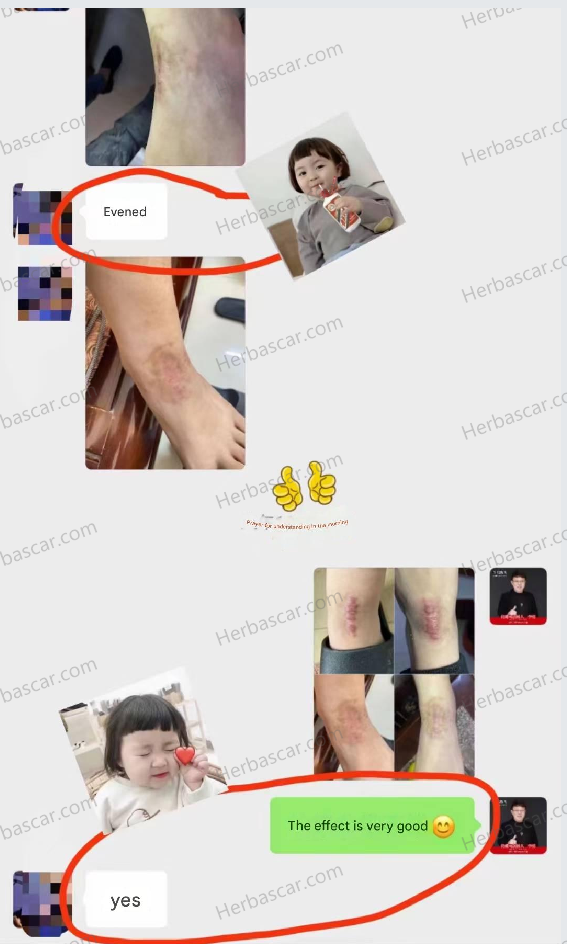
    Real patient feedback after using Herba Scar Removal Solution.
    Real patient feedback after using Herba Scar Removal Solution.

    In such cases, treatment strategy becomes especially important.

    Aggressive methods like surgery, injections, or laser therapy can sometimes provide results, but they also introduce additional stimulation to already sensitive skin. For post-shingles areas, this may increase the risk of irritation, delayed healing, or even recurrence of abnormal scar growth.

    The approach used in Emily’s case follows a different principle. Based on a traditional herbal formulation with a long history of application, this method focuses on gradually restoring balance within the scar tissue. By improving local microcirculation and supporting the skin’s metabolic process, it helps soften dense fibrotic structures and regulate excessive collagen deposition.

    Over time — in Emily’s case, after three months of consistent use — the scar flattened and stabilized, moving closer to the structure of normal skin. Unlike invasive treatments, this method does not rely on damaging or removing tissue, contains no added hormones or harmful substances, and is safer for long-term use. Its convenience for at-home application also allows for steady care without stressing the skin further.


    Final Takeaway

    When scars develop after conditions like shingles, the challenge is not just how to treat them — but how to do so without causing further harm to already sensitive skin.

    Emily’s experience shows that avoiding overly aggressive interventions and choosing a steady, non-invasive approach can lead to meaningful, lasting improvement. Real recovery may take time — in her case, three months — but with the right method, the skin can gradually regain a smoother, more natural state.

  • Cat Scratch Turned Into a Raised Scar? How a 6-Year-Old Girl Finally Flattened It Before It Became Permanent

    Cat Scratch Turned Into a Raised Scar? How a 6-Year-Old Girl Finally Flattened It Before It Became Permanent

    Introduction

    For many parents, a small scratch on a child’s skin rarely feels like something serious. Children are naturally active, and minor injuries are part of growing up. Most of the time, these wounds heal quickly and fade without leaving a trace.

    However, what many people don’t realize is that not all wounds heal in the same way. In some cases—especially when the skin is repeatedly irritated or the repair process becomes unbalanced—a simple scratch can gradually develop into a raised scar.

    This is exactly what happened to Emma.


    The Background: From a Playful Moment to a Visible Scar

    Customer Profile:
    Emma, a 6-year-old girl from California, USA, cheerful, energetic, and a big animal lover.

    History:
    One day, while playing with a neighbor’s cat, Emma was accidentally scratched on her arm. At the time, the wound didn’t seem serious. Like most parents would, her family simply cleaned the area and expected it to heal on its own.

    The surface of the skin did close within a few days—but the deeper healing process didn’t go as expected.

    Symptoms:
    Soon after the wound healed, the skin began to change. Instead of becoming flat and smooth, the area gradually turned red and slightly raised. Over time, it thickened further, forming a typical hypertrophic scar.

    From a medical standpoint, this happens when the body produces too much collagen during healing. Collagen is essential for repairing damaged skin, but when it is overproduced and not properly regulated, it can accumulate and push the skin upward, creating a raised and firm texture.

    Emma’s scar became increasingly noticeable. It felt slightly hard to the touch and stood out clearly against her surrounding skin.

    As time passed, she became more aware of it. She started avoiding short sleeves and would instinctively try to cover her arm, even though no one had said anything to her.

    Her mom tried several common treatments, including over-the-counter scar creams, but the results were minimal. The scar remained raised, red, and persistent—showing typical signs of an early-stage hypertrophic scar that, if left unmanaged, could become more stable and difficult to treat over time.


    The Treatment Journey: A Gentle Change That Made a Big Difference

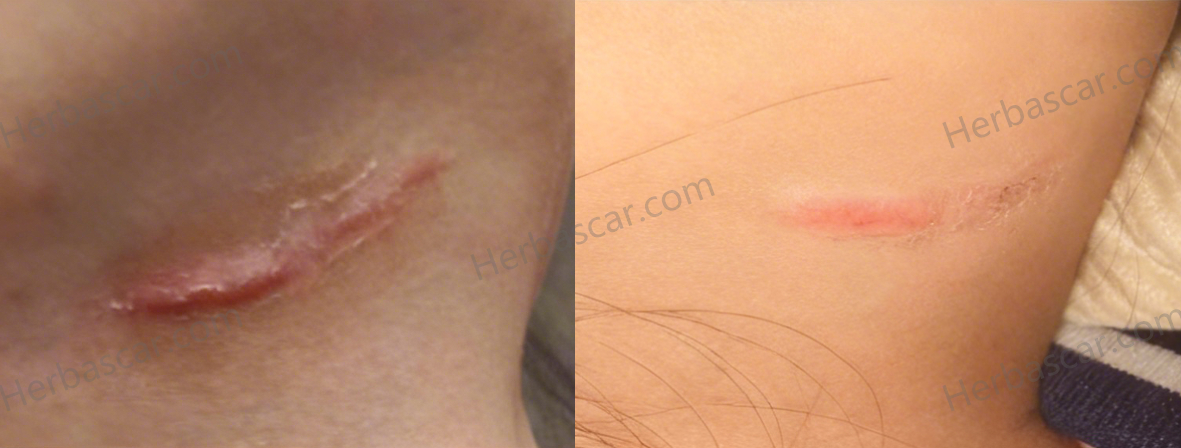
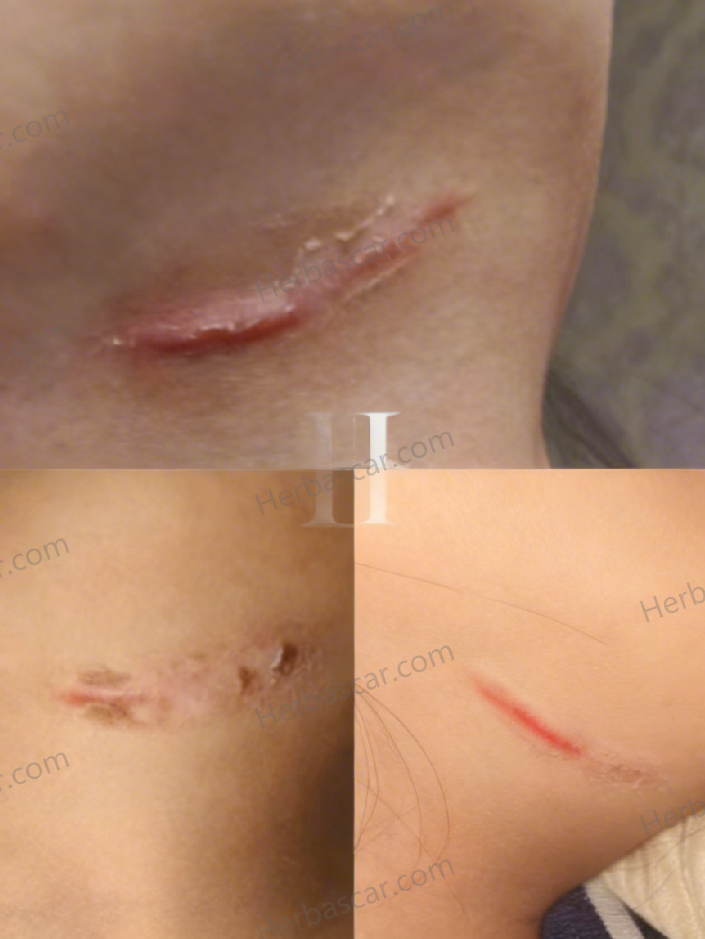
    Before and after comparison of a neck hypertrophic scar
    Before and after comparison of a neck hypertrophic scar

    After trying different options without success, Emma’s mom decided to try a herbal scar removal solution. At that point, she wasn’t expecting dramatic changes—just hoping it might help a little.

    But the results began to show sooner than she imagined.

    Not long after starting consistent use, the scar began to soften. This is actually an important early sign—because as scar tissue softens, it indicates that the dense collagen structure is starting to loosen.

    As the days went by, the raised area gradually became less prominent. The redness started to fade, and the surface of the skin appeared smoother.

    From a skin-repair perspective, this stage reflects a shift from excessive repair → balanced remodeling, where the skin begins to reorganize collagen in a more orderly way.

    With continued application, the improvement became more and more visible. The scar slowly flattened, and its texture blended better with the surrounding skin.

    What stood out most was how gentle the process felt. There was no irritation, no discomfort, and no disruption to Emma’s daily routine—something especially important for a young child.

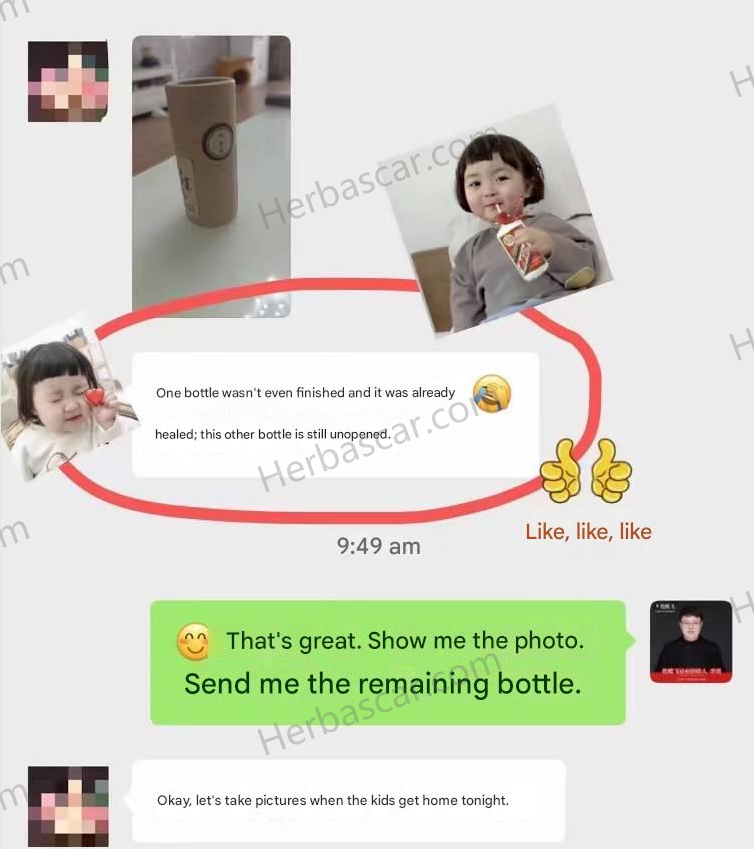
    Before even finishing one full bottle, the scar had already flattened significantly and was barely noticeable.

    Emma gradually regained her confidence, happily wearing short sleeves again without hesitation. For her mom, that small change meant everything.

    During the healing process, there was a minor setback. Emma accidentally knocked off a scab while playing at school, which caused temporary redness.

    Real patient feedback after using Herba scar removal serum
    Real patient feedback after using Herba scar removal serum

    From a dermatological perspective, this is quite common. When a scab is removed prematurely, the underlying new skin is still fragile and more prone to redness. Fortunately, as long as the area is properly cared for, this type of redness usually fades naturally and does not affect the overall healing outcome.


    Doctor’s Analysis: Why Gentle, Non-Invasive Treatment Worked

    Hypertrophic scars are essentially the result of an overactive healing response. The body continues producing collagen even after the wound has closed, leading to a raised and thickened appearance.

    In children, this process can be even more dynamic. Their skin heals quickly, but that rapid regeneration can sometimes increase the risk of over-repair, especially if the wound is subjected to friction, scratching, or repeated irritation.

    The approach used in this case is based on a traditional herbal formulation with over a century of application history. Rather than aggressively removing or suppressing the scar, it works by gently regulating the skin’s internal environment.

    With consistent topical use, it helps improve microcirculation within the scar tissue, allowing nutrients and metabolic byproducts to move more efficiently. At the same time, it gradually softens the dense fibrotic structure and supports the natural remodeling of collagen.

    In simpler terms, it helps the skin “correct” the over-repair process, guiding it back toward a more normal state.

    This is fundamentally different from invasive treatments such as injections or surgical removal. While those methods aim for faster visible changes, they may also introduce additional trauma to the skin. In some cases, this can increase the risk of recurrence, secondary scarring, or complications like infection and nerve irritation.

    By contrast, this herbal approach contains no added hormones or harmful ingredients, making it suitable for sensitive skin, including children. It focuses on long-term stability rather than short-term intervention, reducing the likelihood of rebound while protecting overall skin health.

    Another important advantage is practicality. Since the treatment can be done entirely at home, it reduces both the physical and emotional burden on the child, making it easier to maintain consistency—which is crucial for scar improvement.


    Final Takeaway

    Scars don’t always come from major injuries. Sometimes, even a small scratch can develop into something more noticeable if the healing process becomes unbalanced.

    The key is not just treating the surface—but understanding how the skin repairs itself.

    This case shows that with the right approach, even a raised scar in its early stage can be guided toward a smoother, more natural recovery—gently, safely, and effectively.

  • How Emily Naturally Flattened Her Raised Tattoo Keloid Scars

    How Emily Naturally Flattened Her Raised Tattoo Keloid Scars

    “I thought scars were permanent… until I discovered a natural way to smooth my skin at home.”
    Many people who love tattoos face a similar dilemma: removing ink can sometimes leave behind raised, uneven scars that are harder to hide than the original tattoo. Emily’s story shows how consistent, gentle care can truly transform stubborn scars without surgery or injections.

    The Background: From Tattoo Fun to Unwanted Scars

    Customer Profile:
    Emily, 28, from California, USA, has always been a fan of tattoos. They were her way of expressing herself and her creativity. But after a tattoo removal session, she didn’t just lose the ink—she gained something far more frustrating: two noticeable scars, one under her collarbone and one on her wrist.

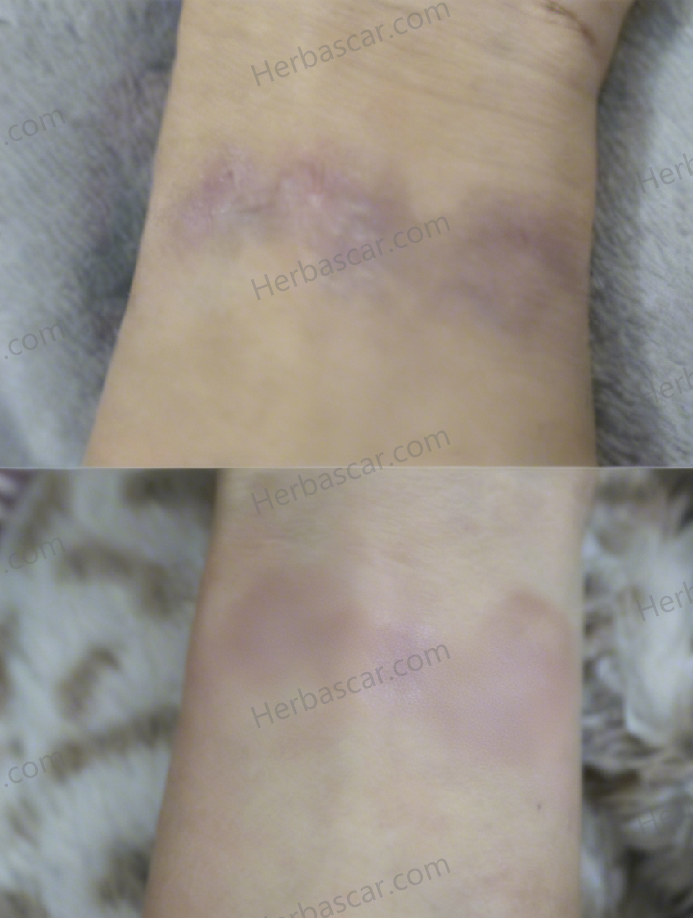
    Scarring on the chest under the collarbone after tattoo removal.
    Scarring on the chest under the collarbone after tattoo removal.

    History:
    Initially, Emily thought the scars were minor and would fade on their own. She tried various creams and treatments, hoping for a quick fix, but nothing seemed to work. Every time she looked in the mirror, the raised, uneven scars reminded her of the removal procedure. She avoided wearing tank tops or any clothes that would reveal her scars, feeling self-conscious in social situations and frustrated with her own skin.

    Symptoms:
    The scars were raised, uneven, and textured differently from surrounding skin—classic signs of stubborn post-tattoo scarring. They caused physical discomfort at times, but the emotional impact was even greater. Emily’s confidence took a hit, and she longed for a solution that could restore her skin without invasive procedures.


    The Treatment Journey: From Skepticism to Real Results

    Scar formation on the wrist following tattoo removal.
    Scar formation on the wrist following tattoo removal.

    Everything changed when a friend recommended a herbal ScarRemoval solution. At first, Emily was skeptical. Could a natural, topical treatment really make a difference after weeks of failed attempts?

    She decided to give it a try. Over the next 20+ days, she applied the herbal formula consistently, following the simple home routine. Gradually, the scars began to change. After the natural scab shedding process, Emily noticed that the previously raised areas were visibly flattening, and the skin became smoother and more even.

    The transformation surprised her. Within a few weeks, the scars were no longer prominent. Emily’s confidence returned, and she could finally wear her favorite outfits again without worrying about exposing her skin. She exclaimed, “I never thought herbal treatment could be this effective—it’s a lifesaver!”

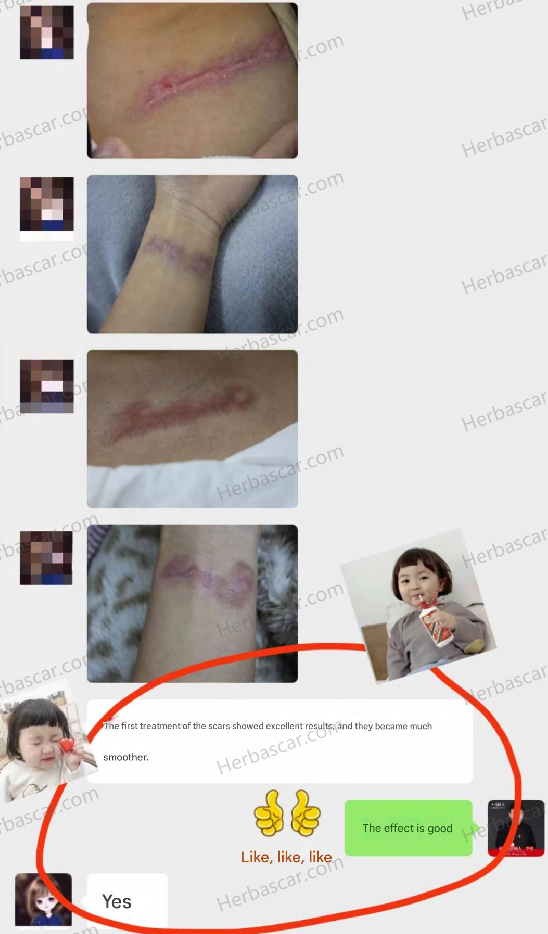
    Feedback from patients who applied Herba Scar Removal on tattoo removal scars.
    Feedback from patients who applied Herba Scar Removal on tattoo removal scars.

    The process was completely non-invasive, pain-free, and could be done at home, avoiding the stress, risks, and downtime associated with surgical or injection-based methods.


    Doctor’s Analysis: Why This Herbal Approach Works

    From a medical perspective, tattoo scars—especially those raised or uneven—are often the result of fibrotic tissue formation and microcirculation disruption. Traditional invasive treatments, like surgery or injections, may remove scar tissue but can also carry risks such as infection, nerve damage, and further scar formation.

    The herbal ScarRemoval solution Emily used is based on a centuries-old traditional Chinese medicine formula, designed to promote microcirculation in scar tissue, soften and smooth raised areas, and inhibit further scar proliferation. It works gently, supporting the skin’s natural metabolism to gradually restore normal texture without damaging surrounding tissue.

    Importantly, this treatment contains no harmful chemicals or hormones, meaning there’s minimal risk of rebound scar growth, and it protects overall skin health. Its home-use convenience makes it accessible, safe, and effective, particularly for people with stubborn scars who want a non-invasive, long-term solution.

    By addressing the root causes of scar tissue development rather than only masking symptoms, this approach demonstrates that consistent, gentle care can produce real, lasting results—just as Emily experienced.

  • How One Woman Healed a Stubborn Hypertrophic Toe Keloid Scar Naturally

    How One Woman Healed a Stubborn Hypertrophic Toe Keloid Scar Naturally

    Summer is meant for sandals, sunshine, and carefree steps. But for one young woman, it became a season of worry. A small injury near her little toe developed into a hypertrophic scar—thick, itchy, and gradually growing larger. What should have been a minor inconvenience turned into a source of stress, affecting her mobility, confidence, and even her ability to enjoy summer footwear. Her journey to restoring healthy, smooth skin is not just about scar treatment—it is a story of patience, consistent care, and reclaiming self-assurance.


    The Background: From Foot Injury to Anxiety Over Open Shoes

    A young woman in her twenties experienced a minor injury near her little toe. Initially, she assumed it would heal on its own. However, after the wound closed, abnormal scar tissue started forming. Over time, the scar became firm, raised, and itchy. Its location made conventional interventions such as laser therapy, steroid injections, or surgery problematic, as these treatments could risk further damage or recurrence in such a delicate area. The thought of wearing open shoes became a source of anxiety, and everyday walking was uncomfortable due to pain and tension.


    The Treatment Journey: Patience and Gradual Transformation

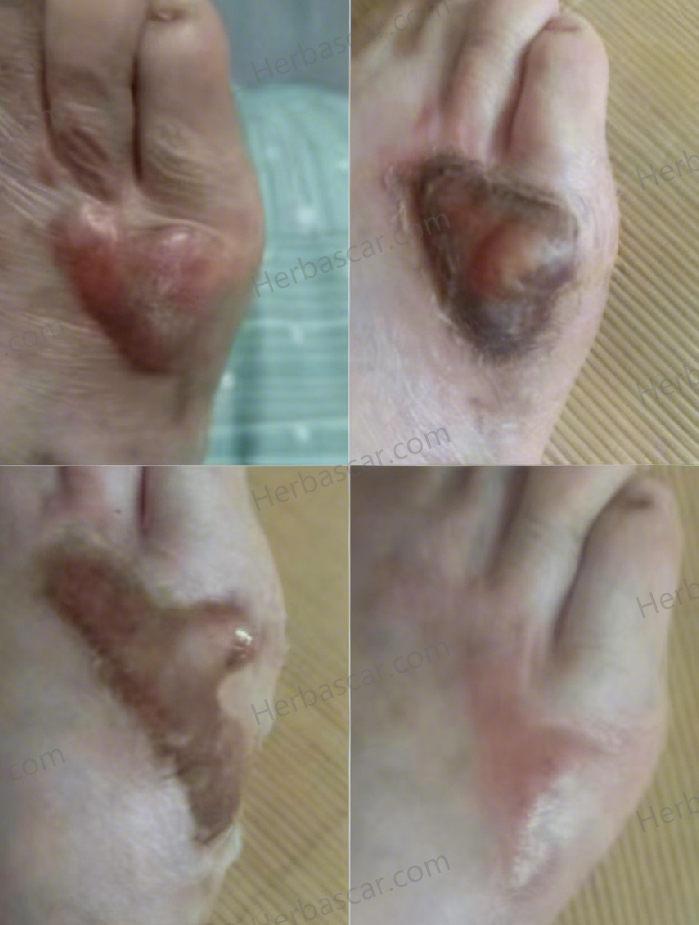
    Faced with limited options, she opted for a traditional herbal scar-removal solution recommended by her doctor. Applying it was initially challenging because walking in shoes daily limited absorption and slowed metabolism, but she remained consistent.

    Within a few days, the scar started to soften, and tension eased. Over several weeks, the thick, raised tissue gradually became thinner and smaller. It lost its rigidity, itching diminished, and the overall texture improved. After just over a month, the transformation was remarkable: the scar was visibly reduced, and she regained confidence to wear sandals comfortably.

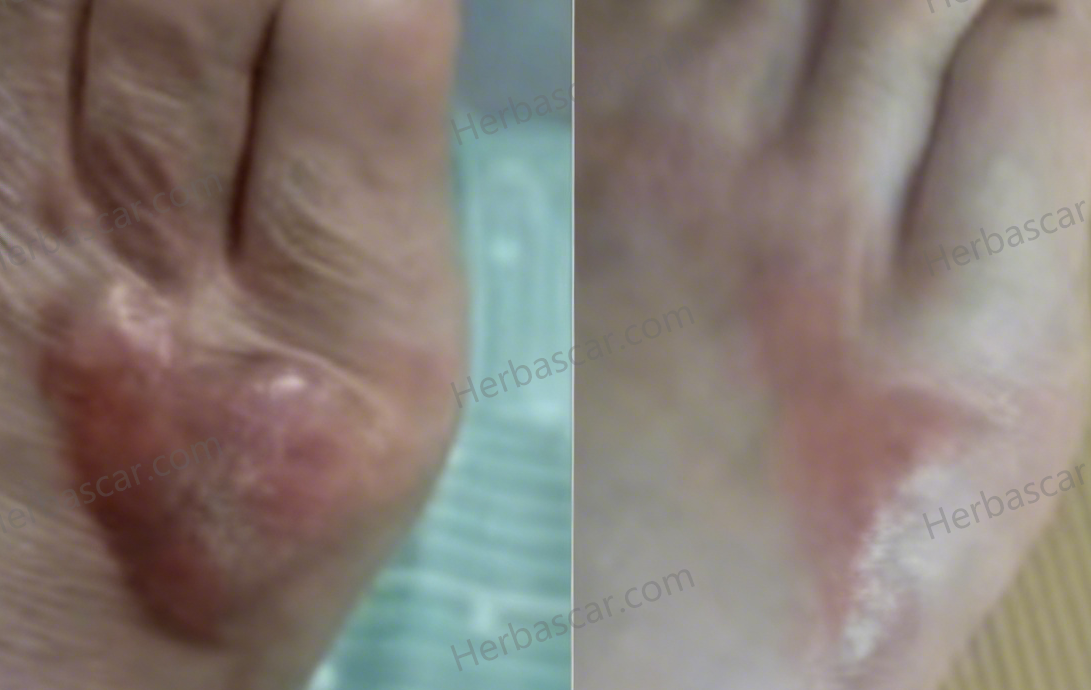
    Comparison of a toe hypertrophic scar pre- and post-treatment.
    Comparison of a toe hypertrophic scar pre- and post-treatment.

    Her experience demonstrates that scar management is often less about rapid change and more about steady, consistent care over time, especially in sensitive areas.


    Doctor’s Analysis: Why This Approach Worked

    The topical herbal solution used in this case is formulated according to a centuries-old traditional Chinese medicine recipe. Its mechanism focuses on improving microcirculation, softening fibrotic tissue, regulating collagen deposition, and gradually restoring the scar closer to normal skin texture. It contains no harmful ingredients and can be safely applied at home, making it ideal for delicate areas where invasive treatments may carry higher risks.

    From a broader scientific perspective, hypertrophic scars form when fibroblasts become overactive, producing excessive collagen during the wound-healing process. This leads to dense, raised, and often itchy tissue that can extend beyond the original injury. Such scars are particularly prone to occur in areas exposed to friction, tension, or repeated minor trauma, like toes, fingers, or underarms.

    Scar tissue differs from normal skin in several ways: it has abnormal vascularization, resulting in redness and itchiness, and the collagen fibers are densely packed and disorganized, which contributes to rigidity. Without proper management, hypertrophic scars can persist for months or even years, sometimes worsening if the area is irritated or repeatedly traumatized.

    Non-invasive care works by supporting natural tissue remodeling. Gentle, consistent application helps gradually realign collagen fibers, improve local blood circulation, and promote balanced tissue metabolism. This reduces thickness, softens the scar, and prevents excessive proliferation without introducing secondary trauma.

    Understanding these mechanisms highlights why patience, daily care, and avoiding repeated irritation are essential in scar management. Aggressive interventions may appear faster but carry risks such as infection, pigment changes, nerve injury, or recurrence, especially in delicate or high-movement areas.


    Final Takeaway

    Even minor injuries can leave hypertrophic scars that affect not only comfort and mobility but also self-confidence. In delicate areas where invasive treatments carry higher risks, gentle, consistent, non-invasive herbal therapy offers a safe and effective path for improvement. Beyond visibly reducing thickness, softness, and itchiness, this approach works with the skin’s natural healing processes, gradually restoring normal tissue structure.

    For patients, this means more than just improved appearance—it means reclaiming confidence, comfort, and freedom in daily life. A small, persistent scar no longer has to dictate your choices or limit your activities; with the right approach, it can gradually become a manageable part of your skin’s healing journey.

  • How a Young Woman Healed Her Raised Hairline Scar Without Surgery

    How a Young Woman Healed Her Raised Hairline Scar Without Surgery

    The Background: Unexpected Scarring After Hairline Surgery

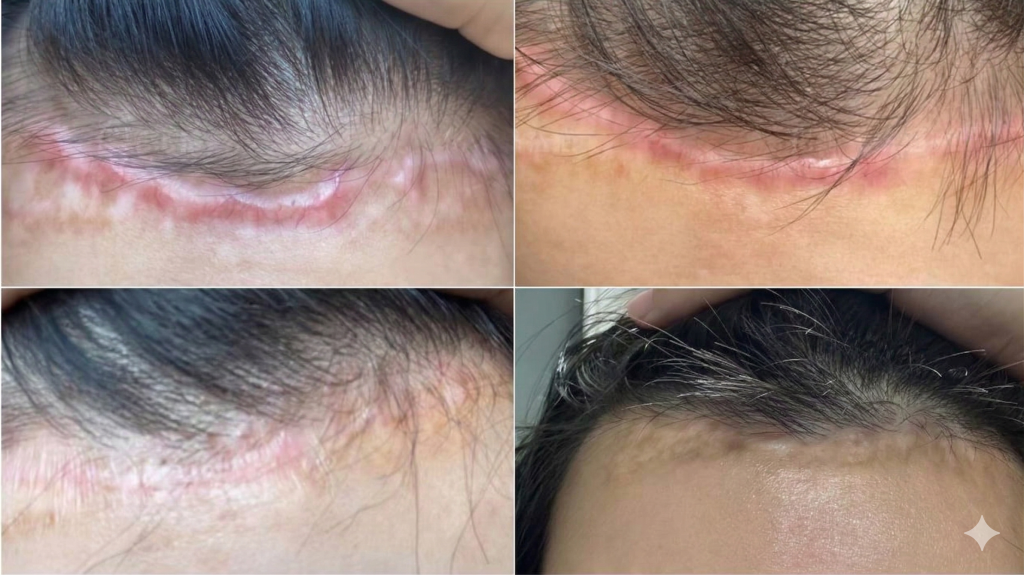
    A 29-year-old junior colleague at a traditional Chinese medicine hospital decided to undergo hairline-lowering surgery, expecting a simple and straightforward procedure. Initially, everything seemed routine, but after the incision healed, she was shocked to find a raised, noticeable scar. Hoping to improve the appearance, she even underwent a second surgery, but instead of flattening, the scar became thicker, more prominent, and discolored, drawing concern even from her coworkers.

    This left her anxious and frustrated. She understood that conventional interventions, like surgical revision or injections, carry unpredictable outcomes and potential complications, particularly in sensitive areas like the hairline. She wanted a safe, effective, and convenient solution that could fit into her busy hospital schedule.


    The Treatment Journey: Early Improvements with Herbal Care

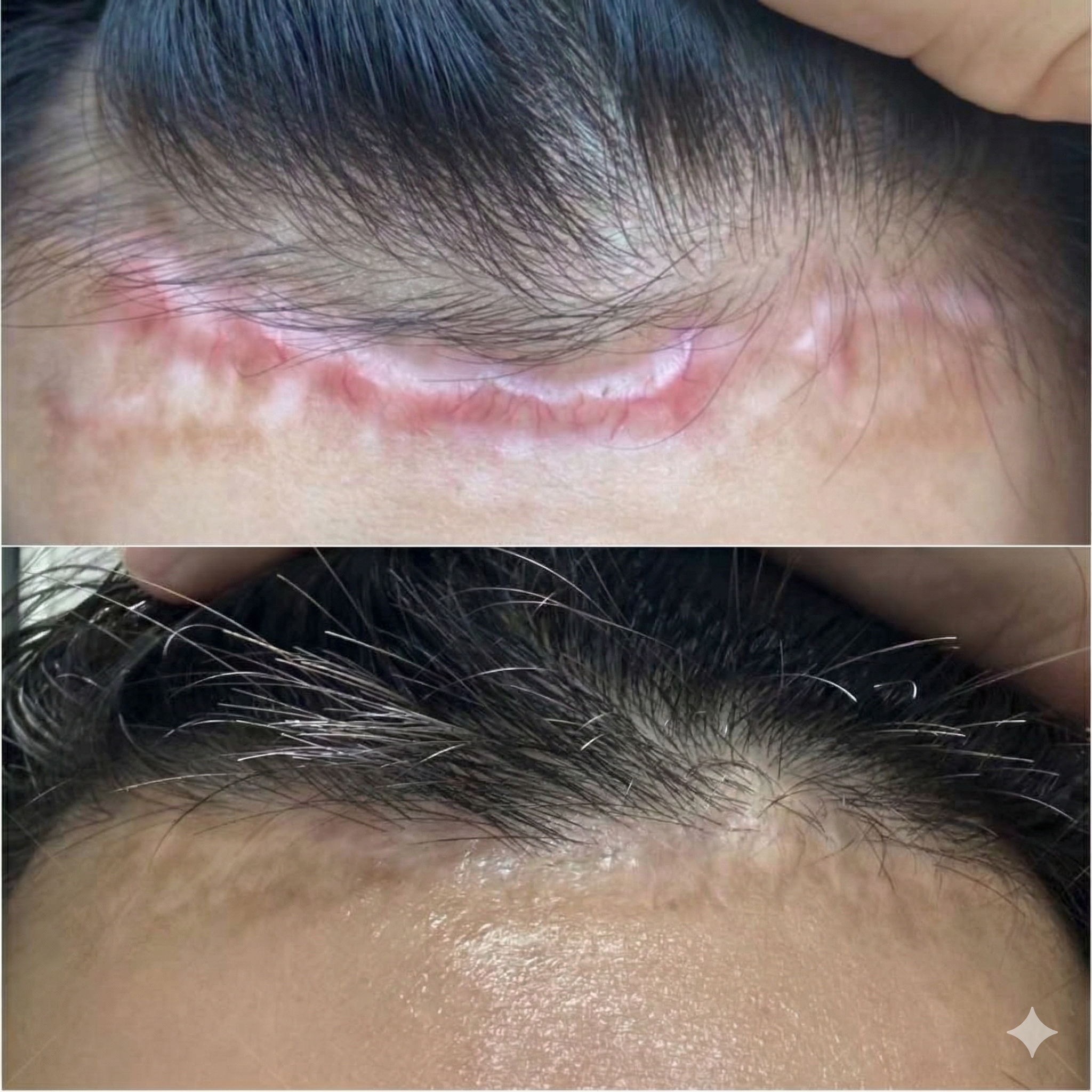
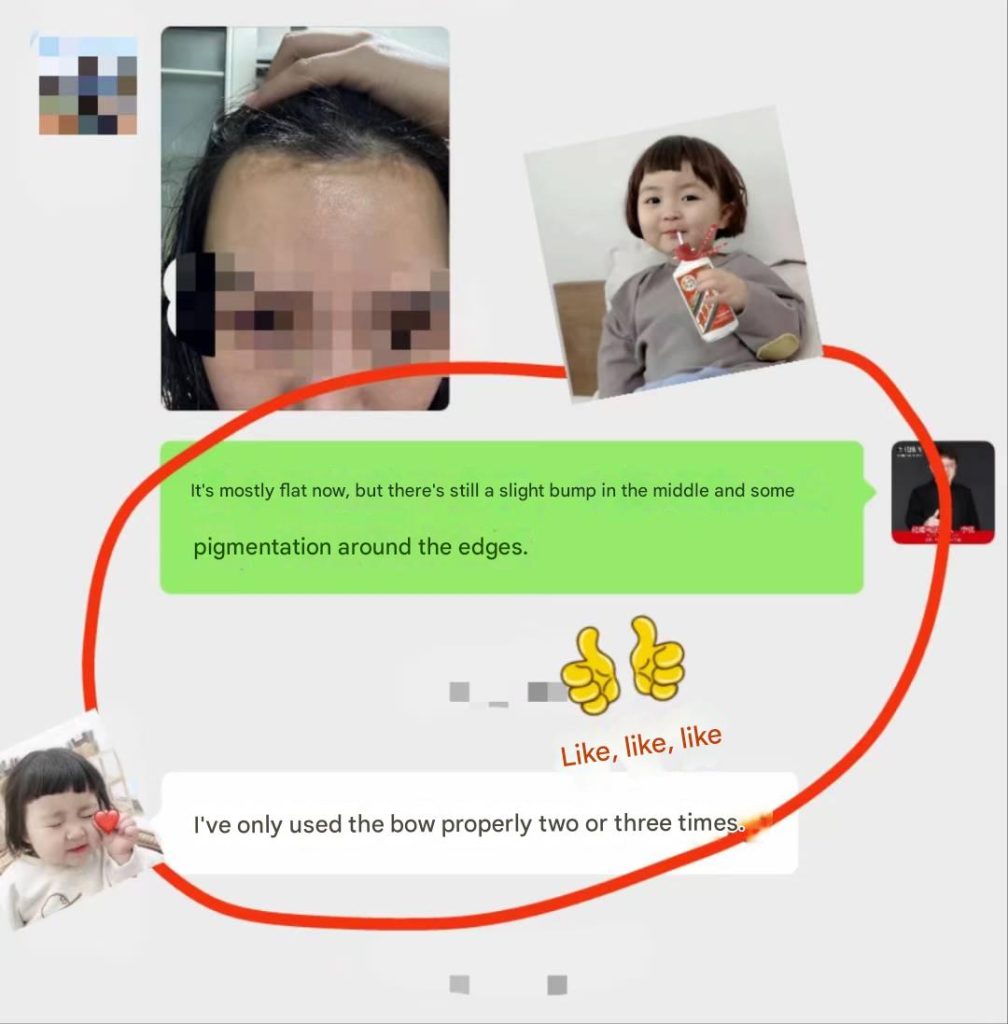
    Following a friend’s recommendation, she began using a herbal scar removal solution. Despite her demanding schedule, she completed only two to three treatments. In less than two months, the scar softened noticeably, the hypertrophic tissue reduced, and discoloration began to fade—far beyond her initial expectations.

    Before-and-after results of scalp scars treated with Herba scar solution, according to patient reports.
    Before-and-after results of scalp scars treated with Herba scar solution, according to patient reports.

    Although the improvement was significant, the scar has not yet completely disappeared. Medical guidance suggests that continuing the treatment for another month would help achieve further flattening and normalization of the skin. This next step has not yet been undertaken, but the patient is confident and motivated to continue the regimen.

    This case illustrates how gentle, consistent, non-invasive care can initiate visible scar improvement even within a relatively short period.

    Surgical correction of hair transplant scars resulted in more pronounced scars.
    Surgical correction of hair transplant scars resulted in more pronounced scars.

    Doctor’s Analysis: Why Herbal Scar Treatment Works and Considerations After Hairline Surgery

    Hypertrophic scars occur due to excessive collagen deposition following surgical trauma. Areas like the hairline are especially prone to scarring because of skin tension, frequent movement, and underlying hair follicles. In the context of hairline-lowering surgery—or after hair transplant procedures—the skin and scalp are delicate, and improper healing can easily lead to raised or thickened scars.

    The herbal scar solution works on several levels: it enhances microcirculation in scar tissue, softens fibrotic tissue, and helps regulate collagen metabolism, promoting gradual remodeling of the scar without introducing trauma. Unlike invasive procedures or steroid injections, which carry risks of infection, nerve damage, or triggering further scarring, this approach is non-hormonal, non-invasive, and safe for home use.

    For patients who have undergone hairline surgery or hair transplantation, there are additional considerations:

    • Minimizing tension and irritation in the healing scalp is crucial, as excessive pulling or scratching can worsen scar formation.
    • Timing of interventions matters: surgical revision of a scar too soon after hairline surgery or hair transplant may risk damaging hair follicles, slowing healing, or causing new scar tissue to form.
    • Non-invasive treatments like herbal solutions are often recommended as first-line management before considering secondary procedures, providing a safe period for the skin to remodel.
    • Long-term follow-up and patient adherence are essential; even after visible improvement, continuing gentle care supports lasting results and reduces recurrence risk.

    From a traditional Chinese medicine perspective, the formula used in this solution helps promote microcirculation, soften scar tissue, and inhibit hypertrophic growth, supporting the skin’s natural repair mechanisms. Scientifically, maintaining balanced collagen metabolism and supporting the microenvironment of the scar ensures that the tissue gradually returns to a more normal state.

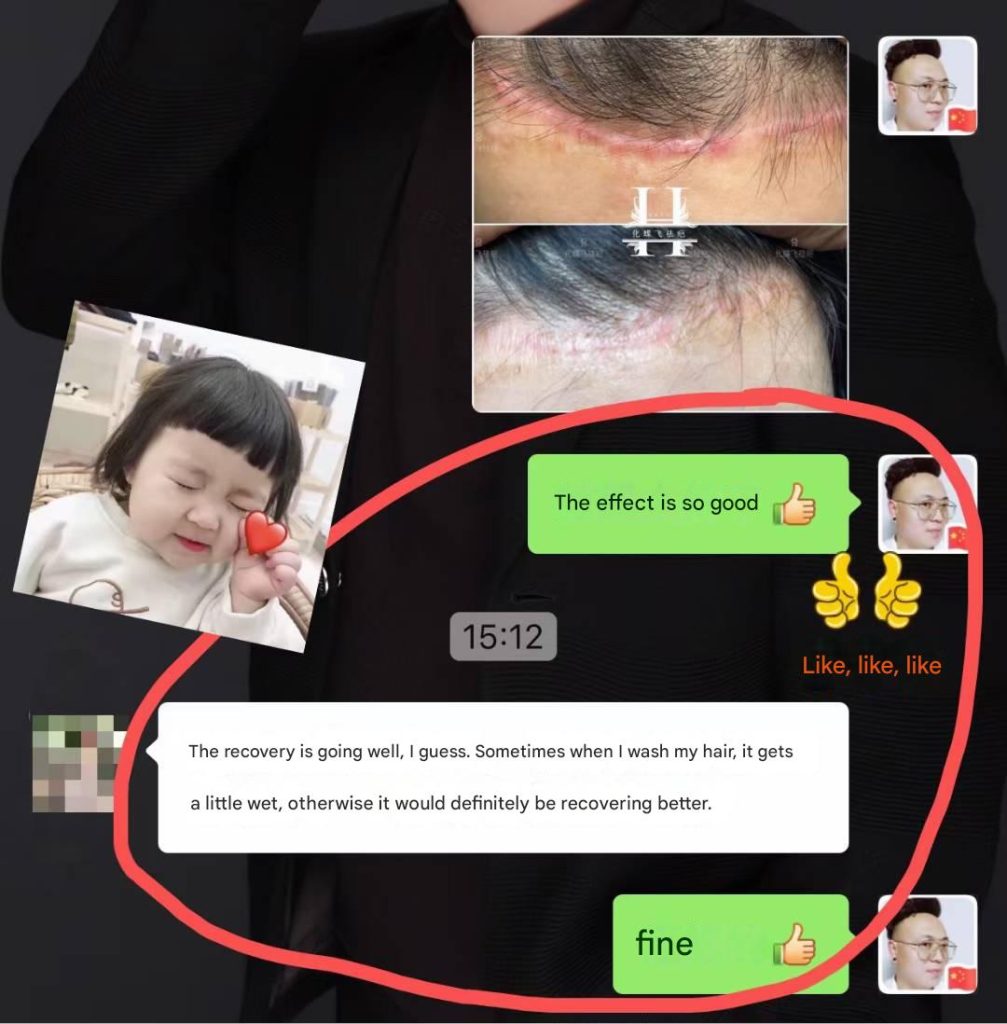
    Patient feedback after using Herba scar-removal solution on scalp scars.
    Patient feedback after using Herba scar-removal solution on scalp scars.

    This case emphasizes that scar management after hairline surgery or hair transplantation requires patience, careful observation, and a method that respects the sensitivity of the scalp. By combining gentle, consistent treatment with proper post-operative care, patients can achieve meaningful improvement while protecting hair follicles and overall skin health.

  • Stubborn Nodular Acne Scars at 48? How Ms. Li Softened and Flattened Her Facial Scars Naturally

    Stubborn Nodular Acne Scars at 48? How Ms. Li Softened and Flattened Her Facial Scars Naturally

    Acne scars are more than a cosmetic issue—they can affect self-esteem, daily comfort, and emotional well-being. For Ms. Li, a 48-year-old woman, the struggle with severe nodular acne scars had lasted for decades. She had tried countless creams, treatments, and routines, yet the scars remained thick, hard, and deeply embedded. Her experience shows that even longstanding, stubborn scars can be improved with patience, proper care, and the right approach.


    The Background: Years of Struggling with Stubborn Acne Scars

    Customer Profile:
    Ms. Li, 48 years old, long-term sufferer of severe nodular acne scars, working professional, active in social and family life.

    History:
    Her facial skin was heavily affected by acne nodules from her youth, which had evolved into thick, hard, and sometimes adherent scars. Over time, some nodules had even started to adhere to underlying tissue, causing slight pain and pulling sensations when she moved her facial muscles. Despite her age, the scars remained persistent, making daily makeup application difficult, skin care uncomfortable, and social confidence low. Ms. Li often felt anxious looking in the mirror, wondering why her skin had not healed despite years of attention and treatment.

    Symptoms:
    Her scars exhibited classic features of severe nodular acne scarring:

    • Thick, raised nodules with hard texture
    • Adhesions to deeper skin layers causing mild discomfort
    • Uneven skin surface and poor elasticity
    • Areas prone to inflammation and occasional sensitivity

    Ms. Li had tried multiple conventional interventions in the past, including creams, ointments, and even minor dermatological procedures. Yet, nothing produced lasting results. She was hesitant to try invasive methods like injections or laser therapy due to potential risks of nerve damage, infection, or worsening scar tissue.


    The Treatment Journey: Gradual, Visible Transformation

    One day, she came across our website and decided to give the herbal scar removal solution a try. Integrating it into her daily skincare routine, she applied it carefully and consistently, treating it as part of her normal regimen.

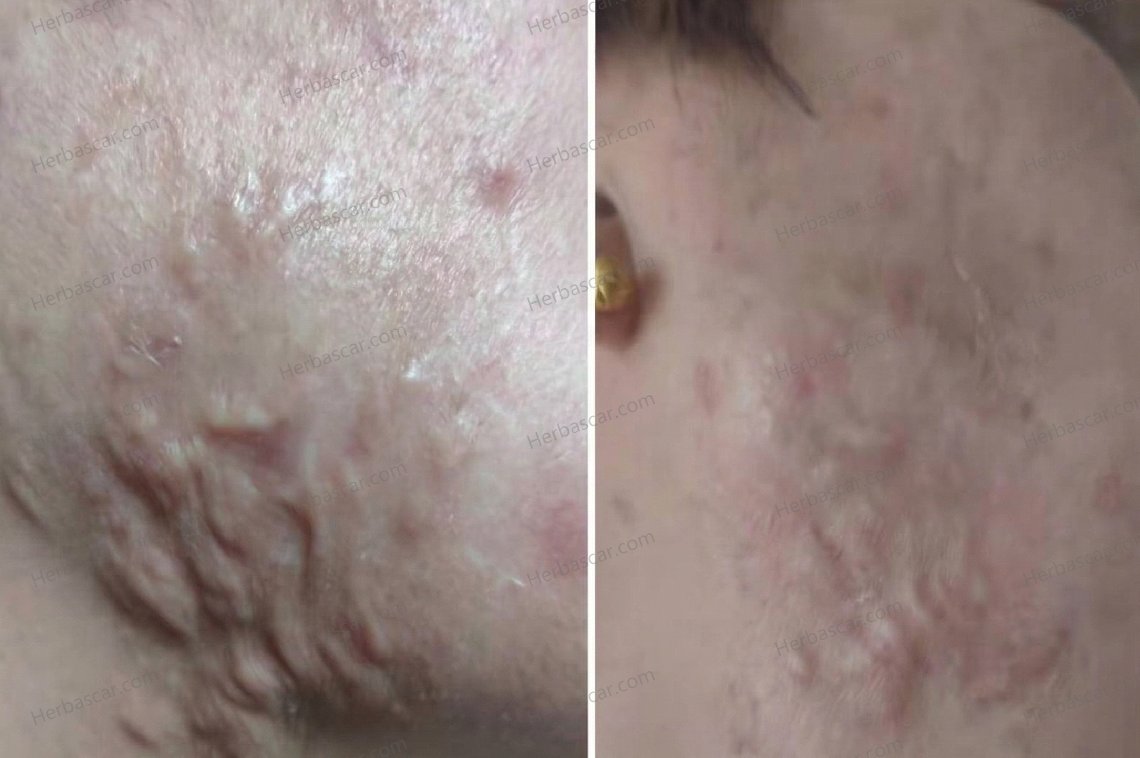
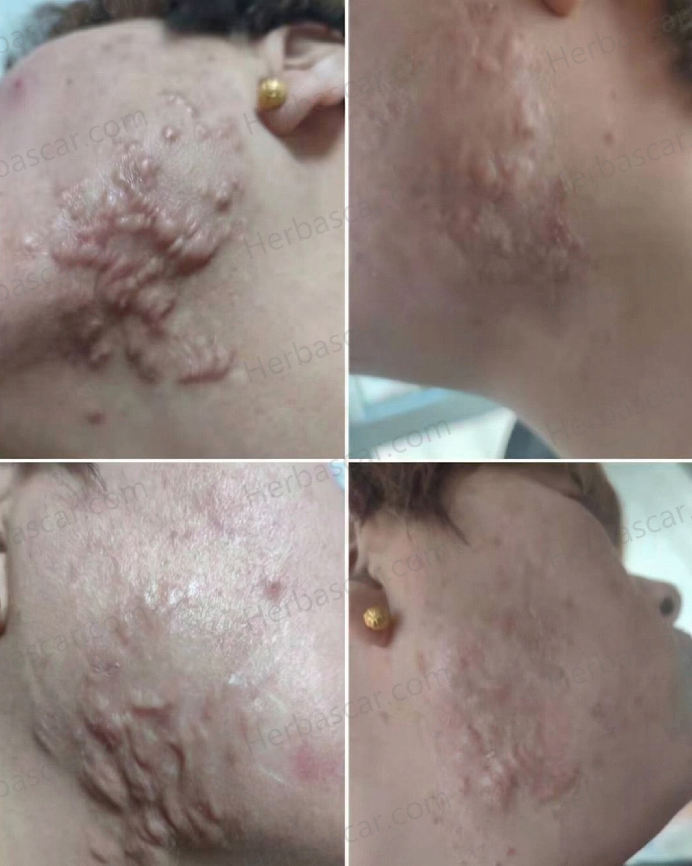
    Pre- and post-treatment photos of facial overgrown scars
    Pre- and post-treatment photos of facial overgrown scars

    The first few weeks were challenging. Changes were subtle, and Ms. Li sometimes doubted whether it was working. She noticed small red patches or dryness on the scarred areas initially, which made her question if the treatment was suitable. Despite the anxiety, she maintained her routine faithfully.

    After roughly one month, she began to see tangible improvements. The nodules slowly shrank, the hard spots softened, and the raised scars thinned. Adhesions that had previously restricted movement started to loosen. These early changes boosted her confidence and motivated her to continue.

    By the second month, the results were remarkable. Nodules had visibly reduced, scars flattened further, and skin texture became noticeably smoother. Hard spots softened even more, and adhesions eased significantly. Her facial skin looked more even, and she felt comfortable engaging in social and professional activities again.

    Throughout the process, Ms. Li appreciated the gentle, non-invasive nature of the treatment. Unlike injections or laser therapy, there was no risk of tissue damage, infection, or recurrence triggered by further irritation. The treatment allowed her skin to gradually repair and remodel naturally while she maintained her daily life routine.

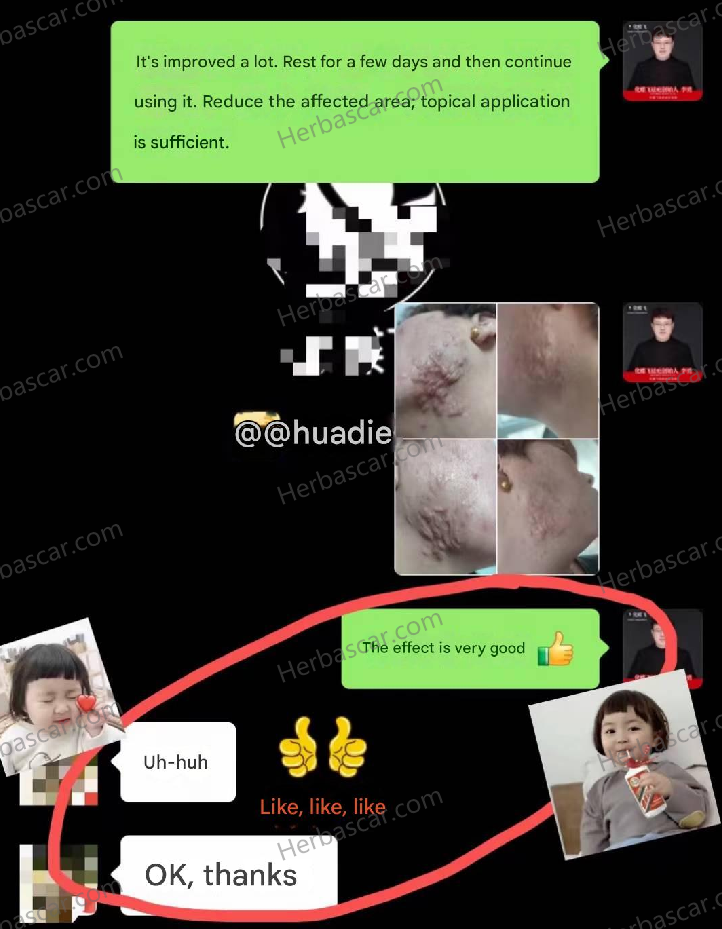
    True patient experiences after applying Herba anti-scar solution to facial keloid scars
    True patient experiences after applying Herba anti-scar solution to facial keloid scars

    Her experience serves as encouragement for anyone facing long-term acne scars: persistence and the right approach can yield visible, lasting improvements.


    Doctor’s Analysis: Why Herbal Scar Treatment Works and Daily Care Tips

    From a clinical perspective, nodular acne scars are caused by excessive collagen deposition and fibrotic tissue formation during skin healing. Over time, these nodules can become thick, hard, and even adhere to underlying layers, making them difficult to treat. Conventional invasive methods—such as steroid injections, laser therapy, or surgical removal—can carry risks, including tissue damage, infection, nerve injury, and sometimes scar recurrence.

    The herbal scar solution Ms. Li used, based on a centuries-old traditional Chinese medicine formula, works by promoting microcirculation within scar tissue, gradually softening and flattening nodules while inhibiting further scar hyperplasia. Over time, it helps restore the affected area closer to normal skin architecture. Because the treatment is non-invasive and free of harmful ingredients, it protects overall skin health while delivering results. Moreover, it can be applied at home, offering convenience without compromising safety.

    In addition to treatment, daily skincare and lifestyle habits play an important role in managing acne scars:

    • Skincare: Avoid harsh scrubs, alcohol-based toners, and overly abrasive exfoliation. Use gentle, non-comedogenic cleansers and moisturizers that support skin barrier repair. Sunscreen is critical, as UV exposure can darken scars and slow healing.
    • Topical Support: Products containing mild anti-inflammatory or collagen-regulating ingredients (e.g., centella asiatica, niacinamide) can complement scar treatment.
    • Diet: A balanced diet rich in fresh vegetables, fruits, and lean protein supports skin regeneration. Limiting excessive sugar, fried foods, and dairy may help reduce inflammation that can worsen acne scars.
    • Lifestyle: Adequate sleep, stress management, and avoiding picking or squeezing blemishes are essential for preventing new scars and supporting ongoing scar improvement.

    This case underscores a key principle: scar healing is a gradual process that benefits from a holistic approach. By combining a scientifically designed topical solution with careful daily skincare, a healthy diet, and protective habits, even long-standing nodular acne scars can be softened, flattened, and gradually restored to a more normal appearance.


    Final Takeaway

    Ms. Li’s journey highlights a critical insight: healing stubborn acne scars is not only about the treatment applied to the skin, but also about daily care, lifestyle, and patience. With the right combination of herbal therapy, skin-friendly routines, and supportive habits, even severe nodular scars can achieve meaningful and lasting improvement.

  • Stubborn Ankle Scar After Surgery? How Lisa Flattened Her Hypertrophic Scar Safely at Home

    Stubborn Ankle Scar After Surgery? How Lisa Flattened Her Hypertrophic Scar Safely at Home

    The ankle is one of the most mobile joints in the body, constantly under tension from walking, running, and daily activities. This makes the skin in this area particularly prone to hypertrophic scar formation, where tissue becomes raised, thick, and reddish. Such scars can not only affect appearance but also make walking and movement uncomfortable, turning a simple recovery into a prolonged struggle.


    The Background: Lisa’s Post-Surgery Struggle

    Lisa, a 26-year-old from London, developed a hypertrophic ankle scar following joint surgery. At first, her incision healed normally, but gradually, the scar became thick, raised, and firm. The tightness around the ankle made every step slightly uncomfortable, and the reddish color was a constant reminder of the surgery.

    Traditional treatment options posed challenges. Surgical revision was risky due to the joint’s delicate structure, and steroid injections were painful, with unpredictable results. The constant movement of the ankle increased the risk of recurrence and made aggressive treatments less suitable.

    After consulting her doctor, Lisa was recommended to consider a herbal scar cream for safe, non-invasive management. She carefully weighed the options and chose this treatment as a gentle alternative, suitable for the high-mobility location of her ankle.


    The Treatment Journey: Patience and Consistency Made the Difference

    Before-and-after comparison of thigh burn scar treatment.
    Before-and-after comparison of thigh burn scar treatment.

    Lisa applied the herbal #ScarRemoval solution daily, following her doctor’s guidance. In the first few weeks, the scar remained visibly raised and reddish, and improvements were almost imperceptible. Many patients might have felt discouraged at this stage, but Lisa persisted, understanding that post-surgery scar healing is gradual, especially in joints.

    Over time, subtle changes became noticeable. The tissue softened, raised edges gradually flattened, and redness began to fade. Her ankle regained flexibility, and walking became more comfortable. After less than three months of consistent application, the hypertrophic scar had fully flattened. The texture became soft and natural, and the skin tone harmonized with surrounding areas. Lisa regained confidence both in appearance and mobility.


    Doctor’s Analysis: How Herbal Scar Treatments Support Healing

    Hypertrophic scars form when excess collagen is deposited excessively during wound healing, often worsened by tension, friction, and repeated movement. Joints like the ankle are particularly vulnerable, as constant motion prolongs inflammation and stimulates fibroblast activity. Conventional treatments—such as steroid injections or surgical revision—can reduce scar tissue but carry risks of pain, infection, nerve damage, or recurrence, especially in high-mobility areas.

    The herbal ScarRemoval solution used in Lisa’s case is based on centuries-old traditional Chinese medicine principles. It works by promoting microcirculation within scar tissue, gradually softening and flattening hypertrophic tissue while regulating collagen production. This allows the scar to remodel naturally, improving texture, color, and elasticity without invasive procedures or harmful chemicals.

    From a scientific perspective, scar remodeling occurs in three phases: inflammation, proliferation, and remodeling. Gentle, consistent herbal treatment supports the remodeling phase, helping balance collagen deposition, reduce prolonged inflammation, and restore normal skin structure. This is particularly beneficial for post-surgery ankle scars, where tissue is constantly under tension.

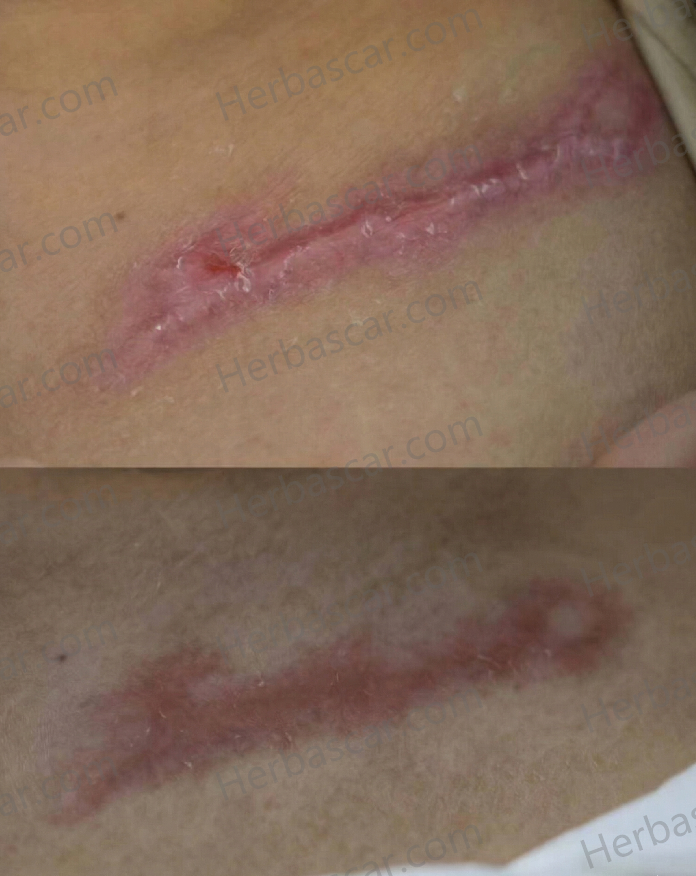
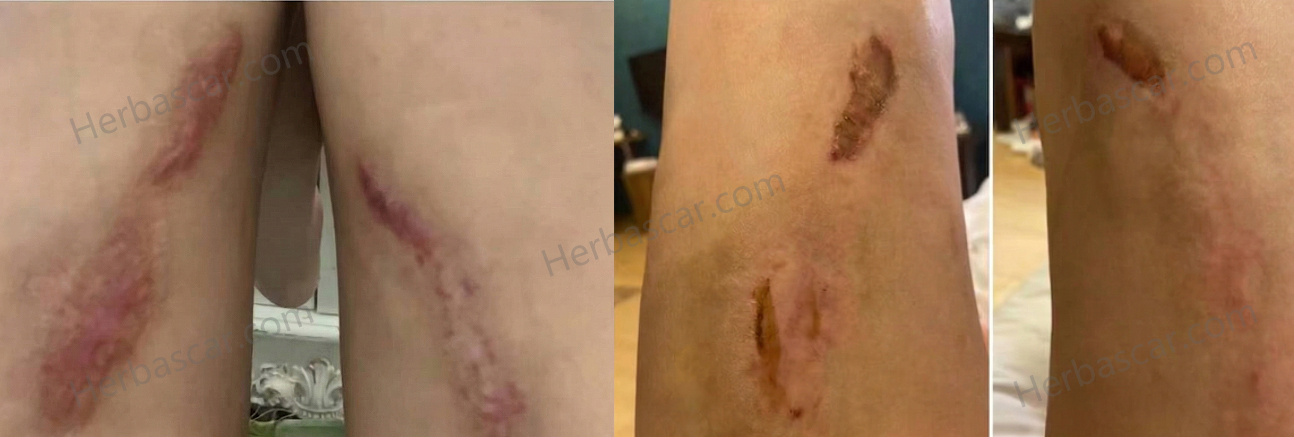
    True patient review of Herba scar solution for burn keloids resulting from a botched thigh liposuction.
    True patient review of Herba scar solution for burn keloids resulting from a botched thigh liposuction.

    Lisa’s case demonstrates that non-invasive, patient-guided care can effectively manage stubborn post-surgical scars, even in challenging locations like joints. With consistent use of a safe herbal scar cream, patience, and proper guidance, hypertrophic scars can be flattened, softened, and harmonized with surrounding skin—offering a lasting, natural-looking result.

  • Severe Thigh Scarring After Failed Liposuction: Is Surgery the Only Way Out?

    Severe Thigh Scarring After Failed Liposuction: Is Surgery the Only Way Out?

    Liposuction is widely regarded as a relatively safe and mature cosmetic procedure. However, once complications occur—especially when combined with thermal injury—the resulting scars are often far more complex than ordinary surgical scars.

    They are not just a cosmetic issue, but a combination of burn damage, fibrosis, and abnormal healing, making treatment significantly more challenging. Many patients are eventually advised to undergo reconstructive surgery. But is surgery always the only solution?


    The Background: From Aesthetic Pursuit to Severe Post-Surgical Scarring

    Customer Profile:
    A professional model with high aesthetic demands and long-term exposure to camera work.

    History:
    In pursuit of more sculpted and defined thighs, she underwent liposuction. During the procedure, complications occurred, leading to intraoperative thermal injury—a known but uncommon risk in liposuction, especially when energy-based devices or improper technique are involved.

    Instead of achieving the desired contour, the surgery resulted in extensive tissue damage.

    Symptoms:
    During the healing phase, the injured areas developed severe post-liposuction burn scars, characterized by:

    • Diffuse hyperpigmentation across the thighs
    • Thickened, hardened scar plaques
    • Uneven, distorted skin surface
    • Reduced elasticity due to underlying fibrosis
    • Features consistent with hypertrophic scarring and partial burn sequelae

    Unlike simple surgical scars, these lesions involved deeper dermal damage and disorganized collagen deposition, making them more resistant to conventional treatments.

    Functionally, the skin lost flexibility. Aesthetically, the damage was significant enough to impact her professional life. She gradually withdrew from modeling work and avoided clothing that exposed her legs.

    After consulting multiple institutions, including a top-tier hospital in Shanghai, she was advised to consider tissue expansion combined with skin grafting. This approach aims to replace damaged skin but involves multiple stages, high surgical burden, and prolonged recovery—factors that made her reluctant to proceed.


    The Treatment Journey: A Non-Invasive Approach Under Continuous Observation

    With limited options and strong hesitation toward further surgery, she turned to a topical herbal scar management approach.

    At the outset, her expectations were conservative. Given the severity and duration of the scars, rapid improvement was unlikely. More importantly, the goal was not immediate removal, but gradual modulation of the scar tissue.

    During the initial phase of application, the skin showed mild reactions such as dryness and transient redness. From a clinical perspective, this can be associated with changes in local microcirculation and epidermal turnover, rather than true deterioration.

    She continued the application while closely monitoring skin response.

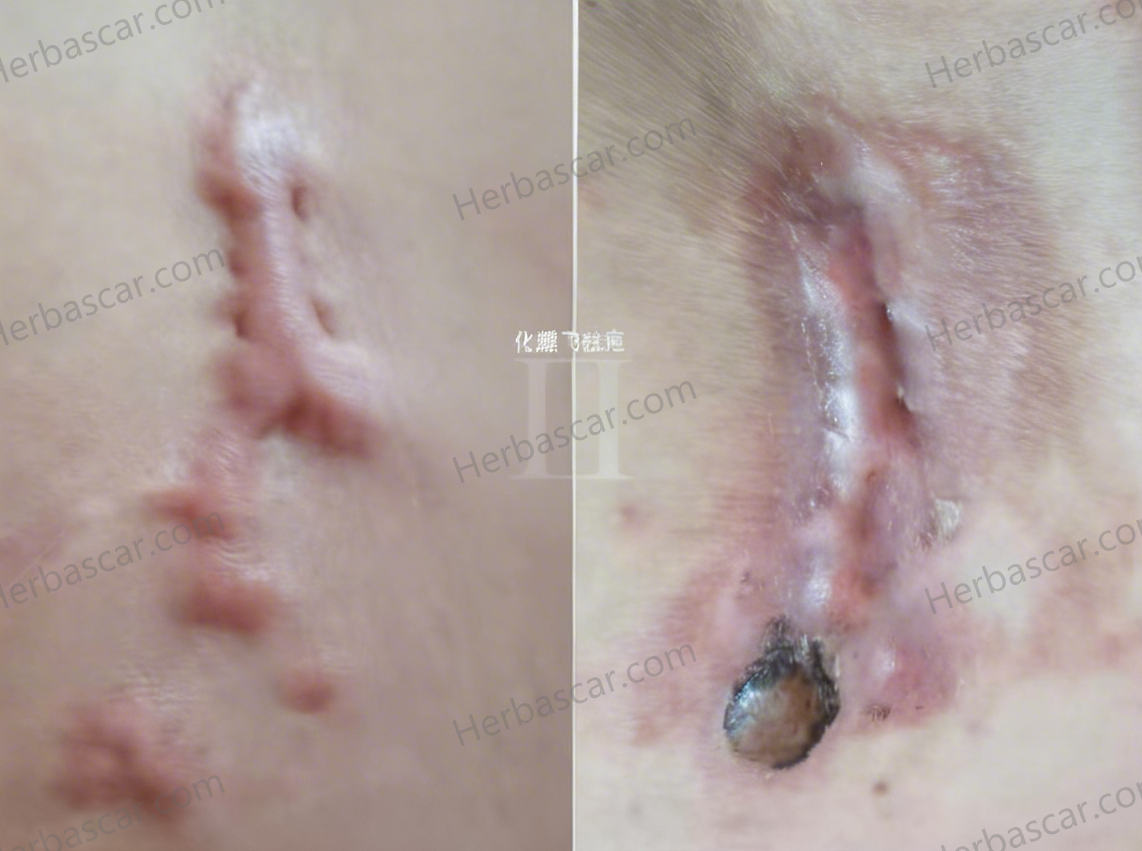
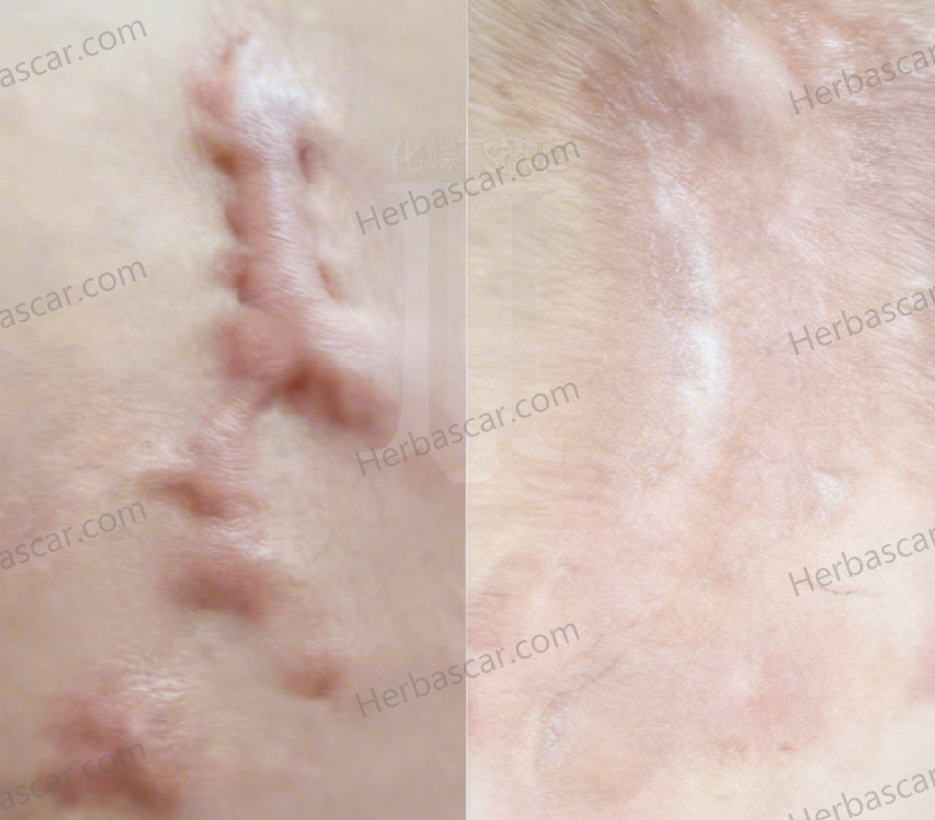
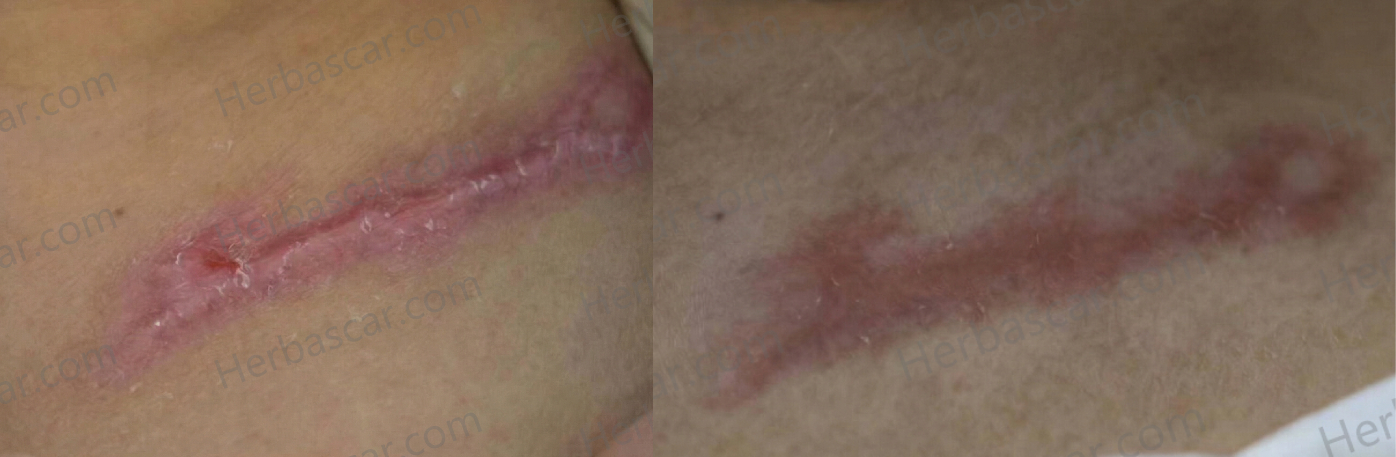
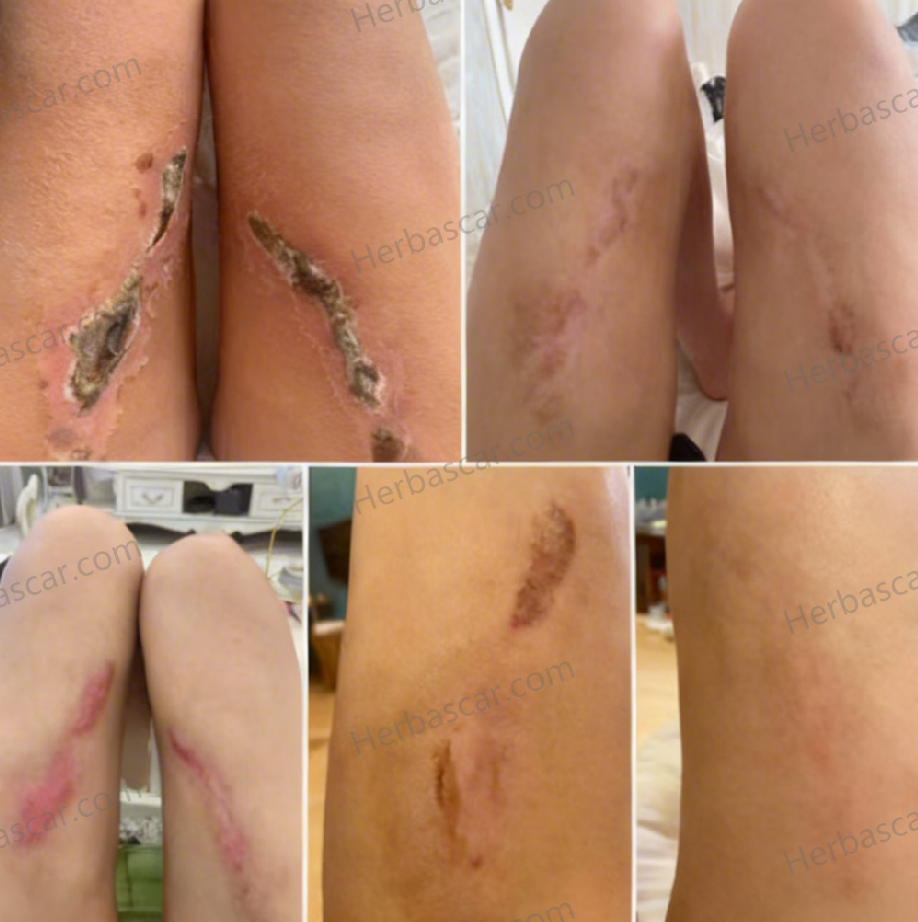
    Clinical comparison before and after treatment of a thigh burn scar
    Clinical comparison before and after treatment of a thigh burn scar

    After approximately two metabolic cycles, structural changes in the scar became more apparent. The previously rigid and elevated scar tissue began to soften, indicating a reduction in fibrotic density. The height of the lesions decreased gradually, suggesting ongoing remodeling within the dermal layer.

    At the same time, pigmentation started to lighten, reflecting a slow normalization of melanocyte activity and skin turnover.

    Over time, the scars transitioned from dense, raised plaques to flatter, more pliable skin areas. Although not an instant transformation, the progression was stable and continuous, without introducing additional trauma to the tissue.

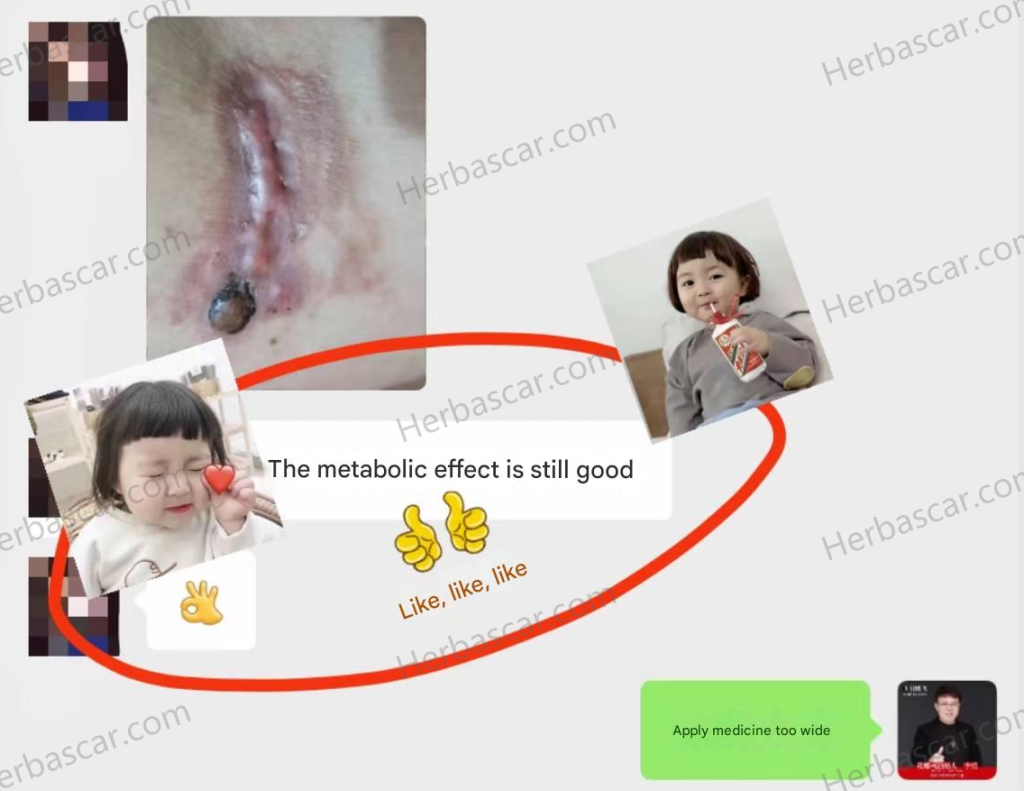
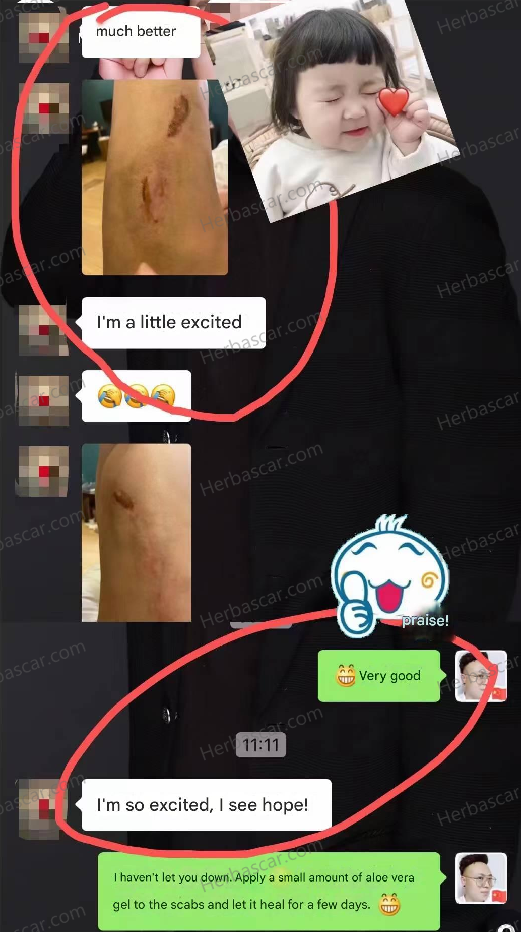
    Real results from a patient who used Herba scar serum on a thigh burn keloid after a failed liposuction
    Real results from a patient who used Herba scar serum on a thigh burn keloid after a failed liposuction

    Doctor’s Analysis: Understanding Burn-Related Liposuction Scars and Non-Invasive Remodeling

    This case is clinically significant because it involves a combined injury pattern: mechanical trauma from liposuction and thermal damage, which together disrupt normal skin architecture at multiple levels.

    During liposuction, especially when assisted by ultrasound or laser devices, heat can accumulate within tissues. If not properly controlled, this may cause coagulative damage to the dermis and subcutaneous layers, leading to burn-like injuries. Unlike clean surgical incisions, this type of damage is more diffuse and less predictable.

    The healing response in such cases is often exaggerated. Fibroblasts become overactive, producing excessive collagen—primarily type III collagen in the early phase—resulting in fibrosis and hypertrophic scar formation. Additionally, vascular changes and chronic low-grade inflammation can sustain this abnormal repair cycle.

    Traditional interventions, such as skin grafting, aim to physically replace damaged tissue. While effective in severe structural defects, they do not necessarily address the underlying tendency toward abnormal collagen remodeling, and they introduce new wounds that must heal again. Procedures like injections or surgical revisions may also carry risks, including secondary scarring, infection, or even nerve injury, particularly in already compromised tissue.

    In this context, a more conservative strategy can be considered. Based on a century-old traditional herbal formulation, this approach helps promote microcirculation within keloid and hypertrophic scar tissue, gradually softening and flattening the scar while inhibiting further abnormal proliferation, allowing the skin to move toward a more normal structural state.

    Unlike invasive surgical or injectable treatments that may introduce additional risks, this method contains no harmful components and focuses on preserving overall skin integrity while supporting the natural repair process.

    From a clinical perspective, for complex scars involving both burn injury and surgical trauma, minimizing further irritation while maintaining continuous regulation of the scar tissue environment is often a more stable and sustainable approach.