Introduction
If you’re struggling with raised scars or are concerned about developing keloids after a skin injury, this article is for you. Here, we provide a comprehensive overview of keloid treatment over the counter (OTC), focusing on what works, who benefits most, and why OTC options matter for prevention and symptom management. Whether you have a history of keloids or want to prevent them after surgery, piercings, tattoos, or acne, understanding your options can help you make informed decisions about your skin health.
What is a keloid?
A keloid is a raised scar that forms due to excessive collagen production during the healing process. Keloids can develop after skin injuries such as surgeries, piercings, tattoos, or acne. They often extend beyond the original wound and can be itchy, painful, or cosmetically concerning.
Why OTC treatments matter:
OTC remedies are most effective for preventing new keloids or managing smaller ones but seldom eliminate large, established keloids. Early intervention with the right products can make a significant difference in scar appearance and comfort, especially for those at higher risk.
Summary: Most Effective Over-the-Counter Keloid Treatments
Looking for quick answers? Here are the top OTC keloid treatments and their roles:
- Silicone Sheets (ScarAway, Kelo-cote):
Best for prevention and early intervention. These form a protective barrier, hydrate the skin, and help prevent abnormal tissue expansion during healing. - Mederma Advanced Scar Gel:
Widely used for both treatment and prevention. Contains onion extract to help soften and fade scars and keloids. - ScarAway Silicone Scar Gel:
Helps flatten, soften, and fade both old and new scars and keloids by forming a breathable silicone layer over the skin. - Hydrocortisone 1% Cream:
Provides short-term relief for itching and inflammation associated with keloids, but does not flatten established scars.
Note: These OTC products are most effective for prevention and symptom management in new or small keloids. Large, established keloids typically require professional intervention.
Keloid Basics: Definition and Causes
Keloids are raised scars that form due to excessive collagen production during the healing process. They can develop after skin injuries such as surgeries, piercings, tattoos, or acne. Certain individuals, especially those with darker skin tones, are genetically predisposed to developing keloids. Unlike hypertrophic scars, keloids can continue to enlarge and cause discomfort over time, making them particularly challenging to manage.
If you’re reading this, you likely know the frustration intimately. That raised, rubbery bump on your chest from an old piercing. The thick ridge along your C-section line that still itches at night. The surgical scar on your shoulder that keeps spreading beyond the original wound site. Keloids can develop on various parts of the body, including the chest, shoulders, face, and surgical sites, making comprehensive body application of treatments essential.
Keloids represent a unique form of scar tissue where your body’s healing process goes into overdrive, producing excessive collagen that extends beyond the original injury into surrounding healthy skin. They’re more than cosmetic concerns—they itch, they throb, and they rarely respond to the same treatments that work on regular scars. Skin picking and popping pimples can increase inflammation and risk of keloid formation.
So can over the counter products actually flatten these stubborn formations? Here’s the honest answer: most OTC creams and gels excel at preventing new scar formation in fresh wounds, but they rarely flatten established, hard keloid tissue. The distinction between prevention and reversal is everything. OTC remedies are most effective for preventing new keloids or managing smaller ones, but seldom eliminate large, established keloids. There are different methods for managing keloids, and the choice of method depends on the stage and location of the scar.
Quick Takeaways
- Drugstore silicone sheets, petroleum jelly, and onion gels work best within the first 3-6 months after an injury
- Established keloids (6+ months old, raised more than 2mm) require penetration beyond the surface layer
- Chemical exfoliants like tretinoin and salicylic acid target the wrong depth for keloid remodeling
- Deep-penetrating liquid extracts offer a different mechanism than surface-sitting creams
- Knowing when to use OTC prevention versus seeking clinical-grade treatment options saves time, money, and frustration
1. OTC Keloid Basics: What You Can and Cannot Expect
Over the counter keloid treatments include a broad range of products you’ll find at any drugstore or on Amazon: silicone sheets (ScarAway, Mepiform), gels like Mederma Advanced Scar Gel, basic moisturizers like Vaseline and Aquaphor, 1% hydrocortisone cream, aspirin pastes, and various onion or garlic-based ointments. These products are commonly used to treat keloids at home, but their effectiveness varies depending on the individual and the stage of the scar.
To understand why most of these fail on established keloids, you need to understand the biology. Keloids aren’t a surface problem—they’re a deep dermal collagen problem. Fibroblasts in the dermis produce an overabundance of dense, fibrous tissue that forms thick, hyalinized nodules extending 1-3mm below the skin’s surface. This “dermal root” sits protected beneath the epidermis inside a wall of abnormal collagen that traps dysfunctional cell metabolism and perpetuates the itch, pain, and continued growth.
The Core Limitation
Most OTC products act on the surface (epidermis and upper dermis). They’re excellent for early wound care and prevention, helping maintain hydration and modulate fibroblast activity during the initial healing process. But they cannot penetrate the dense, fibrous wall of a keloid that’s been developing for years.
There’s also an important distinction between hypertrophic scars and true keloids that affects treatment response:
- Hypertrophic scars: Remain confined to the original wound site and may flatten over time with silicone and OTC options.
- True keloids: Spread beyond the wound boundaries into healthy skin, driven by genetic factors and prolonged TGF-β signaling—they’re far more resistant to surface treatments.
Not all OTC products are suitable for every type of scar; product selection should be based on the specific scar type and stage to ensure the most appropriate approach to treat keloids.
Realistic Expectations for OTC Keloid Treatment
- Surface management (hydration, mild itch relief, redness reduction): Yes
- Prevention of new keloid formation after fresh injury: Often effective
- Flattening an established, marble-hard keloid: Rarely successful as monotherapy
- Deep tissue remodeling of collagen matrix: No—requires penetration beyond what thick creams can achieve
- Using sunscreen on healing skin is recommended to help prevent keloid formation and minimize their appearance
Think of it this way: OTC = surface management; Keloid = deep remodeling. These are fundamentally different goals requiring different mechanisms.
If keloids do not improve with home remedies or OTC treatments, it is important to consult a healthcare provider or doctor for other treatment options.
Transition: Now that you understand the basics of OTC keloid treatments and their limitations, let’s explore how skin tone can influence keloid formation and what proactive steps you can take.
The Role of Skin Tone in Keloid Formation
Keloid scars do not affect everyone equally. If you have a darker skin tone, you may have noticed that your skin is more prone to developing raised, thick scars after even minor injuries. This is not just coincidence—there is a well-documented link between skin tone and the risk of keloid and hypertrophic scar formation.
Why Does Skin Tone Matter?
Individuals with darker skin tones—especially those of African, Asian, or Hispanic descent—are statistically more likely to develop keloid scars. This increased risk is tied to higher melanin production, which can amplify the skin’s inflammatory response after trauma or injury. When the body’s repair mechanisms go into overdrive, fibroblasts produce excess collagen, resulting in the raised, rubbery appearance of keloids. In contrast, hypertrophic scars, which remain within the original wound boundaries, are more common in lighter skin tones and often flatten over time.
Managing and Minimizing Keloid Scars
If you have a history of keloid scars or know you are at higher risk due to your skin tone, proactive prevention is essential. Here are clinically recommended strategies to help minimize and manage keloid formation:
- Protect the affected area: Always use sunscreen on healing wounds and existing scars. UV exposure can worsen inflammation and darken scar tissue, making keloids more noticeable and harder to treat.
- Avoid unnecessary skin injuries: Consider the risks before getting tattoos, piercings, or elective surgeries, especially aesthetic plast surg procedures on high-risk areas like the chest, shoulders, or jawline. Even minor skin injuries can trigger keloid development in susceptible individuals.
- Early intervention: At the first sign of abnormal scar formation, use gentle, fragrance-free moisturizers and consider silicone sheets or gels to help soften and flatten the tissue. Keeping the skin hydrated can reduce itching and discomfort.
- Explore adjunctive treatments: Natural remedies like kelulut honey have shown promise in reducing inflammation and supporting the skin’s healing process. Honey’s anti-inflammatory and antimicrobial properties can help soothe itching and improve the overall appearance of keloid scars.
- Consistent care: Managing hypertrophic and keloid scars is a long-term commitment. Regularly applying recommended treatments and protecting the site from further irritation can help reduce recurrence and promote healthier skin.
When to Seek Professional Help
Despite best efforts, keloid scars can be persistent and may recur even after removal or treatment. If you notice your scar continues to spread, becomes increasingly itchy, or causes discomfort, consult a dermatologist or healthcare provider experienced in keloid management. They can recommend advanced options tailored to your skin tone and scar history, such as corticosteroid injections, laser therapy, cryotherapy, radiation therapy, or surgical excision designed to target the root of keloid formation.
Empower your healing journey: Understanding the role of skin tone in keloid formation allows you to take proactive steps to protect, repair, and improve your skin’s health. Whether you’re looking to minimize the appearance of existing keloid scars or prevent new ones from developing, a personalized approach—combining prevention, targeted treatment, and professional guidance—offers the best chance for smoother, more even skin.
Ready to explore your options and rid yourself of keloid scars for good? Click here to discover advanced keloid treatment solutions and learn how to protect your skin at every stage.
Transition: Alongside understanding your risk factors, making certain lifestyle changes can further support keloid management and prevention.
Lifestyle Changes to Help Manage Keloids
Living with keloids or hypertrophic scars can be a daily challenge, but thoughtful lifestyle changes can make a significant difference in how these raised scars look and feel over time. While no single method can guarantee complete removal, adopting a holistic approach to skin health can help minimize keloid appearance, reduce itching, and support your body’s natural repair processes.
Protect and Prevent
One of the most important steps in managing keloids is to protect the affected area from further skin injuries and irritation. Even minor trauma—like scratching, picking, or friction from clothing—can trigger inflammation and worsen scar formation. If you’re prone to hypertrophic scars or have a history of keloid development, it’s recommended to avoid unnecessary skin procedures such as tattoos or piercings, especially on high-risk areas like the chest, shoulders, or jawline. If you do choose to get a tattoo or piercing, follow aftercare instructions meticulously to minimize the risk of abnormal scar formation.
Sun Protection
UV exposure can darken keloids and make them more noticeable, particularly for those with darker skin tones who are already at higher risk for keloid and hypertrophic scar formation. Applying a broad-spectrum sunscreen (SPF 30 or higher) daily to the scar site, and covering the area with clothing when outdoors, is a simple but effective way to protect your skin and improve scar appearance over time.
Nourish and Hydrate
Supporting your skin from within is just as important as topical care. A diet rich in vitamins—especially vitamin C and vitamin E—can help promote collagen repair and overall skin health. Staying well-hydrated keeps your skin supple and may help soften the texture of keloid scars. In some cases, supplementing with recommended vitamins can further support the healing process, but always talk to your healthcare provider before starting new supplements.
Gentle Topical Care
To manage itching and discomfort, consider applying a clinically recommended cream or gel containing ingredients like onion extract or hydrocortisone. These can help reduce inflammation and soften the scar, making it easier to manage daily symptoms. For best results, choose products specifically formulated for scar care and avoid harsh or fragranced creams that could irritate sensitive skin.
Consistency and Patience
Keloid and hypertrophic scar remodeling is a gradual process. It’s important to be patient and consistent with your routine—whether you’re applying a topical gel, protecting the area with sunscreen, or making dietary improvements. Results may take time, but persistent care can lead to noticeable improvements in scar texture, color, and overall appearance.
When to Seek Professional Advice
If your keloid continues to grow, causes significant itching, or does not improve with at-home care, it’s important to talk to a dermatologist or healthcare provider. They can recommend advanced treatment options tailored to your specific case and help you develop a comprehensive plan to manage and reduce keloid scars effectively.
By integrating these lifestyle changes—protecting your skin, nourishing your body, using recommended creams and gels, and seeking professional guidance when needed—you can take proactive steps to minimize keloid formation, improve scar appearance, and support your skin’s long-term health and healing.
Transition: While lifestyle changes are essential, choosing the right OTC products is equally important. Let’s examine the most effective moisture sealers and silicone-based treatments for keloid prevention.
2. Moisture Sealers & Silicone: Great Prevention, Weak on Old Keloids
This category includes the most commonly recommended products for scar management: petroleum jelly (Vaseline), Aquaphor healing ointment, aloe vera gel, and medical-grade silicone gels and sheets (Kelo-cote, ScarAway, CicaTape—ranging from roughly $8.49 to $29.99 on Amazon). Silicone dressings are applied over wounds or scars to promote healing and protect the area, helping to create an optimal environment for recovery. After applying healing gels or honey, a dressing or covering can be placed over the wound to further protect it and support the healing process.
How Moisture Sealers & Silicone Work
These products form an occlusive barrier that traps moisture, reduces transepidermal water loss by 50-70%, and creates a protected environment that helps normalize the healing time of fresh wounds. The American Academy of Family Physicians endorses silicone sheeting as a first-line preventive measure, with studies showing it can reduce keloid formation post-surgery by creating a hypoxic, moist environment that downregulates collagen synthesis. Silicone gel sheets and topical silicone gel have been used for more than 30 years to prevent scars caused by surgery, burns, trauma, and other skin injuries.
Dermatology Consensus
Silicone sheets are the “gold standard” for fresh postoperative scars—C-sections, tummy tucks, burn scars, surgical incisions. Applied consistently (often 12-24 hours daily for 2-3 months), they genuinely help prevent scars from becoming abnormally raised during the critical early healing phase. After surgical procedures, silicone products should only be used after stitches are removed and the wound is fully closed. For example, Kelo-cote is a transparent silicone gel that should only be used on closed wounds after the removal of stitches.
Where They Fail
On established keloids, the data tells a different story. One clinical trial reported silicone alone yielding only 18% improvement in established keloids at 18 months, with zero patients achieving complete flattening. Vaseline and Aquaphor similarly hydrate and soften surface texture but their lipophilic bases sit atop the skin, unable to penetrate the dense fibrous wall underneath.
Good For
- Fresh wounds within weeks to a few months of injury
- Post-surgical incisions in the early healing process (begin silicone use only after stitches are removed and the wound is closed)
- Preventing keloid formation in areas prone to scarring (chest, shoulders, earlobes)
- Hydrating the surface of scars to reduce tightness and discomfort
Not Effective For
- A 5-year-old ear piercing keloid that’s hard as a marble
- Large, rubbery keloids that have been growing and itching for years
- Keloids that have already failed 3-6 months of consistent silicone use
- Any raised scar where you need actual volume reduction, not just surface softening
Popular OTC Silicone Scar Products
- Mederma Advanced Scar Gel: Widely used for the treatment and prevention of scars and keloids.
- Kelo-cote: A transparent silicone gel that hydrates the skin and helps prevent keloid formation; should only be used on closed wounds after stitches are removed.
- ScarAway Silicone Scar Gel: Helps flatten, soften, and fade both old and new scars and keloids by forming a breathable silicone layer over the skin.
- Mederma Medical Grade Silicone Scar Sheets: Self-adhesive, washable, and reusable for up to 21 days, offering UV protection.
- CVS Health Scar Treatment Kit: Includes silicone scar sheets and a scar serum to enhance coverage for keloids.
- BioCorneum Plus SPF 30: An FDA-cleared silicone gel that includes sunscreen, recommended for keloids in sun-exposed areas.
ScarAway Silicone Scar Sheets are stocked at CVS and Target, and pharmacies like CVS, Walgreens, and Rite Aid in Sacramento offer effective over-the-counter treatments for keloids such as silicone gel sheets and topical silicone gels.
If your keloid appeared in 2024 from a recent piercing or your C-section scar from 2025 is just starting to raise, silicone sheets are a reasonable first step. But if you’re dealing with that stubborn keloid from 2019 that’s spread beyond the original wound site, these products are unlikely to produce the structural change you’re looking for.
Transition: While silicone products are effective for prevention, other OTC options target different aspects of keloid management, such as symptom relief and pigmentation. Next, let’s look at chemical exfoliants and retinoids and their role in keloid care.
3. Chemical Exfoliants & Retinoids: Too Superficial for Keloids
Many people turn to chemical exfoliants and retinoids after reading about their effectiveness for acne and pigmentation issues. This category includes tretinoin (prescription-strength retinoid), OTC retinol serums, salicylic acid spot treatments, and high-strength AHA/BHA peels marketed for scars and skin texture improvement. Many OTC retinoid and skincare products also contain vitamins such as vitamin A (retinol) and vitamin E, which are promoted for their skin regeneration and scar treatment benefits.
Their True Role
These products are genuinely effective for acne, clogged pores, post-inflammatory hyperpigmentation, and superficial epidermal concerns. They accelerate cellular shedding at the surface level and can improve skin tone and texture when the problem exists in the upper layers of skin.
Tretinoin, for example, works via retinoic acid receptor activation and has proven effective for acne cysts and post-inflammatory discoloration with up to 40-60% improvement in superficial scars according to meta-analyses. Salicylic acid, a beta-hydroxy acid, exfoliates via corneocyte desquamation and offers anti-inflammatory benefits that can reduce surface acne scarring by 20-30% in trials.
The Problem with Keloids
Keloid lesions are rooted 1-3mm deep in the dermis. A 2010 review found negligible keloid flattening with tretinoin due to its limited dermal diffusion—it simply cannot reach the depth where the abnormal collagen hyperplasia occurs. Salicylic acid penetrates less than 0.5mm, causing surface desquamation without touching the underlying tissue.
The Risk
Repeated application of strong acids and retinoids over a raised, fibrotic keloid can cause redness, irritation, and epidermal thinning without actually shrinking the keloid core. In some cases, this barrier disruption can exacerbate inflammation and make itching worse.
What They Can Do
- Improve pigmentation and discoloration around a keloid
- Treat acne lesions in the same area
- Smooth superficial skin texture
- Reduce post-inflammatory hyperpigmentation
- Improve keloid appearance by addressing pigmentation and texture, though they do not flatten the raised scar
What They Cannot Do
- Penetrate the dense collagen matrix of an established keloid
- Reduce the actual height or volume of raised scar tissue
- Soften the deep, fibrous tissue causing the bump
- Treat the dermal root where abnormal metabolism continues
Recommendation
Retinoids and chemical acids may help with post-acne marks and pigmentation issues in the area surrounding a keloid. They should not be relied upon as primary treatment to flatten the bump itself.
Transition: For those seeking symptom relief, OTC anti-inflammatories offer another avenue for managing keloid discomfort. Let’s explore their benefits and limitations.
4. OTC Anti-Inflammatories: Short-Term Relief, Not Deep Remodeling
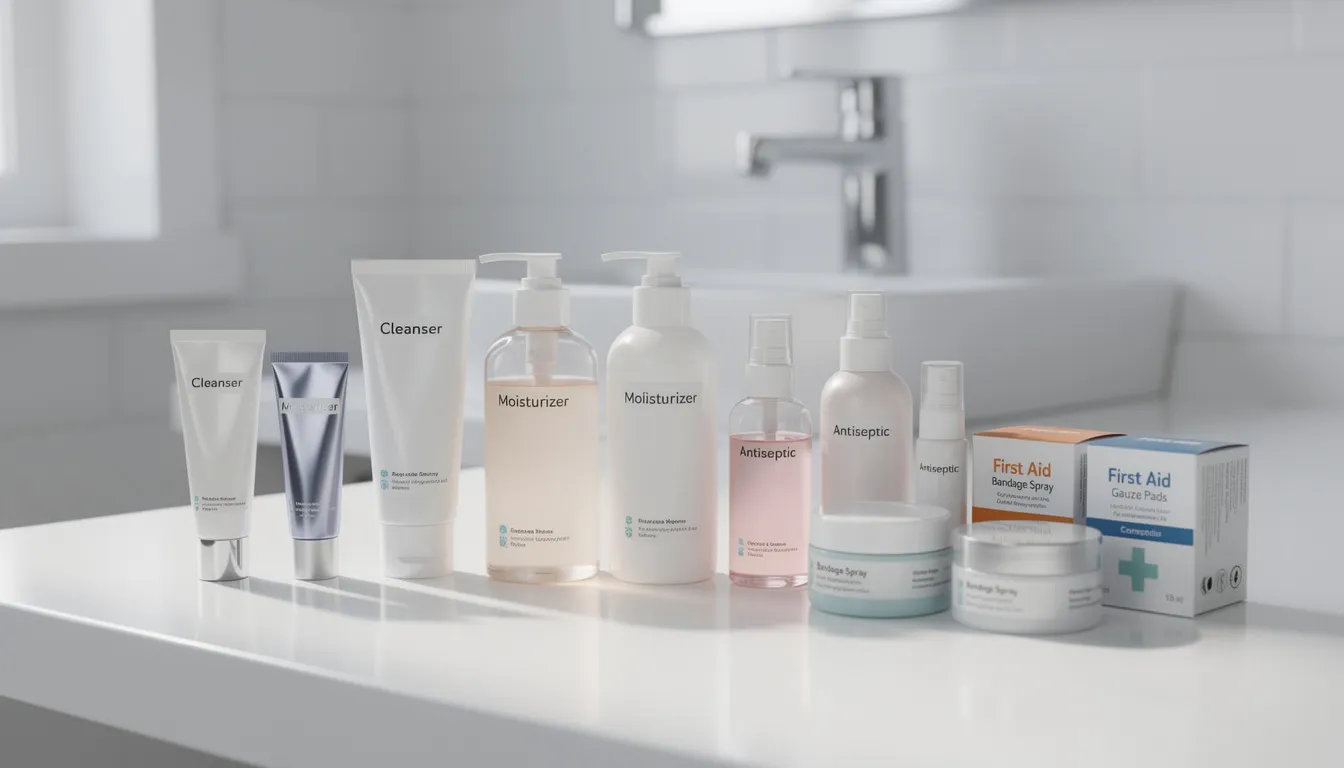
This category encompasses the products people reach for when their keloid itches relentlessly or looks angry and red: 1% hydrocortisone creams, antibiotic ointments like Neosporin, witch hazel toners, aspirin paste (crushed tablets mixed with water—some studies suggest aspirin may help treat or prevent keloids by inhibiting scar-promoting cells), and “natural” options including honey, garlic, and onion extract gels.
Hydrocortisone
This low-potency topical steroid suppresses inflammation via glucocorticoid receptor agonism and can temporarily calm the maddening itch that 70-80% of keloid patients report. The relief may last hours to days. However, 1% OTC hydrocortisone is far weaker than the intralesional corticosteroid injections used in clinical settings. Long-term unsupervised use (4+ weeks) risks skin atrophy, telangiectasia (visible blood vessels), and striae—especially concerning on the chest and neck where keloids commonly occur.
Onion Extract Gels (Mederma, Cicatricure)
These products contain Allium cepa onion extract, which includes quercetin—an antioxidant flavonoid that inhibits fibroblast proliferation and TGF-β in laboratory studies. Early research showed promise for reducing postoperative redness by 20-30% in small trials. However, AAFP-cited meta-analyses of randomized controlled trials conclude no lasting improvement in established keloid height, erythema, or pruritus. Results were essentially placebo-equivalent after 3-6 months, with universal feedback on inefficacy for multi-year stubborn keloids.
Neosporin and Antibiotic Ointments
- Excellent for preventing infection in fresh wounds.
- Zero antifibrotic properties for established keloids.
Witch Hazel
- This tannin-rich astringent temporarily constricts blood vessels for minor soothing but lacks any keloid-specific clinical data.
Home Remedies (Aspirin Paste, Honey, Garlic, Kelulut Honey)
- Aspirin paste has appeared in anecdotal 2015-2020 studies suggesting it may inhibit fibroblast migration and modestly reduce size and pigmentation.
- Honey offers moisturizing and mild antimicrobial benefits.
- However, none of these have demonstrated the ability to stop a keloid that’s been growing for years.
What These Products Can Do (Symptom Relief)
- Temporarily reduce inflammation and redness
- Provide hours of itch relief
- Soothe irritation and discomfort
- Moisturize dry, tight scar tissue
What These Products Cannot Do (Structural Change)
- Reduce the actual height of the keloid
- Break down the dense collagen causing the raised appearance
- Stop the abnormal cell metabolism driving continued growth
- Achieve the deep penetration needed for tissue remodeling
The pattern is clear: OTC anti-inflammatories help manage symptoms, but they don’t achieve structural remodeling.
Transition: Knowing when to use OTC options and when to seek professional help is crucial for effective keloid management. The next section will guide you through these decisions.
5. When OTC Is Enough – and When to See a Dermatologist
Understanding when drugstore options are appropriate versus when professional care becomes important can save months of frustration and wasted money.
Try OTC First If:
- Your scar appeared within the last 3-6 months and is still in the active healing phase
- You have a small hypertrophic bump after surgery that remains within the original wound boundaries
- The primary concerns are mild redness, tightness, or minor itching that responds to silicone and moisturizers
- You’re applying silicone sheets consistently (12-24 hours daily) and seeing gradual improvement
- The scar is from a recent piercing, minor burn, or surgical incision and hasn’t yet developed into a true keloid
See a Dermatologist or Healthcare Provider If:
- The scar continues to spread beyond the original wound site (indicating true keloid formation)
- You experience severe itching or sharp nerve pain, especially at night
- The keloid is located on high-tension areas like the chest, shoulders, or jawline
- You’ve already tried 3-6 months of consistent silicone or Mederma use without improvement
- The keloid recurred after previous treatment or surgical excision
- You have a history of keloid formation and want professional guidance on prevention
In-Clinic Options for Context
- Intralesional corticosteroid injections (triamcinolone) remain the gold standard for established keloids, with studies showing 70% good-to-excellent response when combined with adjunct therapies
- Cryotherapy (controlled freezing) can help flatten smaller keloids
- Laser therapy targets blood vessels and collagen
- Radiation therapy in select cases prevents recurrence after surgical removal
- Surgery alone carries 45-100% recurrence rates and is typically combined with other treatments
The Realistic Timeline
Keloid remodeling takes months, not weeks. Whether you’re using OTC prevention, clinical-grade liquid extracts, or dermatologist-guided interventions, consistency over time produces the best results and lowest recurrence rates. Talk to your healthcare provider about a proper wound care plan that matches your specific situation.
Transition: If you’re wondering why thick creams often fail on hard keloids, the next section explains the science behind product penetration and introduces advanced options.
6. Why Thick Creams Fail on Hard Keloids (And Why We Use a Liquid Extract)
Here’s the physical reality that most drugstore products cannot overcome: established keloids are like a dense rope of collagen embedded in the dermis. Heavy creams, ointments, and silicone layers sit on top of that rope, forming films over 100μm thick that improve surface hydration but cannot penetrate the fibrous core.
Quantitative data from randomized trials shows that thick cream formulations (waxes, emollients, occlusive bases) deliver less than 5% of their active ingredients to dermal targets. The very qualities that make them feel rich and moisturizing—heavy textures, occlusive barriers—prevent them from reaching the depth where keloid pathology actually occurs.
:max_bytes(150000):strip_icc():format(webp)/gettyimages-629413533-2000-b81e21159c10429fadc4441b2fe63eb4.jpg)
The HerbaScar™ Philosophy
Instead of adding another surface cream to your bathroom cabinet, we developed a botanical liquid extract specifically designed for transdermal penetration. Our Advanced Scar & Keloid Liquid contains no thick waxes or synthetic fillers blocking absorption. It targets the dermal root where abnormal collagen metabolism perpetuates keloid growth.
The Liquid Versus Cream Advantage
- Liquid extracts can achieve 20-50x higher penetration versus thick cream formulations
- No occlusive barriers means active ingredients reach the deep dermis
- Borneol acts as a penetration enhancer, carrying actives like Panax Notoginseng and Galla Chinensis directly into the hardened collagen matrix
- Our 90-day cold-fermentation process shrinks botanical molecules to micro-level sizes, preserving maximum tissue-softening potency without harsh heat or solvents
The 3-Stage Remodeling Cycle We Observe Clinically
Stage | What Happens | What You Experience |
|---|---|---|
Stage 1: Penetration & Softening | Active botanicals reach the dermal tissue | Itch relief, tissue feels less rigid |
Stage 2: Cellular Shedding | Old, abnormal cells are expelled | A natural medicated scab forms and detaches |
Stage 3: Protection & Prevention | Fresh, healthier skin emerges | Smoother, flatter appearance maintained with HerbaScar™ Chitosan Keloid Defense Gel |
Why Trust HerbaScar™:
- Rooted in a century-old Traditional Chinese Medicine lineage dating to 1907
- Modern 90-day cold-fermentation technology preserves botanical potency
- 0% steroids, 0% silicone, 0% parabens—non-invasive and cruelty-free
- 90-Day Empty Bottle Money-Back Guarantee de-risks your investment in clinical-grade treatment
Stop hydrating the surface. Start remodeling the root.
Experience the Power of Deep-Penetrating Liquid Remodeling – Shop HerbaScar™
HerbaScar™: Matching the Right Formula to Your Scar Type
We understand that many readers have already “tried everything”—from $10 silicone sheets to $30 onion gels to expensive laser therapy sessions with high recurrence rates. The frustration is real. Part of the problem is that most products aren’t designed for the specific type of scar you’re dealing with.
At HerbaScar™, we’ve developed four distinct formulas targeting different scar pathologies:
1. HerbaScar™ Advanced Scar & Keloid Liquid ($199):
- Best for: Raised keloids, hypertrophic scars, piercing bumps, post-surgery ridges
- Mechanism: Deep-penetrating liquid breaks down excess dense collagen and stops itching
- Ideal if: You have a stubborn, established keloid that thick creams haven’t touched
2. HerbaScar™ Chitosan Keloid Defense Gel:
- Best for: Fresh wounds, post-remodeling protection, keloid prevention
- Mechanism: Marine-derived biological shield ensures abnormal scar tissue doesn’t return
- Ideal if: You’ve completed remodeling or have a fresh incision/piercing to protect
3. HerbaScar™ Laser & Tattoo Trauma Defense:
- Best for: Post-tattoo removal, laser burns, thermal skin trauma
- Mechanism: Rapidly cools thermal damage, calms extreme inflammation, and prevents raised outlines
- Ideal if: You’re undergoing tattoo removal or recovering from laser therapy or other aesthetic plast surg procedures
4. HerbaScar™ Atrophic Scar & Pit Resurfacing Serum:
- Best for: Depressed scars (pitted acne scars, ice pick scars)
- Mechanism: Stimulates natural collagen synthesis to “fill in” the dermal bed, contrary to the keloid liquid which breaks collagen down
Choosing the right formula matters. A raised keloid requires collagen breakdown; a pitted acne scar requires collagen rebuilding. Apply the wrong mechanism and you waste time and money. Assess your scar type honestly—is it raised or depressed, new or old, from surgery, piercings, acne, burns, or trauma—and match accordingly.
If you’re unsure which formula suits your specific situation, click through to our site or reach out to our team. We’re here to help you finally experience what real keloid treatment can look like when products are designed to penetrate, not just sit on the surface.
The bottom line: OTC keloid treatment over the counter works well for prevention and early intervention, especially for hypertrophic and keloid scars during the healing process. For established keloids, deep remodeling treatments and consultation with a doctor or dermatologist provide the best outcomes.
Types of Scars that Can Become Keloids
Not all scars are created equal—some are far more likely to develop into keloids than others. Understanding which types of scars carry the highest risk is essential for anyone looking to minimize abnormal scar formation and protect their skin’s long-term health.
Leave a Reply