Category: Remedies & OTC Reviews

When a stubborn scar starts growing, it’s tempting to try every drugstore cream or kitchen hack available. But do silicone sheets actually flatten old keloids? Can tea tree oil dissolve hard tissue, or does it just cause severe chemical burns? In this section, we objectively review popular over-the-counter (OTC) treatments and at-home DIY remedies. Learn why surface-level gels fail to penetrate the dermal barrier, and what your skin actually needs for deep tissue remodeling.

  • How to Flatten Keloid Scars Naturally (Without Injections or Surgery)

    Introduction

    Are you searching for how to flatten keloid scars naturally, without resorting to injections, surgery, or harsh chemicals? This guide is designed specifically for people seeking natural, non-surgical keloid treatments—especially those who want to focus on at-home, plant-based methods. Whether you’re concerned about the risks, costs, or side effects of medical procedures, or simply prefer a gentler approach, you’ll find practical, evidence-informed strategies here.

    Many people seek natural options to avoid the risks and costs of medical procedures. This article will clarify what you can realistically expect from natural keloid care, outline the best at-home, plant-based methods, including pressure therapy, applying silicone gel, using retinoid cream, and help you build a routine that fits your needs. Additionally, it will introduce how to use natural ingredients like coconut oil to make a thick paste as an adjunct treatment, combined with compression dressings to effectively control scar size and improve scar appearance. The goal of these natural methods is not only to improve how scars look, but also to reduce keloids by helping to decrease their size or prominence over time.

    Dealing with keloid scars can feel frustrating, especially when you’ve tried various treatments with little success. The good news is that while keloids are notoriously stubborn, many people find real improvement through consistent, natural care methods that don’t require clinic visits or painful procedures. If you’re wondering how to flatten keloid scars naturally, you’re in the right place.

    Quick Answer: Can You Really Flatten Keloid Scars Naturally?

    Keloid scars are raised scars that grow beyond the boundaries of the original wound, often appearing firm, shiny, and darker than the surrounding skin. They’re challenging to treat, but with the right approach, you can often soften and flatten keloids to a noticeable degree.

    Completely erasing a keloid is rare with any method, but many people see 30–60% flattening and fading with consistent non-invasive care. The key is setting realistic expectations while committing to a routine that addresses multiple aspects of scar formation.

    Natural methods to flatten keloid scars, such as onion extract, honey, and crushed aspirin, have limited scientific backing and often fail to significantly reduce established scars. However, consistent and long-term application of natural remedies may help improve the appearance of keloids, though complete removal is unlikely.

    Consistent at-home routines with natural, plant-based products can help reduce height, itch, and color over 8–16 weeks. The gradual nature of the wound healing process means patience is essential, but the results can be genuinely transformative.

    Herbascar is a 100% herbal, hormone-free scar liquid designed to gently flatten keloids and hypertrophic scars at home. Using traditional Chinese herbal medicine principles, it works with your body’s natural healing mechanisms rather than against them.

    What makes herbascar particularly appealing is its safety profile. It’s suitable for adults, pregnant women, and children, and costs far less than corticosteroid injections, laser therapy, or surgical removal. For many families, this makes professional-grade scar care accessible for the first time.

    Results are gradual and require twice-daily application. Herbascar works best on newer or moderately thick keloids, though even older scars often show meaningful improvement with sustained uEffective Home Remedies for Keloid Scars

    Many people prefer to start with home remedies when looking for how to flatten keloid scars naturally. While these remedies may not completely remove keloids, they can help improve scar appearance, reduce itchiness, and soften scar tissue over time. Consistent use of home remedies is key to seeing gradual improvements.

    Onion Extract

    Onion extract is a popular home remedy known for its anti-inflammatory and antioxidant properties. It may help regulate collagen production and reduce scar size when applied regularly. Commercial gels containing onion extract can be used twice daily for best results.

    Honey

    Honey, especially raw or medical-grade varieties, contains natural anti-inflammatory and antimicrobial compounds. Applying honey to the scar can keep the skin hydrated, promote healing, and potentially reduce scar thickness.

    Crushed Aspirin

    Aspirin contains salicylic acid, which can help reduce inflammation and prevent excess collagen buildup. Making a thick paste from crushed aspirin tablets and applying it to the keloid site may help reduce scar size and pigmentation over time.

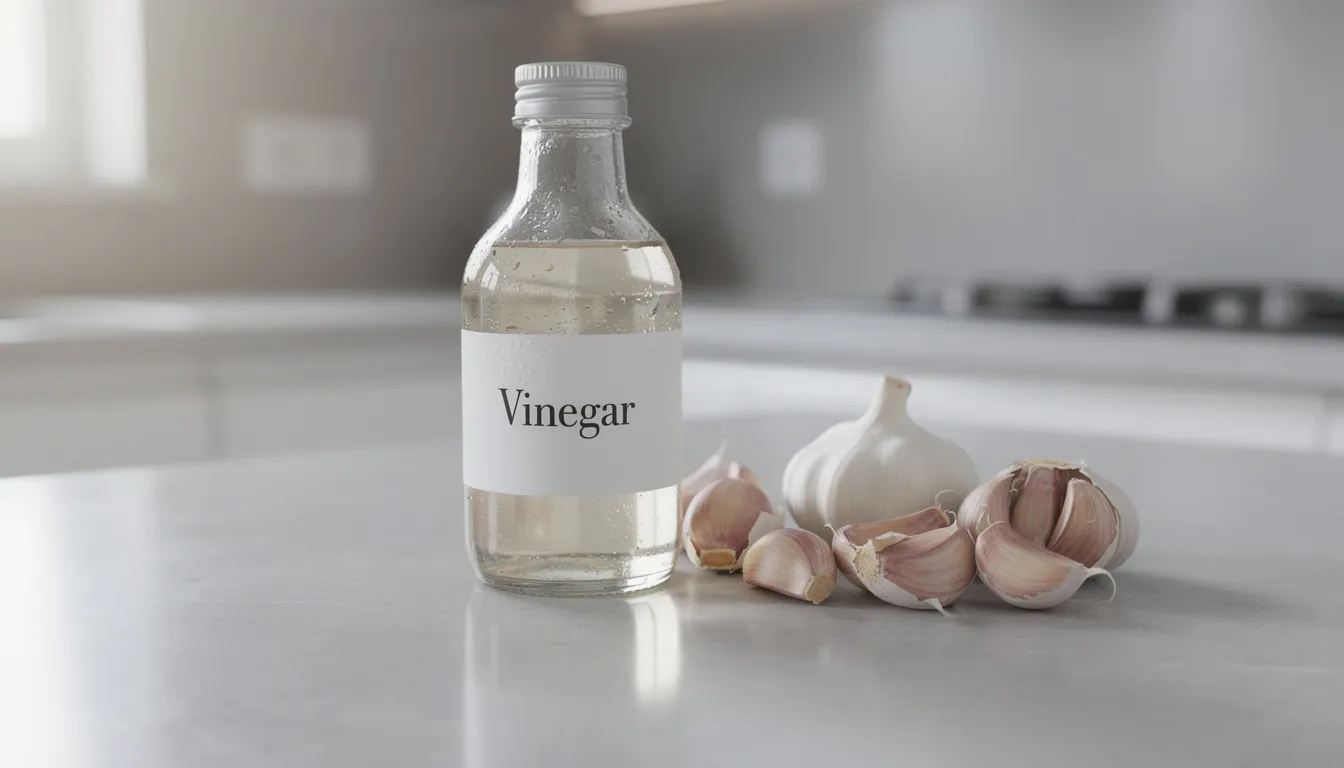
    Garlic

    Garlic has been shown to block enzymes involved in scar formation. Applying garlic oil or crushed garlic mixed with carrier oils can be an effective home remedy, but care should be taken to avoid skin irritation.

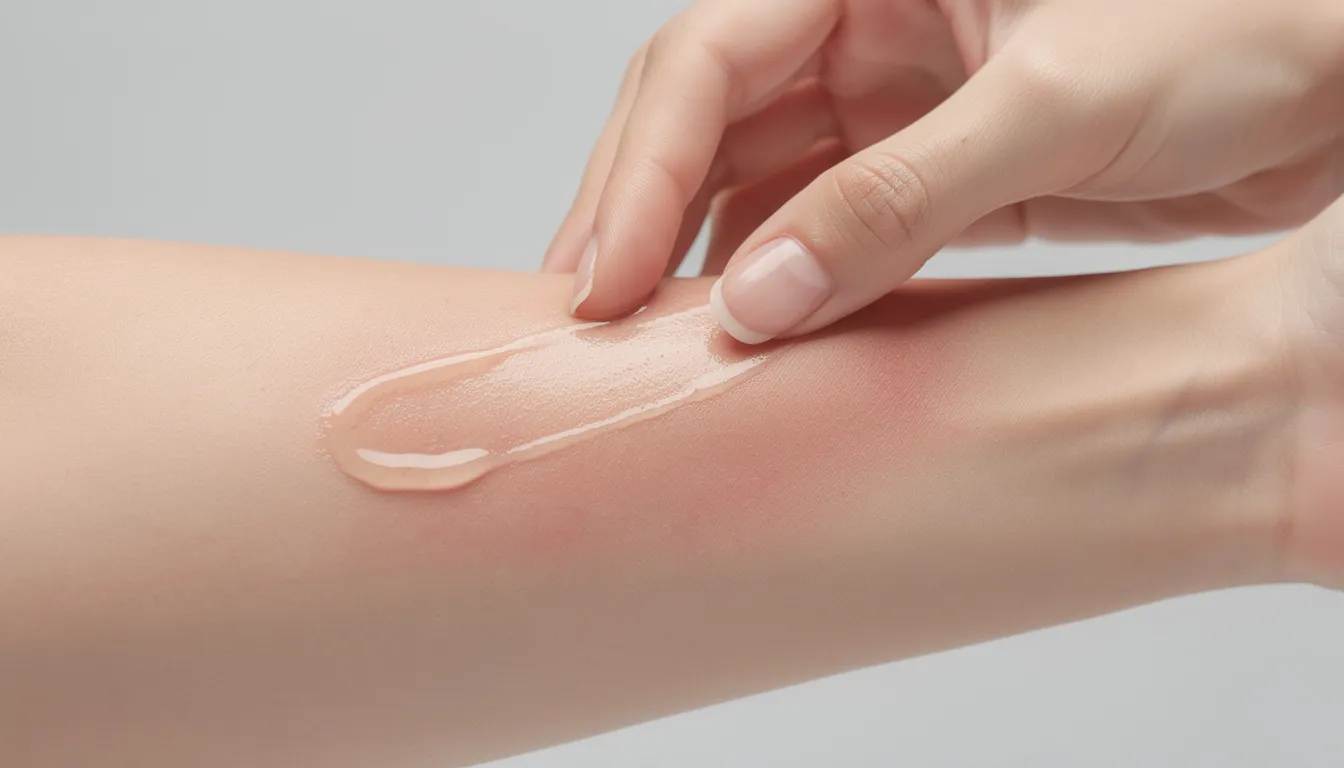
    Aloe Vera Gel

    Aloe vera gel is soothing and hydrating, helping to reduce inflammation and improve skin texture. Regular application can complement other home remedies and support the healing process.

    Gentle Massage

    Massaging the keloid with gentle pressure can improve blood flow, increase skin flexibility, and enhance the absorption of topical home remedies. Aim to massage the scar for a few minutes several times a day.


    Incorporating Home Remedies into Your Routine

    For best results, combine multiple home remedies with other natural methods like applying silicone gel and protecting scars from sun exposure. Consistency and patience are essential, as visible improvements often take several weeks to months.

    Remember, while home remedies can be helpful, they are most effective on small or newer keloids. Larger or persistent keloids may require medical treatment options in addition to home care.

    By integrating these home remedies into your daily scar management routine, you can take meaningful steps toward flattening keloid scars naturally and improving overall skin health.se.

    Understanding Keloid Scars
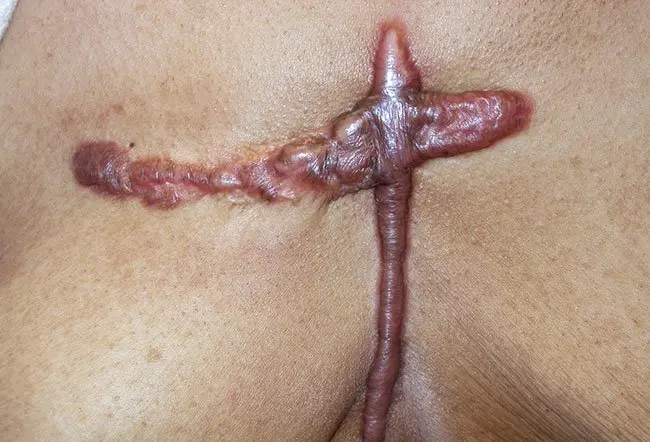
    Keloid scar develop after surgery or an injury and may continue to graow for some time.

    Keloids are raised buildups of scar tissue on the skin that form after a wound, puncture, burn, or blemish has healed. When the body produces excess collagen during the wound-healing process, keloids develop, resulting in raised, thickened scar tissue that grows beyond the original injury site. Keloids differ from hypertrophic scars because they extend beyond the boundaries of the original wound and do not regress over time.

    Before diving into treatment options, it helps to understand exactly what you’re dealing with and why keloids behave differently from normal scars.

    A keloid is a raised scar that grows larger than the original injury that caused it. Unlike typical scars that fade and flatten over time, keloids continue producing excess collagen long after the wound has healed. This creates firm, often shiny tissue that can be darker or lighter than your natural skin tone.

    Common causes of keloid formation include:

    Cause

    Risk Level

    Common Locations

    Ear piercings

    High

    Earlobes, cartilage

    Acne lesions

    Moderate

    Face, chest, back

    Surgical incisions

    Moderate-High

    Anywhere

    C-section scars

    Moderate

    Lower abdomen

    Burns

    High

    Any affected area

    Body piercing

    High

    Ears, nose, navel

    Certain people face a higher risk of developing keloids. Those with darker skin tones are significantly more prone to keloid formation, as are individuals aged 10–30 and anyone with a family history of keloids. If your parents or siblings have keloids, you’re more likely to develop them too.

    What’s the difference between keloids and hypertrophic scars?

    Hypertrophic and keloid scars look similar, but there’s a key distinction. Hypertrophic scars stay within the boundaries of the original wound and often improve on their own over 1–2 years. Keloids extend beyond the wound edge into healthy surrounding skin and rarely resolve without intervention.

    Keloids don’t disappear on their own and tend to persist for years without treatment. This is why early, consistent intervention matters so much.

    Can You Flatten Keloids Naturally at Home?

    According to dermatological research, there are no guaranteed methods of completely removing keloid scars naturally. However, this doesn’t mean home care is pointless—far from it. The goal shifts from “removal” to meaningful improvement in keloid appearance, comfort, and size.

    Natural methods to flatten keloid scars, such as onion extract, honey, and crushed aspirin, have limited scientific backing and often fail to significantly reduce established scars. However, consistent and long-term application of natural remedies may help improve the appearance of keloids, though complete removal is unlikely.

    Natural methods aim to accomplish three things:

    1. Calm inflammation that drives continued scar growth
    2. Regulate collagen production to prevent further thickening
    3. Keep scar tissue hydrated and flexible to improve texture and appearance

    In this article, “natural” means plant-based extracts, gentle massage, pressure techniques, sun protection, and lifestyle modifications that support the healing process without introducing synthetic hormones or harsh chemicals.

    Home care can often soften, flatten, and fade smaller or newer keloids, especially those on ears, chest, and shoulders. Small keloids from ear piercings and minor skin injuries respond particularly well to consistent natural treatment.

    Large, old, or very symptomatic keloids may still need medical treatment options, but natural care can reduce discomfort and support results from other treatments. Many people use herbal products alongside medical procedures for comprehensive scar management.

    Herbascar is positioned as a focused, herbal alternative for people who want to treat keloids without steroids, radiation, or surgery. It represents a middle path between doing nothing and pursuing aggressive medical interventions.

    Key Natural Methods to Help Flatten Keloid Scars

    This section covers practical, at-home techniques with simple instructions you can start implementing today. Each method addresses a different aspect of keloid care.

    The main approaches include:

    • Herbal scar liquids (like herbascar)
    • Gentle scar massage
    • Natural moisturizers and barrier support
    • Sun protection to prevent darkening

    For best results, combine several methods into a daily routine. Treating hypertrophic and keloid scars responds better to multi-pronged approaches than any single intervention.

    Safety first: Avoid breaking the skin, using harsh scrubs, or applying untested DIY acids that can worsen keloids. Damaging keloid prone skin often triggers more aggressive scar formation.

    Before using any new product on children, pregnant women, or very sensitive skin, patch testing is recommended. Apply a small amount to unaffected skin and wait 24 hours to check for reactions.

    Herbal Scar Liquids (Featuring Herbascar)

    A herbal scar liquid is a lightweight, fast-absorbing formula packed with traditional plant extracts designed to penetrate scar tissue and promote healing from within. Unlike thick creams that sit on the surface, liquids can reach deeper layers where collagen production occurs.

    Herbascar’s core benefits include:

    • 100% Chinese herbal formula with no synthetic additives
    • No hormones or steroids that could cause skin thinning
    • Non-irritating and gentle enough for sensitive areas
    • No “rebound” effect after stopping use

    The advantages over clinic-based treatment for keloids are significant. Herbascar is safe for long-term use, can be applied at home without appointments, costs far less than laser treatment or injections, and is suitable for pregnant women and children.

    Application instructions:

    1. Clean and thoroughly dry the keloid site
    2. Apply a thin layer of herbascar 2–3 times daily
    3. Gently massage for 2–3 minutes to promote absorption
    4. Allow to dry completely before covering with clothing

    Expected timeline:

    • Early itch relief: 1–2 weeks
    • Noticeable softening: 3–4 weeks
    • Visible flattening and color improvement: 5–8 weeks of continuous use

    Gentle Scar Massage

    Massage cannot erase keloids, but it can make them softer, less itchy, and more flexible over time. This simple technique improves local blood flow and helps herbal actives penetrate more effectively.

    Simple massage technique:

    1. Use clean fingertips (no long nails that could scratch)
    2. Apply herbascar to the keloid
    3. Massage in small circular motions with gentle, consistent pressure
    4. Work from the edges toward the center of the scar

    Recommended frequency is 5 minutes, 2–3 times per day. The best time is after a shower when skin is warm and more receptive.

    Massage helps by improving local circulation, aiding absorption of herbal actives, and gradually breaking down tight collagen fibers. Over weeks and months, this can meaningfully reduce keloid size and improve texture.

    Natural Moisturization & Scar Barrier Support

    Dryness can make keloids feel tighter, itchier, and more uncomfortable. Proper hydration helps improve skin flexibility and supports a healthier scar environment during recovery.

    Recommended Supportive Options

    For enhanced results, we recommend combining HerbaScar Removal Liquid with Chitosan Gel for barrier repair and moisture retention.

    Chitosan Gel – forms a breathable protective layer, helps maintain hydration, and supports a balanced healing environment after scab shedding

    Layering & Usage Instructions

    For best results:

    1. Apply HerbaScar Removal Liquid first as the active treatment.
    2. Allow the area to fully absorb and complete the natural scabbing process.
    3. After the scab has naturally shed, apply a thin layer of Chitosan Gel to:
      • Maintain moisture
      • Support skin barrier repair
      • Help reduce the risk of excessive scar tissue regeneration

    If the area feels mildly dry during treatment, a light layer of aloe vera gel may also be used for additional soothing support.

    Important Precautions

    Avoid heavy fragrances, harsh alcohol-based products, or strong essential oils on active keloids. These may irritate the area and trigger unnecessary inflammation.

    Sun Protection to Prevent Darkening

    UV exposure makes keloids darker and more noticeable, sometimes for months or years. This hyperpigmentation can persist even after you’ve successfully reduced the scar’s height.

    Sun protection recommendations:

    • Apply SPF 30+ broad-spectrum sunscreen daily on exposed scars
    • Reapply every 2 hours when outdoors
    • Use physical barriers: clothing, hats, bandages
    • Maintain protection for at least 6–12 months after injury

    Physical protection is especially important for fresh surgical scars and healing wounds. The first year is when scars are most vulnerable to UV damage and pigment buildup.

    Sunscreen can be applied after herbascar has fully dried when scars are exposed to daylight. The herbal liquid absorbs quickly, so this usually only adds a few minutes to your routine.

    Why Choose Herbascar for Natural Keloid Care?

    With many options available, why specifically consider herbascar? The answer lies in its formulation philosophy and practical advantages.

    Herbascar offers a 100% herbal Chinese medicine-based formula with no hormones, no corticosteroids, and no bleaching agents. This matters because many conventional treatments come with significant drawbacks.

    The “no rebound” advantage:

    Unlike topical corticosteroids, stopping herbascar does not trigger sudden scar thickening. Steroid-based treatments often cause skin thinning and can lead to worse outcomes when discontinued. Herbascar supports gradual, sustainable improvement.

    Convenience factors:

    • Apply at home without clinic visits
    • No injections or procedures required
    • No scheduling around appointments
    • Suitable for people in remote areas without dermatology access

    Safety profile:

    Herbascar is gentle enough for children’s scars, C-section scars, and pregnancy-related keloids. For high-risk pregnancies, checking with your OB is always advisable, but the herbal formula avoids the concerns associated with steroid absorption.

    Cost comparison:

    Treatment

    Approximate Cost

    Sessions Needed

    Laser therapy

    $200–500/session

    3–6 sessions

    Corticosteroid injections

    $100–200/injection

    4–8 injections

    Surgical excision

    $500–3000+

    1 + follow-ups

    Herbascar (3-month supply)

    Much less

    Daily application

    Several months of herbascar use costs less than a single laser session or one series of steroid injections. For families treating multiple scars or multiple family members, the savings add up quickly.

    Who Is Herbascar Best For?

    Herbascar works well for people with small to medium-size keloids from:

    • Ear piercings and body piercing
    • Acne scarring
    • C-sections and other surgical procedures
    • Minor surgeries and cuts
    • Burns and skin injuries

    It’s especially appealing to those who fear needles, want to avoid steroids, or cannot afford repeated clinic treatments. The at-home treatment option removes barriers that prevent many people from addressing their scars at all.

    People with very dark, itchy, but not massive keloids may particularly benefit from herbascar’s soothing, herbal anti-inflammatory effects. Itch relief often comes within the first 1–2 weeks, providing early encouragement to continue.

    Herbascar also works well as a maintenance product after medical procedures. Following keloid surgery or laser treatment, continued herbal care helps stabilize and soften remaining scar tissue while supporting the wound healing process.

    Important note: Extremely large, painful, or fast-growing keloids should be assessed by a dermatologist before relying on home care only. A skin biopsy may be needed to rule out other skin conditions.

    How Herbascar Consistency matters more than intensity.

    Recommended treatment duration:

    • Fresh keloids (under 1 year old): Minimum 3 months
    • Older or thicker scars: 6 months or more

    Take before-and-after photos every 4 weeks to track gradual changes in height and color. Changes happen slowly, and photos help you see progress that daily observation might miss.

    Remember: Consistency (not intensity) is the main factor in seeing visible improvement. Applying herbascar twice daily for 12 weeks will achieve optimal results compared to irregular, aggressive use.

    Traditional Herbal Ingredients Commonly Used for Keloid Scars
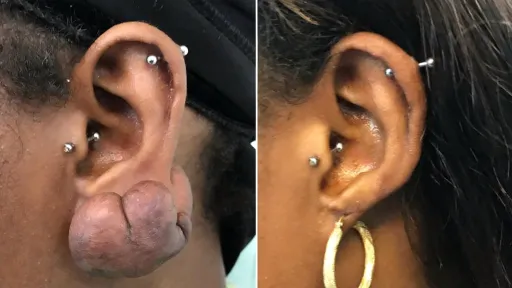
    Before and After Photos of Using HerbaScar Removal Liquid

    Chinese herbal medicine has addressed wounds and scar remodeling for centuries. Modern research is beginning to validate what traditional practitioners observed through experience.

    Research on plant-derived compounds supports the potential of herbal approaches. A 2024 review found that curcumin reduces keloid thickness and inhibits fibroblast proliferation by suppressing the TGF-β pathway. Similarly, onion extract has demonstrated ability to stop fibroblasts from entering healing skin in multiple studies.

    Combination formulas like herbascar are often more effective than single-herb DIY remedies because they target multiple healing pathways simultaneously. The synergistic effects of carefully balanced herbal extracts can produce better outcomes than any individual ingredient alone.

    Herbascar avoids common irritants and focuses on time-tested, skin-safe herbal extracts. This makes it suitable for long-term use without the concerns associated with more aggressive treatments.

    When Natural Methods Are Not Enough

    Honesty matters: some keloids are too aggressive to manage with home care alone. Recognizing when to seek professional help prevents frustration and ensures you get appropriate treatment.

    Red flags that warrant medical evaluation:

    • Rapid growth (noticeably larger week to week)
    • Intense, uncontrolled pain
    • Bleeding from the keloid
    • Signs of infection (redness spreading, warmth, discharge)
    • Restriction of joint movement
    • Emotional distress significantly impacting quality of life

    Consult a dermatologist or plastic surgeon if you see no improvement after 3–6 months of consistent natural care including products like herbascar. A professional can perform a skin biopsy if needed and recommend other treatments.

    Common medical options include:

    • Corticosteroid injections (reduce inflammation quickly)
    • Cryotherapy (freezing)
    • Laser treatment (various types for different goals)
    • Silicone gel sheets and silicone sheets (medical-grade pressure)
    • Pressure dressings and pressure earrings
    • Surgical removal (often combined with other methods to prevent keloids from recurring)

    Herbascar can still be used alongside medical treatments. Many dermatologists appreciate when patients maintain good scar hydration and support between appointments. Using herbascar after procedures helps stabilize results and promotes continued healing.

    Early treatment—within the first 6–12 months of scar formation—usually gives better outcomes than waiting. If you notice a new keloid forming, start treatment immediately rather than hoping it resolves on its own.

    How to Prevent New Keloids While You Treat Old Ones

    Prevention is much easier than reducing existing keloid scars. If you are prone to keloids, taking preventive measures can save you a lot of trouble.

    Avoidance strategies:

    • Skip unnecessary piercings, tattoos, and elective surgeries
    • Choose surgeons experienced with keloid prone skin for any needed procedures
    • Discuss preventive measures before any surgical incisions

    Proper wound care in the first 4–6 weeks:

    1. Keep wounds clean with gentle cleansing
    2. Avoid picking at scabs or healing wounds
    3. Keep skin moisturized but not overly wet
    4. Protect from friction and repeated irritation

    Once a wound has fully healed and no scabs remain, consider early use of herbascar to guide collagen into a flatter, softer scar. This proactive approach can prevent keloids from developing in the first place.

    Preventative measures like silicone sheets or soft pressure dressings on high-risk areas work well combined with herbal care. The goal is to reduce the risk of excessive scar formation before it starts.

    Daily sunscreen on new scars for at least 6–12 months prevents dark, obvious marks that draw attention. Even if you achieve good scar texture, hyperpigmentation can make scars highly visible—sun protection helps avoid this.

    Living With Keloids: Patience, Routine, and Natural Support

    Living with visible keloids affects more than just your skin. The emotional impact on confidence and daily life is real, and acknowledging this matters.

    Tracking Progress

    Here’s the encouraging truth: gradual change is normal, and small improvements in height, color, and itch can still be life-changing. A keloid that no longer itches constantly, that lies flatter under clothing, or that blends better with your skin color represents meaningful progress—even if it hasn’t disappeared entirely.

    Key Actions for Success

    • Consistent herbascar use (twice daily, minimum 3 months)
    • Gentle daily massage to promote absorption and flexibility
    • Protection from friction, trauma, and sun exposure
    • Avoiding new skin injuries in keloid-prone areas

    Commit to a 12-week home program before judging results. Take photos and notes to track progress objectively. What feels like slow progress often looks impressive when you compare week 1 to week 12.

    Emotional Impact

    Herbascar offers a simple, affordable, and family-safe way to support your skin’s natural healing without injections or surgery. For many people, this accessible treatment option opens possibilities that seemed out of reach—get rid of the itching, reduce the bulk, and feel more comfortable in your own skin.

    Your keloid journey is unique, but you don’t have to navigate it alone. With the right tools, realistic expectations, and consistent effort, meaningful improvement is within reach. Start your natural scar care routine today, and give your skin the gentle, herbal support it deserves.
  • How Much Is Keloid Removal?

    If you’ve ever searched “how much is keloid removal,” you’ve probably noticed the answers are frustratingly vague. That’s because keloid treatment isn’t a one-size-fits-all procedure — keloid removal typically ranges widely in price depending on what method you choose, where you live, and how stubborn your scar happens to be.

    In this comprehensive guide, we’ll break down real-world keloid removal costs for 2025, explain the key cost considerations that drive those prices up or down, and introduce some affordable at-home alternatives that can save you hundreds (or even thousands) of dollars.

    Quick Answer: How Much Does Keloid Removal Typically Range in 2025?

    In the US, keloid removal typically ranges from about $100 to $3,500 per session. The exact price will vary depending on the treatment method, keloid size, complexity, and where you get it done.

    Here’s a quick snapshot of typical costs:

    • Steroid injections: About $100–$300 per visit in most US clinics
    • Cryotherapy (freezing): About $100–$500 per session
    • Laser therapy: Roughly $300–$1,500 per session
    • Surgical excision: Around $1,000–$3,500 depending on size and body area
    • Radiation therapy (after surgery/Superficial Radiation Therapy – SRT): About $1,000–$2,000 per session

    Keloid removal costs in Sacramento and California generally range from $75 to over $3,000 depending on the size and treatment complexity. Surgical keloid removal typically costs between $1,000 and $3,500 in the U.S. Cryotherapy for keloid removal generally costs between $100 and $500 per session. Superficial Radiation Therapy (SRT) typically costs between $1,000 and $2,000 per session.

    Keloid removal in South Korea typically ranges from $300 to $800 for standard procedures, while specialized procedures such as ear keloid surgery can cost between $1,500 and $3,500. Keloid removal is a common procedure in many countries, including South Korea, the USA, and the UK, with varying costs and treatment options. Patients considering keloid removal abroad should also factor in additional costs such as travel and accommodation.

    The catch? Most people need multiple sessions, so total out-of-pocket costs can easily reach several thousand dollars over the course of months.

    Important note on insurance and medical necessity: Most health insurance plans will not cover keloid removal as it is usually deemed cosmetic and not medically necessary, unless the keloid is causing pain, infection, or functional problems that qualify as medical necessity.

    A Cost-Effective Alternative: At-home scar care products such as Herba Scar Removal Liquid offer a different approach. The cost of one treatment course is typically lower than a single hospital procedure. You can apply it daily at home—no clinic visits, no anesthesia, and no hidden fees.

    Average Keloid Removal Costs by Treatment Type

    The prices below reflect typical fees charged by private clinics in the United States for 2024–2025. If you are located in major metropolitan areas such as New York, Los Angeles, or Miami, you can expect costs to be at the higher end of these ranges. Surgical excision is generally more expensive than non-surgical options like steroid injections, cryotherapy, or laser therapy.

    Treatment Method

    Price Per Session (USD)

    Estimated Sessions

    Approximate Total Cost

    Steroid injections

    $100–$300

    4–6 visits

    $400–$1,800

    Cryotherapy

    $100–$500

    3–6 visits

    $300–$3,000

    Pulsed dye laser therapy

    $300–$1,500

    3–8 visits

    $900–$12,000

    Surgical excision

    $500–$3,500

    1 procedure

    $500–$3,500+

    Radiation therapy (SRT)

    $1,000–$2,000

    2–4 sessions

    $2,000–$8,000

    Cryotherapy for keloid removal generally costs between $100 and $500 per session. Superficial Radiation Therapy (SRT) typically costs between $1,000 and $2,000 per session.

    Quick pros and cons of each:

    • Steroid injections: Affordable per visit, but requires multiple sessions and may cause skin thinning
    • Cryotherapy: Works well for smaller keloids, but can cause permanent skin lightening on darker skin
    • Laser treatment (e.g., pulsed dye laser, fractional laser therapy): Advanced, non-invasive option for reducing keloid scars; helps reduce redness and flatten scars, but multiple treatments add up fast
    • Surgical keloid excision: Fastest debulking option, but has up to 90% recurrence rate without additional treatment
    • Radiation therapy: Most effective at preventing regrowth when combined with surgery, but expensive

    Here’s the reality many clinics don’t advertise upfront: most dermatologists recommend combining treatments. A keloid removal procedure often involves surgery followed by steroid injections or radiation — which means you’re paying for multiple modalities, not just one.

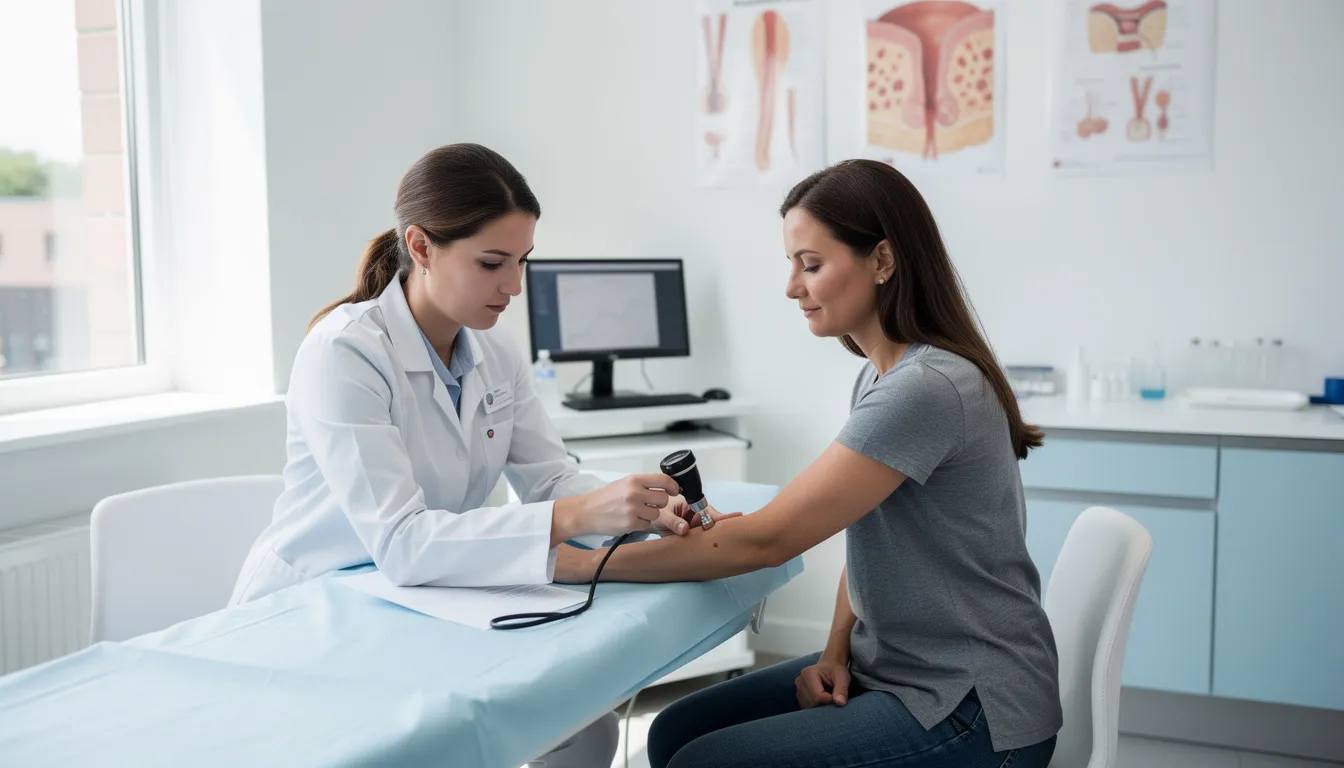
    A dermatologist is seen examining a patient's skin during a consultation, likely discussing treatment options for keloid scars. The setting suggests a focus on medical treatment and possible keloid removal procedures, which may include discussions about costs and various therapies.

    Other Factors That Change the Price of Keloid Removal

    The price you see on a clinic’s website is just a starting point. Your actual bill depends heavily on the specifics of your scar and the clinic’s policies.

    Main factors influencing your final cost:

    • Keloid size and thickness: Larger, thicker “cauliflower-like” scars take longer to treat and incur higher costs than small, flat ones
    • Location on the body: Earlobes may be cheaper to treat; chest, shoulders, back, and jawline often cost more due to higher tension and greater risk of recurrence
    • Number of keloids: Some clinics offer per-scar pricing, while others provide package deals for multiple scars
    • City and country: Metropolitan US and UK clinics charge premium rates compared to lower-cost regions in parts of Asia or Latin America
    • Doctor’s experience: Board certified plastic surgeons and senior dermatologists typically charge higher fees than general practitioners, as plastic surgery expertise is crucial for both functional and aesthetic outcomes in keloid removal
    • Anesthesia requirements: A simple procedure using local anesthesia costs less than surgical keloid removal requiring general anesthesia in an operating room
    • Post-treatment care: Dressings, silicone sheets, pressure earrings for ear keloids, medications, and follow up visits all add to the overall cost

    Keloid removal is a common procedure in many countries, including South Korea, the USA, and the UK, with varying costs and treatment options. South Korea, in particular, is known for offering competitive pricing and high-quality medical expertise for keloid removal.

    Real example: A single small ear keloid in Miami might cost $500–$1,800 to excise, while a large chest keloid needing keloid surgery plus radiation therapy could easily exceed $5,000 when you factor in facility fees and follow-ups.

    Before committing to any treatment plan, ask the clinic for a written quote that includes consultation fees, all treatment sessions, follow up visits, and any recommended combination therapies to ensure optimal results.

    Is Keloid Removal Covered by Insurance?

    Most health insurance plans in the US and UK classify keloid scar removal as cosmetic, especially if you’re seeking treatment purely for appearance reasons. This means you’re typically on the hook for the full cost.

    When insurance might help:

    Coverage becomes more likely when you can document that the keloid is considered medically necessary due to:

    • Persistent pain, itching, or burning that affects sleep or work, especially if the keloid is causing pain
    • Recurrent infection, ulceration, or bleeding in the scar tissue
    • Interference with movement (large shoulder or joint keloids)
    • Functional issues like keloids obstructing ear canals or pulling on eyelids

    Some insurance carriers may cover steroid injections or surgical revisions if keloids are causing pain or functional issues.

    The typical approval process:

    1. Get a consultation with a dermatologist or plastic surgeon
    2. Doctor documents symptoms, previous failed treatments, and functional problems
    3. Submit prior authorization with written medical justification to your insurance provider
    4. Even with approval, expect co-pays, deductibles, and limits on number of covered sessions

    What about at-home products?

    Over the counter products like herbascar’s Herba Scar Removal Liquid typically aren’t covered by insurance plans, but the good news is they’re affordable enough that most people can pay out-of-pocket without financial strain — often less than a single clinic co-pay.

    Pro tip: Before starting any expensive treatment plan, call your insurance provider directly with the exact billing codes from the clinic. This gives you a clear picture of your real out-of-pocket cost before you commit.

    About Keloid Scars: Why They’re Hard (and Expensive) to Remove

    A keloid is a type of raised scar that forms when your body produces too much collagen during the healing process. Unlike normal scars that stay within the original wound boundaries, overgrown scar tissue extends into the surrounding skin and keeps growing even after the initial injury has healed.

    What keloids look and feel like:

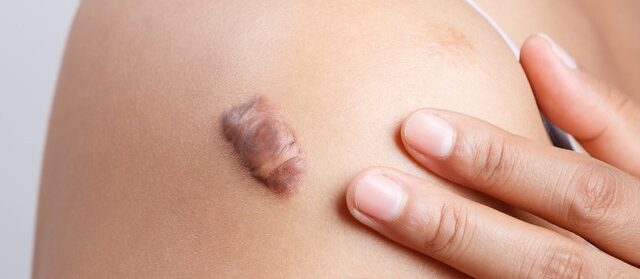
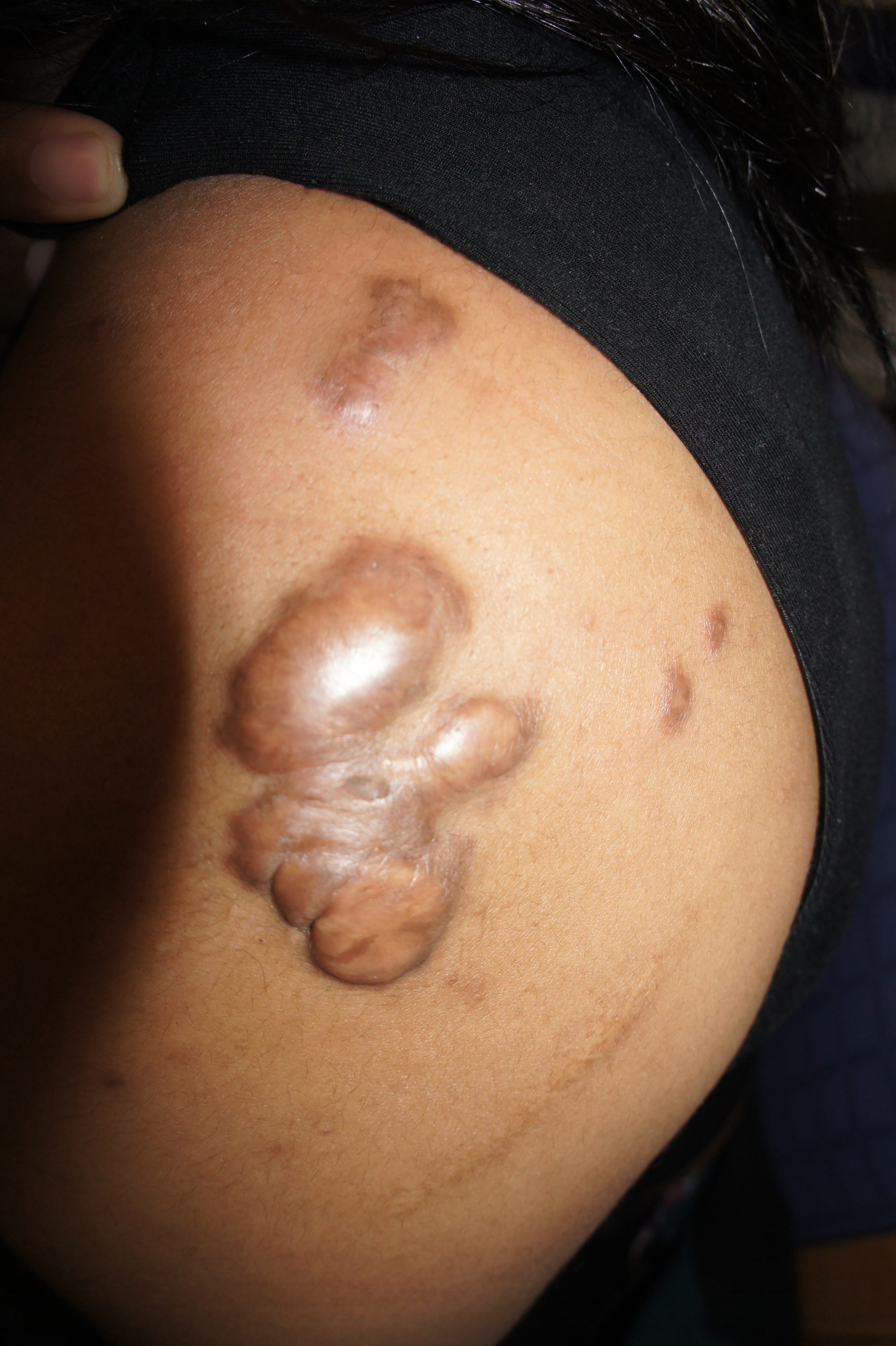
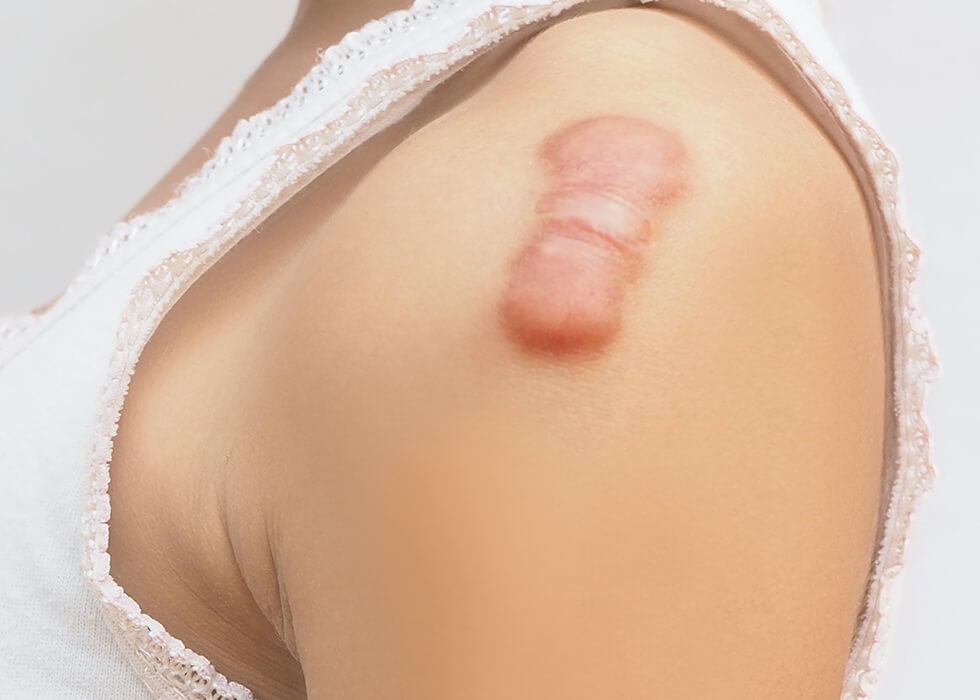
    woman's shoulder with scars.
    • Firm, raised, and rubbery texture
    • Shiny or smooth surface
    • Colors ranging from pink to red to deep brown or purple depending on skin color
    • Keloid scars can appear anywhere on the body but are most commonly found on the upper chest, shoulders, and earlobes. They are also frequently seen on the upper back, jawline, and cheeks.

    Common causes of keloid formation:

    • Body piercings, especially on ears and cartilage
    • Acne, particularly severe or cystic breakouts
    • Surgical incisions
    • Burns and cuts
    • Even minor injuries like insect bites in susceptible individuals

    Keloids can form after skin trauma, including cuts, burns, and piercings, and are more common in individuals with darker skin tones.

    Why people seek treatment:

    Beyond cosmetic concerns, keloids can be raised scars causing discomfort and significantly affect confidence and quality of life. Common symptoms include persistent itching, tenderness, pain when the scar is pressed or rubbed by clothing, and tightness that limits movement.

    The stubborn truth about keloids:

    Keloids are benign and not contagious, but they’re notoriously difficult to eliminate permanently. Surgical removal alone has up to a 90% recurrence rate — the keloid often grows back even larger than before. This is why doctors typically recommend combining surgery with steroid injections, radiation therapy, or pressure therapy, which drives up both the complexity and cost of treatment.

    Understanding this recurrence challenge explains why many people now explore gentler, more sustainable options alongside or instead of aggressive medical treatment.

    Treatment Options: From Hospital Procedures to At‑Home Care

    Managing keloid scars is more about controlling and improving them over time than expecting instant erasure. Most people find the best results come from a combination of approaches — sometimes clinical, sometimes at-home, often both.

    Medical Treatments Performed in Clinics

    These methods are performed by dermatologists, plastic surgeons, or specialized scar treatment clinics. Costs generally range from about $100 per injection session up to several thousand dollars for complex surgical procedures.

    Steroid injections (Corticosteroids)

    • What it does: Flattens and softens the scar by reducing inflammation and slowing collagen production
    • Who it’s for: Most common first-line treatment for keloids of any size
    • Sessions needed: Usually 4–6 injections, spaced 2–6 weeks apart
    • Total cost: Approximately $400–$1,800
    • Limitations: May cause skin thinning or discoloration; keloid may return after stopping treatment

    Cryotherapy

    • What it does: Freezes the keloid with liquid nitrogen, causing the tissue to break down
    • Who it’s for: Smaller keloids, especially on ears
    • Sessions needed: Usually 3–6 sessions
    • Total cost: Approximately $300–$3,000
    • Limitations: Can cause permanent hypopigmentation (lightening) on darker skin tones

    Laser therapy (Pulsed dye laser or Fractional CO2)

    • What it does: Uses targeted light energy to reduce redness, flatten raised tissue, and stimulate healthy skin remodeling
    • Who it’s for: Keloids with significant redness or those that haven’t responded to injections
    • Sessions needed: Often 3–8 sessions
    • Total cost: Approximately $900–$12,000 depending on laser type and area
    • Limitations: Requires multiple treatments; may cause temporary swelling and downtime

    Surgical excision

    • What it does: Physically cuts out the keloid under local anesthesia (or general anesthesia for larger keloids)
    • Who it’s for: Large, bulky keloids or those causing functional problems
    • Sessions needed: One surgery, but typically followed by additional treatment to prevent regrowth
    • Total cost: $500–$3,500+ plus adjunct therapy costs
    • Limitations: Highest upfront cost; greater risk of recurrence without follow-up radiation or injections

    Radiation therapy

    • What it does: Low-dose X-rays applied after surgery to prevent keloid regrowth
    • Who it’s for: High-risk keloids on chest, shoulders, or in patients with history of recurrence
    • Sessions needed: Usually 2–4 sessions
    • Total cost: Approximately $2,000–$8,000
    • Limitations: Expensive; concerns about long-term radiation exposure

    All of these advanced therapies should be chosen and monitored by a qualified healthcare provider, especially for keloids on the face, chest, or large body areas where risk factors for complications are higher.

    At‑Home Alternatives: Introducing Herba Scar Removal Liquid

    Not everyone can afford repeated clinic visits or tolerate invasive procedures. Many people prefer to start with non-invasive, at-home options — either as a first step or as ongoing maintenance after medical treatment.

    What is Herba Scar Removal Liquid?

    Herba Scar Removal Liquid is herbascar’s signature scar care product, formulated with traditional Chinese herbal medicine principles specifically for keloid and raised scar management.

    Key advantages:

    • Pure herbal formula: Free from added hormones and steroids, making it safe for long-term use
    • Gentle on skin: Generally suitable for most skin types, including sensitive skin
    • Easy self-application: Apply at home with a cotton swab or fingertips — no clinic visits, no anesthesia, no facility fees
    • Highly affordable: One bottle costs significantly less than a single steroid injection session in most cities
    • Gradual improvement: Designed to soften, lighten, and smooth raised scars over consistent use, helping relieve tightness and discomfort

    How to use Herba Scar Removal Liquid:

    1. Clean the scar area gently and pat dry
    2. Apply a thin layer of the liquid 2–3 times per day
    3. Use continuously for several weeks to months — scar tissue remodels slowly, so patience is key

    Honest positioning:

    Herba Scar Removal Liquid is a non-surgical, non-radiation option best suited for:

    • People with mild-to-moderate keloids
    • Early raised scars before they become large and firm
    • Maintenance care after hospital-based treatment
    • Anyone who wants to avoid the pain and downtime of clinical procedures

    It’s not designed as an instant “erase” solution for very large, old keloids. For those cases, professional evaluation remains important.

    When to see a doctor instead:

    If your scar suddenly grows rapidly, becomes intensely painful, or shows signs of infection (redness spreading, pus, fever), stop any home treatment and consult a doctor immediately.

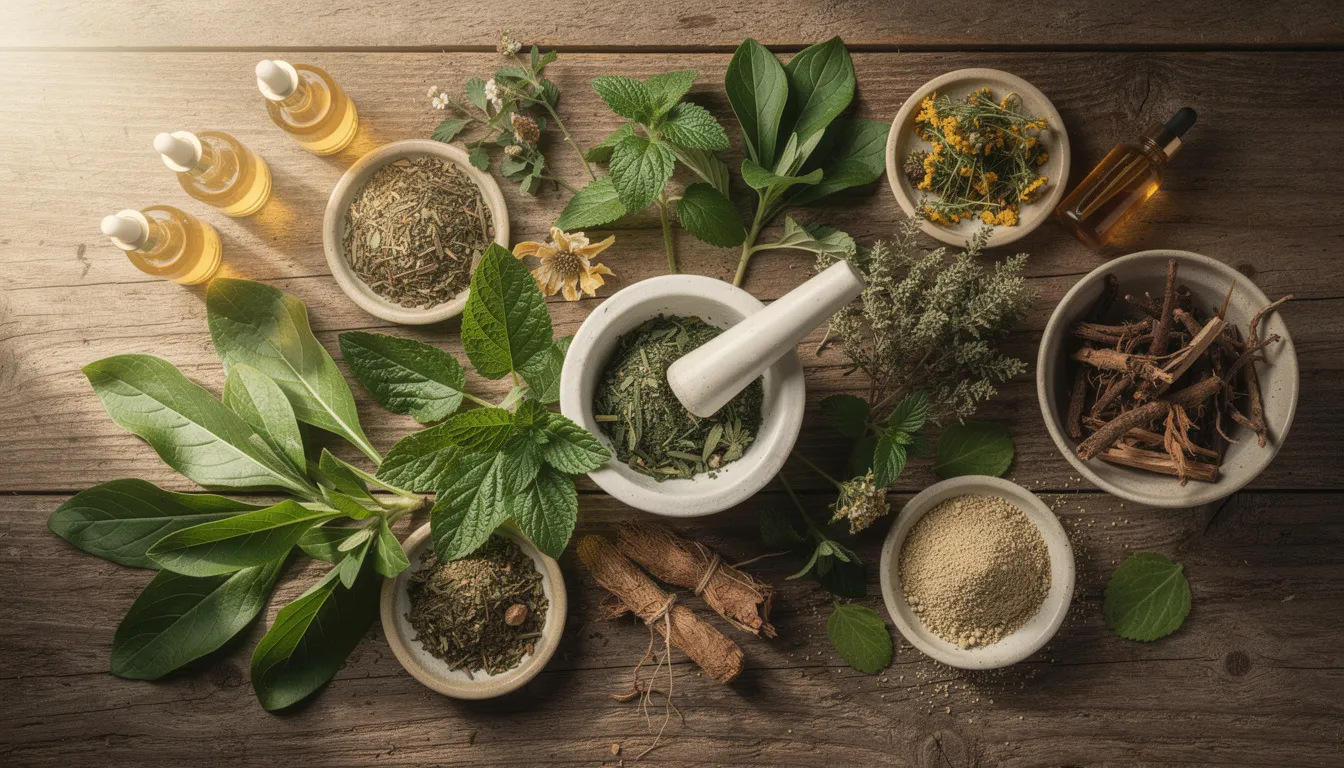
    The image features an array of natural herbal ingredients, including various plants and botanical extracts, suggesting a focus on holistic approaches to skin health. These ingredients may be used in treatments for keloid scars, emphasizing the connection between natural beauty and effective keloid treatment options.

    How Herba Scar Removal Liquid Compares in Cost to Hospital Treatments

    Let’s put the numbers side by side:

    Treatment Approach

    Estimated Cost

    Notes

    Hospital steroid injection plan (4–6 sessions)

    $600–$1,800

    Requires multiple clinic visits, potential hidden fees

    Herba Scar Removal Liquid (full course)

    Fraction of injection cost

    Apply at home, no additional fees

    Beyond the sticker price, Herba Scar Removal Liquid saves you on:

    • Consultation fees for each visit
    • Transportation costs and time off work
    • Facility charges often buried in hospital bills
    • The stress of repeated clinic appointments

    This makes Herba Scar Removal Liquid a low-risk, low-cost starting point for:

    • Students and young adults on tight budgets
    • People paying fully out of pocket without insurance coverage
    • Anyone not ready to commit to surgery or radiation
    • Those seeking ongoing care between clinical treatments

    Risks and Complications of Keloid Removal

    While keloid removal can offer significant relief from the discomfort and self-consciousness caused by keloid scars, it’s important to recognize that every keloid treatment comes with its own set of risks and potential complications. Understanding these risks allows you to make informed decisions and set realistic expectations for your healing journey.

    Common risks associated with keloid removal include:

    • Infection: Any medical treatment that breaks the skin—whether through surgical keloid removal, keloid excision, or even steroid injections—carries a risk of infection. Prompt care and antibiotics can usually resolve this, but it’s crucial to monitor for redness, swelling, or discharge.
    • Recurrence: Perhaps the most frustrating complication, keloid scars have a high tendency to return, sometimes even larger than before. This is especially true after surgical excision if not combined with adjunct therapies like steroid injections or radiation therapy.
    • Additional Scarring: Surgical keloid removal and keloid excision can sometimes result in new or more pronounced scarring, particularly in individuals prone to overgrown scar tissue.
    • Skin Changes: Treatments such as steroid injections may cause thinning or discoloration of the skin, while laser therapy (including pulsed dye laser) can lead to temporary redness, swelling, or changes in pigmentation—effects that may be more noticeable on darker skin tones.
    • Radiation Therapy Risks: While radiation therapy can help prevent keloid recurrence, it is not without its own risks, including skin irritation, delayed healing, and, in rare cases, an increased risk of skin cancer with repeated exposure.
    • Other Side Effects: Fatigue, discomfort, and sensitivity in the treated area are not uncommon, especially after more intensive procedures.

    Because every case of keloid scars is unique, it’s essential to discuss your personal risk factors and medical history with a qualified healthcare provider before starting any keloid removal procedure. A tailored approach—balancing the benefits of treatment with the potential for complications—will help you achieve the best possible outcome for your skin.


    Recovery and Aftercare: What to Expect Post-Treatment

    The healing process after keloid removal is just as important as the procedure itself. Proper recovery and aftercare can make a significant difference in your results, comfort, and the long-term appearance of your keloid scars.

    What to expect after different keloid removal treatments:

    • Surgical Keloid Removal: After surgical excision, it’s normal to experience some pain, discomfort, and swelling. Your healthcare provider may recommend pain medication and cold compresses to ease symptoms. Keeping the area clean and dry is vital to prevent infection, and you’ll likely need follow up visits to monitor healing and remove sutures if necessary.
    • Steroid Injections: These treatments may cause temporary redness, swelling, or tenderness at the injection site. These effects usually resolve on their own, but it’s important to avoid scratching or irritating the area as it heals.
    • Laser Therapy: Laser treatments, such as pulsed dye laser, often require multiple sessions for optimal results. After each session, you may notice redness or mild swelling. Protecting the treated skin from sun exposure with sunscreen or protective clothing is crucial to prevent pigmentation changes and support the healing process.
    • Radiation Therapy: This advanced therapy can cause fatigue, skin redness, and irritation. Your provider may recommend soothing topical creams and plenty of rest during recovery.

    General aftercare tips for all keloid removal treatments:

    • Wound Care: Follow your provider’s instructions for cleaning and dressing the area to minimize infection risk and support healthy healing.
    • Sun Protection: Newly treated skin is especially sensitive. Use broad-spectrum sunscreen and avoid direct sun exposure to reduce the risk of discoloration and further irritation.
    • Follow Up Visits: Regular check-ins with your healthcare provider are essential to monitor progress, address any complications early, and adjust your treatment plan as needed.
    • Patience and Consistency: Healing from keloid removal—whether through surgery, steroid injections, or laser therapy—takes time. Multiple sessions may be necessary, and visible improvement often occurs gradually over weeks to months.

    By understanding what to expect and committing to diligent aftercare, you can maximize the benefits of your keloid treatment and support your skin’s natural beauty and resilience. Always consult your healthcare provider for personalized guidance throughout your recovery journey.

    FAQs About Keloid Removal and Price

    Here are answers to the most common questions about keloid treatment costs and expectations.

    What Type of Doctor Should I See for Keloid Removal?

    • Dermatologists are usually the first choice for steroid injections, cryotherapy, and laser therapy
    • Board certified plastic surgeons often handle larger or complex keloids, especially on the face, chest, and ears
    • General practitioners can provide referrals but typically don’t perform keloid removal themselves

    If you’re using at-home products like Herba Scar Removal Liquid on a very large or rapidly growing scar, it’s still wise to get a baseline consultation with a dermatologist for proper diagnosis and safety monitoring.

    How Many Treatments Will I Need?

    Most clinical treatments for keloid removal require multiple sessions:

    • Steroid injections: Often at least 4 sessions, spaced 2–6 weeks apart
    • Cryotherapy/laser therapy: Often 3–7 sessions or more depending on response
    • Surgery: One main operation, but commonly followed by several injection or radiation sessions

    Each additional treatment adds to the total cost, which is why an initially “cheap” price per session can still become expensive overall.

    For Herba Scar Removal Liquid: It’s a daily routine product rather than a one-time procedure. Typical visible changes may take several weeks, with continued improvement over a few months of consistent use.

    Are There Ways to Lower Keloid Removal Costs?

    Absolutely. Here are some practical strategies:

    • Ask about package pricing for multiple sessions when you book
    • Compare quotes from different providers in your city and nearby towns
    • Check teaching hospitals or public hospital clinics, which often offer lower fees
    • Start with affordable at-home options like Herba Scar Removal Liquid for milder scars, reserving expensive procedures for severe cases
    • Time your treatment strategically — newer keloids respond better, potentially requiring fewer sessions

    Important warning: “Cheaper” should never mean unsafe. Avoid unlicensed injections or unverified drugs, which can cause serious complications including infection and worsened scarring.

    Can I Prevent New Keloids and Save on Future Treatment?

    If you have a family history of keloids or darker skin tones (which carry higher risk), prevention is your best cost-saving strategy:

    • Avoid unnecessary piercings or elective surgery in high-risk areas like chest, shoulders, and upper ears
    • Treat acne aggressively to prevent deep scarring
    • Protect healing wounds from sun exposure, tension, and repeated rubbing

    Early intervention matters: Using gentle scar care products like Herba Scar Removal Liquid once a wound has fully closed may help keep new scars flatter and lighter — potentially reducing the need for more aggressive, expensive treatments down the road.

    Bottom Line: Choosing the Right Keloid Removal Plan for Your Budget

    Here’s what you need to remember:

    • Keloid removal in 2025 typically ranges from about $100 to over $3,500 per treatment session depending on method, with many people needing multiple sessions
    • Insurance often doesn’t cover purely cosmetic removal, so ask detailed questions about costs before starting any treatment plan
    • Hospital procedures can be effective but expensive — and recurrence remains a real challenge even after successful treatment
    • Factors like keloid size, body part location, and geographical location significantly affect pricing

    Where Herba Scar Removal Liquid fits in:

    Herbascar’s Herba Scar Removal Liquid offers an affordable, pure-herbal

  • Keloid Specialist: Understanding Keloid Scars & At‑Home Herbal Treatment with herbascar

    If you’re searching for a keloid specialist or seeking effective ways to manage keloid scars, you’re in the right place. This comprehensive guide is designed for people living with keloids or those seeking treatment options for themselves or loved ones. We’ll cover what keloids are, how they differ from other scars, why consulting a keloid specialist is crucial, the latest medical and at-home treatments (including herbal options), and practical steps for daily care. Understanding keloids matters because these scars can impact your confidence, comfort, and quality of life—and specialist care is often key to achieving the best results.

    What is a keloid scar?

    Keloids are excessive scarring that can develop into large, noticeable growths extending beyond the original wound dimensions. The scar extends beyond the confines of the original wound. A keloid scar is usually firm, rubbery, shiny, and may vary in color from pink to dark brown. Keloid scars occur when the body continues to produce tough, fibrous protein known as collagen after a wound has healed. Unlike normal scars that gradually flatten and fade, keloid scars keep growing beyond the edges of the original wound, sometimes for months or even years after the injury has healed. This happens when your body produces too much collagen—the fibrous protein that helps wounds heal—and the scar tissue just doesn’t know when to stop.

    Now that you understand what keloids are, let’s explore how they differ from other types of scars.

    Common causes and appearance of keloids

    • Common causes include everyday events: ear piercing (especially in teenagers), acne on the chest or back, C-section surgical scars, vaccination marks on the shoulder, and cuts or burns from kitchen accidents.
    • Appearance: Keloids typically feel hard or rubbery to the touch. They’re raised above the surrounding skin, with a smooth and shiny surface. The color can range from pink or red to dark brown, often appearing darker on deeper skin tones.
    • Common body areas: Earlobes, shoulders, upper chest (sternum area), back, jawline, and chin are the most keloid-prone zones.
    • Not dangerous, but bothersome: Keloids are benign—they are not cancer and won’t spread to other parts of your body. However, they can be itchy, painful, pull the skin tight, and significantly affect someone’s appearance and confidence.
    Scar on human skin keloid on shoulder

    Understanding the causes and appearance of keloids helps you recognize them early. Next, let’s compare keloids to other types of scars so you can identify what you’re dealing with.

    Keloid vs. hypertrophic scar vs. contracture: what’s the difference?

    When people see a raised scar, they often assume it’s a keloid. But not all raised scars are created equal. Understanding the differences helps you set realistic expectations and choose the right treatment approach.

    • Keloid scar: Grows beyond the original wound border and keeps thickening over several months or even years. Often itchy or painful. Higher risk in people with darker skin tones and those with a family history of keloids. Think of it as a scar that “spreads outside the lines.”
    • Hypertrophic scar: Also raised and red, but it stays within the original wound line—like a scar from a cut or surgery that puffs up but doesn’t expand outward. These often improve over 6–18 months and may respond well to gentle massage and silicone sheets.
    • Contracture scar: Most often seen after burns. The skin tightens and pulls, potentially limiting movement of joints like fingers, elbows, or neck. May require surgery or physical therapy to restore function.
    • Why this matters: Knowing which type of scar you have helps you and your doctors create an individualized treatment plan with appropriate expectations. A keloid will likely need more aggressive or longer-term care than a hypertrophic scar that may flatten on its own.

    Now that you can distinguish between scar types, let’s look at why some people are more prone to keloids than others.

    Why do some people get keloids? (Causes & risk factors)

    Keloids happen because of “over-healing”—your body’s wound repair system goes into overdrive and keeps producing collagen long after the injury has closed. But why does this happen to some people and not others?

    • Genetic factors: People of African, Asian, and Latino descent have a higher risk of developing keloids. If your parents or siblings have keloids, your risk is significantly higher.
    • Trigger events: Ear piercings (especially in teenagers), picking at acne on the chest and back, shaving cuts on the jawline, C-section and other surgical scars, insect bites, and even chickenpox marks can all trigger keloid formation.
    • Keloid-prone zones: The chest bone (sternum), shoulders, upper back, lower face, and earlobes are particularly vulnerable areas.
    • Age pattern: Keloids are more common in teens and young adults (around ages 10–30) because the healing process is more active in younger skin cells.
    • Prevention tip: If you know you’re prone to keloids—perhaps you’ve had one before or have family members with them—think carefully before getting new piercings or undergoing “just for fun” cosmetic procedures. Discussing your risk with a board certified dermatologist or keloid specialist beforehand can save you from complications later.

    Understanding your risk factors is the first step in prevention and early intervention. Next, let’s discuss when it’s time to see a keloid specialist.

    When should you see a keloid specialist?

    Not every scar needs a doctor’s attention. Many small or stable keloids can be managed at home. But some situations call for professional evaluation to prevent the scar from getting worse.

    • Rapid growth or persistent symptoms: Your keloid is rapidly growing, very itchy, painful to press, or keeps getting thicker after 6–12 months of healing.
    • Location issues: The keloid is near a joint (neck, shoulder, finger) and affects movement, or it’s on a visible area like your face or ear and causes serious self-consciousness about your appearance.
    • Previous treatment failure: You’ve tried steroid injections, surgical removal, or laser treatments and the keloid kept coming back or got larger each time.
    • Document your progress: Keep photos with dates (every 2–3 months) to show the specialist how your keloid changes over time. This helps them understand your case better.
    • What a specialist typically does: They’ll examine the scar type, ask about your family history and previous wounds, review what has been treated before, and discuss both hospital-based options and at-home care approaches you can combine for better results.
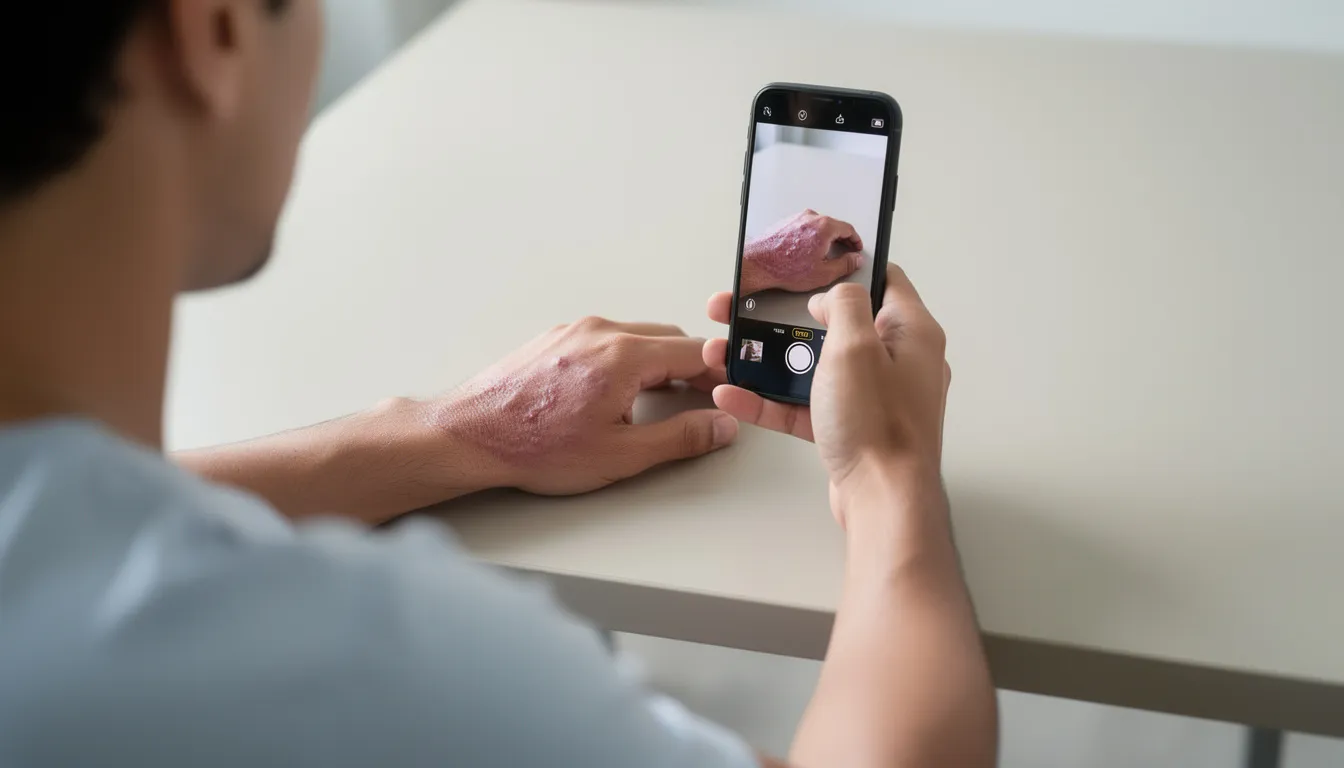
    The image shows a person documenting their arm with a smartphone, focusing on the keloid scars present on the skin. The surrounding skin appears healthy, highlighting the contrast between the raised scars and the normal skin texture.

    If you’re considering professional help, understanding the importance of a consultation with a keloid specialist is essential. Let’s dive into what to expect and how to choose the right expert.

    Importance of Consultation with a Keloid Specialist

    A thorough consultation with a board-certified keloid specialist or dermatologist is crucial. During this appointment, the specialist will evaluate your scar type, discuss various treatment options and techniques, and provide an individualized treatment plan tailored to your needs. Consultations with keloid specialists often include discussions about treatment options and expected outcomes. This is your opportunity to ask all my questions and get clear answers about the risks, benefits, and expected outcomes of each treatment.

    Patients should seek board-certified specialists with additional training in surgical dermatology or membership in the American Society for Dermatologic Surgery. A board-certified dermatologist can provide tailored keloid scar removal strategies. It is recommended to request before-and-after portfolios showcasing similar skin tones from specialists. It is advisable to ask specialists about their personal recurrence rates for keloids and their treatment methodologies during consultations.

    Transitioning from consultation to treatment, let’s review the most common medical treatments used by keloid specialists.

    Choosing a Specialist: What to Look For

    Selecting the right specialist is a critical step in your keloid treatment journey. When dealing with keloid scars, it’s essential to seek out a board-certified dermatologist who specializes in dermatologic surgery and scar revision. These experts possess a deep understanding of the healing process, including how collagen—a fibrous protein—contributes to the formation and persistence of scar tissue.

    A qualified specialist should be able to walk you through a full spectrum of treatment options, from surgical removal and steroid injections to advanced laser treatments and laser resurfacing. They will help you weigh the benefits and risks of each approach, ensuring your individualized treatment plan is tailored to your unique skin type, scar history, and lifestyle needs.

    Look for a doctor who stays current with the latest technology, such as state-of-the-art lasers, to minimize complications and optimize results. During your consultation, don’t hesitate to ask about their experience with keloid treatment, their approach to minimizing recurrence, and their track record with similar cases. The right dermatologist will prioritize both the appearance and health of your skin, guiding you through every step of the treatment process with transparency and expertise.


    Insurance Coverage for Keloid Treatments

    Navigating insurance coverage for keloid treatment can be complex, as policies and benefits vary widely. In many cases, insurance companies will cover surgical removal of keloids, especially if the scar is causing discomfort, restricting movement, or impacting daily life. However, coverage for other procedures—such as laser treatments, steroid injections, or combination therapies—may be more limited or require additional documentation.

    It’s important to contact your insurance provider before starting any treatment to clarify what is included in your plan. Some insurers may require a referral from your primary care physician or pre-authorization for certain procedures. Be sure to ask about potential out-of-pocket expenses, including deductibles, co-payments, and any costs not covered for specific keloid treatments or injections. Understanding your insurance benefits upfront can help you make informed decisions and avoid unexpected financial burdens as you pursue the most effective care for your keloids.


    Common medical treatments used by keloid specialists

    Hospital-based keloid treatment can be effective, but it’s important to set realistic expectations. These procedures can be painful, expensive, and unfortunately, keloids have a tendency to come back. Understanding your options helps you make informed decisions.

    Steroid Injections

    • Steroid injections (e.g., triamcinolone): Given directly into the keloid every 4–6 weeks, these injections can soften and flatten raised scars over time. However, they may cause skin thinning, color changes in the surrounding skin, and recurrence is common when treatment stops.

    Surgical Removal

    • Surgical removal: Cutting the keloid out under local anesthesia. Important caveat: without additional therapy like steroids, radiation therapy, or a pressure garment, the new wound can develop an even larger keloid than before.

    Radiation Therapy

    • Radiation therapy: Sometimes performed right after keloid surgery to reduce recurrence. Research suggests specific doses (BED of 30-40 Gy) may help prevent regrowth, but this is typically reserved for difficult cases in dermatologic surgery settings.

    Laser Therapy

    • Laser therapy: Some dermatologists use specific lasers to reduce redness and thickness. May require multiple sessions over several months and tends to be relatively costly. Laser resurfacing can help improve texture but is rarely a complete solution alone.

    Silicone Sheets and Pressure Earrings

    • Silicone sheets and pressure earrings: Worn daily for several months, these are often used for fresh earlobe keloids after piercing or scar revision surgery. They work by applying constant gentle pressure to flatten the healing tissue.

    Combining Approaches

    • Combining approaches: Many patients combine specialist care with gentle long-term home care to maintain results and reduce new keloid formation. This is where products like Herba Scar Removal Liquid can play a supportive role.

    After understanding these standard treatments, let’s look at some advanced techniques that specialists may use for challenging cases.

    Additional Treatment Techniques: Z Plasty and Dermabrasion

    When surgical removal of keloid scars is considered, specialists may use advanced techniques like z plasty, which reorients the scar to better align with natural skin creases and reduce tension. This technique helps minimize the visibility of scars and improves skin mobility, especially when scars affect underlying muscles or joint movement.

    Dermabrasion is another option used primarily for facial scars and involves removing the upper layers of skin to smooth the texture and reduce the appearance of raised scars. This method can also help improve skin texture and reduce fine lines or wrinkles around the scarred area.

    With a solid understanding of both standard and advanced treatments, let’s discuss the role of supportive care, including vitamins and medications, in your keloid management plan.

    Supporting Healing: Vitamins and Medications

    In addition to procedural treatments, some specialists may recommend certain vitamins or topical medications to support the skin’s natural healing process and improve the overall appearance of the scar and surrounding skin. Proper wound care and nutrition can aid in minimizing scar thickness and enhancing skin regeneration.

    Supportive care is just one part of a comprehensive approach. Next, let’s look at the different forms keloid scars can take and why this matters for your treatment plan.

    Different Forms of Keloid Scars

    Keloids can present in various forms, from small, discrete nodules to large, irregularly shaped growths that extend beyond the original wound. Understanding the specific form of your keloid helps your specialist choose the most effective treatment approach to rid or reduce the scar tissue while preserving skin function and aesthetics.

    By incorporating these advanced techniques and comprehensive care strategies, your keloid specialist team aims to provide the best possible outcomes, helping you regain smooth, healthy skin and improved confidence.

    Now, let’s explore how at-home care, including herbal options, can support your long-term scar management.

    Herbal home‑care option: Herba Scar Removal Liquid from herbascar

    For people who prefer a gentler, non-surgical approach—or who want to support their skin between clinic visits—daily at-home care can make a real difference. Herba Scar Removal Liquid from herbascar offers a natural option for those seeking long-term scar management without injections or hospital procedures.

    • What it is: Herba Scar Removal Liquid is a topical liquid you apply directly onto scars at home. No needles, no appointments, no clinic visits required.
    • The formula: Made with 100% traditional Chinese herbal (TCM) plant-based ingredients. No added steroids, no hormones, and no harsh chemicals—making it suitable for long-term use under normal conditions.
    • Key benefits:
      • Helps soften and gradually flatten raised scars and keloids with consistent use
      • Aims to reduce itchy and tight sensations thanks to soothing herbal extracts
      • Supports more even skin tone around the scar area over time
      • Works on improving the overall texture of scarred skin
    • How to use (brief): Clean and dry the scar, then apply a thin layer of Herba Scar Removal Liquid 2–3 times a day. Suitable for use on areas like ears, chest, back, abdomen, arms, and legs. Avoid open wounds and eyes.
    • Convenience and cost: No need to take time off work or school for clinic visits. Relatively affordable compared with repeated steroid injections, laser treatments, or surgery. Most patients appreciate being able to care for their scars on their own schedule.
    • No rebound effect: Because the formula doesn’t rely on steroids, users don’t face “rebound thickening” that can happen when suddenly stopping hormonal medications. This makes it more stable for long-term scar management.
    • For severe cases: If you have a rapidly growing or very thick keloid, you should still be evaluated by a keloid specialist or dermatologist. Herba Scar Removal Liquid can be discussed as a complementary home-care option to use alongside professional treatment.
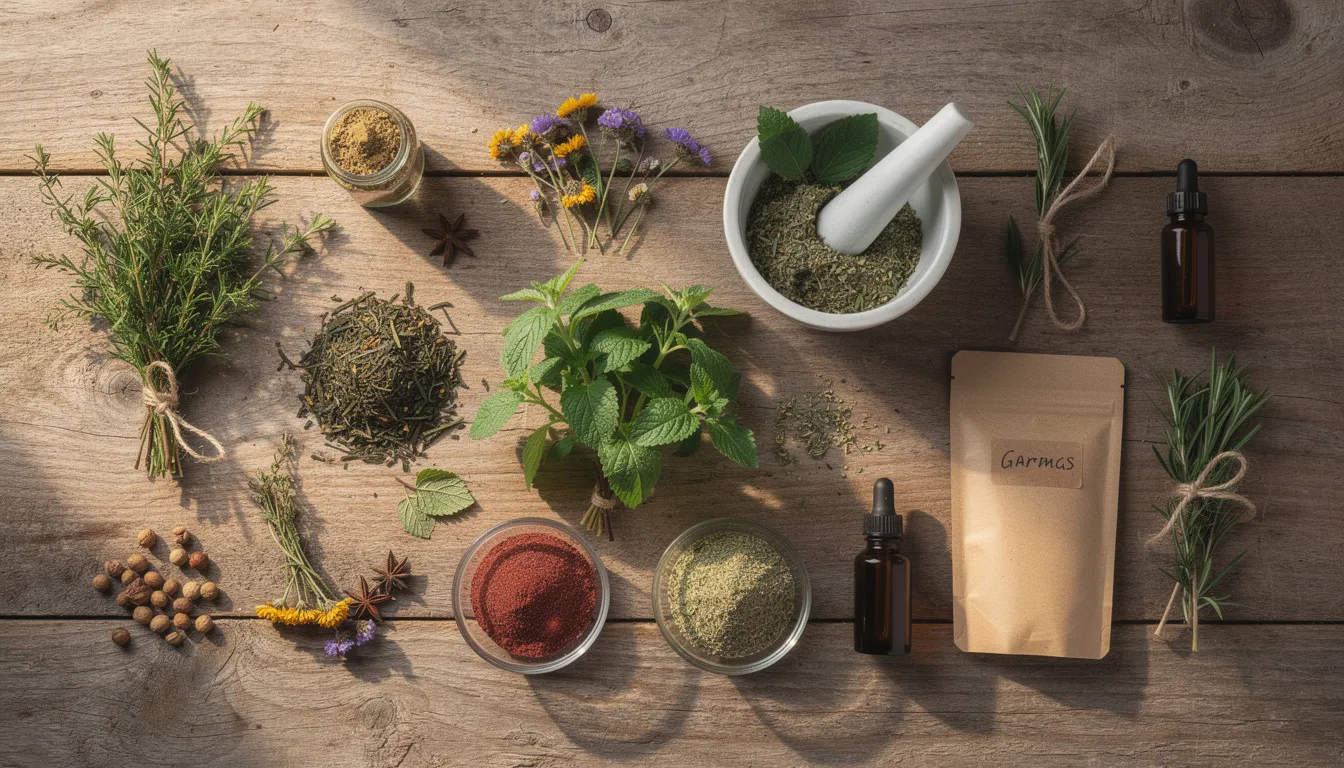
    The image features an array of natural herbal plants and botanical ingredients artfully arranged on a wooden surface, highlighting the beauty of nature's remedies. These ingredients may be used in various treatments, including keloid treatment and scar revision, emphasizing the connection between natural healing and dermatologic care.

    To get the most from this herbal option, let’s walk through the step-by-step application process.

    How to use Herba Scar Removal Liquid step by step

    Consistency matters more than quantity. Using a thin layer regularly over time produces better results than applying a lot of product occasionally. Here’s how to make Herba Scar Removal Liquid part of your daily routine:

    1. Confirm the wound is closed: Only use on fully healed skin. This means no fresh blood, no yellow fluid, and no open areas. Typically, you can start about 2–3 weeks after stitches are removed or after the scab has naturally fallen off.
    2. Clean the area: Wash gently with mild soap and water. Pat dry with a soft towel. Avoid strong alcohol or harsh irritants around the scar.
    3. Apply a thin layer: Use the applicator or a cotton swab to cover just the scar and a small margin of surrounding skin. Don’t rub too hard, especially on sensitive areas like the chest or neck.
    4. Frequency: Apply 2–3 times per day, at minimum morning and night. For older, thicker scars, expect to continue for at least 3–6 months to see meaningful improvement.
    5. Daily habits: Avoid excessive sun exposure on scars (UV can darken them). Use sunscreen or clothing protection. Resist the urge to scratch, even when the scar feels itchy.
    6. Combining with doctor care: If you’ve received steroid injections or surgery recently, ask your doctor when you can safely start or resume using Herba Scar Removal Liquid on the healing wound. The healing process takes time, and timing matters.

    With these steps, you can confidently incorporate Herba Scar Removal Liquid into your daily scar care routine. Next, let’s see who can benefit most from this product.

    Who is Herba Scar Removal Liquid suitable for?

    This product is designed for ordinary people who want a simpler, more natural approach to scar care—whether before, after, or instead of hospital treatments.

    • Suitable scar types: Keloid scars after ear piercing, acne scars on chest and back, small surgical scars like C-section or laparoscopic scars, and fresh hypertrophic scars at risk of becoming keloids.
    • Lifestyle fit: Busy office workers, students, and postpartum mothers who cannot visit hospitals frequently but want continuous scar care at home. If clinic visits are difficult to schedule, home care becomes essential.
    • For needle-shy individuals: People who are afraid of injections or surgery yet still wish to improve the appearance and texture of their scars can use this as a first-line approach.
    • Post-treatment maintenance: For those who have already tried treatments with steroids and worry about side effects, swelling, bruising, or rebound thickening, Herba Scar Removal Liquid offers a non-hormonal alternative for long-term maintenance.
    • Precautions: Children, pregnant women, or individuals with very sensitive or allergy-prone skin should perform a small patch test first. If you develop redness, itching, or irritation, discontinue use and consult a doctor. When in doubt, ask your dermatologist.
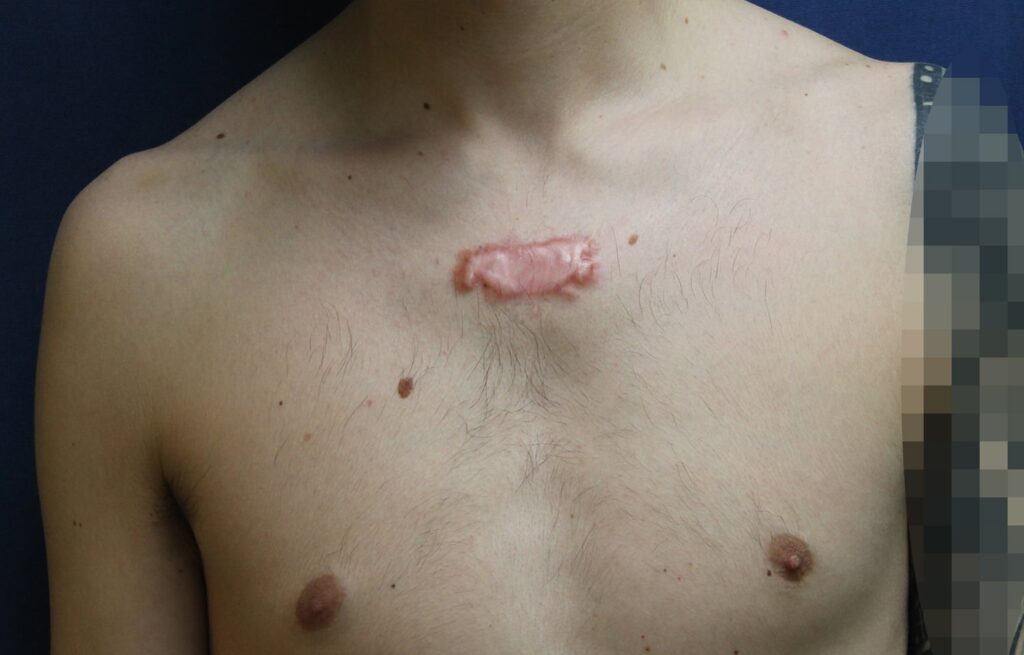
    keloid on the chest

    Knowing who can benefit from this product helps you decide if it’s right for you. However, there are times when you should seek medical help instead of relying solely on home care.

    Recovery: What to Expect After Treatment

    Recovery following keloid treatment depends on the specific procedure performed and your body’s natural healing process. After surgical removal, it’s common to experience redness, swelling, and bruising around the treated area—these effects may persist for several months as the skin gradually heals and scar tissue softens. If you receive steroid injections or undergo laser treatments, side effects are typically milder but may include temporary discomfort, itching, or localized swelling.

    Your dermatologist will provide detailed post-treatment instructions to minimize the risk of complications. This may include keeping the area clean, applying prescribed topical medications, and, in some cases, wearing a pressure garment to help flatten and soften the scar. Medications may also be recommended to reduce the risk of infection or further irritation. By closely following your doctor’s guidance, most patients can expect steady improvement in the appearance and texture of their scars, with the greatest changes often visible over several months.


    Resuming Normal Activities After Keloid Treatment

    Returning to your regular routine after keloid treatment is an important part of the healing process, but it’s essential to do so with care. After surgical removal, your doctor may advise you to avoid strenuous activities—such as heavy lifting, bending, or intense exercise—for several weeks to prevent trauma to the healing area. For less invasive treatments like steroid injections or laser treatments, restrictions are usually fewer, but it’s still wise to protect the treated skin from friction, pressure, or accidental injury.

    Always follow your dermatologist’s recommendations regarding when and how to resume work, exercise, and social activities. Most patients can gradually return to normal activities within a few weeks to several months, depending on the treatment performed and individual healing rates. Taking these precautions helps minimize the risk of complications and supports optimal results from your keloid treatment.


    Preventing Future Scarring

    Preventing new keloid scars begins with proactive wound care and healthy skin habits. After any injury or procedure, keep the area clean and follow your doctor’s instructions for applying topical medications. Avoid picking at scabs or scratching healing skin, as this can cause additional trauma and increase the risk of abnormal scar tissue formation. Protect your skin from sun exposure by using a high-SPF sunscreen, as UV rays can darken and thicken scars, making them more noticeable.

    If you have a history of keloid scars, consult a board-certified dermatologist for personalized advice on prevention and early intervention. They can recommend strategies and treatments tailored to your skin type and risk factors. Maintaining a balanced diet, staying hydrated, and supporting healthy skin cells through good nutrition and regular exercise can also help minimize the risk of future scarring. By taking these steps, you can improve the appearance of your skin and reduce the likelihood of developing new keloids after injury or surgery.

    When to be cautious and seek medical help

    While many keloids can be managed at home with patience and consistency, certain warning signs require prompt professional evaluation. Don’t ignore these:

    • Rapid changes: If your keloid suddenly enlarges quickly within weeks, becomes very painful or warm to the touch, or develops open sores or oozing, seek medical help right away.
    • Signs of infection: Red streaks spreading from the scar, fever, or severe tenderness around the area may indicate infection. See a doctor promptly—this isn’t something topical products can fix.
    • Chronic health conditions: People with diabetes, immune disorders, or other chronic diseases should discuss any scar problems with their physician before starting any new product, including herbal formulas.
    • Facial scar concerns: Scars very close to the eyes, lips, or nostrils should be assessed by a specialist before trying any topical treatment. These areas are sensitive and any trauma or injury needs careful evaluation.
    • Know the limits: herbascar products are not a substitute for emergency care, surgery, or radiation therapy when those procedures are clearly needed. However, they can be a valuable part of long-term supportive care after professional treatment or for milder cases.

    If you experience any of these warning signs, prioritize a visit to your keloid specialist or dermatologist. For ongoing care, let’s summarize how to build your own “keloid specialist team” at home.

    Summary: Working with your “keloid specialist team” at home

    Managing keloids is a long-term commitment—often requiring both medical support and consistent patient self-care. Think of it as building your own “keloid specialist team” that includes your doctors, your daily habits, and your at-home treatment products.

    • Key takeaways: Keloids are overgrown scars caused by excess collagen production. Some people are genetically prone to them. Hospital treatments like steroid injections, surgical removal, radiation therapy, and laser therapy can help but often require multiple sessions and come with risks of recurrence and complications.
    • Daily habits matter: Sun protection, not scratching (even when it’s itchy), and consistent topical care are just as important as occasional clinic visits for minimizing keloid growth and maintaining smooth skin.
    • Your herbal option: Herba Scar Removal Liquid from herbascar is a practical, plant-based, non-steroid option that you can safely and affordably use at home over months. It’s designed to soften scars, reduce tightness, and support natural healing without the medications and side effects of steroid-based treatments.
    • Track your progress: Take photos of your scars regularly and communicate with your doctors if you’re combining clinic treatment with Herba Scar Removal Liquid. This helps everyone see what’s working.
    • Take action: If you’re ready to take a gentler approach to keloid care, consider adding Herba Scar Removal Liquid from herbascar to your personal “keloid specialist” toolkit at home. Stay consistent, stay patient, and stay informed about any changes that might need professional attention. Your skin—and your confidence—will thank you.
  • Essential Oils for Keloid Scars: A Practical Guide

    Introduction: What to Expect from This Guide

    This guide is designed for individuals seeking natural and effective options to manage keloid scars. Essential oils have been used for centuries to encourage skin regeneration, reduce discoloration, and enhance elasticity. Several studies have explored the effectiveness of essential oils, such as lavender oil, in promoting wound healing and reducing scarring. Here, you’ll find a comprehensive overview of essential oils for keloid scars, including the science behind their use, practical application tips, and guidance on when to seek medical advice. Whether you are exploring alternatives to conventional treatments or looking to complement your current scar care routine, this guide will help you understand how essential oils may help soften, fade, and reduce the appearance of keloid scars while promoting overall skin health.

    We invite you to explore this guide for natural solutions and a deeper understanding of essential oils for keloid scars.

    Keloid Formation and Wound Healing Basics

    What Are Keloid Scars?

    Keloid on the arm

    Keloid scars are raised, thickened areas of skin that develop at the site of skin injury. Unlike normal scars, keloids grow beyond the original wound boundary and can continue to enlarge over time, impairing the skin’s elasticity and appearance.

    Wound Healing Phases

    Wound healing occurs in several phases: inflammation, tissue formation, and remodeling. In most cases, scars form as part of the natural healing process, with scar tissue gradually flattening and fading as the skin remodels itself.

    Fresh scars, which are still in the early stages of healing, are more responsive to certain essential oil treatments. Early intervention on fresh scars may help prevent long-term scarring.

    Why Keloids Form

    Keloids are often caused by excessive, chronic inflammation and disorganized collagen production during healing. This abnormal response leads to the buildup of dense, fibrous tissue that resists normal remodeling, resulting in visible, sometimes uncomfortable scars.

    Understanding how keloids form helps explain why certain essential oils may be beneficial, as discussed in the next section.

    Overview: Essential Oils and Wound Healing for Keloid Scars

    What Are Essential Oils?

    Essential oils are concentrated plant extracts known for their therapeutic properties. They have been used for centuries to promote skin health, thanks to their anti-inflammatory, antimicrobial, antioxidant, and skin-regenerating effects.

    How Essential Oils Help Keloid Scars

    Essential oils can help soften, lighten, and smooth scar tissue over time. Their anti-inflammatory, antimicrobial, and regenerative properties are believed to reduce the appearance of keloid scars by calming inflammation, supporting healthy skin regeneration, and preventing infection in the affected area.

    For example, lavender oil promotes new cell growth and supports skin healing, making it beneficial for treating both stretch marks and keloid scars. Lavender essential oil is especially valued for its soothing properties, helping to reduce irritation and redness. Research suggests that lavender oil can speed up wound closure, enhance wound contraction, and stimulate the production of essential proteins like collagen. It also has antimicrobial properties that help prevent infection in wounds, promoting better healing and improving collagen synthesis for smoother scars.

    Peppermint essential oil is another option, known for its anti-inflammatory effects. It can help reduce erythema (redness) and improve the overall appearance of wounds, making it a useful addition to topical scar treatments.

    Almond oil is often used for its moisturizing and skin-softening properties, and it works well in combination with essential oils like lavender to support scar reduction and maintain skin elasticity during healing. Jojoba oil, a natural moisturizer that closely resembles the skin’s own sebum, improves flexibility and hydration, making it suitable for daily use, especially for concerns like stretch marks that can occur during pregnancy.

    A combination of essential oils, when properly combined with carrier oils such as almond or jojoba, can enhance wound healing and scar reduction. The synergistic effects of these blends are often needed to optimize tissue regeneration and minimize scarring effectively.

    Tea tree oil is known for its antimicrobial and anti-inflammatory benefits, which can help prevent infection in new wounds and minimize redness in old scars. Its antiseptic properties make it excellent for treating acne-related keloids and alleviating the itching commonly associated with keloids. Carrot seed essential oil offers antimicrobial and antifungal benefits that assist in tissue repair, especially for older scars. Frankincense essential oil supports cell turnover and helps reduce the appearance of both fresh and mature scars. Rosehip oil, rich in vitamins A and C, boosts collagen production and improves skin tone, making it effective for fading dark acne scars. Castor oil, with its high ricinoleic acid content, helps soften hard, fibrous tissue and smooth the skin’s texture. Helichrysum is regarded as the most potent essential oil for keloids due to its ability to reduce inflammation and promote tissue regeneration.

    Pregnancy is a time when stretch marks and scars can form due to rapid skin stretching, and using oils like almond, jojoba, or rosehip can help prevent or reduce their appearance.

    In summary, the answer to which essential oil is best for keloid scars depends on your scar type, skin, and individual needs. A thoughtful combination of essential oils and carrier oils, tailored to your specific situation, is often the most effective approach for scar reduction and skin healing.

    Limitations of Essential Oils and a Superior Alternative

    While essential oils offer some benefits, their effects on stubborn keloid scars are often limited due to the dense, fibrous nature of keloid tissue, which is difficult for topical oils to penetrate deeply. Many users find essential oils provide only modest improvement and require long-term, consistent application with variable results.

    For those seeking a more effective, science-backed solution, traditional Chinese medicine offers a powerful alternative: Herba Scar Removal Liquid. Unlike surface-level essential oils, Herba Scar uses a clinical-grade, deep-penetrating liquid extract formulated through a 90-day cold fermentation process. This advanced formula targets the hardened collagen matrix within the dermis, promoting deep tissue remodeling, reducing itching, and accelerating scar softening and shedding.

    Herba Scar Removal Liquid’s unique transdermal delivery system, driven by botanical actives like Borneol and Panax Notoginseng, bypasses the epidermis to reach the dermal root of keloids, offering a level of efficacy that essential oils alone cannot match. For individuals frustrated by the limited results of essential oils

    Choosing the Best Essential Oils for Keloid Scars

    Selecting the best essential oils for keloid scars is a crucial step in supporting your skin’s healing process and improving scar appearance. Keloid scars, which often form after injury, surgery, acne, or piercings, can be particularly stubborn due to their raised, dense collagen structure. To effectively reduce scarring and promote smoother, healthier skin, it’s important to choose essential oils that target multiple aspects of scar formation—hydration, collagen support, and inflammation control.

    Lavender essential oil stands out as a must-have for anyone managing keloid scars. Its powerful anti-inflammatory and antibacterial properties help soothe irritation, calm redness, and reduce the risk of infection in the affected area. By supporting wound healing and encouraging new tissue formation, lavender essential oil can help soften and lighten both fresh and mature scars.

    Tea tree oil is another excellent choice, especially for scars that are prone to infection or result from acne. Its strong antimicrobial and antibacterial effects help keep the wound clean, allowing the skin to heal without further complications. Tea tree oil also helps reduce inflammation, which is key to minimizing the formation of excess scar tissue.

    Rosehip oil is widely recognized for its ability to boost collagen production and enhance skin hydration. Rich in vitamins A and C, rosehip oil supports the regeneration of healthy skin cells and improves overall skin texture. This makes it ideal for reducing the appearance of old scars, stretch marks, and even acne scars.

    By combining these essential oils, you can address the multiple factors that contribute to keloid formation—supporting collagen remodeling, maintaining hydration, and reducing inflammation. When used consistently as part of your scar care routine, these oils can help improve the appearance of keloid scars and promote optimal skin health.

    For best results, shop for high-quality essential oils from reputable sources to ensure safety, trust, and effectiveness in your skin healing journey. Keloda Scar Care Oil, infused with essential oils, is also available for purchase online as a convenient option for targeted scar care.

    Benefits of Lavender Essential Oil for Keloid Scars

    Lavender essential oil is widely regarded as one of the best essential oils for addressing keloid scars, thanks to its remarkable ability to support skin health and promote a smoother, more even complexion. When you apply lavender essential oil—always diluted with a carrier oil such as jojoba or coconut oil—to the affected area, you harness a powerful combination that works on multiple levels. This blend not only helps soften and hydrate scar tissue but also encourages the production of collagen, which is essential for reducing scarring and improving skin texture over time.

    Lavender essential oil is especially valued for its soothing and anti-inflammatory properties, making it an excellent treatment for both old scars and acne scars. By calming inflammation and supporting healthy tissue formation, lavender helps minimize the appearance of raised, discolored scars and promotes a more balanced skin tone. Its gentle nature means it can be used regularly as part of your skincare routine, delivering best results when applied consistently to the affected area.

    The combination of lavender essential oil with nourishing carrier oils like jojoba or coconut enhances absorption and maximizes the benefits for scar reduction. Over time, this approach can lead to visibly smoother, softer skin and a noticeable improvement in the appearance of keloid scars. For anyone seeking a natural, widely trusted solution to reduce scarring and support overall skin health, lavender essential oil is an excellent choice.


    Tips for Applying Essential Oils

    To achieve the best results when using essential oils for scar reduction, it’s essential to apply them correctly and safely. Start by always diluting your chosen essential oil with a carrier oil such as jojoba or coconut oil. This not only protects your skin from irritation but also enhances absorption, allowing the active ingredients to penetrate more effectively. A typical dilution ratio is 1-2 drops of essential oil per teaspoon of carrier oil.

    Before applying the mixture to a larger area, perform a patch test on a small section of skin to check for any sensitivity or allergic reaction. This simple step can prevent unwanted irritation and ensure your skin responds well to the treatment.

    Once you’ve confirmed the blend is safe, gently massage the diluted essential oil into the affected area. Focus on the scar tissue, using circular motions to encourage absorption and stimulate micro-circulation. For best results, apply the blend twice daily and allow it to fully absorb before covering the area or applying other products.

    Consistency is key—regular application over time is necessary to see visible results in scar reduction and skin texture improvement. Always choose high-quality, pure essential oils and carrier oils, free from additives or synthetic chemicals, to maximize the benefit to your skin health.

    By following these tips, you can safely incorporate essential oils into your scar care regimen, supporting the healing process and working towards smoother, healthier-looking skin.

    Achieving Visible Results with Essential Oils

    Achieving visible results in scar reduction and skin health is possible when you explore the variety of essential oils available and apply them as part of a consistent, targeted routine. By combining essential oils such as tea tree oil and rosehip oil, you can create a potent blend that addresses multiple aspects of scar healing—hydration, elasticity, and tissue regeneration. For best results, always dilute your chosen essential oil with a carrier oil like coconut or almond oil, which not only enhances hydration but also helps soften mature scars and improve overall skin appearance.

    Regular application is key to seeing results. When you apply these combinations to the affected area, you support wound healing, reduce the appearance of stretch marks, and promote smoother, more radiant skin. Tea tree oil is particularly effective for reducing inflammation and preventing infection, while rosehip oil boosts collagen production and helps even out skin tone, making it ideal for old scars, acne scars, and keloids.

    By incorporating essential oils into your daily skincare regimen, you can take proactive steps toward scar reduction and improved skin health. The synergy of essential oils and carrier oils works to soften scar tissue, enhance elasticity, and promote healing, allowing you to achieve the visible results you desire. Whether you are targeting mature scars, stretch marks, or acne scars, this natural approach offers a safe and effective way to support your skin’s recovery and reveal a smoother, healthier complexion over time.

    Essential Oil Safety Precautions

    When incorporating essential oils into your scar reduction routine, prioritizing safety is essential to protect your skin and maximize results. Essential oils are highly concentrated extracts, and while they offer a variety of benefits for wound healing, hydration, and collagen support, improper use can impair skin health or even worsen inflammation—especially for those prone to keloids or with sensitive skin.

    Dilution is Key:Always dilute essential oils with a carrier oil before applying them to the affected area. Carrier oils such as jojoba oil, coconut oil, or almond oil not only reduce the risk of irritation but also enhance hydration and allow the active ingredients to penetrate more effectively. For best results, combine 1-2 drops of your chosen essential oil—such as lavender essential oil, tea tree oil, or rosehip oil—with a teaspoon of carrier oil. This combination supports smoother skin, improves elasticity, and helps reduce scarring over time.

    Patch Test for Sensitivity:Before using any new essential oil blend, perform a patch test. Apply a small amount of the diluted mixture to a discreet area of skin and wait 24 hours to check for any signs of redness, itching, or inflammation. This simple step is especially important for those with a history of keloids, acne scars, or mature scars, as their skin may be more reactive. A patch test helps prevent unwanted irritation and ensures your skin can tolerate the blend.

    Choose the Right Oils for Your Scar Type:Selecting the best essential oils depends on the type of scar or injury you are treating. For example, lavender essential oil is ideal for soothing and calming the skin, making it excellent for both fresh and old scars. Tea tree oil’s antibacterial properties help prevent infection in acne scars and new wounds, while rosehip oil promotes collagen production and hydration, supporting scar reduction and improving the appearance of stretch marks. For enhanced elasticity and hydration, consider adding almond or jojoba oil to your blend. Peppermint oil can be included for its cooling, anti-inflammatory effects, particularly when combined with other oils for mature scars.

    Application Tips for Optimal Results:Gently massage the diluted essential oil blend into the scar tissue, focusing on the affected area. Use circular motions to stimulate micro-circulation and allow the skin to absorb the benefits. Consistency is crucial—apply the blend twice daily and give your skin time to respond. Avoid using undiluted essential oils directly on the skin, as this can cause irritation or impair the healing process.

    Quality Matters:For the best results, always choose high-quality, pure essential oils and carrier oils, free from synthetic additives or fragrances. This ensures you receive the full benefit of their anti-inflammatory, antibacterial, and collagen-promoting properties.

    Consult When Needed:If you have concerns about which essential oil combination is right for your skin type or scar, or if you experience persistent irritation, consult a healthcare professional or certified aromatherapist. This is especially important for individuals with a history of severe keloids, allergies, or sensitive skin.

    By following these essential oil safety precautions, you can confidently explore a variety of natural options for scar reduction, supporting wound healing and achieving smoother, healthier-looking skin over time.

  • Keloid Treatment Over the Counter: What Really Works on Raised Scars?

    Introduction

    If you’re struggling with raised scars or are concerned about developing keloids after a skin injury, this article is for you. Here, we provide a comprehensive overview of keloid treatment over the counter (OTC), focusing on what works, who benefits most, and why OTC options matter for prevention and symptom management. Whether you have a history of keloids or want to prevent them after surgery, piercings, tattoos, or acne, understanding your options can help you make informed decisions about your skin health.

    What is a keloid?
    A keloid is a raised scar that forms due to excessive collagen production during the healing process. Keloids can develop after skin injuries such as surgeries, piercings, tattoos, or acne. They often extend beyond the original wound and can be itchy, painful, or cosmetically concerning.

    Why OTC treatments matter:
    OTC remedies are most effective for preventing new keloids or managing smaller ones but seldom eliminate large, established keloids. Early intervention with the right products can make a significant difference in scar appearance and comfort, especially for those at higher risk.


    Summary: Most Effective Over-the-Counter Keloid Treatments

    Looking for quick answers? Here are the top OTC keloid treatments and their roles:

    • Silicone Sheets (ScarAway, Kelo-cote):
      Best for prevention and early intervention. These form a protective barrier, hydrate the skin, and help prevent abnormal tissue expansion during healing.
    • Mederma Advanced Scar Gel:
      Widely used for both treatment and prevention. Contains onion extract to help soften and fade scars and keloids.
    • ScarAway Silicone Scar Gel:
      Helps flatten, soften, and fade both old and new scars and keloids by forming a breathable silicone layer over the skin.
    • Hydrocortisone 1% Cream:
      Provides short-term relief for itching and inflammation associated with keloids, but does not flatten established scars.

    Note: These OTC products are most effective for prevention and symptom management in new or small keloids. Large, established keloids typically require professional intervention.


    Keloid Basics: Definition and Causes

    Keloids are raised scars that form due to excessive collagen production during the healing process. They can develop after skin injuries such as surgeries, piercings, tattoos, or acne. Certain individuals, especially those with darker skin tones, are genetically predisposed to developing keloids. Unlike hypertrophic scars, keloids can continue to enlarge and cause discomfort over time, making them particularly challenging to manage.


    If you’re reading this, you likely know the frustration intimately. That raised, rubbery bump on your chest from an old piercing. The thick ridge along your C-section line that still itches at night. The surgical scar on your shoulder that keeps spreading beyond the original wound site. Keloids can develop on various parts of the body, including the chest, shoulders, face, and surgical sites, making comprehensive body application of treatments essential.

    Keloids represent a unique form of scar tissue where your body’s healing process goes into overdrive, producing excessive collagen that extends beyond the original injury into surrounding healthy skin. They’re more than cosmetic concerns—they itch, they throb, and they rarely respond to the same treatments that work on regular scars. Skin picking and popping pimples can increase inflammation and risk of keloid formation.

    So can over the counter products actually flatten these stubborn formations? Here’s the honest answer: most OTC creams and gels excel at preventing new scar formation in fresh wounds, but they rarely flatten established, hard keloid tissue. The distinction between prevention and reversal is everything. OTC remedies are most effective for preventing new keloids or managing smaller ones, but seldom eliminate large, established keloids. There are different methods for managing keloids, and the choice of method depends on the stage and location of the scar.

    Quick Takeaways

    • Drugstore silicone sheets, petroleum jelly, and onion gels work best within the first 3-6 months after an injury
    • Established keloids (6+ months old, raised more than 2mm) require penetration beyond the surface layer
    • Chemical exfoliants like tretinoin and salicylic acid target the wrong depth for keloid remodeling
    • Deep-penetrating liquid extracts offer a different mechanism than surface-sitting creams
    • Knowing when to use OTC prevention versus seeking clinical-grade treatment options saves time, money, and frustration

    1. OTC Keloid Basics: What You Can and Cannot Expect

    Over the counter keloid treatments include a broad range of products you’ll find at any drugstore or on Amazon: silicone sheets (ScarAway, Mepiform), gels like Mederma Advanced Scar Gel, basic moisturizers like Vaseline and Aquaphor, 1% hydrocortisone cream, aspirin pastes, and various onion or garlic-based ointments. These products are commonly used to treat keloids at home, but their effectiveness varies depending on the individual and the stage of the scar.

    To understand why most of these fail on established keloids, you need to understand the biology. Keloids aren’t a surface problem—they’re a deep dermal collagen problem. Fibroblasts in the dermis produce an overabundance of dense, fibrous tissue that forms thick, hyalinized nodules extending 1-3mm below the skin’s surface. This “dermal root” sits protected beneath the epidermis inside a wall of abnormal collagen that traps dysfunctional cell metabolism and perpetuates the itch, pain, and continued growth.

    The Core Limitation

    Most OTC products act on the surface (epidermis and upper dermis). They’re excellent for early wound care and prevention, helping maintain hydration and modulate fibroblast activity during the initial healing process. But they cannot penetrate the dense, fibrous wall of a keloid that’s been developing for years.

    There’s also an important distinction between hypertrophic scars and true keloids that affects treatment response:

    • Hypertrophic scars: Remain confined to the original wound site and may flatten over time with silicone and OTC options.
    • True keloids: Spread beyond the wound boundaries into healthy skin, driven by genetic factors and prolonged TGF-β signaling—they’re far more resistant to surface treatments.

    Not all OTC products are suitable for every type of scar; product selection should be based on the specific scar type and stage to ensure the most appropriate approach to treat keloids.

    Realistic Expectations for OTC Keloid Treatment

    • Surface management (hydration, mild itch relief, redness reduction): Yes
    • Prevention of new keloid formation after fresh injury: Often effective
    • Flattening an established, marble-hard keloid: Rarely successful as monotherapy
    • Deep tissue remodeling of collagen matrix: No—requires penetration beyond what thick creams can achieve
    • Using sunscreen on healing skin is recommended to help prevent keloid formation and minimize their appearance

    Think of it this way: OTC = surface management; Keloid = deep remodeling. These are fundamentally different goals requiring different mechanisms.

    If keloids do not improve with home remedies or OTC treatments, it is important to consult a healthcare provider or doctor for other treatment options.

    Transition: Now that you understand the basics of OTC keloid treatments and their limitations, let’s explore how skin tone can influence keloid formation and what proactive steps you can take.


    The Role of Skin Tone in Keloid Formation

    Keloid scars do not affect everyone equally. If you have a darker skin tone, you may have noticed that your skin is more prone to developing raised, thick scars after even minor injuries. This is not just coincidence—there is a well-documented link between skin tone and the risk of keloid and hypertrophic scar formation.

    Why Does Skin Tone Matter?

    Individuals with darker skin tones—especially those of African, Asian, or Hispanic descent—are statistically more likely to develop keloid scars. This increased risk is tied to higher melanin production, which can amplify the skin’s inflammatory response after trauma or injury. When the body’s repair mechanisms go into overdrive, fibroblasts produce excess collagen, resulting in the raised, rubbery appearance of keloids. In contrast, hypertrophic scars, which remain within the original wound boundaries, are more common in lighter skin tones and often flatten over time.

    Managing and Minimizing Keloid Scars

    If you have a history of keloid scars or know you are at higher risk due to your skin tone, proactive prevention is essential. Here are clinically recommended strategies to help minimize and manage keloid formation:

    • Protect the affected area: Always use sunscreen on healing wounds and existing scars. UV exposure can worsen inflammation and darken scar tissue, making keloids more noticeable and harder to treat.
    • Avoid unnecessary skin injuries: Consider the risks before getting tattoos, piercings, or elective surgeries, especially aesthetic plast surg procedures on high-risk areas like the chest, shoulders, or jawline. Even minor skin injuries can trigger keloid development in susceptible individuals.
    • Early intervention: At the first sign of abnormal scar formation, use gentle, fragrance-free moisturizers and consider silicone sheets or gels to help soften and flatten the tissue. Keeping the skin hydrated can reduce itching and discomfort.
    • Explore adjunctive treatments: Natural remedies like kelulut honey have shown promise in reducing inflammation and supporting the skin’s healing process. Honey’s anti-inflammatory and antimicrobial properties can help soothe itching and improve the overall appearance of keloid scars.
    • Consistent care: Managing hypertrophic and keloid scars is a long-term commitment. Regularly applying recommended treatments and protecting the site from further irritation can help reduce recurrence and promote healthier skin.

    When to Seek Professional Help

    Despite best efforts, keloid scars can be persistent and may recur even after removal or treatment. If you notice your scar continues to spread, becomes increasingly itchy, or causes discomfort, consult a dermatologist or healthcare provider experienced in keloid management. They can recommend advanced options tailored to your skin tone and scar history, such as corticosteroid injections, laser therapy, cryotherapy, radiation therapy, or surgical excision designed to target the root of keloid formation.

    Empower your healing journey: Understanding the role of skin tone in keloid formation allows you to take proactive steps to protect, repair, and improve your skin’s health. Whether you’re looking to minimize the appearance of existing keloid scars or prevent new ones from developing, a personalized approach—combining prevention, targeted treatment, and professional guidance—offers the best chance for smoother, more even skin.

    Ready to explore your options and rid yourself of keloid scars for good? Click here to discover advanced keloid treatment solutions and learn how to protect your skin at every stage.

    Transition: Alongside understanding your risk factors, making certain lifestyle changes can further support keloid management and prevention.


    Lifestyle Changes to Help Manage Keloids

    Living with keloids or hypertrophic scars can be a daily challenge, but thoughtful lifestyle changes can make a significant difference in how these raised scars look and feel over time. While no single method can guarantee complete removal, adopting a holistic approach to skin health can help minimize keloid appearance, reduce itching, and support your body’s natural repair processes.

    Protect and Prevent

    One of the most important steps in managing keloids is to protect the affected area from further skin injuries and irritation. Even minor trauma—like scratching, picking, or friction from clothing—can trigger inflammation and worsen scar formation. If you’re prone to hypertrophic scars or have a history of keloid development, it’s recommended to avoid unnecessary skin procedures such as tattoos or piercings, especially on high-risk areas like the chest, shoulders, or jawline. If you do choose to get a tattoo or piercing, follow aftercare instructions meticulously to minimize the risk of abnormal scar formation.

    Sun Protection

    UV exposure can darken keloids and make them more noticeable, particularly for those with darker skin tones who are already at higher risk for keloid and hypertrophic scar formation. Applying a broad-spectrum sunscreen (SPF 30 or higher) daily to the scar site, and covering the area with clothing when outdoors, is a simple but effective way to protect your skin and improve scar appearance over time.

    Nourish and Hydrate

    Supporting your skin from within is just as important as topical care. A diet rich in vitamins—especially vitamin C and vitamin E—can help promote collagen repair and overall skin health. Staying well-hydrated keeps your skin supple and may help soften the texture of keloid scars. In some cases, supplementing with recommended vitamins can further support the healing process, but always talk to your healthcare provider before starting new supplements.

    Gentle Topical Care

    To manage itching and discomfort, consider applying a clinically recommended cream or gel containing ingredients like onion extract or hydrocortisone. These can help reduce inflammation and soften the scar, making it easier to manage daily symptoms. For best results, choose products specifically formulated for scar care and avoid harsh or fragranced creams that could irritate sensitive skin.

    Consistency and Patience

    Keloid and hypertrophic scar remodeling is a gradual process. It’s important to be patient and consistent with your routine—whether you’re applying a topical gel, protecting the area with sunscreen, or making dietary improvements. Results may take time, but persistent care can lead to noticeable improvements in scar texture, color, and overall appearance.

    When to Seek Professional Advice

    If your keloid continues to grow, causes significant itching, or does not improve with at-home care, it’s important to talk to a dermatologist or healthcare provider. They can recommend advanced treatment options tailored to your specific case and help you develop a comprehensive plan to manage and reduce keloid scars effectively.

    By integrating these lifestyle changes—protecting your skin, nourishing your body, using recommended creams and gels, and seeking professional guidance when needed—you can take proactive steps to minimize keloid formation, improve scar appearance, and support your skin’s long-term health and healing.

    Transition: While lifestyle changes are essential, choosing the right OTC products is equally important. Let’s examine the most effective moisture sealers and silicone-based treatments for keloid prevention.


    2. Moisture Sealers & Silicone: Great Prevention, Weak on Old Keloids

    This category includes the most commonly recommended products for scar management: petroleum jelly (Vaseline), Aquaphor healing ointment, aloe vera gel, and medical-grade silicone gels and sheets (Kelo-cote, ScarAway, CicaTape—ranging from roughly $8.49 to $29.99 on Amazon). Silicone dressings are applied over wounds or scars to promote healing and protect the area, helping to create an optimal environment for recovery. After applying healing gels or honey, a dressing or covering can be placed over the wound to further protect it and support the healing process.

    How Moisture Sealers & Silicone Work

    These products form an occlusive barrier that traps moisture, reduces transepidermal water loss by 50-70%, and creates a protected environment that helps normalize the healing time of fresh wounds. The American Academy of Family Physicians endorses silicone sheeting as a first-line preventive measure, with studies showing it can reduce keloid formation post-surgery by creating a hypoxic, moist environment that downregulates collagen synthesis. Silicone gel sheets and topical silicone gel have been used for more than 30 years to prevent scars caused by surgery, burns, trauma, and other skin injuries.

    Dermatology Consensus

    Silicone sheets are the “gold standard” for fresh postoperative scars—C-sections, tummy tucks, burn scars, surgical incisions. Applied consistently (often 12-24 hours daily for 2-3 months), they genuinely help prevent scars from becoming abnormally raised during the critical early healing phase. After surgical procedures, silicone products should only be used after stitches are removed and the wound is fully closed. For example, Kelo-cote is a transparent silicone gel that should only be used on closed wounds after the removal of stitches.

    Where They Fail

    On established keloids, the data tells a different story. One clinical trial reported silicone alone yielding only 18% improvement in established keloids at 18 months, with zero patients achieving complete flattening. Vaseline and Aquaphor similarly hydrate and soften surface texture but their lipophilic bases sit atop the skin, unable to penetrate the dense fibrous wall underneath.

    Good For

    • Fresh wounds within weeks to a few months of injury
    • Post-surgical incisions in the early healing process (begin silicone use only after stitches are removed and the wound is closed)
    • Preventing keloid formation in areas prone to scarring (chest, shoulders, earlobes)
    • Hydrating the surface of scars to reduce tightness and discomfort

    Not Effective For

    • A 5-year-old ear piercing keloid that’s hard as a marble
    • Large, rubbery keloids that have been growing and itching for years
    • Keloids that have already failed 3-6 months of consistent silicone use
    • Any raised scar where you need actual volume reduction, not just surface softening

    Popular OTC Silicone Scar Products

    • Mederma Advanced Scar Gel: Widely used for the treatment and prevention of scars and keloids.
    • Kelo-cote: A transparent silicone gel that hydrates the skin and helps prevent keloid formation; should only be used on closed wounds after stitches are removed.
    • ScarAway Silicone Scar Gel: Helps flatten, soften, and fade both old and new scars and keloids by forming a breathable silicone layer over the skin.
    • Mederma Medical Grade Silicone Scar Sheets: Self-adhesive, washable, and reusable for up to 21 days, offering UV protection.
    • CVS Health Scar Treatment Kit: Includes silicone scar sheets and a scar serum to enhance coverage for keloids.
    • BioCorneum Plus SPF 30: An FDA-cleared silicone gel that includes sunscreen, recommended for keloids in sun-exposed areas.

    ScarAway Silicone Scar Sheets are stocked at CVS and Target, and pharmacies like CVS, Walgreens, and Rite Aid in Sacramento offer effective over-the-counter treatments for keloids such as silicone gel sheets and topical silicone gels.

    If your keloid appeared in 2024 from a recent piercing or your C-section scar from 2025 is just starting to raise, silicone sheets are a reasonable first step. But if you’re dealing with that stubborn keloid from 2019 that’s spread beyond the original wound site, these products are unlikely to produce the structural change you’re looking for.

    Transition: While silicone products are effective for prevention, other OTC options target different aspects of keloid management, such as symptom relief and pigmentation. Next, let’s look at chemical exfoliants and retinoids and their role in keloid care.


    3. Chemical Exfoliants & Retinoids: Too Superficial for Keloids

    Many people turn to chemical exfoliants and retinoids after reading about their effectiveness for acne and pigmentation issues. This category includes tretinoin (prescription-strength retinoid), OTC retinol serums, salicylic acid spot treatments, and high-strength AHA/BHA peels marketed for scars and skin texture improvement. Many OTC retinoid and skincare products also contain vitamins such as vitamin A (retinol) and vitamin E, which are promoted for their skin regeneration and scar treatment benefits.

    Their True Role

    These products are genuinely effective for acne, clogged pores, post-inflammatory hyperpigmentation, and superficial epidermal concerns. They accelerate cellular shedding at the surface level and can improve skin tone and texture when the problem exists in the upper layers of skin.

    Tretinoin, for example, works via retinoic acid receptor activation and has proven effective for acne cysts and post-inflammatory discoloration with up to 40-60% improvement in superficial scars according to meta-analyses. Salicylic acid, a beta-hydroxy acid, exfoliates via corneocyte desquamation and offers anti-inflammatory benefits that can reduce surface acne scarring by 20-30% in trials.

    The Problem with Keloids

    Keloid lesions are rooted 1-3mm deep in the dermis. A 2010 review found negligible keloid flattening with tretinoin due to its limited dermal diffusion—it simply cannot reach the depth where the abnormal collagen hyperplasia occurs. Salicylic acid penetrates less than 0.5mm, causing surface desquamation without touching the underlying tissue.

    The Risk

    Repeated application of strong acids and retinoids over a raised, fibrotic keloid can cause redness, irritation, and epidermal thinning without actually shrinking the keloid core. In some cases, this barrier disruption can exacerbate inflammation and make itching worse.

    What They Can Do

    • Improve pigmentation and discoloration around a keloid
    • Treat acne lesions in the same area
    • Smooth superficial skin texture
    • Reduce post-inflammatory hyperpigmentation
    • Improve keloid appearance by addressing pigmentation and texture, though they do not flatten the raised scar

    What They Cannot Do

    • Penetrate the dense collagen matrix of an established keloid
    • Reduce the actual height or volume of raised scar tissue
    • Soften the deep, fibrous tissue causing the bump
    • Treat the dermal root where abnormal metabolism continues

    Recommendation

    Retinoids and chemical acids may help with post-acne marks and pigmentation issues in the area surrounding a keloid. They should not be relied upon as primary treatment to flatten the bump itself.

    Transition: For those seeking symptom relief, OTC anti-inflammatories offer another avenue for managing keloid discomfort. Let’s explore their benefits and limitations.


    4. OTC Anti-Inflammatories: Short-Term Relief, Not Deep Remodeling

    This category encompasses the products people reach for when their keloid itches relentlessly or looks angry and red: 1% hydrocortisone creams, antibiotic ointments like Neosporin, witch hazel toners, aspirin paste (crushed tablets mixed with water—some studies suggest aspirin may help treat or prevent keloids by inhibiting scar-promoting cells), and “natural” options including honey, garlic, and onion extract gels.

    The image depicts a variety of skincare and first aid products, including tubes and bottles, neatly arranged on a bathroom counter, highlighting options for scar treatment such as creams and gels that can help reduce keloid scars and manage inflammation. These products are essential for proper wound care and can aid in the healing process for various skin injuries, including surgical scars and acne marks.

    Hydrocortisone

    This low-potency topical steroid suppresses inflammation via glucocorticoid receptor agonism and can temporarily calm the maddening itch that 70-80% of keloid patients report. The relief may last hours to days. However, 1% OTC hydrocortisone is far weaker than the intralesional corticosteroid injections used in clinical settings. Long-term unsupervised use (4+ weeks) risks skin atrophy, telangiectasia (visible blood vessels), and striae—especially concerning on the chest and neck where keloids commonly occur.

    Onion Extract Gels (Mederma, Cicatricure)

    These products contain Allium cepa onion extract, which includes quercetin—an antioxidant flavonoid that inhibits fibroblast proliferation and TGF-β in laboratory studies. Early research showed promise for reducing postoperative redness by 20-30% in small trials. However, AAFP-cited meta-analyses of randomized controlled trials conclude no lasting improvement in established keloid height, erythema, or pruritus. Results were essentially placebo-equivalent after 3-6 months, with universal feedback on inefficacy for multi-year stubborn keloids.

    Neosporin and Antibiotic Ointments

    • Excellent for preventing infection in fresh wounds.
    • Zero antifibrotic properties for established keloids.

    Witch Hazel

    • This tannin-rich astringent temporarily constricts blood vessels for minor soothing but lacks any keloid-specific clinical data.

    Home Remedies (Aspirin Paste, Honey, Garlic, Kelulut Honey)

    • Aspirin paste has appeared in anecdotal 2015-2020 studies suggesting it may inhibit fibroblast migration and modestly reduce size and pigmentation.
    • Honey offers moisturizing and mild antimicrobial benefits.
    • However, none of these have demonstrated the ability to stop a keloid that’s been growing for years.

    What These Products Can Do (Symptom Relief)

    • Temporarily reduce inflammation and redness
    • Provide hours of itch relief
    • Soothe irritation and discomfort
    • Moisturize dry, tight scar tissue

    What These Products Cannot Do (Structural Change)

    • Reduce the actual height of the keloid
    • Break down the dense collagen causing the raised appearance
    • Stop the abnormal cell metabolism driving continued growth
    • Achieve the deep penetration needed for tissue remodeling

    The pattern is clear: OTC anti-inflammatories help manage symptoms, but they don’t achieve structural remodeling.

    Transition: Knowing when to use OTC options and when to seek professional help is crucial for effective keloid management. The next section will guide you through these decisions.


    5. When OTC Is Enough – and When to See a Dermatologist

    Understanding when drugstore options are appropriate versus when professional care becomes important can save months of frustration and wasted money.

    Try OTC First If:

    • Your scar appeared within the last 3-6 months and is still in the active healing phase
    • You have a small hypertrophic bump after surgery that remains within the original wound boundaries
    • The primary concerns are mild redness, tightness, or minor itching that responds to silicone and moisturizers
    • You’re applying silicone sheets consistently (12-24 hours daily) and seeing gradual improvement
    • The scar is from a recent piercing, minor burn, or surgical incision and hasn’t yet developed into a true keloid

    See a Dermatologist or Healthcare Provider If:

    • The scar continues to spread beyond the original wound site (indicating true keloid formation)
    • You experience severe itching or sharp nerve pain, especially at night
    • The keloid is located on high-tension areas like the chest, shoulders, or jawline
    • You’ve already tried 3-6 months of consistent silicone or Mederma use without improvement
    • The keloid recurred after previous treatment or surgical excision
    • You have a history of keloid formation and want professional guidance on prevention

    In-Clinic Options for Context

    • Intralesional corticosteroid injections (triamcinolone) remain the gold standard for established keloids, with studies showing 70% good-to-excellent response when combined with adjunct therapies
    • Cryotherapy (controlled freezing) can help flatten smaller keloids
    • Laser therapy targets blood vessels and collagen
    • Radiation therapy in select cases prevents recurrence after surgical removal
    • Surgery alone carries 45-100% recurrence rates and is typically combined with other treatments

    The Realistic Timeline

    Keloid remodeling takes months, not weeks. Whether you’re using OTC prevention, clinical-grade liquid extracts, or dermatologist-guided interventions, consistency over time produces the best results and lowest recurrence rates. Talk to your healthcare provider about a proper wound care plan that matches your specific situation.

    Transition: If you’re wondering why thick creams often fail on hard keloids, the next section explains the science behind product penetration and introduces advanced options.


    6. Why Thick Creams Fail on Hard Keloids (And Why We Use a Liquid Extract)

    Here’s the physical reality that most drugstore products cannot overcome: established keloids are like a dense rope of collagen embedded in the dermis. Heavy creams, ointments, and silicone layers sit on top of that rope, forming films over 100μm thick that improve surface hydration but cannot penetrate the fibrous core.

    Quantitative data from randomized trials shows that thick cream formulations (waxes, emollients, occlusive bases) deliver less than 5% of their active ingredients to dermal targets. The very qualities that make them feel rich and moisturizing—heavy textures, occlusive barriers—prevent them from reaching the depth where keloid pathology actually occurs.

    keloid-removal

    The HerbaScar™ Philosophy

    Instead of adding another surface cream to your bathroom cabinet, we developed a botanical liquid extract specifically designed for transdermal penetration. Our Advanced Scar & Keloid Liquid contains no thick waxes or synthetic fillers blocking absorption. It targets the dermal root where abnormal collagen metabolism perpetuates keloid growth.

    The Liquid Versus Cream Advantage

    • Liquid extracts can achieve 20-50x higher penetration versus thick cream formulations
    • No occlusive barriers means active ingredients reach the deep dermis
    • Borneol acts as a penetration enhancer, carrying actives like Panax Notoginseng and Galla Chinensis directly into the hardened collagen matrix
    • Our 90-day cold-fermentation process shrinks botanical molecules to micro-level sizes, preserving maximum tissue-softening potency without harsh heat or solvents

    The 3-Stage Remodeling Cycle We Observe Clinically

    Stage

    What Happens

    What You Experience

    Stage 1: Penetration & Softening

    Active botanicals reach the dermal tissue

    Itch relief, tissue feels less rigid

    Stage 2: Cellular Shedding

    Old, abnormal cells are expelled

    A natural medicated scab forms and detaches

    Stage 3: Protection & Prevention

    Fresh, healthier skin emerges

    Smoother, flatter appearance maintained with HerbaScar™ Chitosan Keloid Defense Gel

    Why Trust HerbaScar™:

    • Rooted in a century-old Traditional Chinese Medicine lineage dating to 1907
    • Modern 90-day cold-fermentation technology preserves botanical potency
    • 0% steroids, 0% silicone, 0% parabens—non-invasive and cruelty-free
    • 90-Day Empty Bottle Money-Back Guarantee de-risks your investment in clinical-grade treatment

    Stop hydrating the surface. Start remodeling the root.

    Experience the Power of Deep-Penetrating Liquid Remodeling – Shop HerbaScar™

    HerbaScar™: Matching the Right Formula to Your Scar Type

    We understand that many readers have already “tried everything”—from $10 silicone sheets to $30 onion gels to expensive laser therapy sessions with high recurrence rates. The frustration is real. Part of the problem is that most products aren’t designed for the specific type of scar you’re dealing with.

    At HerbaScar™, we’ve developed four distinct formulas targeting different scar pathologies:

    1. HerbaScar™ Advanced Scar & Keloid Liquid ($199):

    • Best for: Raised keloids, hypertrophic scars, piercing bumps, post-surgery ridges
    • Mechanism: Deep-penetrating liquid breaks down excess dense collagen and stops itching
    • Ideal if: You have a stubborn, established keloid that thick creams haven’t touched

    2. HerbaScar™ Chitosan Keloid Defense Gel:

    • Best for: Fresh wounds, post-remodeling protection, keloid prevention
    • Mechanism: Marine-derived biological shield ensures abnormal scar tissue doesn’t return
    • Ideal if: You’ve completed remodeling or have a fresh incision/piercing to protect

    3. HerbaScar™ Laser & Tattoo Trauma Defense:

    • Best for: Post-tattoo removal, laser burns, thermal skin trauma
    • Mechanism: Rapidly cools thermal damage, calms extreme inflammation, and prevents raised outlines
    • Ideal if: You’re undergoing tattoo removal or recovering from laser therapy or other aesthetic plast surg procedures

    4. HerbaScar™ Atrophic Scar & Pit Resurfacing Serum:

    • Best for: Depressed scars (pitted acne scars, ice pick scars)
    • Mechanism: Stimulates natural collagen synthesis to “fill in” the dermal bed, contrary to the keloid liquid which breaks collagen down

    Choosing the right formula matters. A raised keloid requires collagen breakdown; a pitted acne scar requires collagen rebuilding. Apply the wrong mechanism and you waste time and money. Assess your scar type honestly—is it raised or depressed, new or old, from surgery, piercings, acne, burns, or trauma—and match accordingly.

    If you’re unsure which formula suits your specific situation, click through to our site or reach out to our team. We’re here to help you finally experience what real keloid treatment can look like when products are designed to penetrate, not just sit on the surface.


    The bottom line: OTC keloid treatment over the counter works well for prevention and early intervention, especially for hypertrophic and keloid scars during the healing process. For established keloids, deep remodeling treatments and consultation with a doctor or dermatologist provide the best outcomes.

    Types of Scars that Can Become Keloids

    Not all scars are created equal—some are far more likely to develop into keloids than others. Understanding which types of scars carry the highest risk is essential for anyone looking to minimize abnormal scar formation and protect their skin’s long-term health.

  • Are There Any Safe Home Remedies for Keloids?

    When a keloid starts itching, growing, or catching on your clothing, the first instinct for many people is to head straight to the kitchen. Apple cider vinegar, garlic paste, baking soda scrubs—the internet is overflowing with DIY hacks that promise to flatten keloids naturally. But here’s what those viral videos won’t tell you: most of these home remedies for keloids either damage your skin further or do absolutely nothing to the dense scar tissue underneath.

    Keloids are raised, firm scars that grow beyond the boundaries of the original wound. Unlike normal scars that fade over time, keloids form when your body produces excess collagen during the healing process, creating thick bundles of scar tissue that continue expanding months or even years after the initial injury. They’re caused by an overactive wound healing response—and they’re notoriously stubborn.

    Common triggers include ear piercings (especially cartilage piercings that became popular in the 2020s), acne on the chest and back, surgical incisions from C-sections or other surgical procedures, burns, and even minor cuts. While keloids are benign, they can itch intensely, cause pain, and seriously affect self-image. Many people struggle with simple daily activities—wearing earrings becomes impossible, clothing constantly rubs against chest keloids, and the visible raised scar draws unwanted attention.

    If you’ve been searching for ways to flatten keloids at home, this guide will help you separate fact from fiction. We’ll debunk the most dangerous viral DIY hacks, explain which approaches are reasonably safe (even if limited), and introduce a science-based at-home alternative for readers who want real results without clinic visits.

    Here’s what we’ll cover:

    • “Acid & Burn” remedies — ACV, garlic, lemon juice (high risk)
    • “Scrub & Paste” hacks — baking soda, salt, toothpaste (micro-tear danger)
    • “Gentle Soothers” — honey, aloe vera, onion extract (safe but weak)

    Introduction to Keloid Scars

    Keloid scars are a unique type of raised scar that can develop after skin injuries such as cuts, burns, or surgical incisions. Unlike typical scars that gradually fade and flatten, keloids are the result of an overproduction of scar tissue during the healing process. This leads to a firm, often shiny, raised scar that extends beyond the boundaries of the original wound—a key difference from hypertrophic scars, which remain confined to the injury site.

    Keloid formation is more common in individuals with darker skin tones, making people of African, Hispanic, and Asian descent particularly susceptible. Even minor skin injuries, like ear piercings or small surgical incisions, can trigger excessive scarring in those who are prone. The resulting keloids can be itchy, painful, and sometimes restrict movement, especially when they form over joints or areas of frequent friction.

    Beyond the physical symptoms, keloid scars can have a significant impact on self-esteem and quality of life. The visible, persistent nature of these raised scars often draws unwanted attention and can make everyday activities—like choosing clothing or wearing jewelry—more challenging.

    Understanding why keloids develop, how they differ from other scar types, and what treatment options are available is essential for anyone looking to manage or prevent excessive scarring. Whether you’re dealing with a new wound or an old, stubborn keloid, knowing the facts can help you make informed decisions about your skin health.

    The Harsh Truth About DIY Keloid Removal

    Before you reach for that bottle of apple cider vinegar, it’s essential to understand what you’re actually dealing with. Keloids aren’t surface-level blemishes that can be scrubbed or dissolved away. They form deep in the dermis—the thick layer of skin beneath the epidermis—where abnormal fibroblasts produce excessive collagen bundles that create dense, hyalinized scar tissue.

    This is fundamentally different from the skin condition you’re targeting with kitchen ingredients. When you apply acids or abrasives to a keloid, you’re attacking the thin epidermal layer on top while the actual problem—the overactive collagen production—continues unchecked in the deep tissue below.

    Identifying your scar type is crucial, as different scar types—such as keloids and hypertrophic scars—respond to different treatment options, including laser therapy, silicone gel, or steroid injections.

    How keloids differ from hypertrophic scars:

    • Keloids extend beyond the original wound boundaries and rarely regress on their own
    • Hypertrophic scars stay within the original injury site and often flatten over time
    • Keloids can continue growing for years; hypertrophic scars typically stabilize within 6-12 months

    The primary difference between keloids and hypertrophic scars is their growth pattern.

    Hypertrophic scars usually improve over time and may become less noticeable, and hypertrophic scars rarely recur once healed.

    The biology behind keloid formation is remarkably stubborn. Even with surgical removal—a procedure far more aggressive than any home remedy—recurrence rates range from 45% to 100%. If professional surgical removal can’t guarantee permanent results, it’s unrealistic to expect a bit of vinegar or crushed garlic to cure your keloid.

    Consider this real-world scenario: In recent years, countless social media users have shared their experiences with undiluted ACV or high-concentration salicylic acid purchased online. The pattern is disturbingly consistent—initial “progress” (often just inflammation and peeling), followed by severe chemical burns, contact dermatitis, and ultimately scars that grew back larger and darker than before. Our founder has personally documented cases where aggressive chemical treatment led to scars 1.5 to 2 times their original size.

    What realistic goals at home actually look like:

    • Reduce itch and discomfort
    • Soften tissue slightly over time
    • Improve color and texture gradually
    • Support (not replace) professional medical treatment

    While home remedies may not completely remove keloids, they can help reduce their appearance or manage symptoms.

    Complete disappearance from kitchen ingredients? That’s not a realistic expectation for established keloids.

    A close-up image shows hands gently examining raised keloid scars on the shoulder area, highlighting the texture of the scar tissue and the surrounding skin. This visual emphasizes the importance of proper wound care and treatment options for managing keloid formation, particularly for individuals with darker skin tones.

    1. The “Acid & Burn” Remedies: High Risk of Worsening

    The most popular—and most dangerous—category of keloid home remedies involves acids and caustic substances. You’ve probably seen tutorials recommending undiluted apple cider vinegar, crushed garlic paste, straight lemon juice, or even high-strength salicylic acid purchased from questionable online sources. These remedies promise dramatic results in just 2-4 weeks.

    The typical instruction goes something like this: soak a cotton ball in undiluted ACV and press it against your keloid twice daily for 4-8 weeks. Or crush fresh garlic, apply the paste for 10-15 minutes, and repeat daily until the keloid “dissolves.” Sounds simple enough—but the reality is far more complicated and dangerous.

    Apple Cider Vinegar for Keloids

    The theory behind ACV is that its acetic acid content (typically 4-8%) acts as an astringent and exfoliant, supposedly breaking down scar tissue over time. What proponents don’t mention is that ACV has a pH below 3—acidic enough to cause chemical burns on healthy skin, let alone on the sensitive, fragile surface of a keloid. Dermatological warnings consistently highlight the risk of erosion of the skin barrier, severe contact dermatitis, and permanent pigmentation changes.

    Garlic for Keloid Scars

    Garlic contains allicin and sulfur compounds that, in laboratory settings, have shown some ability to inhibit fibroblast proliferation. This sounds promising until you realize that crushing raw garlic and applying it to skin creates an intensely irritating paste. Clinical reports document frequent blistering, inflammation, and paradoxical keloid enlargement—a phenomenon some researchers call “retaliatory hypertrophy.” In observed cases, keloids grew 1.5 to 2 times larger within weeks of garlic application due to inflammatory rebound.

    Lemon Juice and Other Acids

    Lemon juice, with its citric acid and vitamin C content, is often recommended to “lighten” dark keloid scars. While it may cause superficial lightening of hyperpigmentation, it cannot penetrate the dense collagen core of an established keloid. Worse, the acidity can stimulate melanocytes and cause phytophotodermatitis (severe skin reactions when exposed to sunlight), actually making darkening and scarring worse. No randomized controlled trials support lemon juice for keloid treatment.

    The science-based warning you need to hear: These acids primarily irritate and chemically burn the superficial skin. They do not reach the deep dermal tissue where keloid collagen is produced. The result? Contact dermatitis, chemical burns, blistering, hypopigmentation or hyperpigmentation, and “rebound” keloid growth. Dermatologists have repeatedly reported patients presenting with larger, angrier scars after attempting these methods.

    Many TikTok recipes promise visible flattening in 2 weeks. Here’s the reality: collagen remodeling in keloids takes months, not days. A 2-year-old ear keloid or chest keloid will not respond to surface-level acid application, regardless of how consistently you apply it.

    This is especially critical for people with darker skin tones—those of African, Hispanic, and Asian descent who are already at higher risk of developing keloids. Once you deepen trauma on keloid-prone skin, you may trade a small, manageable keloid for a larger, more symptomatic one that’s even harder to treat.

    Clear directive: Do not use undiluted apple cider vinegar, crushed garlic, or neat lemon juice directly on existing keloids. If you’ve already tried these methods and are experiencing redness, oozing, burning, or increased pain, stop immediately and seek professional medical care.

    The image shows a kitchen counter featuring a bottle of vinegar alongside several garlic cloves, suggesting a potential home remedy setup. This scene could be associated with natural treatments for skin conditions like keloid scars, where vinegar and garlic may be used for their anti-inflammatory properties.

    2. The “Scrub & Paste” Hacks: The Micro-Tear Danger

    If acid remedies are the “chemical attack” approach, scrub and paste hacks represent the “physical assault” strategy. This family of remedies includes baking soda pastes, keloid salt paste mixtures, sugar or coffee scrubs, and the surprisingly common practice of applying toothpaste overnight to “dry out and shrink” raised scars.

    The typical DIY recipe involves mixing baking soda with hydrogen peroxide to create a fizzing paste, or combining coarse sea salt with water to make an abrasive slurry. Some people apply mint toothpaste directly to acne keloids and leave it overnight, hoping the “drying” action will flatten the raised scar. The logic seems intuitive—grind down the bump like you’d sand a rough piece of wood.

    Additionally, some people use crushed aspirin paste, which may help reduce irritation on small, superficial scars due to its anti-inflammatory effects. Crushed aspirin can block scar-forming enzymes and may reduce scar size and appearance over time, but evidence for its effectiveness on keloids is limited. While aspirin paste may have anti-inflammatory effects, it is not a proven cure for keloids and should not be relied upon for established, deep scar tissue.

    Here’s why this approach fails dangerously: keloids are built from the inside out. The dense collagen bundles sit deep in the dermis, while the epidermal surface is actually quite fragile. When you scrub rough particles across this vulnerable surface, you create micro-tears—tiny, invisible wounds on top of an already unstable scar.

    These micro-tears trigger your body’s inflammatory response. Cytokines like IL-1 and TNF-α flood the area, which in keloid-prone individuals doesn’t resolve normally—it amplifies fibrosis. You’re essentially giving your keloid more reason to grow.

    Baking soda (sodium bicarbonate) has a pH of 8-9, which disrupts the skin’s acid mantle. Combined with physical abrasion, it induces painful inflammation without any meaningful collagen remodeling. Salt pastes create hypertonic conditions that desiccate tissue, causing fissures and creating entry points for secondary infections. Neither substance can “sand away” dense collagen fibers that have been building for months or years.

    Toothpaste deserves special mention for its popularity—and its risks. Most toothpastes contain:

    • Menthol and peppermint oil (causes vasodilation and burning)
    • Fluoride (not designed for skin application)
    • Silica and other abrasives (creates micro-abrasions)
    • Sodium lauryl sulfate (SLS), a detergent that strips skin oils
    • Various whitening agents that can cause allergic reactions

    Studies show 5-10% of people experience allergic contact dermatitis from toothpaste ingredients. On broken or compromised skin like keloids, this rate is likely higher. The result is intense burning, redness, and physical trauma that provokes hypertrophic responses—potentially worsening scar size by 30-40% in prone individuals.

    Practical alternative: If you insist on topical home care, stick to gentle, non-abrasive cleansing with a pH-balanced cleanser. Pat the area dry rather than rubbing. Never use scrubs, pastes, or abrasive particles on keloid tissue. Any persistent bleeding, cracking, or pus warrants urgent medical review.

    Remember: skin on the sternum, shoulders, jawline, and upper back is especially prone to keloid formation. Intentional micro-damage in these zones is uniquely risky. You’re not sanding wood—you’re traumatizing living tissue that’s already overreacting to injury.

    3. The “Gentle Soothers”: Safe, But Too Weak

    Not every home remedy is dangerous. Some natural ingredients—raw honey, aloe vera gel, and onion extract—are genuinely gentle and may provide symptomatic relief. Other gentle remedies, like sandalwood and rose water applied together, can help reduce itching, inflammation, and gradually shrink the size of keloids. Tea tree oil is another natural remedy, valued for its antimicrobial properties that help prevent infection in healing wounds and its soothing effects for reducing itching and discomfort. The anti-inflammatory effects of these gentle soothers, such as aloe vera, onion extract, and tea tree oil, can help reduce inflammation and support the healing process. The problem isn’t safety; it’s efficacy. These remedies are simply too weak to meaningfully shrink established keloid tissue.

    Honey for Keloids

    Honey, particularly Manuka honey with high UMF ratings, has legitimate anti-inflammatory properties. It reduces TNF-α by up to 40% in laboratory studies and has antimicrobial activity thanks to compounds like methylglyoxal. Some people apply it on dressings overnight, and there’s evidence it can help with wound healing in general.

    For keloids specifically, honey may modestly reduce itch and redness—some users report 50-60% improvement in itch symptoms. A pediatric trial using tualang honey showed growth halting in 70% of cases over 4 weeks with daily application. However, honey’s large polysaccharide molecules limit dermal penetration. It provides surface-level comfort without affecting the dense collagen core underneath.

    Think of it as “scratching an itch through a boot”—you feel some relief, but you’re not addressing the underlying issue. For mature keloids (older than 6 months), honey provides symptomatic relief without volume decrease.

    Aloe Vera Gel

    Aloe vera’s soothing properties are well-documented. Its polysaccharides and anthraquinones provide cooling and hydration, reducing inflammation and irritation. Many people find it helpful after shaving over a keloid or when clothing friction causes discomfort.

    However, aloe vera’s effects are confined to the epithelium. There’s no evidence it modulates fibroblast activity or collagen production. One Vietnamese study claimed elimination after 1 month of twice-daily overnight use, but Mayo Clinic and other authoritative sources note the absence of randomized controlled trials supporting aloe vera for keloid reduction.

    Onion Extract for Keloid Scars

    Onion extract (Allium cepa) is the most evidence-supported natural option. Quercetin, one of its active compounds, inhibits fibroblast migration and collagen synthesis by 30-50% in laboratory studies. A 12-week randomized controlled trial on cesarean scars showed 60% reduction in height and pigmentation compared to placebo when using commercial 5-15% onion extract gels.

    This sounds promising, but context matters. These studies focused on post-surgical hypertrophic scars, not true keloids. Home-applied onion juice (3-4 times daily) dilutes the potency significantly compared to standardized commercial preparations, yielding inconsistent 10-20% improvements per user reports.

    The bottom line: These remedies are safe but too weak for dense, established keloids. They work more like comfort measures than shrinking treatments—especially on scars older than 6-12 months.

    When gentle soothers are appropriate:

    • As part of a gentle routine for new, small, flat scars within the first few months after injury
    • Alongside proper wound care and pressure therapy or silicone therapy
    • Never as a sole solution for large, growing keloids

    Even gentle plants can cause allergies. Patch-test aloe, honey, or onion extract on a small area for 24 hours before widespread use, especially if you have sensitive or eczema-prone skin.

    4. Evidence-Based At-Home Support (Beyond Kitchen Hacks)

    Now that we’ve debunked the myths, let’s talk about what actually works for at-home keloid management. Not everyone has immediate access to dermatologists or laser therapy, but that doesn’t mean you’re limited to kitchen experiments. Several over-the-counter and lifestyle approaches have genuine evidence behind them.

    Silicone Gel Sheets and Silicone Gel

    Silicone-based products represent the leading non-invasive keloid treatment option with the strongest evidence. Silicone gel sheets and silicone gel work by hydrating the stratum corneum, creating an occlusive environment that modulates collagen production. Clinical trials show volume reduction of 20-50% with consistent use.

    The catch? Consistency is everything. You need to apply silicone gel or wear silicone sheets for 12-24 hours daily, continuing for 3-6 months minimum. This isn’t a quick fix—it’s a commitment. For ear keloids, silicone-lined pressure earrings combine both occlusion and compression.

    OTC Hydrocortisone Cream

    Over-the-counter hydrocortisone 1% cream can reduce itch and mild inflammation around a keloid in the short term. This provides relief while you implement longer-term strategies. However, avoid long-term unsupervised steroid use—skin thinning is a real risk, and you don’t want to compromise the surrounding skin further.

    Pressure Therapy at Home

    Compression dressings and pressure therapy have evidence for keloid prevention and treatment, particularly after surgical removal or for ear keloids after piercing removal. Effective use typically requires 12-16 hours of daily wear for 6-12 months. Compression earrings for ears and snug garments for chest and shoulder scars are available without prescription.

    Lifestyle Prevention

    If you’ve already formed one keloid, your risk of developing additional ones is significantly higher. Prevention strategies include:

    • Avoiding unnecessary piercings and tattoos, especially on high-risk areas
    • Protecting healing wounds from sun exposure with SPF 30+ to prevent darkening
    • Keeping cuts, burns, and deep wounds clean and covered with a sterile bandage for 4-6 weeks
    • Practicing proper wound care after any skin injuries or surgical incisions

    These evidence-based approaches support your healing process but don’t replace professional care for fast-growing, painful, or movement-limiting keloids. Think of them as “medical-grade home care”—fundamentally different from random kitchen experiments.

    A person is applying a topical treatment to their arm, focusing on a raised keloid scar. The treatment aims to promote healing and improve the scar appearance, highlighting the importance of proper wound care and the use of silicone gel for reducing excessive scarring.

    5. When Home Remedies Are Not Enough: Red-Flag Scenarios

    Sometimes, home remedies—even evidence-based ones—simply aren’t sufficient. Before starting any treatment, it is recommended to consult a board-certified professional to confirm the diagnosis of keloids, as other types of skin growth may require different approaches. Knowing when to stop experimenting and seek professional help can prevent a manageable keloid from becoming a serious problem.

    A skin biopsy may be performed by your healthcare provider to diagnose suspicious or concerning skin growths, including keloid scars, and to determine whether the lesion is benign or malignant. This helps guide further treatment decisions.

    Seek a dermatologist or plastic surgeon if you experience:

    • Rapid growth over a few months despite consistent home care
    • Intense itch or burning that disrupts sleep or daily activities
    • Pain at rest (not just when touched or pressed)
    • Ulceration, bleeding, or any pus indicating infection
    • Restriction of movement (common with keloids over joints)

    High-risk body sites requiring professional monitoring:

    Body Area

    Why It’s High-Risk

    Chest/sternum

    High mechanical tension, frequent recurrence

    Neck and jawline

    Visible location, movement stress

    Shoulders

    Constant friction from clothing, straps

    Over joints

    Movement can stretch and stimulate growth

    Earlobes

    Common site, but manageable with proper care

    If home remedies are not effective, your provider may discuss various medical treatment options for keloids and other skin growths. These include corticosteroid injections, silicone gel or sheeting, cryotherapy, laser treatments, radiation therapy, and surgical removal. Sometimes, other treatments—such as combining therapies like onion extract, cryotherapy, silicone sheets, corticosteroid injections, and surgery—can enhance results and reduce recurrence risks.

    Time-based guidelines: If a keloid keeps enlarging or shows zero improvement after 3-6 months of consistent, safe home care (silicone + gentle routine + sun protection), it’s time to book an appointment rather than escalate DIY intensity with more aggressive methods.

    Standard Clinical Treatment Options

    Professional keloid treatment typically involves:

    • Corticosteroid injections (e.g., triamcinolone) every 3-4 weeks to reduce inflammation and flatten tissue
    • Cryotherapy for small keloids, freezing the tissue to reduce scar size
    • Laser treatment (pulsed-dye laser for redness, fractional lasers for texture) achieving 50-80% improvement
    • Surgical removal combined with steroid injections, radiation therapy, or pressure therapy for larger keloids

    Modern guidelines emphasize combining treatments—layering injections, laser therapy, pressure therapy, and silicone achieves lower recurrence rates than any single approach. Some protocols add radiation therapy immediately after surgical removal to reduce the risk of keloid returning.

    When you visit a clinician, bring a history of what you’ve tried at home—including any ACV, garlic, or aggressive scrub experiments. This helps them assess for chemical damage and tailor your treatment plan accordingly.

    Keloids are challenging but manageable. The earlier professional care is integrated into your approach, the better your long-term cosmetic and symptom outcomes. Don’t let fear of clinics lead you down a path of escalating home remedies that make the problem worse.

    Stop Raiding the Kitchen: The Best At-Home Alternative

    When looking for home remedies for keloids, it’s crucial to understand the difference between a surface-level hack and deep dermal repair.

    Kitchen ingredients like ACV or baking soda either severely damage your skin or do absolutely nothing to the hard scar tissue beneath. To flatten a keloid safely at home, you need a formula that penetrates deeply without causing secondary trauma.

    This is why we created HerbaScar. Rooted in a century of Traditional Chinese Medicine, our formula uses a 90-day cold-fermentation process to extract the most potent, tissue-softening botanicals like Panax Notoginseng. Unlike kitchen acids that burn the surface, our liquid formula utilizes natural drivers like Borneol to safely bypass the epidermis, delivering active healing directly to the root of the scar.

    It’s the ultimate home remedy—engineered with clinical precision. Say goodbye to painful DIY hacks and chemical burns.

    HerbaScar bridges the gap between harsh clinical procedures and ineffective kitchen remedies. We designed it specifically for people who want to treat keloids safely at home—without the risks of chemical burns from acids, the micro-tear damage from scrubs, or the frustration of gentle soothers that simply don’t penetrate deep enough.

    How to incorporate HerbaScar into your routine:

    1. Cleanse the affected area gently with a pH-balanced cleanser
    2. Apply HerbaScar according to label instructions
    3. Optionally pair with silicone sheets or compression (for ear and chest keloids)
    4. Maintain consistent use over at least 8-12 weeks to achieve optimal results

    Our formulation contains no acids that burn, no abrasive particles, and no ingredients known to trigger secondary trauma. It’s designed with keloid-prone skin health in mind—promote healing without provoking the inflammatory cascade that makes keloids grow.

    You’ve learned why kitchen hacks fail. You understand the science behind keloid formation. Now it’s time to choose a solution that works with your skin’s biology rather than against it. Managing your scar appearance and reducing scar formation doesn’t require dangerous experiments—it requires precision.

    [ Heal Your Scar Safely at Home – Shop HerbaScar ]