When a keloid starts itching, growing, or catching on your clothing, the first instinct for many people is to head straight to the kitchen. Apple cider vinegar, garlic paste, baking soda scrubs—the internet is overflowing with DIY hacks that promise to flatten keloids naturally. But here’s what those viral videos won’t tell you: most of these home remedies for keloids either damage your skin further or do absolutely nothing to the dense scar tissue underneath.
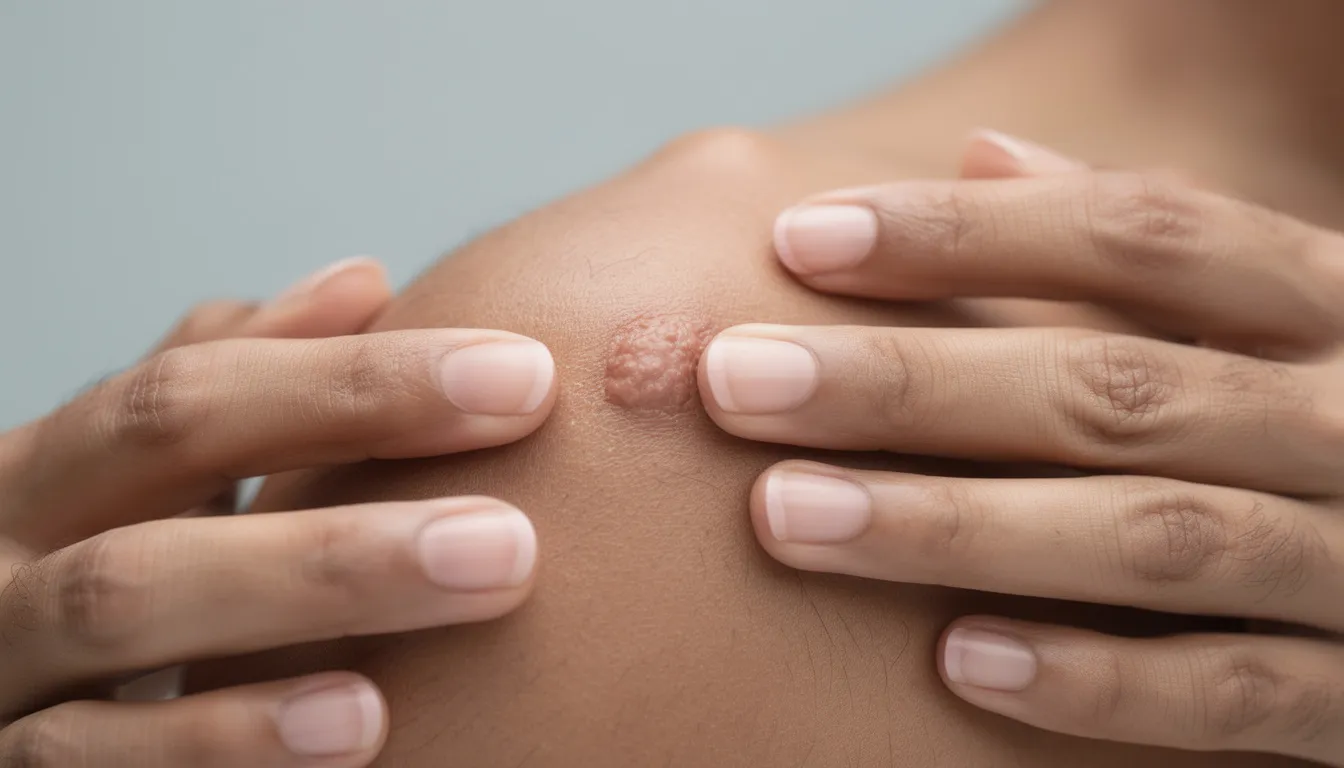
Keloids are raised, firm scars that grow beyond the boundaries of the original wound. Unlike normal scars that fade over time, keloids form when your body produces excess collagen during the healing process, creating thick bundles of scar tissue that continue expanding months or even years after the initial injury. They’re caused by an overactive wound healing response—and they’re notoriously stubborn.
Common triggers include ear piercings (especially cartilage piercings that became popular in the 2020s), acne on the chest and back, surgical incisions from C-sections or other surgical procedures, burns, and even minor cuts. While keloids are benign, they can itch intensely, cause pain, and seriously affect self-image. Many people struggle with simple daily activities—wearing earrings becomes impossible, clothing constantly rubs against chest keloids, and the visible raised scar draws unwanted attention.
If you’ve been searching for ways to flatten keloids at home, this guide will help you separate fact from fiction. We’ll debunk the most dangerous viral DIY hacks, explain which approaches are reasonably safe (even if limited), and introduce a science-based at-home alternative for readers who want real results without clinic visits.
Here’s what we’ll cover:
- “Acid & Burn” remedies — ACV, garlic, lemon juice (high risk)
- “Scrub & Paste” hacks — baking soda, salt, toothpaste (micro-tear danger)
- “Gentle Soothers” — honey, aloe vera, onion extract (safe but weak)
Introduction to Keloid Scars
Keloid scars are a unique type of raised scar that can develop after skin injuries such as cuts, burns, or surgical incisions. Unlike typical scars that gradually fade and flatten, keloids are the result of an overproduction of scar tissue during the healing process. This leads to a firm, often shiny, raised scar that extends beyond the boundaries of the original wound—a key difference from hypertrophic scars, which remain confined to the injury site.
Keloid formation is more common in individuals with darker skin tones, making people of African, Hispanic, and Asian descent particularly susceptible. Even minor skin injuries, like ear piercings or small surgical incisions, can trigger excessive scarring in those who are prone. The resulting keloids can be itchy, painful, and sometimes restrict movement, especially when they form over joints or areas of frequent friction.
Beyond the physical symptoms, keloid scars can have a significant impact on self-esteem and quality of life. The visible, persistent nature of these raised scars often draws unwanted attention and can make everyday activities—like choosing clothing or wearing jewelry—more challenging.
Understanding why keloids develop, how they differ from other scar types, and what treatment options are available is essential for anyone looking to manage or prevent excessive scarring. Whether you’re dealing with a new wound or an old, stubborn keloid, knowing the facts can help you make informed decisions about your skin health.
The Harsh Truth About DIY Keloid Removal
Before you reach for that bottle of apple cider vinegar, it’s essential to understand what you’re actually dealing with. Keloids aren’t surface-level blemishes that can be scrubbed or dissolved away. They form deep in the dermis—the thick layer of skin beneath the epidermis—where abnormal fibroblasts produce excessive collagen bundles that create dense, hyalinized scar tissue.
This is fundamentally different from the skin condition you’re targeting with kitchen ingredients. When you apply acids or abrasives to a keloid, you’re attacking the thin epidermal layer on top while the actual problem—the overactive collagen production—continues unchecked in the deep tissue below.
Identifying your scar type is crucial, as different scar types—such as keloids and hypertrophic scars—respond to different treatment options, including laser therapy, silicone gel, or steroid injections.
How keloids differ from hypertrophic scars:
- Keloids extend beyond the original wound boundaries and rarely regress on their own
- Hypertrophic scars stay within the original injury site and often flatten over time
- Keloids can continue growing for years; hypertrophic scars typically stabilize within 6-12 months
The primary difference between keloids and hypertrophic scars is their growth pattern.
Hypertrophic scars usually improve over time and may become less noticeable, and hypertrophic scars rarely recur once healed.
The biology behind keloid formation is remarkably stubborn. Even with surgical removal—a procedure far more aggressive than any home remedy—recurrence rates range from 45% to 100%. If professional surgical removal can’t guarantee permanent results, it’s unrealistic to expect a bit of vinegar or crushed garlic to cure your keloid.
Consider this real-world scenario: In recent years, countless social media users have shared their experiences with undiluted ACV or high-concentration salicylic acid purchased online. The pattern is disturbingly consistent—initial “progress” (often just inflammation and peeling), followed by severe chemical burns, contact dermatitis, and ultimately scars that grew back larger and darker than before. Our founder has personally documented cases where aggressive chemical treatment led to scars 1.5 to 2 times their original size.
What realistic goals at home actually look like:
- Reduce itch and discomfort
- Soften tissue slightly over time
- Improve color and texture gradually
- Support (not replace) professional medical treatment
While home remedies may not completely remove keloids, they can help reduce their appearance or manage symptoms.
Complete disappearance from kitchen ingredients? That’s not a realistic expectation for established keloids.
1. The “Acid & Burn” Remedies: High Risk of Worsening
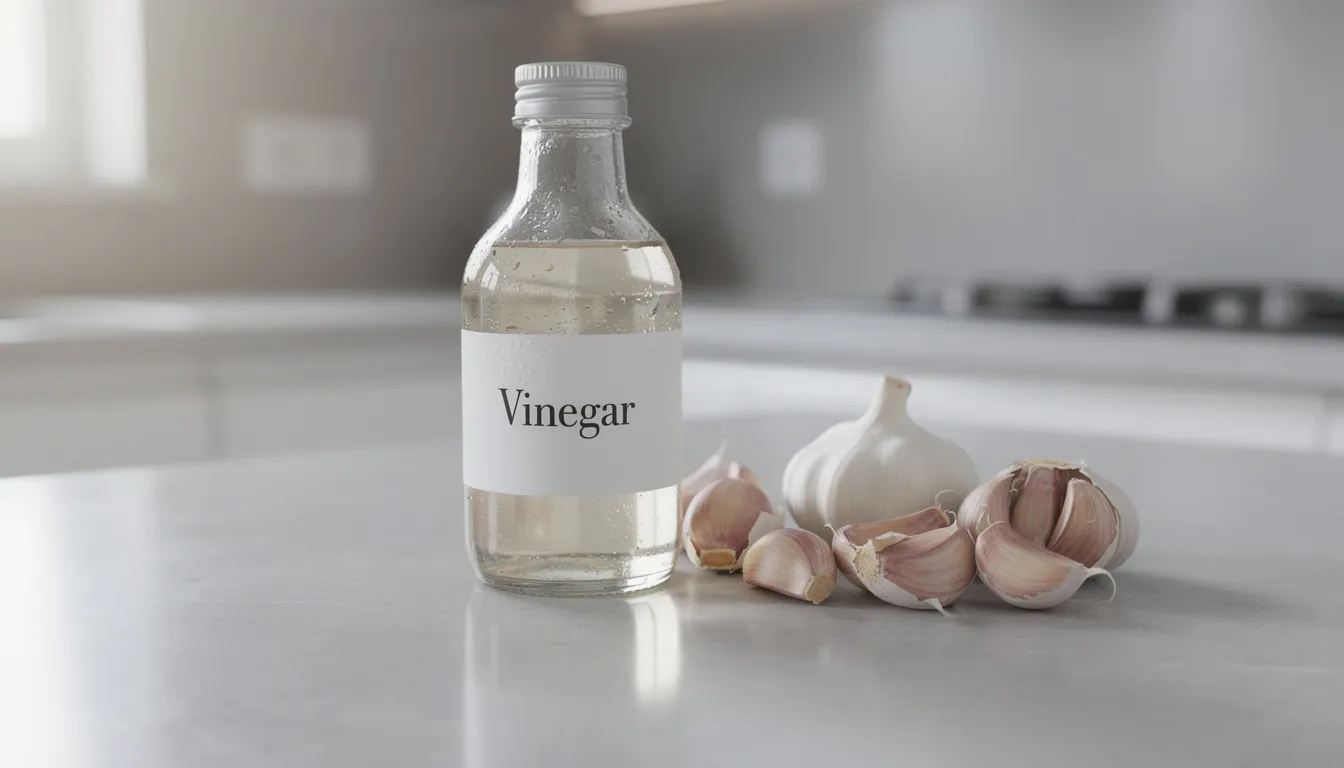
The most popular—and most dangerous—category of keloid home remedies involves acids and caustic substances. You’ve probably seen tutorials recommending undiluted apple cider vinegar, crushed garlic paste, straight lemon juice, or even high-strength salicylic acid purchased from questionable online sources. These remedies promise dramatic results in just 2-4 weeks.
The typical instruction goes something like this: soak a cotton ball in undiluted ACV and press it against your keloid twice daily for 4-8 weeks. Or crush fresh garlic, apply the paste for 10-15 minutes, and repeat daily until the keloid “dissolves.” Sounds simple enough—but the reality is far more complicated and dangerous.
Apple Cider Vinegar for Keloids
The theory behind ACV is that its acetic acid content (typically 4-8%) acts as an astringent and exfoliant, supposedly breaking down scar tissue over time. What proponents don’t mention is that ACV has a pH below 3—acidic enough to cause chemical burns on healthy skin, let alone on the sensitive, fragile surface of a keloid. Dermatological warnings consistently highlight the risk of erosion of the skin barrier, severe contact dermatitis, and permanent pigmentation changes.
Garlic for Keloid Scars
Garlic contains allicin and sulfur compounds that, in laboratory settings, have shown some ability to inhibit fibroblast proliferation. This sounds promising until you realize that crushing raw garlic and applying it to skin creates an intensely irritating paste. Clinical reports document frequent blistering, inflammation, and paradoxical keloid enlargement—a phenomenon some researchers call “retaliatory hypertrophy.” In observed cases, keloids grew 1.5 to 2 times larger within weeks of garlic application due to inflammatory rebound.
Lemon Juice and Other Acids
Lemon juice, with its citric acid and vitamin C content, is often recommended to “lighten” dark keloid scars. While it may cause superficial lightening of hyperpigmentation, it cannot penetrate the dense collagen core of an established keloid. Worse, the acidity can stimulate melanocytes and cause phytophotodermatitis (severe skin reactions when exposed to sunlight), actually making darkening and scarring worse. No randomized controlled trials support lemon juice for keloid treatment.
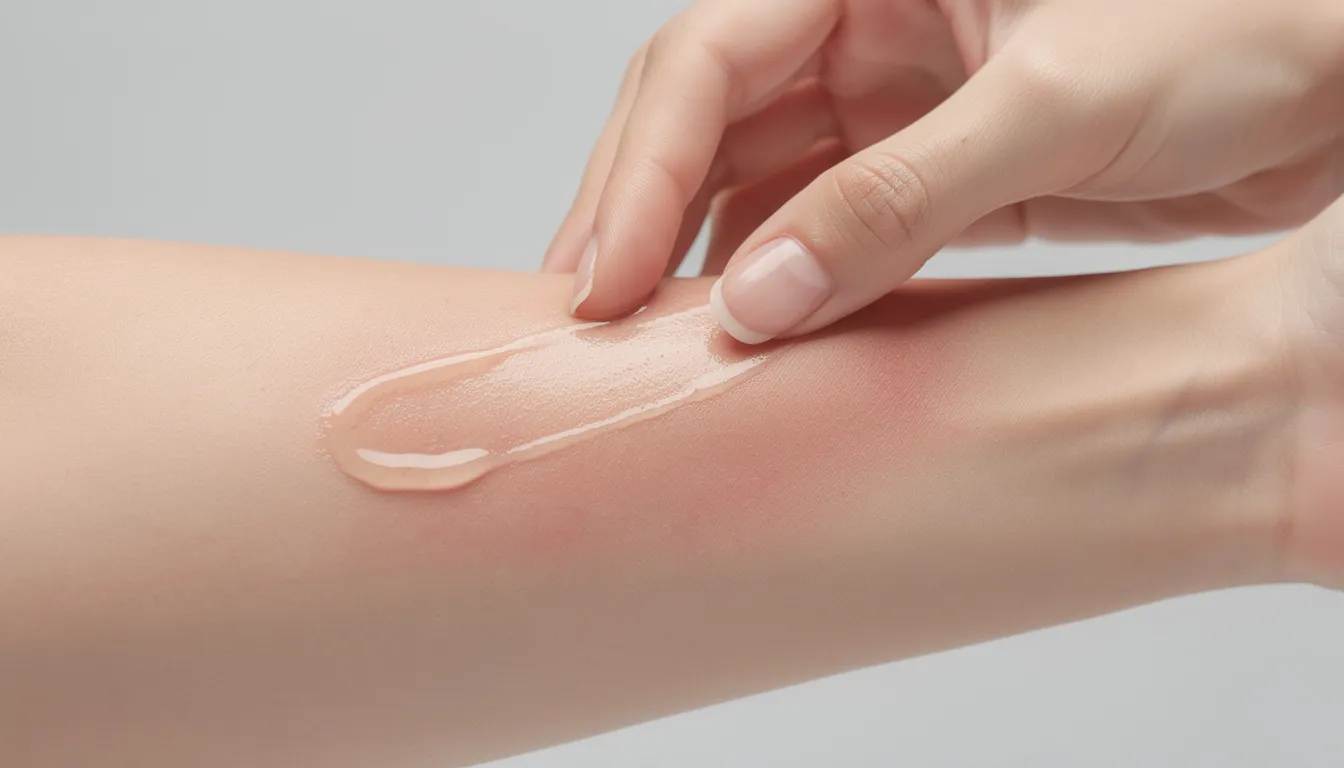
The science-based warning you need to hear: These acids primarily irritate and chemically burn the superficial skin. They do not reach the deep dermal tissue where keloid collagen is produced. The result? Contact dermatitis, chemical burns, blistering, hypopigmentation or hyperpigmentation, and “rebound” keloid growth. Dermatologists have repeatedly reported patients presenting with larger, angrier scars after attempting these methods.
Many TikTok recipes promise visible flattening in 2 weeks. Here’s the reality: collagen remodeling in keloids takes months, not days. A 2-year-old ear keloid or chest keloid will not respond to surface-level acid application, regardless of how consistently you apply it.
This is especially critical for people with darker skin tones—those of African, Hispanic, and Asian descent who are already at higher risk of developing keloids. Once you deepen trauma on keloid-prone skin, you may trade a small, manageable keloid for a larger, more symptomatic one that’s even harder to treat.
Clear directive: Do not use undiluted apple cider vinegar, crushed garlic, or neat lemon juice directly on existing keloids. If you’ve already tried these methods and are experiencing redness, oozing, burning, or increased pain, stop immediately and seek professional medical care.
2. The “Scrub & Paste” Hacks: The Micro-Tear Danger
If acid remedies are the “chemical attack” approach, scrub and paste hacks represent the “physical assault” strategy. This family of remedies includes baking soda pastes, keloid salt paste mixtures, sugar or coffee scrubs, and the surprisingly common practice of applying toothpaste overnight to “dry out and shrink” raised scars.
The typical DIY recipe involves mixing baking soda with hydrogen peroxide to create a fizzing paste, or combining coarse sea salt with water to make an abrasive slurry. Some people apply mint toothpaste directly to acne keloids and leave it overnight, hoping the “drying” action will flatten the raised scar. The logic seems intuitive—grind down the bump like you’d sand a rough piece of wood.
Additionally, some people use crushed aspirin paste, which may help reduce irritation on small, superficial scars due to its anti-inflammatory effects. Crushed aspirin can block scar-forming enzymes and may reduce scar size and appearance over time, but evidence for its effectiveness on keloids is limited. While aspirin paste may have anti-inflammatory effects, it is not a proven cure for keloids and should not be relied upon for established, deep scar tissue.
Here’s why this approach fails dangerously: keloids are built from the inside out. The dense collagen bundles sit deep in the dermis, while the epidermal surface is actually quite fragile. When you scrub rough particles across this vulnerable surface, you create micro-tears—tiny, invisible wounds on top of an already unstable scar.
These micro-tears trigger your body’s inflammatory response. Cytokines like IL-1 and TNF-α flood the area, which in keloid-prone individuals doesn’t resolve normally—it amplifies fibrosis. You’re essentially giving your keloid more reason to grow.
Baking soda (sodium bicarbonate) has a pH of 8-9, which disrupts the skin’s acid mantle. Combined with physical abrasion, it induces painful inflammation without any meaningful collagen remodeling. Salt pastes create hypertonic conditions that desiccate tissue, causing fissures and creating entry points for secondary infections. Neither substance can “sand away” dense collagen fibers that have been building for months or years.
Toothpaste deserves special mention for its popularity—and its risks. Most toothpastes contain:
- Menthol and peppermint oil (causes vasodilation and burning)
- Fluoride (not designed for skin application)
- Silica and other abrasives (creates micro-abrasions)
- Sodium lauryl sulfate (SLS), a detergent that strips skin oils
- Various whitening agents that can cause allergic reactions
Studies show 5-10% of people experience allergic contact dermatitis from toothpaste ingredients. On broken or compromised skin like keloids, this rate is likely higher. The result is intense burning, redness, and physical trauma that provokes hypertrophic responses—potentially worsening scar size by 30-40% in prone individuals.
Practical alternative: If you insist on topical home care, stick to gentle, non-abrasive cleansing with a pH-balanced cleanser. Pat the area dry rather than rubbing. Never use scrubs, pastes, or abrasive particles on keloid tissue. Any persistent bleeding, cracking, or pus warrants urgent medical review.
Remember: skin on the sternum, shoulders, jawline, and upper back is especially prone to keloid formation. Intentional micro-damage in these zones is uniquely risky. You’re not sanding wood—you’re traumatizing living tissue that’s already overreacting to injury.
3. The “Gentle Soothers”: Safe, But Too Weak
Not every home remedy is dangerous. Some natural ingredients—raw honey, aloe vera gel, and onion extract—are genuinely gentle and may provide symptomatic relief. Other gentle remedies, like sandalwood and rose water applied together, can help reduce itching, inflammation, and gradually shrink the size of keloids. Tea tree oil is another natural remedy, valued for its antimicrobial properties that help prevent infection in healing wounds and its soothing effects for reducing itching and discomfort. The anti-inflammatory effects of these gentle soothers, such as aloe vera, onion extract, and tea tree oil, can help reduce inflammation and support the healing process. The problem isn’t safety; it’s efficacy. These remedies are simply too weak to meaningfully shrink established keloid tissue.
Honey for Keloids
Honey, particularly Manuka honey with high UMF ratings, has legitimate anti-inflammatory properties. It reduces TNF-α by up to 40% in laboratory studies and has antimicrobial activity thanks to compounds like methylglyoxal. Some people apply it on dressings overnight, and there’s evidence it can help with wound healing in general.
For keloids specifically, honey may modestly reduce itch and redness—some users report 50-60% improvement in itch symptoms. A pediatric trial using tualang honey showed growth halting in 70% of cases over 4 weeks with daily application. However, honey’s large polysaccharide molecules limit dermal penetration. It provides surface-level comfort without affecting the dense collagen core underneath.
Think of it as “scratching an itch through a boot”—you feel some relief, but you’re not addressing the underlying issue. For mature keloids (older than 6 months), honey provides symptomatic relief without volume decrease.
Aloe Vera Gel
Aloe vera’s soothing properties are well-documented. Its polysaccharides and anthraquinones provide cooling and hydration, reducing inflammation and irritation. Many people find it helpful after shaving over a keloid or when clothing friction causes discomfort.
However, aloe vera’s effects are confined to the epithelium. There’s no evidence it modulates fibroblast activity or collagen production. One Vietnamese study claimed elimination after 1 month of twice-daily overnight use, but Mayo Clinic and other authoritative sources note the absence of randomized controlled trials supporting aloe vera for keloid reduction.
Onion Extract for Keloid Scars
Onion extract (Allium cepa) is the most evidence-supported natural option. Quercetin, one of its active compounds, inhibits fibroblast migration and collagen synthesis by 30-50% in laboratory studies. A 12-week randomized controlled trial on cesarean scars showed 60% reduction in height and pigmentation compared to placebo when using commercial 5-15% onion extract gels.
This sounds promising, but context matters. These studies focused on post-surgical hypertrophic scars, not true keloids. Home-applied onion juice (3-4 times daily) dilutes the potency significantly compared to standardized commercial preparations, yielding inconsistent 10-20% improvements per user reports.
The bottom line: These remedies are safe but too weak for dense, established keloids. They work more like comfort measures than shrinking treatments—especially on scars older than 6-12 months.
When gentle soothers are appropriate:
- As part of a gentle routine for new, small, flat scars within the first few months after injury
- Alongside proper wound care and pressure therapy or silicone therapy
- Never as a sole solution for large, growing keloids
Even gentle plants can cause allergies. Patch-test aloe, honey, or onion extract on a small area for 24 hours before widespread use, especially if you have sensitive or eczema-prone skin.
4. Evidence-Based At-Home Support (Beyond Kitchen Hacks)
Now that we’ve debunked the myths, let’s talk about what actually works for at-home keloid management. Not everyone has immediate access to dermatologists or laser therapy, but that doesn’t mean you’re limited to kitchen experiments. Several over-the-counter and lifestyle approaches have genuine evidence behind them.
Silicone Gel Sheets and Silicone Gel
Silicone-based products represent the leading non-invasive keloid treatment option with the strongest evidence. Silicone gel sheets and silicone gel work by hydrating the stratum corneum, creating an occlusive environment that modulates collagen production. Clinical trials show volume reduction of 20-50% with consistent use.
The catch? Consistency is everything. You need to apply silicone gel or wear silicone sheets for 12-24 hours daily, continuing for 3-6 months minimum. This isn’t a quick fix—it’s a commitment. For ear keloids, silicone-lined pressure earrings combine both occlusion and compression.
OTC Hydrocortisone Cream
Over-the-counter hydrocortisone 1% cream can reduce itch and mild inflammation around a keloid in the short term. This provides relief while you implement longer-term strategies. However, avoid long-term unsupervised steroid use—skin thinning is a real risk, and you don’t want to compromise the surrounding skin further.
Pressure Therapy at Home
Compression dressings and pressure therapy have evidence for keloid prevention and treatment, particularly after surgical removal or for ear keloids after piercing removal. Effective use typically requires 12-16 hours of daily wear for 6-12 months. Compression earrings for ears and snug garments for chest and shoulder scars are available without prescription.
Lifestyle Prevention
If you’ve already formed one keloid, your risk of developing additional ones is significantly higher. Prevention strategies include:
- Avoiding unnecessary piercings and tattoos, especially on high-risk areas
- Protecting healing wounds from sun exposure with SPF 30+ to prevent darkening
- Keeping cuts, burns, and deep wounds clean and covered with a sterile bandage for 4-6 weeks
- Practicing proper wound care after any skin injuries or surgical incisions
These evidence-based approaches support your healing process but don’t replace professional care for fast-growing, painful, or movement-limiting keloids. Think of them as “medical-grade home care”—fundamentally different from random kitchen experiments.
5. When Home Remedies Are Not Enough: Red-Flag Scenarios
Sometimes, home remedies—even evidence-based ones—simply aren’t sufficient. Before starting any treatment, it is recommended to consult a board-certified professional to confirm the diagnosis of keloids, as other types of skin growth may require different approaches. Knowing when to stop experimenting and seek professional help can prevent a manageable keloid from becoming a serious problem.
A skin biopsy may be performed by your healthcare provider to diagnose suspicious or concerning skin growths, including keloid scars, and to determine whether the lesion is benign or malignant. This helps guide further treatment decisions.
Seek a dermatologist or plastic surgeon if you experience:
- Rapid growth over a few months despite consistent home care
- Intense itch or burning that disrupts sleep or daily activities
- Pain at rest (not just when touched or pressed)
- Ulceration, bleeding, or any pus indicating infection
- Restriction of movement (common with keloids over joints)
High-risk body sites requiring professional monitoring:
Body Area | Why It’s High-Risk |
|---|---|
Chest/sternum | High mechanical tension, frequent recurrence |
Neck and jawline | Visible location, movement stress |
Shoulders | Constant friction from clothing, straps |
Over joints | Movement can stretch and stimulate growth |
Earlobes | Common site, but manageable with proper care |
If home remedies are not effective, your provider may discuss various medical treatment options for keloids and other skin growths. These include corticosteroid injections, silicone gel or sheeting, cryotherapy, laser treatments, radiation therapy, and surgical removal. Sometimes, other treatments—such as combining therapies like onion extract, cryotherapy, silicone sheets, corticosteroid injections, and surgery—can enhance results and reduce recurrence risks.
Time-based guidelines: If a keloid keeps enlarging or shows zero improvement after 3-6 months of consistent, safe home care (silicone + gentle routine + sun protection), it’s time to book an appointment rather than escalate DIY intensity with more aggressive methods.
Standard Clinical Treatment Options
Professional keloid treatment typically involves:
- Corticosteroid injections (e.g., triamcinolone) every 3-4 weeks to reduce inflammation and flatten tissue
- Cryotherapy for small keloids, freezing the tissue to reduce scar size
- Laser treatment (pulsed-dye laser for redness, fractional lasers for texture) achieving 50-80% improvement
- Surgical removal combined with steroid injections, radiation therapy, or pressure therapy for larger keloids
Modern guidelines emphasize combining treatments—layering injections, laser therapy, pressure therapy, and silicone achieves lower recurrence rates than any single approach. Some protocols add radiation therapy immediately after surgical removal to reduce the risk of keloid returning.
When you visit a clinician, bring a history of what you’ve tried at home—including any ACV, garlic, or aggressive scrub experiments. This helps them assess for chemical damage and tailor your treatment plan accordingly.
Keloids are challenging but manageable. The earlier professional care is integrated into your approach, the better your long-term cosmetic and symptom outcomes. Don’t let fear of clinics lead you down a path of escalating home remedies that make the problem worse.
Stop Raiding the Kitchen: The Best At-Home Alternative
When looking for home remedies for keloids, it’s crucial to understand the difference between a surface-level hack and deep dermal repair.
Kitchen ingredients like ACV or baking soda either severely damage your skin or do absolutely nothing to the hard scar tissue beneath. To flatten a keloid safely at home, you need a formula that penetrates deeply without causing secondary trauma.
This is why we created HerbaScar. Rooted in a century of Traditional Chinese Medicine, our formula uses a 90-day cold-fermentation process to extract the most potent, tissue-softening botanicals like Panax Notoginseng. Unlike kitchen acids that burn the surface, our liquid formula utilizes natural drivers like Borneol to safely bypass the epidermis, delivering active healing directly to the root of the scar.
It’s the ultimate home remedy—engineered with clinical precision. Say goodbye to painful DIY hacks and chemical burns.
HerbaScar bridges the gap between harsh clinical procedures and ineffective kitchen remedies. We designed it specifically for people who want to treat keloids safely at home—without the risks of chemical burns from acids, the micro-tear damage from scrubs, or the frustration of gentle soothers that simply don’t penetrate deep enough.
How to incorporate HerbaScar into your routine:
- Cleanse the affected area gently with a pH-balanced cleanser
- Apply HerbaScar according to label instructions
- Optionally pair with silicone sheets or compression (for ear and chest keloids)
- Maintain consistent use over at least 8-12 weeks to achieve optimal results
Our formulation contains no acids that burn, no abrasive particles, and no ingredients known to trigger secondary trauma. It’s designed with keloid-prone skin health in mind—promote healing without provoking the inflammatory cascade that makes keloids grow.
You’ve learned why kitchen hacks fail. You understand the science behind keloid formation. Now it’s time to choose a solution that works with your skin’s biology rather than against it. Managing your scar appearance and reducing scar formation doesn’t require dangerous experiments—it requires precision.
[ Heal Your Scar Safely at Home – Shop HerbaScar ]
Leave a Reply