Introduction
Are you searching for how to flatten keloid scars naturally, without resorting to injections, surgery, or harsh chemicals? This guide is designed specifically for people seeking natural, non-surgical keloid treatments—especially those who want to focus on at-home, plant-based methods. Whether you’re concerned about the risks, costs, or side effects of medical procedures, or simply prefer a gentler approach, you’ll find practical, evidence-informed strategies here.
Many people seek natural options to avoid the risks and costs of medical procedures. This article will clarify what you can realistically expect from natural keloid care, outline the best at-home, plant-based methods, including pressure therapy, applying silicone gel, using retinoid cream, and help you build a routine that fits your needs. Additionally, it will introduce how to use natural ingredients like coconut oil to make a thick paste as an adjunct treatment, combined with compression dressings to effectively control scar size and improve scar appearance. The goal of these natural methods is not only to improve how scars look, but also to reduce keloids by helping to decrease their size or prominence over time.
Dealing with keloid scars can feel frustrating, especially when you’ve tried various treatments with little success. The good news is that while keloids are notoriously stubborn, many people find real improvement through consistent, natural care methods that don’t require clinic visits or painful procedures. If you’re wondering how to flatten keloid scars naturally, you’re in the right place.
Quick Answer: Can You Really Flatten Keloid Scars Naturally?
Keloid scars are raised scars that grow beyond the boundaries of the original wound, often appearing firm, shiny, and darker than the surrounding skin. They’re challenging to treat, but with the right approach, you can often soften and flatten keloids to a noticeable degree.
Completely erasing a keloid is rare with any method, but many people see 30–60% flattening and fading with consistent non-invasive care. The key is setting realistic expectations while committing to a routine that addresses multiple aspects of scar formation.
Natural methods to flatten keloid scars, such as onion extract, honey, and crushed aspirin, have limited scientific backing and often fail to significantly reduce established scars. However, consistent and long-term application of natural remedies may help improve the appearance of keloids, though complete removal is unlikely.
Consistent at-home routines with natural, plant-based products can help reduce height, itch, and color over 8–16 weeks. The gradual nature of the wound healing process means patience is essential, but the results can be genuinely transformative.
Herbascar is a 100% herbal, hormone-free scar liquid designed to gently flatten keloids and hypertrophic scars at home. Using traditional Chinese herbal medicine principles, it works with your body’s natural healing mechanisms rather than against them.
What makes herbascar particularly appealing is its safety profile. It’s suitable for adults, pregnant women, and children, and costs far less than corticosteroid injections, laser therapy, or surgical removal. For many families, this makes professional-grade scar care accessible for the first time.
Results are gradual and require twice-daily application. Herbascar works best on newer or moderately thick keloids, though even older scars often show meaningful improvement with sustained uEffective Home Remedies for Keloid Scars
Many people prefer to start with home remedies when looking for how to flatten keloid scars naturally. While these remedies may not completely remove keloids, they can help improve scar appearance, reduce itchiness, and soften scar tissue over time. Consistent use of home remedies is key to seeing gradual improvements.
Onion Extract
Onion extract is a popular home remedy known for its anti-inflammatory and antioxidant properties. It may help regulate collagen production and reduce scar size when applied regularly. Commercial gels containing onion extract can be used twice daily for best results.
Honey
Honey, especially raw or medical-grade varieties, contains natural anti-inflammatory and antimicrobial compounds. Applying honey to the scar can keep the skin hydrated, promote healing, and potentially reduce scar thickness.
Crushed Aspirin
Aspirin contains salicylic acid, which can help reduce inflammation and prevent excess collagen buildup. Making a thick paste from crushed aspirin tablets and applying it to the keloid site may help reduce scar size and pigmentation over time.
Garlic
Garlic has been shown to block enzymes involved in scar formation. Applying garlic oil or crushed garlic mixed with carrier oils can be an effective home remedy, but care should be taken to avoid skin irritation.
Aloe Vera Gel
Aloe vera gel is soothing and hydrating, helping to reduce inflammation and improve skin texture. Regular application can complement other home remedies and support the healing process.
Gentle Massage
Massaging the keloid with gentle pressure can improve blood flow, increase skin flexibility, and enhance the absorption of topical home remedies. Aim to massage the scar for a few minutes several times a day.
Incorporating Home Remedies into Your Routine
For best results, combine multiple home remedies with other natural methods like applying silicone gel and protecting scars from sun exposure. Consistency and patience are essential, as visible improvements often take several weeks to months.
Remember, while home remedies can be helpful, they are most effective on small or newer keloids. Larger or persistent keloids may require medical treatment options in addition to home care.
By integrating these home remedies into your daily scar management routine, you can take meaningful steps toward flattening keloid scars naturally and improving overall skin health.se.
Understanding Keloid Scars
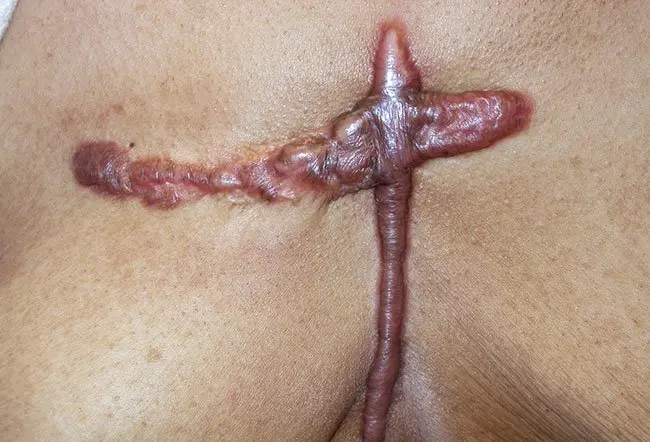
Keloids are raised buildups of scar tissue on the skin that form after a wound, puncture, burn, or blemish has healed. When the body produces excess collagen during the wound-healing process, keloids develop, resulting in raised, thickened scar tissue that grows beyond the original injury site. Keloids differ from hypertrophic scars because they extend beyond the boundaries of the original wound and do not regress over time.
Before diving into treatment options, it helps to understand exactly what you’re dealing with and why keloids behave differently from normal scars.
A keloid is a raised scar that grows larger than the original injury that caused it. Unlike typical scars that fade and flatten over time, keloids continue producing excess collagen long after the wound has healed. This creates firm, often shiny tissue that can be darker or lighter than your natural skin tone.
Common causes of keloid formation include:
Cause | Risk Level | Common Locations |
|---|---|---|
Ear piercings | High | Earlobes, cartilage |
Acne lesions | Moderate | Face, chest, back |
Surgical incisions | Moderate-High | Anywhere |
C-section scars | Moderate | Lower abdomen |
Burns | High | Any affected area |
Body piercing | High | Ears, nose, navel |
Certain people face a higher risk of developing keloids. Those with darker skin tones are significantly more prone to keloid formation, as are individuals aged 10–30 and anyone with a family history of keloids. If your parents or siblings have keloids, you’re more likely to develop them too.
What’s the difference between keloids and hypertrophic scars?
Hypertrophic and keloid scars look similar, but there’s a key distinction. Hypertrophic scars stay within the boundaries of the original wound and often improve on their own over 1–2 years. Keloids extend beyond the wound edge into healthy surrounding skin and rarely resolve without intervention.
Keloids don’t disappear on their own and tend to persist for years without treatment. This is why early, consistent intervention matters so much.
Can You Flatten Keloids Naturally at Home?
According to dermatological research, there are no guaranteed methods of completely removing keloid scars naturally. However, this doesn’t mean home care is pointless—far from it. The goal shifts from “removal” to meaningful improvement in keloid appearance, comfort, and size.
Natural methods to flatten keloid scars, such as onion extract, honey, and crushed aspirin, have limited scientific backing and often fail to significantly reduce established scars. However, consistent and long-term application of natural remedies may help improve the appearance of keloids, though complete removal is unlikely.
Natural methods aim to accomplish three things:
- Calm inflammation that drives continued scar growth
- Regulate collagen production to prevent further thickening
- Keep scar tissue hydrated and flexible to improve texture and appearance
In this article, “natural” means plant-based extracts, gentle massage, pressure techniques, sun protection, and lifestyle modifications that support the healing process without introducing synthetic hormones or harsh chemicals.
Home care can often soften, flatten, and fade smaller or newer keloids, especially those on ears, chest, and shoulders. Small keloids from ear piercings and minor skin injuries respond particularly well to consistent natural treatment.
Large, old, or very symptomatic keloids may still need medical treatment options, but natural care can reduce discomfort and support results from other treatments. Many people use herbal products alongside medical procedures for comprehensive scar management.
Herbascar is positioned as a focused, herbal alternative for people who want to treat keloids without steroids, radiation, or surgery. It represents a middle path between doing nothing and pursuing aggressive medical interventions.
Key Natural Methods to Help Flatten Keloid Scars
This section covers practical, at-home techniques with simple instructions you can start implementing today. Each method addresses a different aspect of keloid care.
The main approaches include:
- Herbal scar liquids (like herbascar)
- Gentle scar massage
- Natural moisturizers and barrier support
- Sun protection to prevent darkening
For best results, combine several methods into a daily routine. Treating hypertrophic and keloid scars responds better to multi-pronged approaches than any single intervention.
Safety first: Avoid breaking the skin, using harsh scrubs, or applying untested DIY acids that can worsen keloids. Damaging keloid prone skin often triggers more aggressive scar formation.
Before using any new product on children, pregnant women, or very sensitive skin, patch testing is recommended. Apply a small amount to unaffected skin and wait 24 hours to check for reactions.
Herbal Scar Liquids (Featuring Herbascar)
A herbal scar liquid is a lightweight, fast-absorbing formula packed with traditional plant extracts designed to penetrate scar tissue and promote healing from within. Unlike thick creams that sit on the surface, liquids can reach deeper layers where collagen production occurs.
Herbascar’s core benefits include:
- 100% Chinese herbal formula with no synthetic additives
- No hormones or steroids that could cause skin thinning
- Non-irritating and gentle enough for sensitive areas
- No “rebound” effect after stopping use
The advantages over clinic-based treatment for keloids are significant. Herbascar is safe for long-term use, can be applied at home without appointments, costs far less than laser treatment or injections, and is suitable for pregnant women and children.
Application instructions:
- Clean and thoroughly dry the keloid site
- Apply a thin layer of herbascar 2–3 times daily
- Gently massage for 2–3 minutes to promote absorption
- Allow to dry completely before covering with clothing
Expected timeline:
- Early itch relief: 1–2 weeks
- Noticeable softening: 3–4 weeks
- Visible flattening and color improvement: 5–8 weeks of continuous use
Gentle Scar Massage
Massage cannot erase keloids, but it can make them softer, less itchy, and more flexible over time. This simple technique improves local blood flow and helps herbal actives penetrate more effectively.
Simple massage technique:
- Use clean fingertips (no long nails that could scratch)
- Apply herbascar to the keloid
- Massage in small circular motions with gentle, consistent pressure
- Work from the edges toward the center of the scar
Recommended frequency is 5 minutes, 2–3 times per day. The best time is after a shower when skin is warm and more receptive.
Massage helps by improving local circulation, aiding absorption of herbal actives, and gradually breaking down tight collagen fibers. Over weeks and months, this can meaningfully reduce keloid size and improve texture.
Natural Moisturization & Scar Barrier Support
Dryness can make keloids feel tighter, itchier, and more uncomfortable. Proper hydration helps improve skin flexibility and supports a healthier scar environment during recovery.
Recommended Supportive Options
For enhanced results, we recommend combining HerbaScar Removal Liquid with Chitosan Gel for barrier repair and moisture retention.
Chitosan Gel – forms a breathable protective layer, helps maintain hydration, and supports a balanced healing environment after scab shedding
Layering & Usage Instructions
For best results:
- Apply HerbaScar Removal Liquid first as the active treatment.
- Allow the area to fully absorb and complete the natural scabbing process.
- After the scab has naturally shed, apply a thin layer of Chitosan Gel to:
- Maintain moisture
- Support skin barrier repair
- Help reduce the risk of excessive scar tissue regeneration
If the area feels mildly dry during treatment, a light layer of aloe vera gel may also be used for additional soothing support.
Important Precautions
Avoid heavy fragrances, harsh alcohol-based products, or strong essential oils on active keloids. These may irritate the area and trigger unnecessary inflammation.
Sun Protection to Prevent Darkening
UV exposure makes keloids darker and more noticeable, sometimes for months or years. This hyperpigmentation can persist even after you’ve successfully reduced the scar’s height.
Sun protection recommendations:
- Apply SPF 30+ broad-spectrum sunscreen daily on exposed scars
- Reapply every 2 hours when outdoors
- Use physical barriers: clothing, hats, bandages
- Maintain protection for at least 6–12 months after injury
Physical protection is especially important for fresh surgical scars and healing wounds. The first year is when scars are most vulnerable to UV damage and pigment buildup.
Sunscreen can be applied after herbascar has fully dried when scars are exposed to daylight. The herbal liquid absorbs quickly, so this usually only adds a few minutes to your routine.
Why Choose Herbascar for Natural Keloid Care?
With many options available, why specifically consider herbascar? The answer lies in its formulation philosophy and practical advantages.
Herbascar offers a 100% herbal Chinese medicine-based formula with no hormones, no corticosteroids, and no bleaching agents. This matters because many conventional treatments come with significant drawbacks.
The “no rebound” advantage:
Unlike topical corticosteroids, stopping herbascar does not trigger sudden scar thickening. Steroid-based treatments often cause skin thinning and can lead to worse outcomes when discontinued. Herbascar supports gradual, sustainable improvement.
Convenience factors:
- Apply at home without clinic visits
- No injections or procedures required
- No scheduling around appointments
- Suitable for people in remote areas without dermatology access
Safety profile:
Herbascar is gentle enough for children’s scars, C-section scars, and pregnancy-related keloids. For high-risk pregnancies, checking with your OB is always advisable, but the herbal formula avoids the concerns associated with steroid absorption.
Cost comparison:
Treatment | Approximate Cost | Sessions Needed |
|---|---|---|
Laser therapy | $200–500/session | 3–6 sessions |
Corticosteroid injections | $100–200/injection | 4–8 injections |
Surgical excision | $500–3000+ | 1 + follow-ups |
Herbascar (3-month supply) | Much less | Daily application |
Several months of herbascar use costs less than a single laser session or one series of steroid injections. For families treating multiple scars or multiple family members, the savings add up quickly.
Who Is Herbascar Best For?
Herbascar works well for people with small to medium-size keloids from:
- Ear piercings and body piercing
- Acne scarring
- C-sections and other surgical procedures
- Minor surgeries and cuts
- Burns and skin injuries
It’s especially appealing to those who fear needles, want to avoid steroids, or cannot afford repeated clinic treatments. The at-home treatment option removes barriers that prevent many people from addressing their scars at all.
People with very dark, itchy, but not massive keloids may particularly benefit from herbascar’s soothing, herbal anti-inflammatory effects. Itch relief often comes within the first 1–2 weeks, providing early encouragement to continue.
Herbascar also works well as a maintenance product after medical procedures. Following keloid surgery or laser treatment, continued herbal care helps stabilize and soften remaining scar tissue while supporting the wound healing process.
Important note: Extremely large, painful, or fast-growing keloids should be assessed by a dermatologist before relying on home care only. A skin biopsy may be needed to rule out other skin conditions.
How Herbascar Consistency matters more than intensity.
Recommended treatment duration:
- Fresh keloids (under 1 year old): Minimum 3 months
- Older or thicker scars: 6 months or more
Take before-and-after photos every 4 weeks to track gradual changes in height and color. Changes happen slowly, and photos help you see progress that daily observation might miss.
Remember: Consistency (not intensity) is the main factor in seeing visible improvement. Applying herbascar twice daily for 12 weeks will achieve optimal results compared to irregular, aggressive use.
Traditional Herbal Ingredients Commonly Used for Keloid Scars
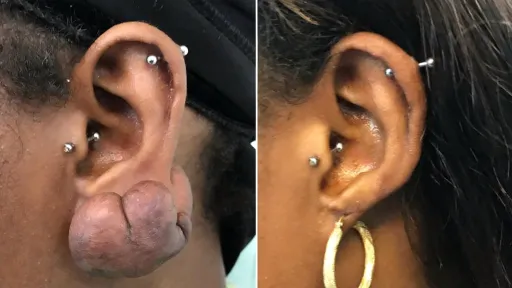
Chinese herbal medicine has addressed wounds and scar remodeling for centuries. Modern research is beginning to validate what traditional practitioners observed through experience.
Research on plant-derived compounds supports the potential of herbal approaches. A 2024 review found that curcumin reduces keloid thickness and inhibits fibroblast proliferation by suppressing the TGF-β pathway. Similarly, onion extract has demonstrated ability to stop fibroblasts from entering healing skin in multiple studies.
Combination formulas like herbascar are often more effective than single-herb DIY remedies because they target multiple healing pathways simultaneously. The synergistic effects of carefully balanced herbal extracts can produce better outcomes than any individual ingredient alone.
Herbascar avoids common irritants and focuses on time-tested, skin-safe herbal extracts. This makes it suitable for long-term use without the concerns associated with more aggressive treatments.
When Natural Methods Are Not Enough
Honesty matters: some keloids are too aggressive to manage with home care alone. Recognizing when to seek professional help prevents frustration and ensures you get appropriate treatment.
Red flags that warrant medical evaluation:
- Rapid growth (noticeably larger week to week)
- Intense, uncontrolled pain
- Bleeding from the keloid
- Signs of infection (redness spreading, warmth, discharge)
- Restriction of joint movement
- Emotional distress significantly impacting quality of life
Consult a dermatologist or plastic surgeon if you see no improvement after 3–6 months of consistent natural care including products like herbascar. A professional can perform a skin biopsy if needed and recommend other treatments.
Common medical options include:
- Corticosteroid injections (reduce inflammation quickly)
- Cryotherapy (freezing)
- Laser treatment (various types for different goals)
- Silicone gel sheets and silicone sheets (medical-grade pressure)
- Pressure dressings and pressure earrings
- Surgical removal (often combined with other methods to prevent keloids from recurring)
Herbascar can still be used alongside medical treatments. Many dermatologists appreciate when patients maintain good scar hydration and support between appointments. Using herbascar after procedures helps stabilize results and promotes continued healing.
Early treatment—within the first 6–12 months of scar formation—usually gives better outcomes than waiting. If you notice a new keloid forming, start treatment immediately rather than hoping it resolves on its own.
How to Prevent New Keloids While You Treat Old Ones
Prevention is much easier than reducing existing keloid scars. If you are prone to keloids, taking preventive measures can save you a lot of trouble.
Avoidance strategies:
- Skip unnecessary piercings, tattoos, and elective surgeries
- Choose surgeons experienced with keloid prone skin for any needed procedures
- Discuss preventive measures before any surgical incisions
Proper wound care in the first 4–6 weeks:
- Keep wounds clean with gentle cleansing
- Avoid picking at scabs or healing wounds
- Keep skin moisturized but not overly wet
- Protect from friction and repeated irritation
Once a wound has fully healed and no scabs remain, consider early use of herbascar to guide collagen into a flatter, softer scar. This proactive approach can prevent keloids from developing in the first place.
Preventative measures like silicone sheets or soft pressure dressings on high-risk areas work well combined with herbal care. The goal is to reduce the risk of excessive scar formation before it starts.
Daily sunscreen on new scars for at least 6–12 months prevents dark, obvious marks that draw attention. Even if you achieve good scar texture, hyperpigmentation can make scars highly visible—sun protection helps avoid this.
Living With Keloids: Patience, Routine, and Natural Support
Living with visible keloids affects more than just your skin. The emotional impact on confidence and daily life is real, and acknowledging this matters.
Tracking Progress
Here’s the encouraging truth: gradual change is normal, and small improvements in height, color, and itch can still be life-changing. A keloid that no longer itches constantly, that lies flatter under clothing, or that blends better with your skin color represents meaningful progress—even if it hasn’t disappeared entirely.
Key Actions for Success
- Consistent herbascar use (twice daily, minimum 3 months)
- Gentle daily massage to promote absorption and flexibility
- Protection from friction, trauma, and sun exposure
- Avoiding new skin injuries in keloid-prone areas
Commit to a 12-week home program before judging results. Take photos and notes to track progress objectively. What feels like slow progress often looks impressive when you compare week 1 to week 12.
Emotional Impact
Herbascar offers a simple, affordable, and family-safe way to support your skin’s natural healing without injections or surgery. For many people, this accessible treatment option opens possibilities that seemed out of reach—get rid of the itching, reduce the bulk, and feel more comfortable in your own skin.
Your keloid journey is unique, but you don’t have to navigate it alone. With the right tools, realistic expectations, and consistent effort, meaningful improvement is within reach. Start your natural scar care routine today, and give your skin the gentle, herbal support it deserves.
Leave a Reply