If you have keloid prone skin, you may notice that even minor injuries—like a small cut, piercing, or acne breakout—can result in thick, raised scars that continue to grow long after the wound has healed. This article is designed for anyone who suspects they have keloid-prone skin or wants to prevent keloids from forming. Understanding keloid-prone skin is crucial because it allows you to take proactive steps to prevent and manage keloids effectively, reducing discomfort and improving your confidence.
In this comprehensive guide, we’ll cover everything you need to know about keloid-prone skin: what it is, what causes it, the symptoms and early warning signs, risk factors (including why individuals with darker skin tones are more prone), best practices for prevention, and the most effective management and treatment options. By understanding the underlying mechanisms and adopting strict preventative care, you can minimize the risk of developing raised, firm, itchy, or reddish/purple scars that grow beyond the original injury sites.
Quick Answer: What Is Keloid-Prone Skin?
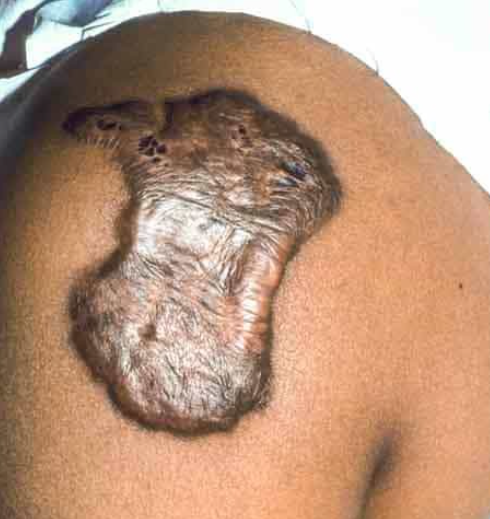
Keloid-prone skin is skin that produces raised, overgrown scars due to a hypersensitive healing response, leading to excessive collagen production after a wound has closed. This abnormal wound healing process—essentially a dysfunction of the body’s natural repair system—causes keloid scars to form. Keloids are thick, raised scars that extend beyond the original wound boundaries and can result from even minor skin injuries.
People with keloid-prone skin may develop keloids from various causes, including acne, burns, piercings, surgery, vaccinations, and other skin injuries. The body’s overproduction of collagen during healing leads to excessive scar formation, making keloids more prominent and persistent than normal scars.
Keloid-prone skin requires strict preventative care to avoid raised, firm, itchy, or reddish/purple scars that grow beyond original injury sites. Understanding the causes of keloid scars is essential for prevention and early treatment.
By recognizing these causes and adopting best practices for prevention, individuals with keloid-prone skin can better manage and reduce the impact of keloid formation.
Overview of Keloids and Skin Prone to Keloid Formation
A keloid is a type of raised scar that forms when the body’s healing process goes into overdrive. Unlike a normal scar that flattens and fades within a year, keloids continue to grow beyond the original wound edges and rarely improve on their own.
In addition to physical changes, keloid scars can have psychosocial effects, including depression and anxiety, due to their appearance and persistence.
Typical Appearance of Keloids
- Shiny, smooth surface
- Firm, rubbery texture
- Pink, red, or darker than surrounding skin
- Growth that extends past the original injury site
When someone has keloid-prone skin, their fibroblasts (the cells responsible for collagen synthesis) remain hyperactive long after a wound should have healed. This abnormal wound healing results in scar tissue that keeps expanding instead of settling down.
Keloids vs. Normal Scars: While normal scars stay within the wound boundaries and flatten over 6-12 months, keloids invade healthy skin around them and can continue growing for years.
Keloid formation typically begins 3-12 months after an injury, though some appear even later. They’re not contagious and generally painless in terms of serious health risk, but they can cause long-term discomfort and significant cosmetic concerns that affect daily life.
Understanding the unique characteristics of keloid-prone skin sets the stage for recognizing symptoms and taking early action, which we’ll discuss in the next section.
Symptoms and Early Warning Signs on Keloid-Prone Skin
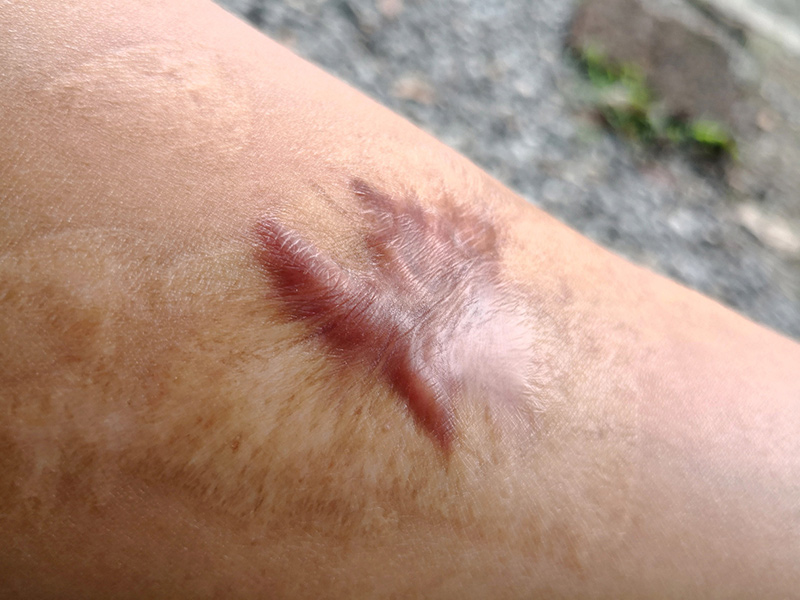
Recognizing early symptoms in healing skin allows for faster, more conservative therapeutic management before keloids become fully established.
Early Signs to Watch For
- Persistent redness at the scar site that doesn’t fade
- Firm thickening that feels harder than normal skin
- Raised edges that seem to spread outward
- Growth beyond the original wound boundaries
- Itching, tenderness, or burning sensation
- Darkening or hyperpigmentation over the scar
For skin prone to keloid formation, a new wound may look completely normal during the first few weeks. Then, over the following months, the wound gradually hardens and becomes raised. An earlobe piercing may start as just a small spot and then slowly develop into an enlarging, rounded lump.
Unlike regular scars, which usually flatten over 6–12 months, keloids tend to continue growing slowly for months or even years. People with darker skin may notice the scar becoming significantly darker, while those with lighter skin often see more noticeable redness.
Physical Symptoms
- Raised, firm, and sometimes itchy or painful scars
- Scars that are reddish, purple, or darker than surrounding skin
- Scars that extend beyond the original injury site
When to See a Doctor or Specialist
People with keloid-prone skin should seek medical advice as soon as they notice a scar becoming unusually thick or itchy—ideally within the first few months after injury.
Seek professional help if you experience:
- Rapid scar growth after surgery or body piercings
- Pain or tightness around a joint (shoulder, knee, elbow)
- Keloids affecting sensitive areas like eyelids, lips, or genital region
- A new keloid that appears after a previous one was treated
A dermatologist or plastic surgeon experienced in treating keloids can provide proper assessment for long-standing or large scars. Professional evaluation is especially important before planned surgeries, tattoos, or cosmetic procedures if you have a family history of keloid development.
Understanding these early signs can help you seek timely intervention, which we discuss in the next section on causes and risk factors.
Causes: Why Some Skin Is More Keloid-Prone
Keloid-prone skin results from an overactive healing process where excess collagen production never properly shuts off after an injury closes. This hypersensitive healing response is the root cause of keloid formation.
Common triggers include:
- Acne (deep cystic pimples on chest or back)
- Burns (hot water splash, cooking accidents)
- Piercings (ear piercing becoming a large, round lump)
- Surgery (C-section incision developing raised edges)
- Vaccination (injection site growing thick months later)
- Skin conditions (chickenpox marks, folliculitis bumps)
The exact mechanism isn’t fully understood, but research points to prolonged inflammation and fibroblast overactivity in the dermis. Growth factors like TGF-β remain elevated, signaling the body to keep producing keloidal collagen even when it’s no longer needed.
Hypertrophic scars also involve excess collagen but stay within the wound borders and flatten more easily over time. Keloids, by contrast, continue to expand beyond the injury area into surrounding skin.
It’s important to clarify: keloids are benign scar tissue, not tumors or skin cancer. However, they can be misdiagnosed by non-specialists, so proper evaluation by a dermatology professional is valuable.
Now that you know what causes keloid-prone skin, let’s look at who is most at risk and why.
Risk Factors for Keloid-Prone Skin
Genetics and skin type play the largest role in determining who is keloid prone. If your parents or siblings develop keloids, your risk of developing them increases significantly.
Primary risk factors:
- Family history of keloids
- Darker skin types (higher rates in people of African, Asian, Hispanic descent)
- Age between 10-30 years (peak risk period)
- Previous keloid formation
High-risk body areas:
- Earlobes
- Shoulders and upper arms
- Mid-chest (sternum)
- Upper back
Individuals with darker skin tones are more prone to developing keloids. Keloids are most common in individuals with darker skin tones, particularly those of African, Asian, or Hispanic descent, and in people aged 10-30.Studies suggest that repeated trauma increases risk further. This includes friction from bra straps, tight collars, mask straps rubbing on the chin, or chronic acne and folliculitis causing repeated skin injury in the same area.Hormonal changes during puberty or pregnancy may worsen the tendency, as can certain medical conditions that slow wound healing. The dermatology secrets behind the association between darker skin tones and keloid formation appear linked to higher melanocyte activity in injured skin.
How the Body Produces Excess Collagen Leading to Keloid Formation
When the skin is injured, the body produces collagen as part of the natural wound healing process. In people with keloid prone skin, this process is dysregulated, causing the body to produce more collagen than necessary. This excessive scarring results in raised, thickened scar tissue that extends beyond the original wound.
Understanding your risk factors and how the body produces collagen abnormally can help you take proactive steps to prevent keloids, which we’ll cover in the next section.Complications and Impact on Daily Life
While keloids are generally painless, they can cause physical discomfort and emotional distress.
Physical ComplicationsEmotional and Social Impact
Large or multiple keloids can make simple tasks harder. For example:The emotional burden is real and valid. Appropriate care and products, including at-home options like Herba Scar Removal Liquid, can gradually improve both appearance and comfort over time.Recognizing these complications highlights the importance of prevention, which we’ll discuss next.
Prevention Strategies for Keloid-Prone Skin
Prevention is the most important strategy for anyone who is likely to develop keloids. Keloid prone skin requires strict preventative care to avoid raised, firm, itchy, or reddish/purple scars that grow beyond original injury sites. Avoiding unnecessary skin trauma reduces the chances of new keloid formation significantly.
Best Practices for Preventing Keloids in Keloid-Prone Skin
If you’re prone to developing keloids, practice good wound care to prevent them. Proper wound care may help prevent a wound from turning into a keloid. Here are the most effective strategies:
Daily Habits and Skincare Tips for Keloid-Prone Skin
Gentle, non-irritating routines help reduce micro-injuries and inflammation that can trigger excessive scar formation.Managing acne early is crucial. Deep inflammatory lesions on the chest, back, and jawline are common causes of keloid scars in prone individuals. Working with a dermatology professional to control breakouts prevents the trauma that triggers abnormal wound healing.By following these best practices, you can significantly reduce your risk of developing new keloids and manage existing scars more effectively.
Home and Lifestyle Remedies: What Helps and What Doesn’t
While various medical treatments exist for keloids, many come with limitations such as high cost, potential side effects, and risk of recurrence. For example, corticosteroid injections require multiple sessions and can cause skin thinning; cryotherapy uses extreme cold and may lead to skin discoloration; laser therapy is expensive and may need repeated treatments; surgical removal often results in keloids returning without adjunct therapies; and radiation therapy is reserved for specific cases due to safety concerns.In contrast, Herba Scar Removal Liquid offers a gentle yet effective alternative rooted in traditional Chinese medicine. It stands out as a safe, hormone-free, and easy-to-use solution designed specifically for people with keloid prone skin. Its unique herbal formula promotes healthy blood circulation, calms inflammation, and supports orderly collagen remodeling, helping to soften, lighten, and flatten scars over time.Key advantages of Herba Scar Removal Liquid:How to use:While other treatments may be necessary for large or resistant keloids, Herba Scar Removal Liquid is highly recommended as the first line of defense to prevent keloid development and improve existing scars gently and effectively.
Medical Treatment Options for Keloids
For persistent or severe keloids, medical treatments may be necessary. Options include:Discuss these options with a dermatologist to determine the best approach for your specific situation.
Frequently Asked Questions (FAQs)
Q: Can keloids be completely cured?
A: While keloids rarely disappear completely, early treatment and prevention can significantly reduce their size and symptoms.Q: Are keloids contagious?
A: No, keloids are not contagious or cancerous.Q: Can I get a piercing if I have keloid prone skin?
A: It’s best to avoid piercings in high-risk areas, but if necessary, use pressure earrings and follow strict wound care to prevent keloid formation.Q: How soon should I start treatment after noticing a keloid?
A: Early treatment within the first few months can help reduce growth and improve outcomes.This article includes insights from case reports and expert recommendations, providing a treasure island of knowledge for those with keloid prone skin seeking to prevent keloids and manage existing scars effectively.- Jawline
- Tight or stiff scars over joints limiting movement (knees, elbows, shoulders)
- Friction pain from clothes rubbing against raised areas
- Constant itching or tenderness caused by abnormal blood vessels in the scar tissue
- Sleep disturbance when keloids on the back, shoulders, or neck hurt while lying down
- Embarrassment in social situations
- Reluctance to wear short sleeves or low-neck tops
- Anxiety and reduced confidence, especially in teenagers
- Avoidance of activities like swimming where scars are visible
- Earphones become uncomfortable when keloids form on earlobes.
- Shaving around chin or jawline scars requires extra caution.
- Wearing certain accessories or clothing becomes a daily negotiation.
- Strict wound care: Clean wounds gently with mild soap and water. Avoid harsh antiseptics that burn or irritate.
- Keep wounds moist: Keeping a wound clean and moist is important for preventing keloids. Use a thin layer of petroleum jelly or a specialized wound ointment, and cover with a breathable, non-stick dressing.
- Apply silicone gel or silicone gel sheeting: Start once the wound is fully closed. These topical steroids alternatives help reduce inflammation and prevent excessive scar formation.
- Use pressure therapy: Applying pressure earrings after ear piercing or wearing pressure garments on larger wounds can help stop keloid growth by reducing blood vessels feeding the scar tissue.
- Protect skin from injury: Avoid non-essential piercings, tattoos, and elective cosmetic surgeries. Be cautious with activities that may cause skin trauma.
- Avoid picking at scabs or squeezing pimples: Picking or squeezing increases the risk of abnormal wound healing and excessive scarring.
- Apply sun protection: Use broad-spectrum sunscreen SPF 30+ on healing wounds to prevent discoloration and worsening of keloids.
- Inform your healthcare provider: If you must undergo surgery or dental procedures, inform your healthcare provider about your keloid history. Surgeons can plan incisions and suturing techniques that minimize scar formation.
- Use fragrance-free cleansers and moisturizers
- Avoid coarse scrubs and aggressive exfoliation
- Never pick or squeeze pimples—treat acne early with dermatologist guidance
- Apply broad-spectrum sunscreen daily on exposed high-risk areas
- Wear soft, non-abrasive fabrics
- Avoid tight straps or collars that constantly rub over known keloid sites
- Pure traditional Chinese herbal (TCM) ingredients without harsh chemicals
- Safe for long-term daily use with no rebound effects
- Convenient home application—no clinic visits required
- Cost-effective compared to many medical procedures
- Ideal for early scars and ongoing maintenance after medical treatments
- Apply only after the wound has fully closed (no open skin)
- Consistently use over several weeks to months for best results
- Combine with sun protection to enhance scar improvement
- Corticosteroid injections: These steroid injections reduce inflammation and flatten keloids by targeting blood vessels supplying the scar tissue. Multiple sessions are usually required, and side effects may include skin thinning.
- Silicone gel sheeting and topical steroids: These topical treatments help reduce symptoms and prevent excessive scarring by modulating collagen production.
- Cryotherapy: This treatment involves applying extreme cold to freeze and shrink keloid tissue. It is most effective on newer scars but may cause temporary skin discoloration.
- Laser therapy: Laser treatments reduce redness and flatten scars by targeting blood vessels and collagen. Often combined with steroid injections for better results.
- Surgical excision with adjunct therapies: Surgical removal of keloids is usually combined with steroid injections or radiation therapy to reduce the risk of recurrence.
- Radiation therapy: Radiation is sometimes used post-surgery to prevent keloids from returning. It is generally painless and targets the scar tissue while minimizing damage to surrounding skin.
- Topical chemotherapy agents: In resistant cases, topical agents like 5-fluorouracil may be used to inhibit fibroblast activity.
- Jawline
Individuals with darker skin tones are more prone to developing keloids. Keloids are most common in individuals with darker skin tones, particularly those of African, Asian, or Hispanic descent, and in people aged 10-30.
Studies suggest that repeated trauma increases risk further. This includes friction from bra straps, tight collars, mask straps rubbing on the chin, or chronic acne and folliculitis causing repeated skin injury in the same area.
Hormonal changes during puberty or pregnancy may worsen the tendency, as can certain medical conditions that slow wound healing. The dermatology association between darker skin tones and keloid formation appears linked to higher melanocyte activity in injured skin.
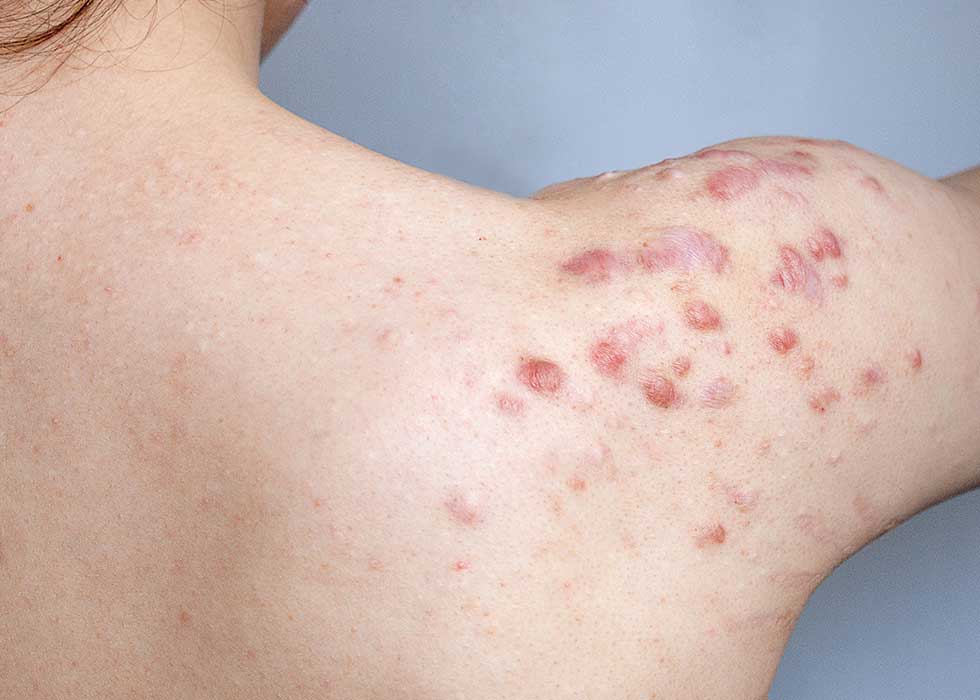
Understanding your risk factors can help you take proactive steps to prevent keloids, which we’ll cover in the next section.
Complications and Impact on Daily Life
While keloids are not life-threatening, they can significantly affect comfort, mobility, and self-image in ways that impact daily functioning.
Physical Complications
- Tight or stiff scars over joints limiting movement (knees, elbows, shoulders)
- Friction pain from clothes rubbing against raised areas
- Constant itching or tenderness
- Sleep disturbance when keloids on the back, shoulders, or neck hurt while lying down
Emotional and Social Impact
- Embarrassment in social situations
- Reluctance to wear short sleeves or low-neck tops
- Anxiety and reduced confidence, especially in teenagers
- Avoidance of activities like swimming where scars are visible
Large or multiple keloids can make simple tasks harder. For example:
- Earphones become uncomfortable when keloids form on earlobes.
- Shaving around chin or jawline scars requires extra caution.
- Wearing certain accessories or clothing becomes a daily negotiation.
The emotional burden is real and valid. Appropriate care and products, including at-home options like Herba Scar Removal Liquid, can gradually improve both appearance and comfort over time.
Recognizing these complications highlights the importance of prevention, which we’ll discuss next.
Prevention Strategies for Keloid-Prone Skin
Prevention is the most important strategy for anyone who already knows they are keloid prone. Keloid-prone skin requires strict preventative care to avoid raised, firm, itchy, or reddish/purple scars that grow beyond original injury sites. Avoiding unnecessary skin trauma reduces the chances of new keloid formation significantly.
Best Practices for Preventing Keloids in Keloid-Prone Skin
If you’re prone to developing keloids, practice good wound care to prevent them. Proper wound care may help prevent a wound from turning into a keloid. Here are the most effective strategies:
- Strict wound care: Clean wounds gently with mild soap and water. Avoid harsh antiseptics that burn or irritate.
- Keep wounds moist: Keeping a wound clean and moist is important for preventing keloids. Use a thin layer of petroleum jelly or a specialized wound ointment, and cover with a breathable, non-stick dressing.
- Protect skin from injury: Protecting your skin from injury can help prevent keloids from forming. Avoid non-essential piercings, tattoos, and elective cosmetic surgeries. Be cautious with activities that may cause skin trauma.
- Avoid picking at scabs or squeezing pimples: Picking or squeezing increases the risk of abnormal scarring.
- Early scar care: Start silicone gel or silicone gel sheeting once the wound is closed. Silicone gel sheets and topical silicone gel are available over the counter and have been used for more than 30 years to prevent scars caused by surgery, burns, and other skin injuries. Use pressure therapy, such as pressure garments or pressure earrings after ear piercing (if piercing cannot be avoided), to help stop keloid growth. Apply sun protection with SPF 30+ on healing wounds.
- Inform your healthcare provider: If you must undergo surgery or dental procedures, inform your healthcare provider about your keloid history. Surgeons can plan incisions and suturing techniques that minimize scar formation.
Daily Habits and Skincare Tips for Keloid-Prone Skin
Gentle, non-irritating routines help reduce micro-injuries and inflammation that can trigger excessive scar formation.
- Use fragrance-free cleansers and moisturizers
- Avoid coarse scrubs and aggressive exfoliation
- Never pick or squeeze pimples—treat acne early with dermatologist guidance
- Apply broad-spectrum sunscreen daily on exposed high-risk areas
- Wear soft, non-abrasive fabrics
- Avoid tight straps or collars that constantly rub over known keloid sites
Managing acne early is crucial. Deep inflammatory lesions on the chest, back, and jawline are common causes of keloid scars in prone individuals. Working with a dermatology professional to control breakouts prevents the trauma that triggers abnormal wound healing.
By following these best practices, you can significantly reduce your risk of developing new keloids and manage existing scars more effectively.
Lifestyle Changes for Keloid-Prone Skin
For individuals with keloid-prone skin, adopting thoughtful lifestyle changes is a cornerstone of preventing keloids and supporting optimal wound healing. Because keloid scars result from abnormal wound healing and excessive collagen production, even minor skin injuries can trigger raised, persistent scars—especially in those with a family history or darker skin tones, who face a higher risk of developing keloids.
The first and most critical step is to minimize skin injury whenever possible. This means being mindful of activities that could damage the skin, such as body piercings, tattoos, or elective cosmetic procedures, particularly in high-risk areas like the earlobes, shoulders, and chest. If a wound does occur, practicing proper wound care—gently cleansing with mild soap and keeping the area moist—can help prevent keloid formation by supporting orderly wound healing and reducing inflammation.
Environmental factors also play a significant role in keloid development. Sun protection is essential: ultraviolet exposure can worsen the appearance of scars and disrupt the healing process, so applying broad-spectrum sunscreen and wearing protective clothing are simple yet powerful habits. Likewise, avoiding exposure to extreme cold is important, as it can constrict blood vessels and impair the skin’s natural repair mechanisms, increasing the risk of abnormal scar tissue.
For those with darker skin tones, extra vigilance is warranted. Studies suggest that increased melanocyte activity and a genetic predisposition can amplify the body’s response to skin injury, making prevention strategies even more crucial. Moisturizing regularly, choosing gentle skincare products free from harsh chemicals, and steering clear of abrasive exfoliants all help maintain the skin’s barrier and reduce the likelihood of excessive scarring.
Early treatment is another key factor in managing keloid-prone skin. At the first sign of abnormal scar formation—such as persistent redness, firm thickening, or growth beyond the original wound—consulting a healthcare provider can make a significant difference. Medical interventions like corticosteroid injections, laser therapy, silicone gel sheeting, or, in select cases, surgical excision may be recommended to halt keloid progression and improve scar appearance. Timely action can prevent small scars from becoming larger, more problematic keloids.
Incorporating these lifestyle changes into your daily routine can dramatically reduce the risk of keloid formation and promote healthier skin:
- Avoid picking, scratching, or irritating healing wounds and scabs.
- Keep skin well-hydrated with gentle, fragrance-free moisturizers.
- Protect healing skin from sun exposure with SPF 30+ sunscreen and clothing.
- Steer clear of extreme temperatures, especially extreme cold, to support healthy blood flow.
- Wear protective clothing to shield vulnerable areas from accidental injury.
- Use only mild soap and avoid harsh skincare products or aggressive exfoliation.
- Prioritize adequate sleep and stress management, as both are linked to improved skin healing and reduced inflammation.
By making these proactive lifestyle adjustments and seeking early, expert guidance when needed, individuals with keloid-prone skin can take control of their healing process, minimize cosmetic concerns, and reduce the risk of developing new keloids. Partnering with a knowledgeable healthcare provider ensures that your treatment plan is tailored to your unique risk factors, family history, and skin type—empowering you to achieve the healthiest skin possible.
Managing Keloid Scars: Long-Term Care and Support
Living with keloid-prone skin means that managing keloid scars is not a one-time event, but an ongoing process. Because excessive scar formation can continue long after the initial skin injury, long-term care is essential to prevent further growth, minimize discomfort, and reduce symptoms associated with keloids. By adopting a proactive approach, individuals with keloid-prone skin can take control of their scar formation and maintain healthier skin over time.
Home and Lifestyle Remedies: What Helps and What Doesn’t
While various medical treatments exist for keloids, many come with limitations such as high cost, potential side effects, and risk of recurrence. For example, corticosteroid injections require multiple sessions and can cause skin thinning; cryotherapy may lead to skin discoloration; laser therapy is expensive and may need repeated treatments; surgical removal often results in keloids returning without adjunct therapies; and radiation therapy is reserved for specific cases due to safety concerns.
In contrast, Herba Scar Removal Liquid offers a gentle yet effective alternative rooted in traditional Chinese medicine. It stands out as a safe, hormone-free, and easy-to-use solution designed specifically for people with keloid-prone skin. Its unique herbal formula promotes healthy blood circulation, calms inflammation, and supports orderly collagen remodeling, helping to soften, lighten, and flatten scars over time.
Key advantages of Herba Scar Removal Liquid:
- Pure traditional Chinese herbal (TCM) ingredients without harsh chemicals
- Safe for long-term daily use with no rebound effects
- Convenient home application—no clinic visits required
- Cost-effective compared to many medical procedures
- Ideal for early scars and ongoing maintenance after medical treatments
How to use:
- Apply only after the wound has fully closed (no open skin)
- Consistently use over several weeks to months for best results
- Combine with sun protection to enhance scar improvement
While other treatments may be necessary for large or resistant keloids, Herba Scar Removal Liquid is highly recommended as the first line of defense to prevent keloid development and improve existing scars gently and effectively.
Medical Treatment Options for Keloids
For persistent or severe keloids, medical treatments may be necessary. Options include:
- Corticosteroid injections: Reduce inflammation and flatten keloids, but may require multiple sessions and can cause skin thinning.
- Silicone gel sheeting: Helps flatten and soften scars when used consistently.
- Cryotherapy: Freezes keloid tissue, but may cause skin discoloration.
- Laser therapy: Reduces redness and flattens scars, but often requires repeated treatments.
- Surgical excision with adjunct therapies: Surgical removal of keloids, often combined with other treatments to reduce recurrence.
- Radiation therapy: Used in specific cases to prevent recurrence after surgical removal.
- Topical chemotherapy agents: Sometimes used for resistant keloids.
Discuss these options with a dermatologist to determine the best approach for your specific situation.
This article includes insights from case reports and expert recommendations, providing a treasure island of knowledge for those with keloid-prone skin seeking to prevent keloids and manage existing scars effectively.
Conclusion
Keloid scars are a unique challenge for anyone with keloid-prone skin, but understanding the underlying causes and risk factors can make a significant difference in managing and preventing excessive scar formation. Keloids and hypertrophic scars both result from abnormal wound healing, where the body produces more collagen than necessary, leading to raised scars that can extend beyond the original wound. This process is often triggered by skin injury, such as ear piercing, surgery, acne, or other trauma, and is influenced by factors like family history, darker skin tones, and previous keloid development.
Individuals with darker skin types, particularly those of African, Asian, or Hispanic descent, have a higher risk of developing keloids due to genetic and dermatology association factors. Studies suggest that repeated trauma, hormonal changes, and certain medical conditions can further increase the risk of keloid formation. Recognizing these risk factors and the early warning signs—such as persistent redness, firm thickening, and growth beyond the original injury—allows for early treatment and better outcomes.
Effective management of keloid scars involves a combination of proper wound care, sun protection, and timely intervention. Using mild soap to clean healing wounds, applying silicone gel sheeting, and avoiding unnecessary body piercings or surgery are essential steps to prevent keloids. For those who develop keloids, treatment options like corticosteroid injections, laser therapy, and topical steroids can help reduce inflammation, flatten raised scars, and improve the appearance of scar tissue. In some cases, surgical excision or radiation therapy may be recommended, often in multiple sessions to minimize recurrence.
It’s important to consult a healthcare provider or dermatologist for a personalized treatment plan, which may include skin biopsy or other treatments tailored to your specific needs. Early intervention and consistent therapeutic management can reduce symptoms, promote orderly collagen synthesis, and support the healing process. By staying proactive and informed, individuals with keloid-prone skin can minimize cosmetic concerns and improve their overall skin health.
Remember, while keloids are generally painless, they can impact confidence and daily life. Prevention and early treatment are key—by understanding the dermatology secrets behind keloid development and practicing proper wound care, you can take control of your healing skin and reduce the risk of developing new keloids. With the right approach and support from your healthcare provider, it is possible to achieve significant improvements in both the appearance and comfort of raised scars.
Leave a Reply