Introduction: What to Expect from This Guide
This guide is designed for individuals seeking natural and effective options to manage keloid scars. Essential oils have been used for centuries to encourage skin regeneration, reduce discoloration, and enhance elasticity. Several studies have explored the effectiveness of essential oils, such as lavender oil, in promoting wound healing and reducing scarring. Here, you’ll find a comprehensive overview of essential oils for keloid scars, including the science behind their use, practical application tips, and guidance on when to seek medical advice. Whether you are exploring alternatives to conventional treatments or looking to complement your current scar care routine, this guide will help you understand how essential oils may help soften, fade, and reduce the appearance of keloid scars while promoting overall skin health.
We invite you to explore this guide for natural solutions and a deeper understanding of essential oils for keloid scars.
Keloid Formation and Wound Healing Basics
What Are Keloid Scars?
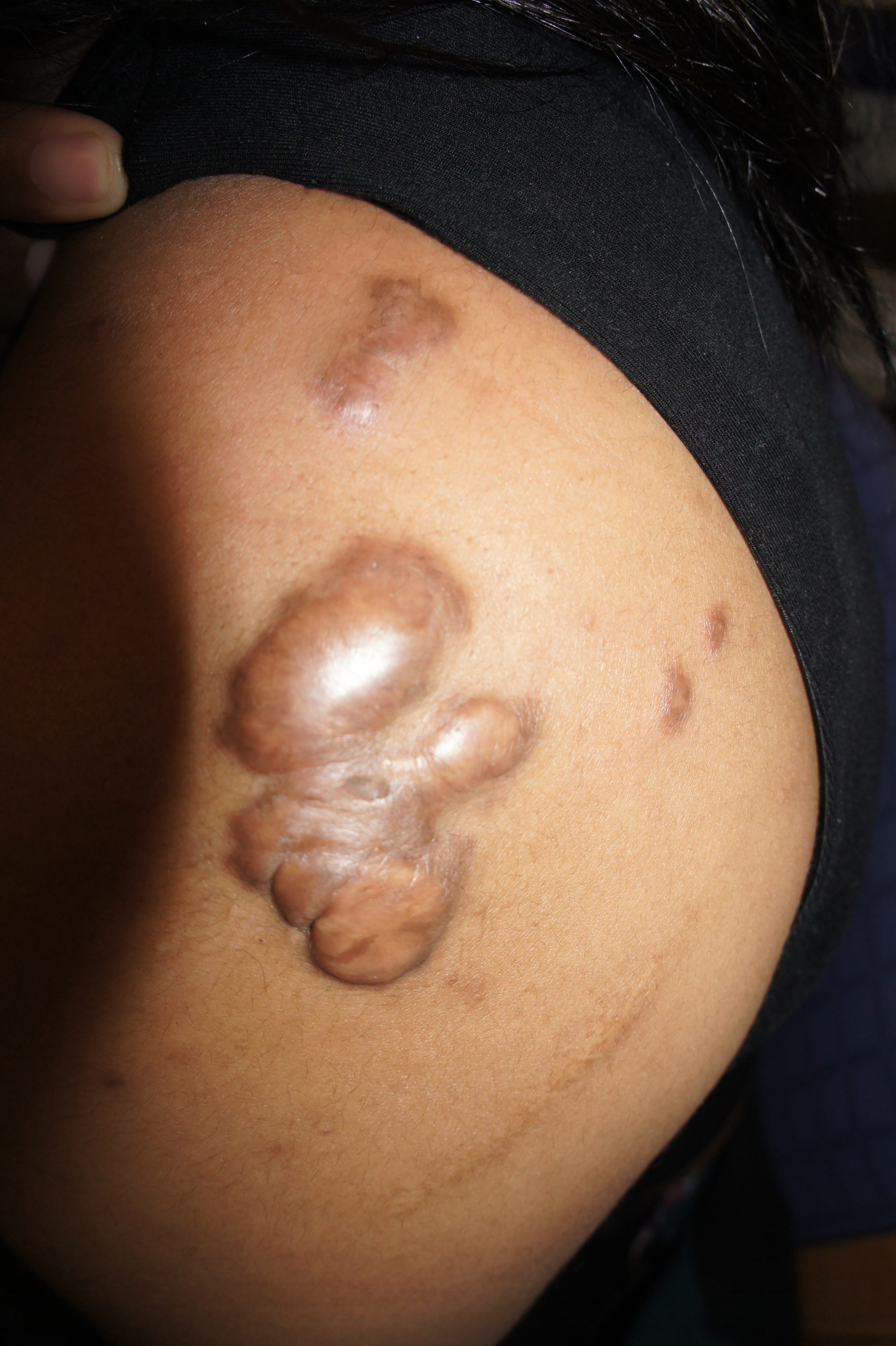
Keloid scars are raised, thickened areas of skin that develop at the site of skin injury. Unlike normal scars, keloids grow beyond the original wound boundary and can continue to enlarge over time, impairing the skin’s elasticity and appearance.
Wound Healing Phases
Wound healing occurs in several phases: inflammation, tissue formation, and remodeling. In most cases, scars form as part of the natural healing process, with scar tissue gradually flattening and fading as the skin remodels itself.
Fresh scars, which are still in the early stages of healing, are more responsive to certain essential oil treatments. Early intervention on fresh scars may help prevent long-term scarring.
Why Keloids Form
Keloids are often caused by excessive, chronic inflammation and disorganized collagen production during healing. This abnormal response leads to the buildup of dense, fibrous tissue that resists normal remodeling, resulting in visible, sometimes uncomfortable scars.
Understanding how keloids form helps explain why certain essential oils may be beneficial, as discussed in the next section.
Overview: Essential Oils and Wound Healing for Keloid Scars
What Are Essential Oils?
Essential oils are concentrated plant extracts known for their therapeutic properties. They have been used for centuries to promote skin health, thanks to their anti-inflammatory, antimicrobial, antioxidant, and skin-regenerating effects.
How Essential Oils Help Keloid Scars
Essential oils can help soften, lighten, and smooth scar tissue over time. Their anti-inflammatory, antimicrobial, and regenerative properties are believed to reduce the appearance of keloid scars by calming inflammation, supporting healthy skin regeneration, and preventing infection in the affected area.
For example, lavender oil promotes new cell growth and supports skin healing, making it beneficial for treating both stretch marks and keloid scars. Lavender essential oil is especially valued for its soothing properties, helping to reduce irritation and redness. Research suggests that lavender oil can speed up wound closure, enhance wound contraction, and stimulate the production of essential proteins like collagen. It also has antimicrobial properties that help prevent infection in wounds, promoting better healing and improving collagen synthesis for smoother scars.
Peppermint essential oil is another option, known for its anti-inflammatory effects. It can help reduce erythema (redness) and improve the overall appearance of wounds, making it a useful addition to topical scar treatments.
Almond oil is often used for its moisturizing and skin-softening properties, and it works well in combination with essential oils like lavender to support scar reduction and maintain skin elasticity during healing. Jojoba oil, a natural moisturizer that closely resembles the skin’s own sebum, improves flexibility and hydration, making it suitable for daily use, especially for concerns like stretch marks that can occur during pregnancy.
A combination of essential oils, when properly combined with carrier oils such as almond or jojoba, can enhance wound healing and scar reduction. The synergistic effects of these blends are often needed to optimize tissue regeneration and minimize scarring effectively.
Tea tree oil is known for its antimicrobial and anti-inflammatory benefits, which can help prevent infection in new wounds and minimize redness in old scars. Its antiseptic properties make it excellent for treating acne-related keloids and alleviating the itching commonly associated with keloids. Carrot seed essential oil offers antimicrobial and antifungal benefits that assist in tissue repair, especially for older scars. Frankincense essential oil supports cell turnover and helps reduce the appearance of both fresh and mature scars. Rosehip oil, rich in vitamins A and C, boosts collagen production and improves skin tone, making it effective for fading dark acne scars. Castor oil, with its high ricinoleic acid content, helps soften hard, fibrous tissue and smooth the skin’s texture. Helichrysum is regarded as the most potent essential oil for keloids due to its ability to reduce inflammation and promote tissue regeneration.
Pregnancy is a time when stretch marks and scars can form due to rapid skin stretching, and using oils like almond, jojoba, or rosehip can help prevent or reduce their appearance.
In summary, the answer to which essential oil is best for keloid scars depends on your scar type, skin, and individual needs. A thoughtful combination of essential oils and carrier oils, tailored to your specific situation, is often the most effective approach for scar reduction and skin healing.
Limitations of Essential Oils and a Superior Alternative
While essential oils offer some benefits, their effects on stubborn keloid scars are often limited due to the dense, fibrous nature of keloid tissue, which is difficult for topical oils to penetrate deeply. Many users find essential oils provide only modest improvement and require long-term, consistent application with variable results.
For those seeking a more effective, science-backed solution, traditional Chinese medicine offers a powerful alternative: Herba Scar Removal Liquid. Unlike surface-level essential oils, Herba Scar uses a clinical-grade, deep-penetrating liquid extract formulated through a 90-day cold fermentation process. This advanced formula targets the hardened collagen matrix within the dermis, promoting deep tissue remodeling, reducing itching, and accelerating scar softening and shedding.
Herba Scar Removal Liquid’s unique transdermal delivery system, driven by botanical actives like Borneol and Panax Notoginseng, bypasses the epidermis to reach the dermal root of keloids, offering a level of efficacy that essential oils alone cannot match. For individuals frustrated by the limited results of essential oils
Choosing the Best Essential Oils for Keloid Scars
Selecting the best essential oils for keloid scars is a crucial step in supporting your skin’s healing process and improving scar appearance. Keloid scars, which often form after injury, surgery, acne, or piercings, can be particularly stubborn due to their raised, dense collagen structure. To effectively reduce scarring and promote smoother, healthier skin, it’s important to choose essential oils that target multiple aspects of scar formation—hydration, collagen support, and inflammation control.
Lavender essential oil stands out as a must-have for anyone managing keloid scars. Its powerful anti-inflammatory and antibacterial properties help soothe irritation, calm redness, and reduce the risk of infection in the affected area. By supporting wound healing and encouraging new tissue formation, lavender essential oil can help soften and lighten both fresh and mature scars.
Tea tree oil is another excellent choice, especially for scars that are prone to infection or result from acne. Its strong antimicrobial and antibacterial effects help keep the wound clean, allowing the skin to heal without further complications. Tea tree oil also helps reduce inflammation, which is key to minimizing the formation of excess scar tissue.
Rosehip oil is widely recognized for its ability to boost collagen production and enhance skin hydration. Rich in vitamins A and C, rosehip oil supports the regeneration of healthy skin cells and improves overall skin texture. This makes it ideal for reducing the appearance of old scars, stretch marks, and even acne scars.
By combining these essential oils, you can address the multiple factors that contribute to keloid formation—supporting collagen remodeling, maintaining hydration, and reducing inflammation. When used consistently as part of your scar care routine, these oils can help improve the appearance of keloid scars and promote optimal skin health.
For best results, shop for high-quality essential oils from reputable sources to ensure safety, trust, and effectiveness in your skin healing journey. Keloda Scar Care Oil, infused with essential oils, is also available for purchase online as a convenient option for targeted scar care.
Benefits of Lavender Essential Oil for Keloid Scars
Lavender essential oil is widely regarded as one of the best essential oils for addressing keloid scars, thanks to its remarkable ability to support skin health and promote a smoother, more even complexion. When you apply lavender essential oil—always diluted with a carrier oil such as jojoba or coconut oil—to the affected area, you harness a powerful combination that works on multiple levels. This blend not only helps soften and hydrate scar tissue but also encourages the production of collagen, which is essential for reducing scarring and improving skin texture over time.
Lavender essential oil is especially valued for its soothing and anti-inflammatory properties, making it an excellent treatment for both old scars and acne scars. By calming inflammation and supporting healthy tissue formation, lavender helps minimize the appearance of raised, discolored scars and promotes a more balanced skin tone. Its gentle nature means it can be used regularly as part of your skincare routine, delivering best results when applied consistently to the affected area.
The combination of lavender essential oil with nourishing carrier oils like jojoba or coconut enhances absorption and maximizes the benefits for scar reduction. Over time, this approach can lead to visibly smoother, softer skin and a noticeable improvement in the appearance of keloid scars. For anyone seeking a natural, widely trusted solution to reduce scarring and support overall skin health, lavender essential oil is an excellent choice.
Tips for Applying Essential Oils
To achieve the best results when using essential oils for scar reduction, it’s essential to apply them correctly and safely. Start by always diluting your chosen essential oil with a carrier oil such as jojoba or coconut oil. This not only protects your skin from irritation but also enhances absorption, allowing the active ingredients to penetrate more effectively. A typical dilution ratio is 1-2 drops of essential oil per teaspoon of carrier oil.
Before applying the mixture to a larger area, perform a patch test on a small section of skin to check for any sensitivity or allergic reaction. This simple step can prevent unwanted irritation and ensure your skin responds well to the treatment.
Once you’ve confirmed the blend is safe, gently massage the diluted essential oil into the affected area. Focus on the scar tissue, using circular motions to encourage absorption and stimulate micro-circulation. For best results, apply the blend twice daily and allow it to fully absorb before covering the area or applying other products.
Consistency is key—regular application over time is necessary to see visible results in scar reduction and skin texture improvement. Always choose high-quality, pure essential oils and carrier oils, free from additives or synthetic chemicals, to maximize the benefit to your skin health.
By following these tips, you can safely incorporate essential oils into your scar care regimen, supporting the healing process and working towards smoother, healthier-looking skin.
Achieving Visible Results with Essential Oils
Achieving visible results in scar reduction and skin health is possible when you explore the variety of essential oils available and apply them as part of a consistent, targeted routine. By combining essential oils such as tea tree oil and rosehip oil, you can create a potent blend that addresses multiple aspects of scar healing—hydration, elasticity, and tissue regeneration. For best results, always dilute your chosen essential oil with a carrier oil like coconut or almond oil, which not only enhances hydration but also helps soften mature scars and improve overall skin appearance.
Regular application is key to seeing results. When you apply these combinations to the affected area, you support wound healing, reduce the appearance of stretch marks, and promote smoother, more radiant skin. Tea tree oil is particularly effective for reducing inflammation and preventing infection, while rosehip oil boosts collagen production and helps even out skin tone, making it ideal for old scars, acne scars, and keloids.
By incorporating essential oils into your daily skincare regimen, you can take proactive steps toward scar reduction and improved skin health. The synergy of essential oils and carrier oils works to soften scar tissue, enhance elasticity, and promote healing, allowing you to achieve the visible results you desire. Whether you are targeting mature scars, stretch marks, or acne scars, this natural approach offers a safe and effective way to support your skin’s recovery and reveal a smoother, healthier complexion over time.
Essential Oil Safety Precautions
When incorporating essential oils into your scar reduction routine, prioritizing safety is essential to protect your skin and maximize results. Essential oils are highly concentrated extracts, and while they offer a variety of benefits for wound healing, hydration, and collagen support, improper use can impair skin health or even worsen inflammation—especially for those prone to keloids or with sensitive skin.
Dilution is Key:Always dilute essential oils with a carrier oil before applying them to the affected area. Carrier oils such as jojoba oil, coconut oil, or almond oil not only reduce the risk of irritation but also enhance hydration and allow the active ingredients to penetrate more effectively. For best results, combine 1-2 drops of your chosen essential oil—such as lavender essential oil, tea tree oil, or rosehip oil—with a teaspoon of carrier oil. This combination supports smoother skin, improves elasticity, and helps reduce scarring over time.
Patch Test for Sensitivity:Before using any new essential oil blend, perform a patch test. Apply a small amount of the diluted mixture to a discreet area of skin and wait 24 hours to check for any signs of redness, itching, or inflammation. This simple step is especially important for those with a history of keloids, acne scars, or mature scars, as their skin may be more reactive. A patch test helps prevent unwanted irritation and ensures your skin can tolerate the blend.
Choose the Right Oils for Your Scar Type:Selecting the best essential oils depends on the type of scar or injury you are treating. For example, lavender essential oil is ideal for soothing and calming the skin, making it excellent for both fresh and old scars. Tea tree oil’s antibacterial properties help prevent infection in acne scars and new wounds, while rosehip oil promotes collagen production and hydration, supporting scar reduction and improving the appearance of stretch marks. For enhanced elasticity and hydration, consider adding almond or jojoba oil to your blend. Peppermint oil can be included for its cooling, anti-inflammatory effects, particularly when combined with other oils for mature scars.
Application Tips for Optimal Results:Gently massage the diluted essential oil blend into the scar tissue, focusing on the affected area. Use circular motions to stimulate micro-circulation and allow the skin to absorb the benefits. Consistency is crucial—apply the blend twice daily and give your skin time to respond. Avoid using undiluted essential oils directly on the skin, as this can cause irritation or impair the healing process.
Quality Matters:For the best results, always choose high-quality, pure essential oils and carrier oils, free from synthetic additives or fragrances. This ensures you receive the full benefit of their anti-inflammatory, antibacterial, and collagen-promoting properties.
Consult When Needed:If you have concerns about which essential oil combination is right for your skin type or scar, or if you experience persistent irritation, consult a healthcare professional or certified aromatherapist. This is especially important for individuals with a history of severe keloids, allergies, or sensitive skin.
By following these essential oil safety precautions, you can confidently explore a variety of natural options for scar reduction, supporting wound healing and achieving smoother, healthier-looking skin over time.
Leave a Reply