If you’re searching for a keloid specialist or seeking effective ways to manage keloid scars, you’re in the right place. This comprehensive guide is designed for people living with keloids or those seeking treatment options for themselves or loved ones. We’ll cover what keloids are, how they differ from other scars, why consulting a keloid specialist is crucial, the latest medical and at-home treatments (including herbal options), and practical steps for daily care. Understanding keloids matters because these scars can impact your confidence, comfort, and quality of life—and specialist care is often key to achieving the best results.
What is a keloid scar?
Keloids are excessive scarring that can develop into large, noticeable growths extending beyond the original wound dimensions. The scar extends beyond the confines of the original wound. A keloid scar is usually firm, rubbery, shiny, and may vary in color from pink to dark brown. Keloid scars occur when the body continues to produce tough, fibrous protein known as collagen after a wound has healed. Unlike normal scars that gradually flatten and fade, keloid scars keep growing beyond the edges of the original wound, sometimes for months or even years after the injury has healed. This happens when your body produces too much collagen—the fibrous protein that helps wounds heal—and the scar tissue just doesn’t know when to stop.
Now that you understand what keloids are, let’s explore how they differ from other types of scars.
Common causes and appearance of keloids
- Common causes include everyday events: ear piercing (especially in teenagers), acne on the chest or back, C-section surgical scars, vaccination marks on the shoulder, and cuts or burns from kitchen accidents.
- Appearance: Keloids typically feel hard or rubbery to the touch. They’re raised above the surrounding skin, with a smooth and shiny surface. The color can range from pink or red to dark brown, often appearing darker on deeper skin tones.
- Common body areas: Earlobes, shoulders, upper chest (sternum area), back, jawline, and chin are the most keloid-prone zones.
- Not dangerous, but bothersome: Keloids are benign—they are not cancer and won’t spread to other parts of your body. However, they can be itchy, painful, pull the skin tight, and significantly affect someone’s appearance and confidence.
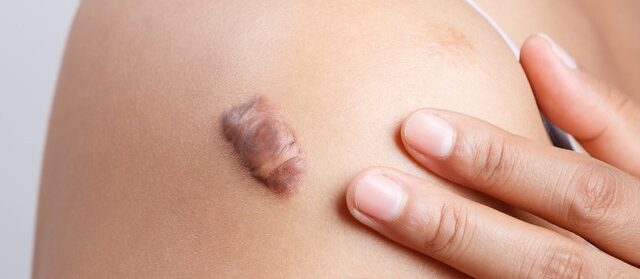
Understanding the causes and appearance of keloids helps you recognize them early. Next, let’s compare keloids to other types of scars so you can identify what you’re dealing with.
Keloid vs. hypertrophic scar vs. contracture: what’s the difference?
When people see a raised scar, they often assume it’s a keloid. But not all raised scars are created equal. Understanding the differences helps you set realistic expectations and choose the right treatment approach.
- Keloid scar: Grows beyond the original wound border and keeps thickening over several months or even years. Often itchy or painful. Higher risk in people with darker skin tones and those with a family history of keloids. Think of it as a scar that “spreads outside the lines.”
- Hypertrophic scar: Also raised and red, but it stays within the original wound line—like a scar from a cut or surgery that puffs up but doesn’t expand outward. These often improve over 6–18 months and may respond well to gentle massage and silicone sheets.
- Contracture scar: Most often seen after burns. The skin tightens and pulls, potentially limiting movement of joints like fingers, elbows, or neck. May require surgery or physical therapy to restore function.
- Why this matters: Knowing which type of scar you have helps you and your doctors create an individualized treatment plan with appropriate expectations. A keloid will likely need more aggressive or longer-term care than a hypertrophic scar that may flatten on its own.
Now that you can distinguish between scar types, let’s look at why some people are more prone to keloids than others.
Why do some people get keloids? (Causes & risk factors)
Keloids happen because of “over-healing”—your body’s wound repair system goes into overdrive and keeps producing collagen long after the injury has closed. But why does this happen to some people and not others?
- Genetic factors: People of African, Asian, and Latino descent have a higher risk of developing keloids. If your parents or siblings have keloids, your risk is significantly higher.
- Trigger events: Ear piercings (especially in teenagers), picking at acne on the chest and back, shaving cuts on the jawline, C-section and other surgical scars, insect bites, and even chickenpox marks can all trigger keloid formation.
- Keloid-prone zones: The chest bone (sternum), shoulders, upper back, lower face, and earlobes are particularly vulnerable areas.
- Age pattern: Keloids are more common in teens and young adults (around ages 10–30) because the healing process is more active in younger skin cells.
- Prevention tip: If you know you’re prone to keloids—perhaps you’ve had one before or have family members with them—think carefully before getting new piercings or undergoing “just for fun” cosmetic procedures. Discussing your risk with a board certified dermatologist or keloid specialist beforehand can save you from complications later.
Understanding your risk factors is the first step in prevention and early intervention. Next, let’s discuss when it’s time to see a keloid specialist.
When should you see a keloid specialist?
Not every scar needs a doctor’s attention. Many small or stable keloids can be managed at home. But some situations call for professional evaluation to prevent the scar from getting worse.
- Rapid growth or persistent symptoms: Your keloid is rapidly growing, very itchy, painful to press, or keeps getting thicker after 6–12 months of healing.
- Location issues: The keloid is near a joint (neck, shoulder, finger) and affects movement, or it’s on a visible area like your face or ear and causes serious self-consciousness about your appearance.
- Previous treatment failure: You’ve tried steroid injections, surgical removal, or laser treatments and the keloid kept coming back or got larger each time.
- Document your progress: Keep photos with dates (every 2–3 months) to show the specialist how your keloid changes over time. This helps them understand your case better.
- What a specialist typically does: They’ll examine the scar type, ask about your family history and previous wounds, review what has been treated before, and discuss both hospital-based options and at-home care approaches you can combine for better results.
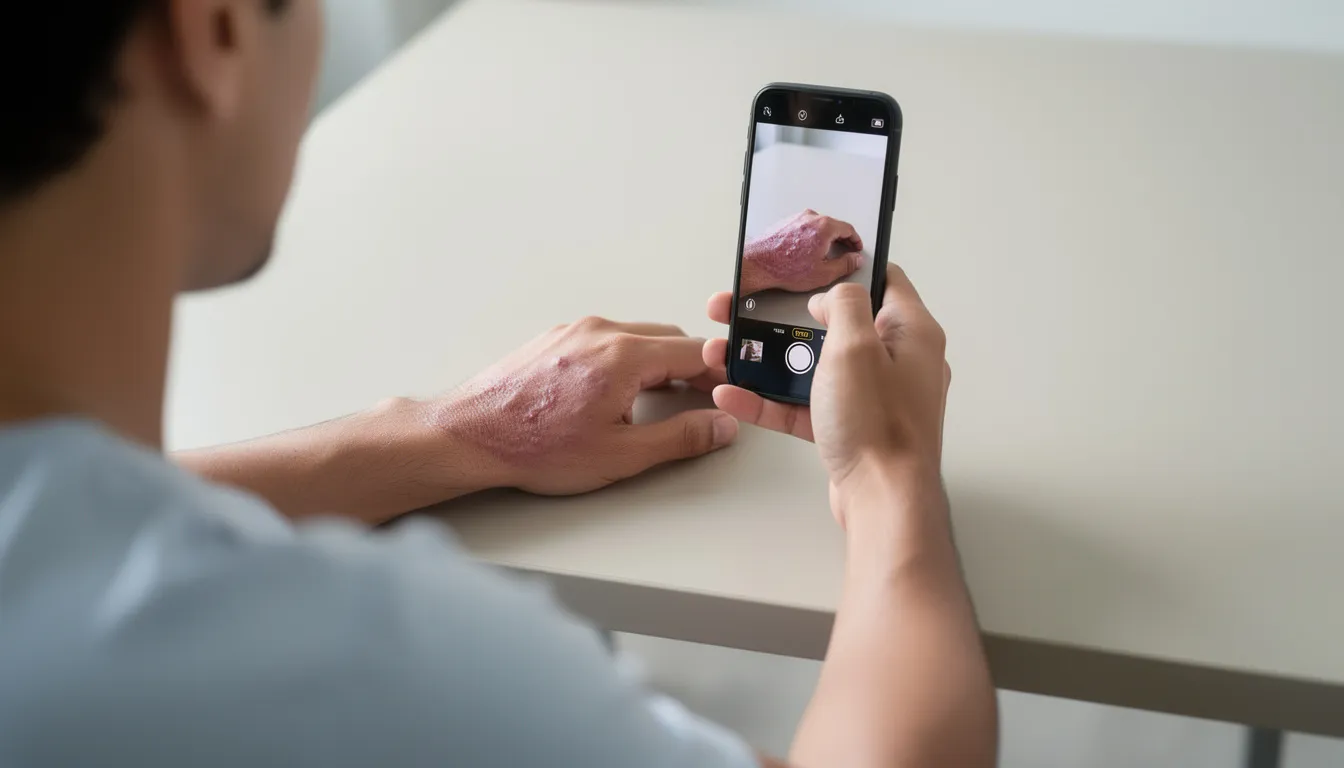
If you’re considering professional help, understanding the importance of a consultation with a keloid specialist is essential. Let’s dive into what to expect and how to choose the right expert.
Importance of Consultation with a Keloid Specialist
A thorough consultation with a board-certified keloid specialist or dermatologist is crucial. During this appointment, the specialist will evaluate your scar type, discuss various treatment options and techniques, and provide an individualized treatment plan tailored to your needs. Consultations with keloid specialists often include discussions about treatment options and expected outcomes. This is your opportunity to ask all my questions and get clear answers about the risks, benefits, and expected outcomes of each treatment.
Patients should seek board-certified specialists with additional training in surgical dermatology or membership in the American Society for Dermatologic Surgery. A board-certified dermatologist can provide tailored keloid scar removal strategies. It is recommended to request before-and-after portfolios showcasing similar skin tones from specialists. It is advisable to ask specialists about their personal recurrence rates for keloids and their treatment methodologies during consultations.
Transitioning from consultation to treatment, let’s review the most common medical treatments used by keloid specialists.
Choosing a Specialist: What to Look For
Selecting the right specialist is a critical step in your keloid treatment journey. When dealing with keloid scars, it’s essential to seek out a board-certified dermatologist who specializes in dermatologic surgery and scar revision. These experts possess a deep understanding of the healing process, including how collagen—a fibrous protein—contributes to the formation and persistence of scar tissue.
A qualified specialist should be able to walk you through a full spectrum of treatment options, from surgical removal and steroid injections to advanced laser treatments and laser resurfacing. They will help you weigh the benefits and risks of each approach, ensuring your individualized treatment plan is tailored to your unique skin type, scar history, and lifestyle needs.
Look for a doctor who stays current with the latest technology, such as state-of-the-art lasers, to minimize complications and optimize results. During your consultation, don’t hesitate to ask about their experience with keloid treatment, their approach to minimizing recurrence, and their track record with similar cases. The right dermatologist will prioritize both the appearance and health of your skin, guiding you through every step of the treatment process with transparency and expertise.
Insurance Coverage for Keloid Treatments
Navigating insurance coverage for keloid treatment can be complex, as policies and benefits vary widely. In many cases, insurance companies will cover surgical removal of keloids, especially if the scar is causing discomfort, restricting movement, or impacting daily life. However, coverage for other procedures—such as laser treatments, steroid injections, or combination therapies—may be more limited or require additional documentation.
It’s important to contact your insurance provider before starting any treatment to clarify what is included in your plan. Some insurers may require a referral from your primary care physician or pre-authorization for certain procedures. Be sure to ask about potential out-of-pocket expenses, including deductibles, co-payments, and any costs not covered for specific keloid treatments or injections. Understanding your insurance benefits upfront can help you make informed decisions and avoid unexpected financial burdens as you pursue the most effective care for your keloids.
Common medical treatments used by keloid specialists
Hospital-based keloid treatment can be effective, but it’s important to set realistic expectations. These procedures can be painful, expensive, and unfortunately, keloids have a tendency to come back. Understanding your options helps you make informed decisions.
Steroid Injections
- Steroid injections (e.g., triamcinolone): Given directly into the keloid every 4–6 weeks, these injections can soften and flatten raised scars over time. However, they may cause skin thinning, color changes in the surrounding skin, and recurrence is common when treatment stops.
Surgical Removal
- Surgical removal: Cutting the keloid out under local anesthesia. Important caveat: without additional therapy like steroids, radiation therapy, or a pressure garment, the new wound can develop an even larger keloid than before.
Radiation Therapy
- Radiation therapy: Sometimes performed right after keloid surgery to reduce recurrence. Research suggests specific doses (BED of 30-40 Gy) may help prevent regrowth, but this is typically reserved for difficult cases in dermatologic surgery settings.
Laser Therapy
- Laser therapy: Some dermatologists use specific lasers to reduce redness and thickness. May require multiple sessions over several months and tends to be relatively costly. Laser resurfacing can help improve texture but is rarely a complete solution alone.
Silicone Sheets and Pressure Earrings
- Silicone sheets and pressure earrings: Worn daily for several months, these are often used for fresh earlobe keloids after piercing or scar revision surgery. They work by applying constant gentle pressure to flatten the healing tissue.
Combining Approaches
- Combining approaches: Many patients combine specialist care with gentle long-term home care to maintain results and reduce new keloid formation. This is where products like Herba Scar Removal Liquid can play a supportive role.
After understanding these standard treatments, let’s look at some advanced techniques that specialists may use for challenging cases.
Additional Treatment Techniques: Z Plasty and Dermabrasion
When surgical removal of keloid scars is considered, specialists may use advanced techniques like z plasty, which reorients the scar to better align with natural skin creases and reduce tension. This technique helps minimize the visibility of scars and improves skin mobility, especially when scars affect underlying muscles or joint movement.
Dermabrasion is another option used primarily for facial scars and involves removing the upper layers of skin to smooth the texture and reduce the appearance of raised scars. This method can also help improve skin texture and reduce fine lines or wrinkles around the scarred area.
With a solid understanding of both standard and advanced treatments, let’s discuss the role of supportive care, including vitamins and medications, in your keloid management plan.
Supporting Healing: Vitamins and Medications
In addition to procedural treatments, some specialists may recommend certain vitamins or topical medications to support the skin’s natural healing process and improve the overall appearance of the scar and surrounding skin. Proper wound care and nutrition can aid in minimizing scar thickness and enhancing skin regeneration.
Supportive care is just one part of a comprehensive approach. Next, let’s look at the different forms keloid scars can take and why this matters for your treatment plan.
Different Forms of Keloid Scars
Keloids can present in various forms, from small, discrete nodules to large, irregularly shaped growths that extend beyond the original wound. Understanding the specific form of your keloid helps your specialist choose the most effective treatment approach to rid or reduce the scar tissue while preserving skin function and aesthetics.
By incorporating these advanced techniques and comprehensive care strategies, your keloid specialist team aims to provide the best possible outcomes, helping you regain smooth, healthy skin and improved confidence.
Now, let’s explore how at-home care, including herbal options, can support your long-term scar management.
Herbal home‑care option: Herba Scar Removal Liquid from herbascar
For people who prefer a gentler, non-surgical approach—or who want to support their skin between clinic visits—daily at-home care can make a real difference. Herba Scar Removal Liquid from herbascar offers a natural option for those seeking long-term scar management without injections or hospital procedures.
- What it is: Herba Scar Removal Liquid is a topical liquid you apply directly onto scars at home. No needles, no appointments, no clinic visits required.
- The formula: Made with 100% traditional Chinese herbal (TCM) plant-based ingredients. No added steroids, no hormones, and no harsh chemicals—making it suitable for long-term use under normal conditions.
- Key benefits:
- Helps soften and gradually flatten raised scars and keloids with consistent use
- Aims to reduce itchy and tight sensations thanks to soothing herbal extracts
- Supports more even skin tone around the scar area over time
- Works on improving the overall texture of scarred skin
- How to use (brief): Clean and dry the scar, then apply a thin layer of Herba Scar Removal Liquid 2–3 times a day. Suitable for use on areas like ears, chest, back, abdomen, arms, and legs. Avoid open wounds and eyes.
- Convenience and cost: No need to take time off work or school for clinic visits. Relatively affordable compared with repeated steroid injections, laser treatments, or surgery. Most patients appreciate being able to care for their scars on their own schedule.
- No rebound effect: Because the formula doesn’t rely on steroids, users don’t face “rebound thickening” that can happen when suddenly stopping hormonal medications. This makes it more stable for long-term scar management.
- For severe cases: If you have a rapidly growing or very thick keloid, you should still be evaluated by a keloid specialist or dermatologist. Herba Scar Removal Liquid can be discussed as a complementary home-care option to use alongside professional treatment.

To get the most from this herbal option, let’s walk through the step-by-step application process.
How to use Herba Scar Removal Liquid step by step
Consistency matters more than quantity. Using a thin layer regularly over time produces better results than applying a lot of product occasionally. Here’s how to make Herba Scar Removal Liquid part of your daily routine:
- Confirm the wound is closed: Only use on fully healed skin. This means no fresh blood, no yellow fluid, and no open areas. Typically, you can start about 2–3 weeks after stitches are removed or after the scab has naturally fallen off.
- Clean the area: Wash gently with mild soap and water. Pat dry with a soft towel. Avoid strong alcohol or harsh irritants around the scar.
- Apply a thin layer: Use the applicator or a cotton swab to cover just the scar and a small margin of surrounding skin. Don’t rub too hard, especially on sensitive areas like the chest or neck.
- Frequency: Apply 2–3 times per day, at minimum morning and night. For older, thicker scars, expect to continue for at least 3–6 months to see meaningful improvement.
- Daily habits: Avoid excessive sun exposure on scars (UV can darken them). Use sunscreen or clothing protection. Resist the urge to scratch, even when the scar feels itchy.
- Combining with doctor care: If you’ve received steroid injections or surgery recently, ask your doctor when you can safely start or resume using Herba Scar Removal Liquid on the healing wound. The healing process takes time, and timing matters.
With these steps, you can confidently incorporate Herba Scar Removal Liquid into your daily scar care routine. Next, let’s see who can benefit most from this product.
Who is Herba Scar Removal Liquid suitable for?
This product is designed for ordinary people who want a simpler, more natural approach to scar care—whether before, after, or instead of hospital treatments.
- Suitable scar types: Keloid scars after ear piercing, acne scars on chest and back, small surgical scars like C-section or laparoscopic scars, and fresh hypertrophic scars at risk of becoming keloids.
- Lifestyle fit: Busy office workers, students, and postpartum mothers who cannot visit hospitals frequently but want continuous scar care at home. If clinic visits are difficult to schedule, home care becomes essential.
- For needle-shy individuals: People who are afraid of injections or surgery yet still wish to improve the appearance and texture of their scars can use this as a first-line approach.
- Post-treatment maintenance: For those who have already tried treatments with steroids and worry about side effects, swelling, bruising, or rebound thickening, Herba Scar Removal Liquid offers a non-hormonal alternative for long-term maintenance.
- Precautions: Children, pregnant women, or individuals with very sensitive or allergy-prone skin should perform a small patch test first. If you develop redness, itching, or irritation, discontinue use and consult a doctor. When in doubt, ask your dermatologist.
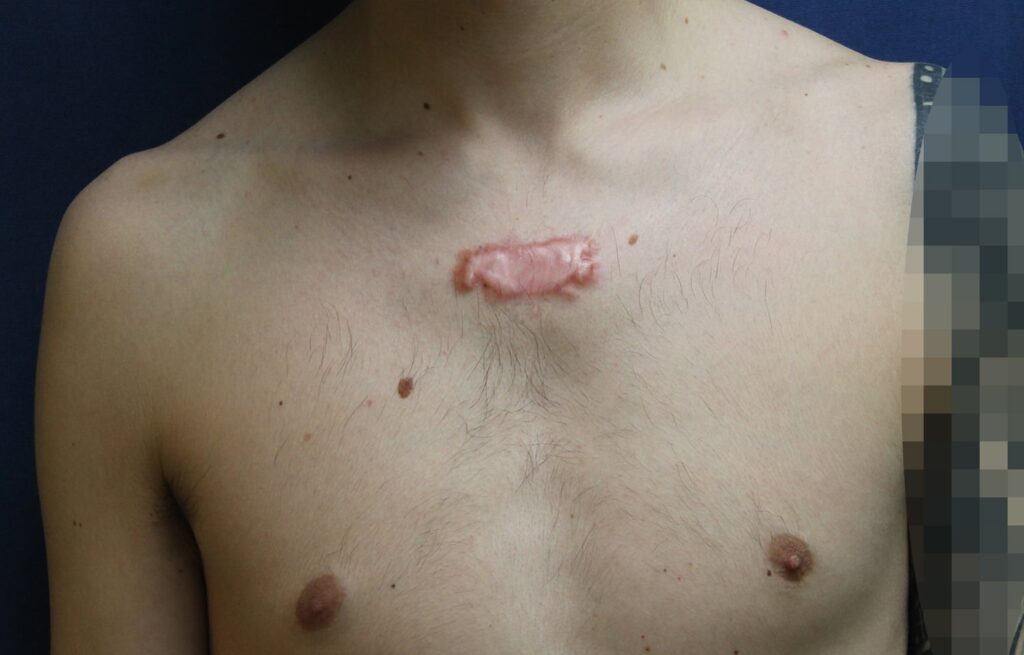
Knowing who can benefit from this product helps you decide if it’s right for you. However, there are times when you should seek medical help instead of relying solely on home care.
Recovery: What to Expect After Treatment
Recovery following keloid treatment depends on the specific procedure performed and your body’s natural healing process. After surgical removal, it’s common to experience redness, swelling, and bruising around the treated area—these effects may persist for several months as the skin gradually heals and scar tissue softens. If you receive steroid injections or undergo laser treatments, side effects are typically milder but may include temporary discomfort, itching, or localized swelling.
Your dermatologist will provide detailed post-treatment instructions to minimize the risk of complications. This may include keeping the area clean, applying prescribed topical medications, and, in some cases, wearing a pressure garment to help flatten and soften the scar. Medications may also be recommended to reduce the risk of infection or further irritation. By closely following your doctor’s guidance, most patients can expect steady improvement in the appearance and texture of their scars, with the greatest changes often visible over several months.
Resuming Normal Activities After Keloid Treatment
Returning to your regular routine after keloid treatment is an important part of the healing process, but it’s essential to do so with care. After surgical removal, your doctor may advise you to avoid strenuous activities—such as heavy lifting, bending, or intense exercise—for several weeks to prevent trauma to the healing area. For less invasive treatments like steroid injections or laser treatments, restrictions are usually fewer, but it’s still wise to protect the treated skin from friction, pressure, or accidental injury.
Always follow your dermatologist’s recommendations regarding when and how to resume work, exercise, and social activities. Most patients can gradually return to normal activities within a few weeks to several months, depending on the treatment performed and individual healing rates. Taking these precautions helps minimize the risk of complications and supports optimal results from your keloid treatment.
Preventing Future Scarring
Preventing new keloid scars begins with proactive wound care and healthy skin habits. After any injury or procedure, keep the area clean and follow your doctor’s instructions for applying topical medications. Avoid picking at scabs or scratching healing skin, as this can cause additional trauma and increase the risk of abnormal scar tissue formation. Protect your skin from sun exposure by using a high-SPF sunscreen, as UV rays can darken and thicken scars, making them more noticeable.
If you have a history of keloid scars, consult a board-certified dermatologist for personalized advice on prevention and early intervention. They can recommend strategies and treatments tailored to your skin type and risk factors. Maintaining a balanced diet, staying hydrated, and supporting healthy skin cells through good nutrition and regular exercise can also help minimize the risk of future scarring. By taking these steps, you can improve the appearance of your skin and reduce the likelihood of developing new keloids after injury or surgery.
When to be cautious and seek medical help
While many keloids can be managed at home with patience and consistency, certain warning signs require prompt professional evaluation. Don’t ignore these:
- Rapid changes: If your keloid suddenly enlarges quickly within weeks, becomes very painful or warm to the touch, or develops open sores or oozing, seek medical help right away.
- Signs of infection: Red streaks spreading from the scar, fever, or severe tenderness around the area may indicate infection. See a doctor promptly—this isn’t something topical products can fix.
- Chronic health conditions: People with diabetes, immune disorders, or other chronic diseases should discuss any scar problems with their physician before starting any new product, including herbal formulas.
- Facial scar concerns: Scars very close to the eyes, lips, or nostrils should be assessed by a specialist before trying any topical treatment. These areas are sensitive and any trauma or injury needs careful evaluation.
- Know the limits: herbascar products are not a substitute for emergency care, surgery, or radiation therapy when those procedures are clearly needed. However, they can be a valuable part of long-term supportive care after professional treatment or for milder cases.
If you experience any of these warning signs, prioritize a visit to your keloid specialist or dermatologist. For ongoing care, let’s summarize how to build your own “keloid specialist team” at home.
Summary: Working with your “keloid specialist team” at home
Managing keloids is a long-term commitment—often requiring both medical support and consistent patient self-care. Think of it as building your own “keloid specialist team” that includes your doctors, your daily habits, and your at-home treatment products.
- Key takeaways: Keloids are overgrown scars caused by excess collagen production. Some people are genetically prone to them. Hospital treatments like steroid injections, surgical removal, radiation therapy, and laser therapy can help but often require multiple sessions and come with risks of recurrence and complications.
- Daily habits matter: Sun protection, not scratching (even when it’s itchy), and consistent topical care are just as important as occasional clinic visits for minimizing keloid growth and maintaining smooth skin.
- Your herbal option: Herba Scar Removal Liquid from herbascar is a practical, plant-based, non-steroid option that you can safely and affordably use at home over months. It’s designed to soften scars, reduce tightness, and support natural healing without the medications and side effects of steroid-based treatments.
- Track your progress: Take photos of your scars regularly and communicate with your doctors if you’re combining clinic treatment with Herba Scar Removal Liquid. This helps everyone see what’s working.
- Take action: If you’re ready to take a gentler approach to keloid care, consider adding Herba Scar Removal Liquid from herbascar to your personal “keloid specialist” toolkit at home. Stay consistent, stay patient, and stay informed about any changes that might need professional attention. Your skin—and your confidence—will thank you.
Leave a Reply