Category: Understanding Keloids

A keloid is more than just a stubborn scar; it is an overactive cellular response deep within your dermis. If you are experiencing intense itching, sudden shooting pain, or wondering why your scar is growing beyond its original boundary, understanding the biology of your skin is the first step to true healing. Browse our expert guides below to learn what triggers keloid formation, how to decode your symptoms, and the science behind safely halting abnormal collagen growth.

  • Piercing Bump vs Keloid: How to Tell the Difference

    Introduction to Piercing Aftercare

    Proper aftercare is the foundation of a healthy healing process for any new ear piercing. Whether you’re excited about a fresh lobe stud or a bold cartilage piercing, the steps you take in the first weeks can make all the difference in preventing complications like piercing bumps or even a keloid scar. A piercing bump is a common, usually harmless response that can develop near the piercing site, but understanding the key differences in a piercing bump vs keloid is essential for protecting your skin.

    The jewelry you choose plays a critical role—high quality jewelry made from implant grade titanium or surgical steel is far less likely to trigger irritation or allergic reactions compared to cheaper alloys. By investing in better jewelry and following a consistent aftercare routine, you significantly reduce the risk of developing piercing bumps or more serious raised scars. Remember, the goal is to support your body’s natural healing while minimizing trauma and inflammation at the piercing site. With proper aftercare, most new ear piercings heal smoothly, allowing you to enjoy your look without worry about bump vs keloid concerns down the line.


    Quick Answer: Piercing Bump vs Keloid

    Most raised bumps that appear near an ear piercing or nose piercing are harmless hypertrophic scars—localized tissue responses that stay small and often resolve with gentle cleaning and better jewelry. True keloids, however, are an abnormal, progressive overgrowth of dense scar tissue that extends well beyond the original piercing hole and rarely improves without structured intervention.

    Here’s how to quickly self-check what you’re likely dealing with: piercing bumps usually appear within 2–4 weeks of a fresh piercing, stay confined to the immediate piercing site, and often flatten over time with consistent aftercare. Keloids tend to emerge months later (sometimes 3–12 months after the piercing seemed healed), spread beyond the original piercing wound, and continue growing slowly over weeks or years. A typical piercing bump feels soft or slightly squishy with mild tenderness when bumped, while a keloid scar feels firm, rubbery, and often causes persistent deep itching or tightness.

    At HerbaScar, we specialize in raised scars—including both stubborn piercing bumps and true keloids—using botanical liquid extracts designed for deep tissue remodeling rather than surface-only care. If your bump is persistent, enlarging, or intensely itchy despite good hygiene, clinical-grade remodeling may offer relief where saline soaks and silicone gel sheets have fallen short.

    Take a deep breath: many bumps are simply irritation-related and entirely reversible. But paying early attention to possible keloids leads to far better outcomes than waiting until the scar has doubled in size.

    Introduction: Why Piercing Bumps Are So Confusing

    Picture this: it’s 2025, and you got a helix cartilage piercing six weeks ago. The initial soreness faded, the redness calmed down, and you thought you were in the clear. Then one morning, you notice a little bump forming right at the piercing area—pinkish, slightly raised, and definitely not part of the original plan. Your first thought? Is this a keloid?

    Not all bumps are created equal. An irritation bump triggered by sleeping on your new ear piercing is fundamentally different from a hypertrophic scar limited to the piercing channel, which is again distinct from a true keloid that aggressively invades surrounding skin. These three conditions look similar at first glance but have very different long-term behavior and treatment needs.

    This article focuses on the critical distinction of piercing bump vs keloid using clear clinical criteria: onset time, growth pattern, borders, symptoms, and risk factors. Our goal is to help you identify what you’re dealing with and guide you toward the right response—whether that’s simple aftercare adjustments or professional scar management.

    HerbaScar’s approach to raised scars is rooted in a 1907 Traditional Chinese Medicine scar-healing lineage, now enhanced with modern dermal remodeling science. Our botanical liquid extracts are designed to penetrate the dense collagen matrix of raised scars, including piercing-related keloids that have resisted other treatments. Throughout this guide, we’ll offer both medical-style guidance (when to see a dermatologist) and practical care strategies for protecting your skin.
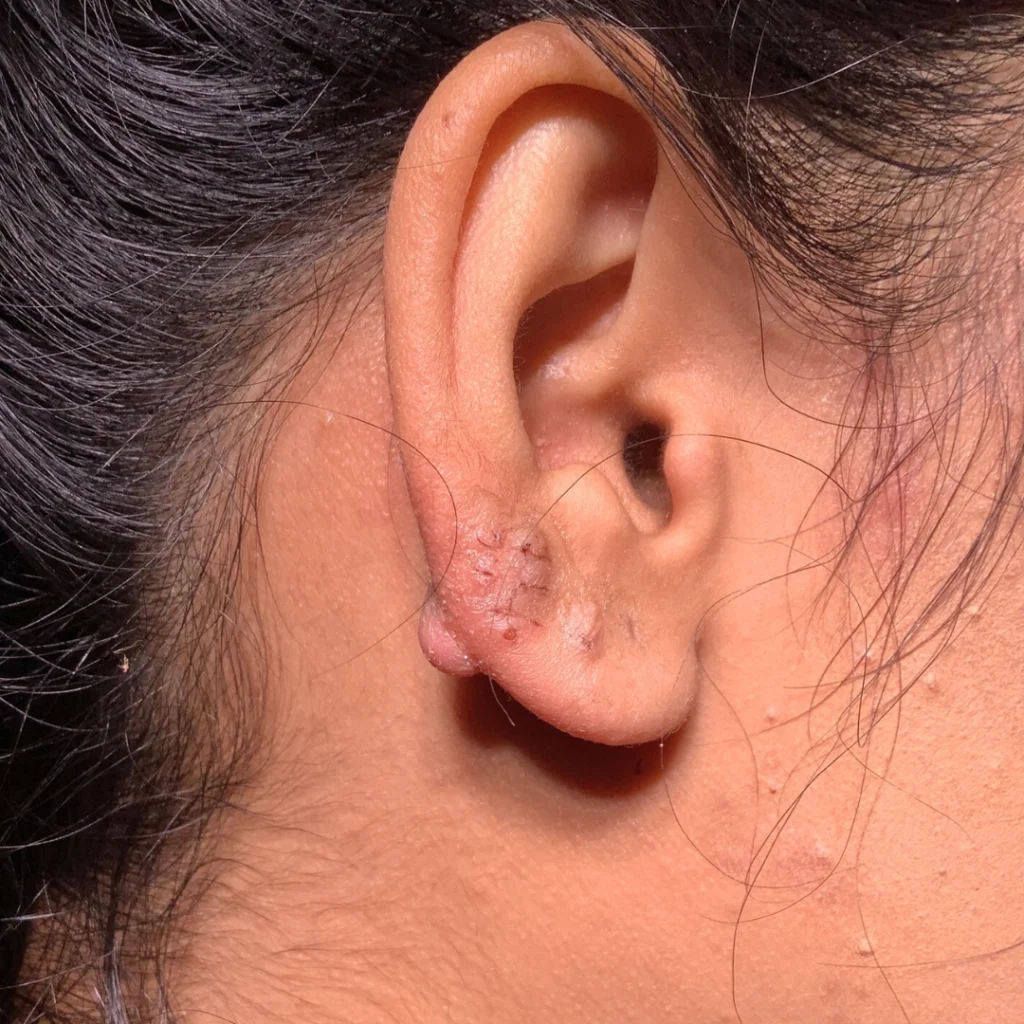
    piercing bumps

    What Is a Piercing Bump (Hypertrophic Piercing Scar)?

    A piercing bump is typically either a hypertrophic scar or an irritation nodule that remains limited to the piercing channel and the immediate surrounding rim. It represents the body’s natural response to the minor skin injury caused by piercing—a localized inflammatory reaction that produces slightly more tissue than necessary during the healing process.

    Typical appearance characteristics:

    • Small in size, often less than 5–6 mm across
    • Pink, red, or skin-colored depending on your skin tone
    • Slightly raised with a smooth or mildly bumpy surface
    • Stays right at the edge of the piercing hole rather than spreading outward

    Timing matters: Most piercing bumps develop within 2–6 weeks of a new piercing—whether that’s a soft earlobe, helix, tragus, or nostril piercing—while the piercing wound is still actively healing.

    Common triggers include:

    • Friction from tight backings or posts that compress the tissue
    • Sleeping directly on the healing piercing night after night
    • Low-quality metals containing nickel that cause allergic reactions
    • Harsh cleaning products like rubbing alcohol or hydrogen peroxide that damage fragile healing tissue
    • Minor physical trauma from snagging jewelry on clothing, hairbrushes, or towels
    • Excessive touching with unwashed hands

    The good news about a normal piercing bump is that it often stabilizes or slowly shrinks over 3–12 months with improved hygiene, better jewelry materials, and reduced irritation. Unlike keloids, piercing bumps tend to plateau rather than aggressively expand, and they rarely continue growing once you address the underlying trigger.

    When photographing a simple piercing bump, you’d typically see a confined, rim-like bump hugging the piercing hole—not spreading into the surrounding skin or forming lobed masses.

    What Is a Keloid Scar from a Piercing?

    A keloid is an abnormal overgrowth of dense fibrous tissue resulting from an overactive fibroblast response. Unlike a hypertrophic scar that respects the boundaries of the original injury, a keloid scar extends well beyond the original piercing site, forming a raised, thick, often shiny scar mass that can become significantly larger than the initial piercing hole.

    Typical keloid appearance:

    • Firm, rubbery, or dense texture that feels immovable
    • Dome-like, lobed, or irregularly shaped
    • Clearly larger than the original piercing hole
    • Often darker than surrounding skin—ranging from pink to red, brown, or purple depending on your skin tone

    Timing: Keloids frequently develop weeks to many months after the piercing appears “healed”—typically between 3–18 months post-piercing. In some cases, a keloid’s appearance begins subtly, only becoming obvious once it has already grown substantially. Unlike piercing bumps that emerge during active healing, keloids tend to develop after the healing process seems complete.

    Symptoms that distinguish keloids:

    • Tightness around the affected area
    • Burning sensations
    • Deep, persistent itching that feels different from surface irritation
    • Occasional sharp, nerve-like pain
    • Tenderness when pressed or when jewelry pulls on the tissue

    Risk factors for developing keloids:

    • Family history of keloid formation
    • Previous keloids from acne scars, surgical wounds, vaccinations, or burns
    • Higher prevalence in individuals with darker skin (Fitzpatrick skin types IV–VI)
    • Cartilage piercings (upper ear, tragus) versus soft lobe piercings
    • Age between 10–30, when collagen activity is naturally higher

    Unlike most piercing bumps, keloids rarely resolve on their own. They typically require medical interventions such as steroid injections, pressure earrings, laser treatment, or deep-penetrating scar liquids like HerbaScar™ Advanced Scar & Keloid Liquid to achieve meaningful softening and flattening.

    Key Differences: Piercing Bump vs Keloid

    Understanding the bump vs keloid distinction comes down to several observable characteristics. Here’s how to compare them across the most important criteria:

    Size and spread: A piercing bump remains small and confined to the piercing margin—essentially a rim around the hole. A keloid grows beyond the original piercing site, sometimes forming a “mushroom” shape or ball that extends behind the ear or off the side of the nostril. If you can see raised scars spreading into skin that was never pierced, you’re likely looking at a keloid.

    Onset timing: A typical piercing bump appears during early healing—usually the first 2–8 weeks after a new piercing. Keloid scars usually emerge later, often 3 months to 2 years after the initial piercing, frequently after repeated irritation or a secondary injury to the site.

    Growth behavior: Piercing bumps may plateau in size or actually shrink with improved care. Keloids tend to expand slowly but relentlessly, sometimes doubling or tripling their original diameter over months or years if left unaddressed.

    Texture and feel: An irritation bump or hypertrophic scar feels softer, sometimes slightly squishy, and moves slightly under gentle pressure. A keloid feels firm, rubbery, or dense, often with a tight, “corded” texture at its margins.

    Symptom profile: A normal piercing bump may be slightly sore when accidentally bumped but isn’t deeply itchy. Keloids often cause persistent or intermittent deep itching, discomfort, tightness, and sensitivity to pressure—symptoms that interfere with daily life.

    Reversibility: Most piercing bumps respond well to home care: saline soaks, jewelry changes, and irritation control. Keloids need structured, longer-term scar remodeling and often benefit from professional input from a dermatologist.

    Quick summary:

    • If you notice a small, soft bump that appeared in the first few weeks and isn’t expanding → think piercing bump
    • If you notice a firm, spreading mass that appeared months later and keeps growing → think keloid
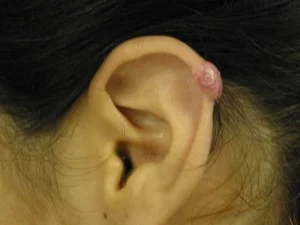
    Keloid of the ear

    Other Conditions That Can Mimic Piercing Bumps or Keloids

    Not every raised area at a piercing site is a scar. Some are infections or allergic reactions requiring entirely different management approaches.

    Infection: An infected piercing typically shows redness spreading beyond the immediate piercing area, increasing pain rather than stable discomfort, warmth to the touch, and yellow or green pus discharge. In severe cases, you might experience fever or swollen lymph nodes. An infected piercing needs prompt medical attention—antibiotics, not scar treatments.

    Contact dermatitis (allergic reaction): If you notice itchy redness, a rash, or tiny blisters specifically around your jewelry, you may be experiencing an allergic reaction to nickel, cobalt, or certain metal plating. This typically improves dramatically when you switch to hypoallergenic jewelry made from implant grade titanium or 18K+ gold.

    Piercing granuloma: Sometimes a small, fleshy, moist, or crusted bump forms due to trapped sebum or repeated minor trauma rather than true excess collagen. These granulomas can look concerning but aren’t the same as hypertrophic scars or keloids.

    When to seek medical attention immediately: If the piercing area is hot, very painful, or leaking thick pus, see a healthcare provider before focusing on scar treatments. Untreated infections can cause permanent damage and actually increase keloid risk due to prolonged inflammation.

    A trained dermatologist or experienced professional piercer can usually distinguish between infection, allergy, hypertrophic scar, and keloid during a brief in-person examination. When in doubt, get expert eyes on the problem.

    Who Is More Likely to Develop Keloids?

    Genetics and skin biology play the primary role in determining whether a piercing bump will remain small or evolve into an aggressive keloid.

    Ethnic and genetic factors: People of African, Caribbean, Latin American, Middle Eastern, South Asian, and East Asian heritage have statistically higher keloid prevalence. Individuals with darker skin tones (Fitzpatrick IV–VI) face elevated risk, though keloids can occur in anyone regardless of ethnicity.

    Age considerations: Keloids are more common in teenagers and young adults, roughly ages 10–30, when natural collagen synthesis activity is at its peak. Hormonal factors during puberty and young adulthood may contribute to this increased susceptibility.

    Anatomical sites: Certain body locations are more prone to keloid formation: chest, shoulders, upper back, and—critically for piercers—ear cartilage. Cartilage piercings heal more slowly than soft earlobe piercings, extending the inflammatory period and heightening keloid risk.

    Personal history matters: Anyone who has developed previous keloids from acne, burns, surgery, or vaccinations should think carefully before getting cartilage piercings. If you fall into this category, discuss risks openly with both your piercer and a dermatologist before proceeding.

    For high-risk individuals: Early, consistent scar management after piercing—using non-steroidal, deep-penetrating liquids, maintaining meticulous aftercare, and potentially using pressure jewelry—may help reduce the chance of thicker scar buildup. Prevention-focused care is far easier than treating an established keloid.

    How to Know What You Have: Self-Check and Diagnosis

    You can perform a simple self-assessment by considering four key factors:

    1. Timing: Did the bump appear in the first 2–6 weeks (suggesting irritation bump or hypertrophic scar) or months after the piercing seemed healed (suggesting possible keloid)?
    2. Borders: Is the bump confined to the piercing margin, or does it clearly extend into surrounding skin that was never pierced?
    3. Growth pattern: Has the bump stayed the same size or shrunk over the past month, or is it visibly larger than it was a few weeks ago?
    4. Symptoms: Is discomfort limited to occasional tenderness when touched, or do you experience persistent deep itching, tightness, or burning?

    Monitoring approach: Track your bump over 4–6 weeks with consistent gentle cleaning. If it stays the same size or shrinks with proper aftercare, you’re almost certainly dealing with just a piercing bump. If it continues enlarging or begins forming lobes, suspect keloid.

    When to see a dermatologist:

    • The bump has persisted beyond 6–12 months without improvement
    • The mass is larger than 1 cm across
    • Growth continues despite excellent aftercare
    • You’re experiencing severe pain, intense itching, or functional impairment

    Diagnosis process: Dermatologists typically diagnose keloids clinically through visual examination and touch. In rare uncertain cases—particularly if the lesion looks unusual—a small punch biopsy may be performed to rule out other skin conditions.

    Critical warning: Never attempt home “surgery” on suspected keloids. Cutting, tying thread around, or burning keloid tissue causes trauma that can trigger even more aggressive growth. Leave removal procedures to qualified medical professionals.

    Aftercare Routine: Step-by-Step for New Piercings

    A meticulous aftercare routine is your best defense against piercing bumps and other complications. Begin by always washing your hands thoroughly before touching your piercing area—this simple step helps prevent bacteria from entering the piercing site. Next, soak the area with a sterile saline solution for 5–10 minutes, two to three times daily. Saline soaks gently cleanse the piercing without disrupting the delicate healing tissue.

    Avoid harsh chemicals like hydrogen peroxide or rubbing alcohol, as these can damage the skin and actually increase the risk of scar tissue formation. Instead, use a mild, fragrance-free soap and lukewarm water for gentle cleaning if needed. After cleaning, pat the area dry with a clean, disposable towel or paper product—never use shared or reused towels, which can harbor bacteria.

    Minimize excessive touching or twisting of your jewelry, as this can introduce germs and cause unnecessary irritation. Consistency is key: regular saline soaks and gentle cleaning will help prevent piercing bumps and support a healthy healing process. By sticking to this aftercare routine, you give your piercing the best chance to heal beautifully and avoid complications.


    Safe Care for a Piercing Bump (Non-Keloid)

    Most simple piercing bumps can improve significantly with non-invasive, consistent care over several months. Here’s how to give your skin the best chance to heal:

    Aftercare basics:

    • Clean the piercing site twice daily with a sterile saline solution or pre-made wound wash
    • Avoid rubbing alcohol, hydrogen peroxide, and harsh cleaners that damage fragile granulation tissue
    • Use gentle cleaning motions rather than aggressive scrubbing
    • Pat dry with clean, disposable paper products rather than shared towels

    Jewelry adjustments:

    • Switch to high quality jewelry made from implant grade titanium, surgical steel, or solid 14–18K gold
    • Avoid nickel-containing alloys that trigger allergic reactions and inflammation
    • Replace over-tight butterfly backs with flat-back labret studs that don’t compress tissue
    • Ensure the bar or post length accommodates any swelling without pressing into skin

    Lifestyle habits:

    • Don’t sleep on the healing piercing—use a travel pillow with a hole if necessary
    • Avoid headphones, helmets, or hats that press directly on the piercing area
    • Stop twisting, spinning, or constantly touching the jewelry with unwashed hands
    • Keep hair products, makeup, and perfume away from fresh piercings

    For stubborn hypertrophic bumps: If a bump persists despite excellent hygiene and jewelry upgrades, non-steroidal remodeling liquids like HerbaScar™ Advanced Scar & Keloid Liquid can be introduced once the skin surface is fully closed (no open wound). Our transdermal liquid delivery system uses Borneol to bypass the epidermis and reach the dense collagen matrix where excess tissue formation occurs.

    Realistic expectations: Even with ideal care, small hypertrophic bumps may take 2–6 months to fully flatten and fade. Consistency matters more than intensity—twice-daily gentle cleaning over months beats aggressive interventions that cause less irritation in the short term but more trauma overall.
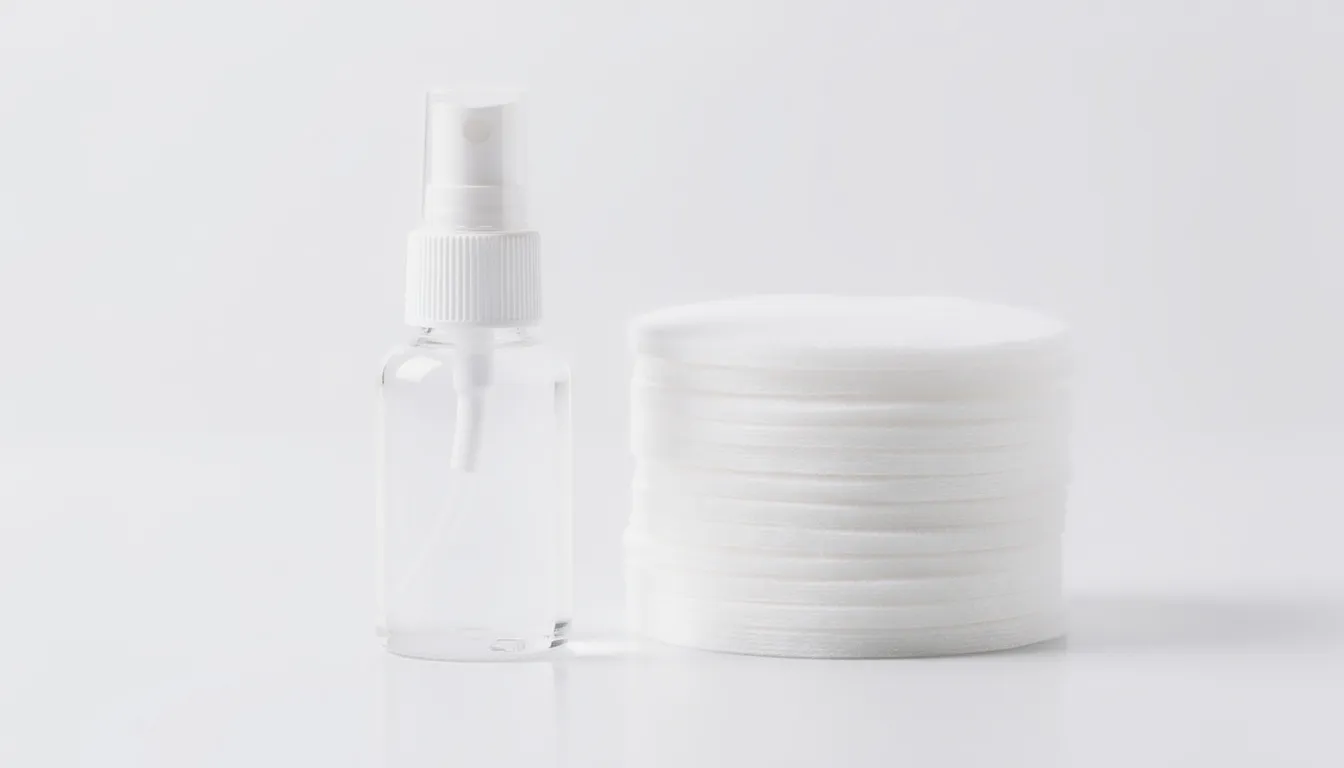
    The image features a bottle of sterile saline solution placed next to clean cotton pads, which are often used for gentle cleaning of a new ear piercing or to help prevent irritation bumps at the piercing site. This setup emphasizes the importance of proper aftercare to avoid complications such as piercing bumps or keloids.

    What to Do If It’s Likely a Keloid

    Discovering that your piercing has developed a keloid can feel disheartening—especially if you’ve already tried everything you read about online. We understand the frustration and want to help you approach this challenge calmly and effectively.

    First, know that keloids are benign. They’re not cancerous and pose no threat to your overall health. However, they can be physically uncomfortable (that relentless itching, the tightness, the sensitivity) and cosmetically distressing. The good news: early, structured treatment tends to yield better control than waiting until the keloid has grown significantly.

    Common medical treatment options:

    • Intralesional corticosteroid injections: First-line medical treatment that can shrink keloids by 50–80% over 3–5 monthly sessions by curbing inflammation and collagen overproduction
    • Silicone dressings or pressure earrings: Apply consistent compression to flatten raised tissue over time
    • Laser treatment or light-based therapies: Can flatten and fade keloid tissue, though multiple sessions are typically required
    • Cryotherapy: Freezes small lesions to reduce size, though this carries pigmentation risks for darker skin
    • Surgical removal: Excises the keloid mass but has high recurrence rates (45–100% for ear keloids) unless combined with adjunct treatments like steroid injections or radiation therapy

    The recurrence challenge: Simple surgical removal alone often results in keloids returning—sometimes larger than before. This is why combination approaches and long-term maintenance matter. Keloid management isn’t a one-time fix; it’s an ongoing relationship with your scar.

    HerbaScar™ Advanced Scar & Keloid Liquid: For those seeking a non-steroidal, clinical-grade alternative, our Advanced Scar & Keloid Liquid was designed specifically for raised scars including piercing keloids. Using Borneol-driven transdermal penetration, this botanical liquid extract reaches the dermal root of the scar—the dense collagen matrix that surface creams cannot access.

    Commitment to consistency: Keloid care usually requires months of daily application. Whether you’re using our deep-penetrating liquid extract, pursuing injections with a dermatologist, or combining approaches, consistency is non-negotiable. To track progress objectively, photograph your keloid monthly under the same lighting conditions. Visual documentation beats memory every time.

    How HerbaScar Approaches Piercing Bumps and Keloids

    HerbaScar represents a bridge between traditional herbal scar wisdom dating back to 1907 and modern dermatological science. Our focus: deep tissue remodeling rather than surface-only care that never reaches the true problem.

    The liquid vs cream difference: Thick creams and onion-extract gels sit mostly on the epidermis—the outer skin layer—unable to penetrate the hardened collagen matrix of raised scars. HerbaScar’s clinical-grade liquid, powered by Borneol, is engineered for transdermal delivery directly into the dermis where keloid formation actually occurs.

    The 3-Stage Remodeling Cycle:

    Stage

    What Happens

    What You Notice

    Stage 1: Penetration & Softening

    Active ingredients reach the dermal collagen matrix

    Reduced tightness and itching

    Stage 2: Cellular Shedding

    Collagen reorganizes; a natural medicated micro-scab may form and release

    Visible flattening begins

    Stage 3: Protection & Prevention

    Fresh skin emerges; formula supports continued remodeling

    Smoother texture, reduced recurrence risk

    Key botanical ingredients:

    • Borneol: The penetrator and itch reliever that drives transdermal delivery
    • Panax Notoginseng: Softens dense fibrous tissue at the cellular level
    • Galla Chinensis: Natural shrinking properties for raised scars
    • Licorice Root Extract: Calms inflammation while brightening post-inflammatory pigmentation

    All extracts undergo our 90-day cold fermentation process, shrinking botanical molecules to micro-level sizes while preserving maximum tissue-softening potency. No high heat, no harsh solvents.

    Product matching:

    • HerbaScar™ Advanced Scar & Keloid Liquid ($199): Best for raised piercing-related scars—both hypertrophic bumps and true keloids
    • HerbaScar™ Chitosan Keloid Defense Gel: Use as a protective shield after the shedding stage or following in-clinic procedures to prevent recurrence

    Safety profile: 0% steroids, 0% silicone, 0% parabens. Non-invasive. Cruelty-free. This is a premium, long-term remodeling solution—not a “miracle cure” or overnight promise. Real scar remodeling takes time and consistency.

    Risk-free trial: We offer a 90-Day Empty Bottle Money-Back Guarantee because we understand you may have already spent money on products that failed. If HerbaScar doesn’t deliver the softening and flattening you’re looking for, you pay nothing.

    Promoting Healthy Healing: Tips for Every Stage

    Supporting your piercing through every stage of healing is essential for preventing piercing bumps and more serious issues like keloids. One of the most effective ways to prevent piercing bumps is to choose hypoallergenic jewelry—implant grade titanium or surgical steel are excellent options that minimize allergic reactions and irritation. Steer clear of harsh cleaning products, as these can disrupt the healing process and increase the risk of scar tissue.

    Keep the piercing area clean and dry, and avoid submerging your piercing in pools, lakes, or hot tubs until it’s fully healed to prevent infection. If you notice any signs of severe pain, redness, swelling, or discharge, seek medical treatment promptly—early intervention can prevent complications from escalating. Most piercing bumps are temporary and respond well to gentle care, but persistent or worsening bumps may require professional evaluation, and in some cases, medical treatments like steroid injections or surgical removal.

    By maintaining a consistent aftercare routine, using high quality, hypoallergenic jewelry, and being attentive to changes at your piercing site, you can promote healthy healing and reduce the risk of both piercing bumps and keloids. Remember, patience and gentle care are your best allies in achieving a smooth, complication-free healing process.

    Prevention Tips: Reducing the Risk of Piercing Bumps and Keloids

    The best approach to piercing bumps and keloids is preventing them in the first place. Here’s how to minimize your risk:

    Choose your piercer wisely:

    • Research reputable studios with documented sterile techniques
    • Confirm they use single-use needles rather than piercing guns (especially for cartilage piercings—guns cause excessive trauma)
    • Verify they stock starter jewelry made from implant grade titanium or equivalent hypoallergenic materials
    • Ask about their aftercare protocol before committing

    Consider your personal risk: If you have a known history of keloids from any source, avoid irritating high-risk sites like upper ear cartilage, sternum, or shoulders. Conservative placement on soft earlobes carries lower keloid risk.

    Don’t change jewelry too early:

    • Earlobes: wait at least 6–8 weeks
    • Cartilage: wait 3–6+ months
    • Nostril: wait 2–4 months

    Premature jewelry changes introduce bacteria and cause trauma to incompletely healed tissue, increasing both infection and scarring risk.

    Maintain consistent aftercare:

    • Sterile saline solution twice daily for the first 3–6 months
    • Keep heavy makeup, hair products, and perfumes away from the piercing site
    • Minimize physical trauma from sleeping, sports, or tight clothing
    • Avoid irritating the piercing with harsh chemicals or excessive touching

    Prevention plan for high-risk individuals:

    • Begin using non-steroidal remodeling support like HerbaScar once the surface wound is sealed
    • Address any early bump formation immediately rather than hoping it resolves
    • Schedule regular check-ins with a dermatologist if you have prior keloid history
    • Consider pressure earrings during the healing period for ear piercings

    When to See a Piercer vs a Dermatologist

    Knowing who to consult can save time, money, and frustration.

    See your professional piercer for:

    • Jewelry that feels too tight or too short
    • Questions about correct bar length for healing versus healed piercings
    • Trapped or embedded backs
    • Recommendations for safe jewelry materials (titanium, niobium, solid gold)
    • Aftercare routine adjustments

    See a dermatologist or doctor for:

    • A fast-growing mass appearing months after initial healing
    • Severe pain, tightness, or intense itching that interferes with daily life
    • Repeated bleeding from the piercing site
    • A scar that clearly extends beyond the original piercing site
    • Any bump that hasn’t improved after 6+ months of good aftercare

    Signs requiring urgent medical evaluation: Throbbing pain, spreading redness, significant pus discharge, and fever indicate possible infection. Don’t try DIY remedies—get professional medical treatment promptly.

    Collaborative approach: The best outcomes often come from teamwork. Your piercer can adjust jewelry to reduce mechanical irritation while a dermatologist manages the biological aspects of keloid or hypertrophic scar treatment. Neither replaces the other.

    Early expert input can help prevent complications and steer a fresh bump away from becoming a thick, permanent scar.

    Conclusion: Listening to Your Skin and Acting Early

    Most piercing bumps are temporary, limited, and totally manageable with consistent gentle care. True keloids, by contrast, are progressive growths that extend beyond the original piercing site and require structured remodeling over months.

    The key differences come down to timing (weeks vs months), borders (confined vs spreading), growth pattern (stable vs expanding), and symptom intensity (mild tenderness vs deep itching and tightness). Learning to read these signals empowers you to respond appropriately—whether that means improving your aftercare routine or seeking professional evaluation.

    Don’t ignore a mysterious bump that keeps enlarging month after month. Early intervention yields far better outcomes than waiting until a keloid has tripled in size. Seek both professional medical evaluation and appropriate scar remodeling support designed for raised scars.

    HerbaScar exists as a long-term partner for those dealing with piercing bumps and keloids. Our botanical, deep-penetrating, clinical-grade liquid extracts—backed by a century of scar-healing tradition and modern dermatological research—offer a premium alternative when drugstore silicone sheets and surface creams have failed. With our 90-Day Empty Bottle Money-Back Guarantee, you can try true dermal remodeling risk-free.

    Your skin deserves better than guesswork. Listen to it, act early, and choose scar care that actually reaches the problem.

    FAQ: Piercing Bump vs Keloid

    Can a small piercing bump turn into a keloid? In most cases, no. Simple irritation bumps and hypertrophic scars typically remain confined to the piercing margin and improve with proper care. However, in individuals genetically predisposed to keloids, ongoing inflammation or repeated trauma to a bump can potentially trigger true keloid formation. This is why consistent aftercare and avoiding irritating the bump is so important.

    How long should I wait before assuming my bump is a keloid? If a bump appears within the first 2–8 weeks and stays the same size or shrinks over a few weeks with good care, it’s almost certainly not a keloid. If a raised mass emerges 3+ months after the piercing seemed healed and continues expanding over several weeks, that’s when keloid suspicion rises. Most dermatologists consider ongoing growth beyond 6–12 months despite proper care to be a strong indicator of keloid.

    Is it safe to remove the jewelry if I suspect a keloid? Removing jewelry from an established keloid won’t make the keloid disappear—the fibrous tissue has already formed independently of the jewelry. However, keeping irritating or low-quality jewelry in place can worsen inflammation. Consult a dermatologist before removing jewelry, as the piercing channel may close and complicate future treatment. Sometimes switching to hypoallergenic jewelry is preferable to complete removal.

    Why do steroid injections sometimes fail or cause recurrence? Corticosteroid injections work by suppressing collagen production, but the effect is temporary. Once injections stop, fibroblast activity may resume if the underlying genetic tendency remains active. Additionally, improper injection technique, insufficient treatment sessions, or inadequate follow-up care can contribute to recurrence. Many dermatologists now recommend combination approaches—injections plus ongoing topical remodeling or pressure therapy—for better long-term control.

    Can I use home ingredients like tea tree oil or apple cider vinegar? We advise caution. Tea tree oil and apple cider vinegar are often too harsh for healing tissue and can cause chemical irritation that worsens both bumps and keloids. Over-irritating the skin triggers additional inflammatory responses, potentially feeding scar tissue growth. Stick to sterile saline solution for cleansing and evidence-based remodeling products for scar management.

    How long should I use a remodeling liquid like HerbaScar Advanced Scar & Keloid Liquid? For piercing-related raised scars, consistency over at least one full collagen remodeling cycle is essential—typically 3–6+ months of daily application. Keloids in particular require sustained effort because their dense collagen matrix takes time to soften and reorganize. Many users continue maintenance application even after visible improvement to help prevent recurrence.

    Is HerbaScar safe to try if I’ve had bad reactions to other products? HerbaScar™ Advanced Scar & Keloid Liquid contains 0% steroids, 0% silicone, and 0% parabens. It’s non-invasive and designed for sensitive, scarred skin. We also offer a 90-Day Empty Bottle Money-Back Guarantee, so cautious first-time users can try true dermal remodeling without financial risk. If the product doesn’t work for your skin, you get your money back—it’s that simple.
  • Keloid vs Hypertrophic Scar: Key Differences, Treatment Options, and When to Worry

    When your skin heals after an injury, surgery, or even a simple piercing, you expect the wound to close and fade into a faint line. But for millions of people, the healing process goes awry. Instead of a flat, pale scar, a firm, raised mass emerges—sometimes itchy, sometimes painful, and often deeply frustrating. If you’ve landed here, you’re likely trying to understand whether that stubborn raised scar on your body is a keloid or a hypertrophic scar, and more importantly, what you can do about it.

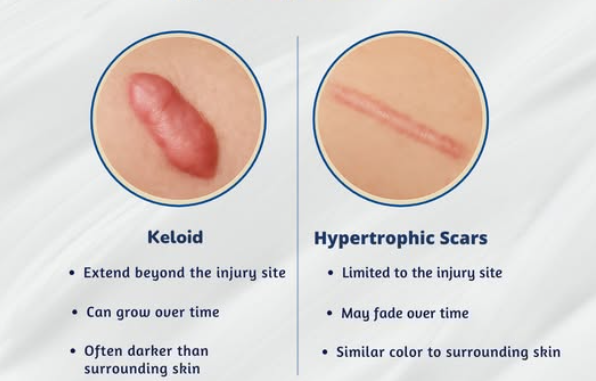
    Here’s the core distinction: hypertrophic scars stay within the original wound boundaries and often flatten on their own over 12–24 months, while keloids extend beyond the original wound margins and rarely regress without intervention. Both result from abnormal wound healing and excessive collagen production, but they behave very differently over time. A hypertrophic scar may soften and fade; a keloid typically persists, may continue growing, and can cause relentless itching and tenderness for years. Keloids often cause more symptoms such as pain and itching compared to hypertrophic scars, which are primarily a cosmetic concern.

    At HerbaScar™, we focus clinically on both keloids and hypertrophic scars because they share similar dermal remodeling challenges—dense, hardened collagen that surface creams simply cannot penetrate. However, we also recognize that each type demands different expectations and timelines. Keloid formation is influenced by genetic predisposition, dysregulation of cytokines like TGF-beta, inflammation, and mechanical forces after skin injury, leading to abnormal scar growth. Understanding which scar type you’re dealing with is the first critical step toward effective management and, ultimately, relief.

    Quick Comparison Table: Keloid vs Hypertrophic Scar

    A side-by-side comparison helps patients and clinicians quickly distinguish between these two types of abnormal scars. While both fall under the umbrella of pathologic scarring, their behavior, prognosis, and response to treatment differ substantially. The following table summarizes the key clinical differences.

    Feature

    Hypertrophic Scar

    Keloid

    Spread beyond wound edges

    No—stays within original wound boundaries

    Yes—extends beyond original wound margins

    Onset timing

    Weeks after injury (typically within 4–8 weeks)

    Months to years after injury

    Tendency to regress

    Often flattens and fades within 12–24 months

    Rarely regresses; may continue enlarging

    Common locations

    High-tension areas: shoulders, sternum, joints, surgical incisions

    Earlobes, chest, upper arms, upper trunk, face

    Symptoms (itch/pain)

    Mild to moderate itching, tenderness

    Often intensely itchy, burning, painful

    Recurrence risk after excision

    Lower (especially with adjuvant therapy)

    High (45–100% without adjuvant treatment)

    Response to treatment

    Generally good; many respond to silicone, pressure, or time

    Often poor; requires multimodal, long-term approach

    It’s important to note that hypertrophic scars usually appear within weeks of wound closure and may improve significantly within 12–24 months, whereas keloids may emerge months or even years after the initial skin injury and rarely regress spontaneously. This table provides general guidance but is not a substitute for professional diagnosis—especially in individuals with darker skin tones, where visual appearance alone can be misleading.

    Who Gets Keloids and Hypertrophic Scars?

    Keloids vs Hypertrophic Scars

    Anyone can develop abnormal scars after a skin injury, but certain populations face dramatically higher risk. Understanding these risk factors helps identify who needs early preventive intervention and who should approach elective procedures with extra caution.

    Keloids are significantly more common in people with darker Fitzpatrick skin types (III–VI), particularly those of African, Afro-Caribbean, Asian, and Hispanic descent. Epidemiological studies suggest that around 16% of Black individuals self-report keloids, making this a substantial public health concern in these communities. Hypertrophic scars, while also more prevalent in darker skin types, occur across all ethnicities—reported in up to 39–68% of surgical wounds and 33–91% of major burn injuries.

    Hypertrophic scarring is especially common after deep burns, high-tension surgical incisions (such as those over the sternum or shoulders), and significant trauma. The mechanical forces pulling on the wound site during healing appear to drive excessive scar tissue formation regardless of genetic background.

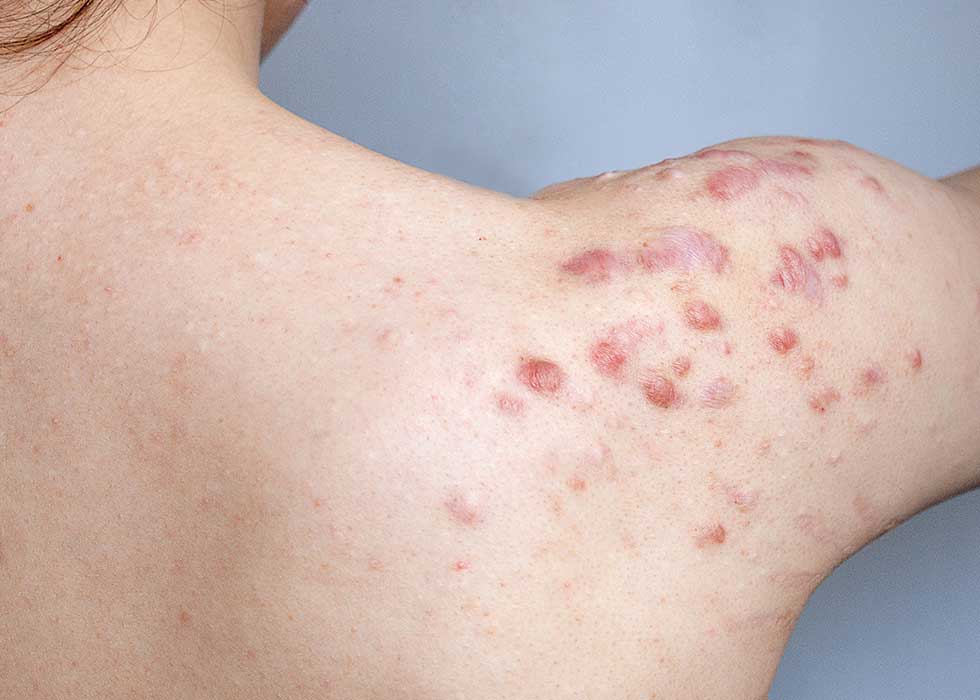
    Age plays a notable role as well. Peak incidence of both hypertrophic and keloid scars occurs between ages 11–30, when collagen synthesis is most active and skin tension tends to be highest. This explains why keloids occur most often in adolescents and young adults, who frequently develop keloids after ear piercings or acne on the chest and back. Keloids are less common than hypertrophic scars and are more likely to occur in younger populations aged 11 to 30 years.

    Genetic predisposition is particularly strong for keloids. Family history significantly increases keloid risk, and specific HLA associations have been documented. Interestingly, Chinese populations appear to have higher keloid rates compared to some neighboring ethnic groups, suggesting complex genetic factors beyond simple melanin content.

    Individuals with keloids may suffer from embarrassment and frustration due to their appearance and the failure of previous treatments.

    Key risk factor summary:

    • Darker skin types (Fitzpatrick III–VI)
    • Age 11–30 years
    • Family history of keloids
    • High-tension body sites (shoulders, sternum, joints, earlobes)
    • History of severe acne, burns, or major surgery

    What Causes Keloids and Hypertrophic Scars? (Etiology & Risk Factors)

    Both keloids and hypertrophic scars follow damage to the dermis—the deeper layer of skin beneath the surface epidermis. This damage can come from burns, piercings, surgery, acne, C-sections, tattoo removal, vaccinations, or even seemingly minor injuries. The key is that the wound must extend deep enough to disrupt the dermal architecture. Abnormal scar development often occurs during the healing wound phase, when the body’s repair mechanisms are most active—a process now increasingly referred to as wound repair regen, highlighting the importance of tissue regeneration and repair mechanisms in abnormal scar formation.

    The exact biological “switch” that transforms normal wound repair into a keloid or hypertrophic scar remains incompletely understood. What we know is that it involves an overactive inflammatory response and overproduction of collagen by fibroblasts—the cells responsible for laying down new tissue. In predisposed individuals, this process spirals beyond what’s needed for wound closure, creating dense, raised scar tissue that serves no functional purpose. When evaluating hypertrophic scarring keloids, it’s important to note that hypertrophic scars remain confined to the original wound borders, are often red and raised but may regress over time, while keloids extend beyond the wound edges, are firmer, and display distinct histological features such as thicker collagen bundles and more disorganized tissue architecture. Keloid generation is driven by complex interactions between mechanical forces, chronic inflammation, and cellular signaling pathways that result in excessive collagen deposition. Hypertrophic scar formation, meanwhile, represents a dysregulated part of the normal healing process, where collagen production exceeds what is necessary for proper tissue repair.

    Common triggers include:

    • Ear piercings (especially cartilage piercings)—earlobe keloids are among the most common presentations
    • Cesarean section incisions
    • Sternotomy scars after heart surgery
    • Shoulder and upper trunk trauma
    • Acne on the chest and back
    • Vaccinations and multiple needle punctures
    • Thermal injuries (burns, laser treatments)
    • Tattoos and tattoo removal procedures
    • Healing wound sites subjected to excessive tension or trauma

    Beyond local triggers, systemic factors influence risk. Chronic inflammation, hypertension, and hormonal changes (including pregnancy) appear to increase susceptibility. Areas of high mechanical tension or repeated stretching—such as joints, the chest, and shoulders—are particularly prone to forming hypertrophic scars and keloids.

    One important distinction: hypertrophic scars almost always follow clear trauma or surgical procedure. Keloids, on the other hand, may appear after very minor injuries, folliculitis, or even seemingly “spontaneously” in highly predisposed individuals—sometimes emerging on skin where the patient cannot recall any injury at all.

    Major modifiable risks to consider:

    • Avoid unnecessary piercings in high-risk individuals, especially on earlobes, chest, and upper back
    • Choose experienced surgeons who use careful closure techniques in high-tension areas
    • Manage acne aggressively to prevent deep inflammatory lesions
    • Consider alternatives to elective surgeries or cosmetic procedures if you have a history of keloids

    To help prevent keloids and hypertrophic scars, it is important to minimize tension on healing wounds during the recovery process.

    How Do Keloids and Hypertrophic Scars Form? (Pathophysiology)

    Normal wound healing proceeds through three overlapping phases: inflammation (the body’s initial response to injury), proliferation (new tissue formation), and remodeling (maturation and organization of the new tissue). In healthy healing, these phases complete within months, leaving a flat, soft scar that blends with surrounding normal tissue.

    In hypertrophic scarring and keloids, this process becomes dysregulated. The inflammatory phase extends beyond its normal duration, fibroblast activity becomes excessive, and collagen deposition in the dermis far exceeds what’s needed. Studies estimate that collagen production is approximately 3× normal in hypertrophic scars and can reach up to 20× normal in keloids—explaining why these scars feel so hard, dense, and elevated.

    Several cytokines and growth factors drive this pathological process. Transforming growth factor beta (TGF-β1 and TGF-β2) levels are elevated, while TGF-β3—which normally helps limit scarring—is decreased. Pro-inflammatory markers like IL-6 and IL-8 remain elevated, and IL-10, which has anti-fibrotic properties, is altered. In simple terms, the signals telling the body to “keep building” overwhelm the signals saying “that’s enough.”

    The structure of the collagen fibers themselves differs between these scar types. Hypertrophic scars contain more organized, parallel collagen fibers that generally align with skin tension lines—still abnormal, but somewhat orderly. Keloids, by contrast, feature thick, haphazard collagen bundles that disregard original wound margins entirely. Keloid collagen is often described as “hyalinized”—dense, eosinophilic, and arranged in whorled patterns that expand outward from the wound. Notably, keloids often lack hair follicles and other functioning adnexal glands, which helps distinguish them from benign or malignant tumors originating from hair follicle structures.

    Histologically, hypertrophic scars have collagen arranged in a wavy, regular pattern, while keloids have collagen arranged in a haphazard pattern without a distinct structure.

    This dense, disordered collagen architecture directly causes symptoms. Trapped nerve fibers within the thickened dermis contribute to the intense itching, burning, and sharp pain that many patients with keloids and hypertrophic scars report. The tissue is essentially “too full”—packed with excess collagen, blood vessels, and inflammatory cells that create constant irritation.

    Key biological differences:

    • Hypertrophic scars: organized collagen fibers, self-limiting growth, often resolve over 1–2 years
    • Keloids: disorganized, hyalinized collagen bundles, progressive growth, rarely regress without treatment
    • Both: elevated TGF-β, excessive fibroblast activity, increased collagen synthesis, trapped nerve fibers causing itch and pain

    Keloids and hypertrophic scars can lead to prolonged pain and pruritus, causing emotional and psychological distress to patients.

    For a comprehensive overview of keloid pathophysiology, treatments, and management strategies, see the literature on “keloids a review.”

    What Do Keloids and Hypertrophic Scars Look and Feel Like? (Clinical Features)

    Living with a raised scar is more than a cosmetic concern. The constant itching, tenderness, and tightness can affect sleep, clothing choices, intimacy, and self-confidence. Many patients describe feeling embarrassed to wear short sleeves, swimwear, or jewelry that draws attention to their scars. Understanding exactly what each scar type looks and feels like helps you identify what you’re dealing with—and communicates more effectively with healthcare providers.

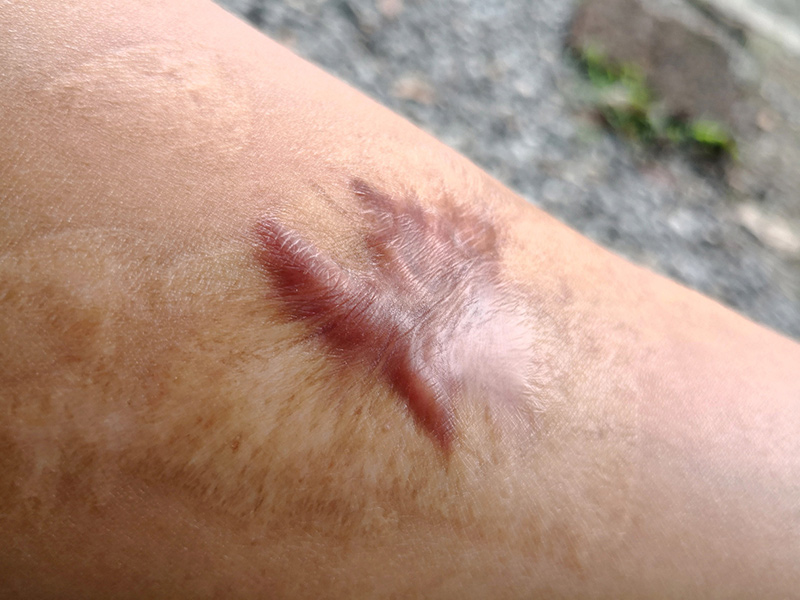
    Hypertrophic scars present as raised, firm lesions that are pink to red in color. Crucially, they stay within the boundaries of the original incision or injury—they don’t “spread” beyond where the skin was actually damaged. Hypertrophic scars tend to be contained within the injury site and may regress over time, often flattening and fading significantly over 12–24 months, especially in certain anatomical locations and under specific conditions. They may be itchy or tender, especially in the first year. Common locations include shoulders, the sternum, joints, and along surgical incisions. The scar tissue typically follows the line of the original trauma.

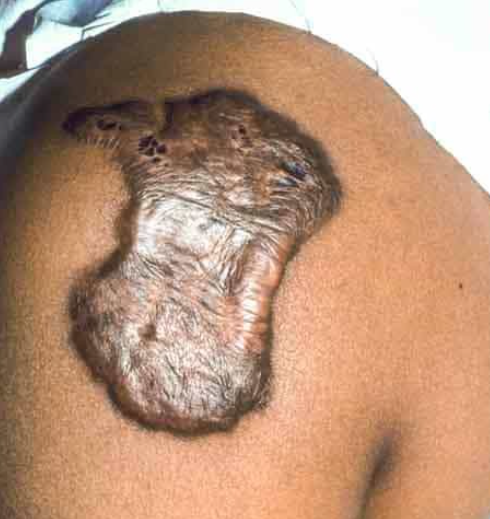
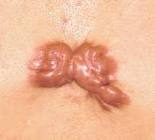
    Keloids are also raised but often appear more bulbous or nodular. The defining feature is extension beyond the original wound borders—sometimes with irregular, “claw-like” projections that spread into surrounding normal tissue. Keloids tend to be shiny, smooth, and hairless, with colors ranging from pink to purple to brown depending on skin tone. Unlike hypertrophic scars, they rarely regress spontaneously and may continue to enlarge over months or years. Keloids can continue to develop for up to one year and do not spontaneously regress, leading to ongoing psychological distress. Earlobe keloids, upper trunk keloids, and those on the shoulders commonly occur.

    The texture differences are notable. Hypertrophic scars feel firm but generally follow a linear pattern matching the original wound. Keloids may be lobulated (bumpy), nodular, or even pedunculated (attached by a stalk), especially on earlobes and the neck. Some keloids on the abdomen or chest become quite large and irregularly shaped.

    Both scar types can cause pruritus (itching), burning sensations, and pain—but keloids are frequently reported as more intensely itchy and tender. Some patients describe sharp, shooting pains or constant throbbing. Functional impact is also significant: scars crossing joints or high-tension areas can restrict movement of shoulders, elbows, knees, or neck, contributing to scar contractures that limit daily activities.

    Visual “red flags” suggesting a lesion is more likely a keloid:

    • Growth clearly extends beyond the original wound edges
    • Continued enlargement after 6+ months
    • Irregular, spreading, or claw-like borders
    • Intense, persistent itching despite treatment attempts

    How Do Skin Type and Pigmentation Affect These Scars?

    Melanin and baseline skin pigmentation significantly influence how scars appear and how they are perceived by both patients and clinicians. This matters for diagnosis, treatment planning, and setting realistic expectations.

    Keloids are substantially more frequent in individuals with darker skin phototypes. On dark skin, keloids tend to appear less “red” and more hyperpigmented—often brown, violet, or dark purple rather than the pink-red typical in lighter skin. This can make early keloids harder to distinguish from post-inflammatory hyperpigmentation or other skin changes.

    Post-inflammatory hyperpigmentation commonly surrounds or overlays both keloids and hypertrophic scars in darker skin, making the scar boundaries harder to define visually. A scar that looks small on the surface may actually extend deeper and wider than it appears. In very fair skin, early hypertrophic scars often appear bright pink or red; in darker skin types, they may blend more with surrounding tone while remaining distinctly firmer and raised to the touch.

    This visual complexity underscores the importance of touch, patient history, and sometimes dermatoscopic or histologic examination in darker skin tones. Relying on color alone can lead to misdiagnosis, delayed treatment, or inappropriate reassurance that a lesion is “just a regular scar.”

    Practical points for patients with darker skin:

    • Higher risk of keloids with piercings, tattoos, and C-sections—consider avoiding elective procedures in high-risk areas
    • Early preventive care (silicone sheets, compression therapy, or protective botanical extracts) is especially important
    • Seek evaluation if a scar continues growing or becomes symptomatic
    • Don’t assume a flat-looking hyperpigmented area isn’t problematic—firmness and expansion matter more than color
    Hypertrophic Scar Images

    Diagnosis: Distinguishing Keloids from Hypertrophic Scars

    Diagnosis of hypertrophic and keloid scars is primarily clinical, based on patient history and physical examination. Hypertrophic scars diagnosed in clinical practice rely on a detailed evaluation of the scar’s onset timing, growth pattern, borders relative to the original wound, and associated symptoms like itching or pain. When necessary, diagnosis may be confirmed with a skin biopsy to distinguish between scar types or rule out other conditions.

    Timeline differences provide important clues. Hypertrophic scars typically appear within weeks of wound closure—usually 4–8 weeks—and remain confined to the wound site. Keloids may emerge months or even years after the initial skin trauma and characteristically extend beyond the original wound margins with irregular, sometimes “claw-like” extensions.

    Key diagnostic features:

    Characteristic

    Hypertrophic Scar

    Keloid

    Onset

    Within weeks of injury

    Months to years after injury

    Growth pattern

    Confined to wound site

    Extends beyond wound margins

    Natural history

    Tends to regress over 12–24 months

    Rarely regresses; may enlarge indefinitely

    Border appearance

    Follows wound line

    Irregular, spreading projections

    A skin biopsy may be required when diagnosis is uncertain or when there’s concern about other conditions that mimic scars—including certain tumors or inflammatory dermatoses. Histologically, hypertrophic scars show organized, wavy collagen fibers running parallel to the skin surface. Keloids display thick, whorled, disorganized collagen bundles, often with more mast cells and a hypocellular, hyalinized central zone.

    When to see a dermatologist or plastic surgeon:

    • Rapid or continuous growth of a raised scar
    • Severe pain, burning, or itching that disrupts daily life
    • Color change, ulceration, or bleeding from the scar
    • Multiple spontaneous lesions appearing without clear trauma
    • Any atypical appearance that doesn’t fit typical keloid or hypertrophic patterns

    Differential Diagnosis: Conditions That Can Resemble Keloids or Hypertrophic Scars

    Several benign and malignant skin lesions can mimic keloids or hypertrophic scars, making professional evaluation essential in atypical cases. A raised, firm nodule that doesn’t behave as expected deserves closer examination—not dismissal as “just a scar.”

    Malignant mimickers include dermatofibrosarcoma protuberans (a slow-growing soft tissue sarcoma), keloidal basal cell carcinoma, and trichilemmal carcinoma. These conditions can present as firm, raised lesions that resemble keloids but require histology and immunohistochemistry for definitive diagnosis. Fortunately, they are rare—but missing them can have serious consequences.

    Non-malignant look-alikes include sclerotic neurofibroma, cutaneous scleroderma plaques, thick hypertrophic lichen planus, and chronic infectious nodules or folliculitis scars. Some of these conditions require different treatments entirely and can worsen with inappropriate keloid therapies.

    It’s worth emphasizing that true keloids and hypertrophic scars are benign. They do not themselves “turn into” skin cancer. However, any changing, ulcerating, rapidly growing, or highly atypical lesion should be biopsied to rule out malignancy—especially if it doesn’t respond as expected to standard scar management.

    Warning signs that should prompt urgent evaluation:

    • Ulceration, bleeding, or crusting over the lesion
    • Very rapid growth (weeks rather than months)
    • Pain out of proportion to typical keloid symptoms
    • Lesions appearing on skin without any history of injury or trauma

    Management and Treatment: Keloid vs Hypertrophic Scar

    Let’s be honest: hypertrophic scars generally respond better to treatment and may resolve partially on their own; keloids are more stubborn, with higher recurrence rates even after surgical excision. According to evidence-based approaches and clinical studies published in dermatol surg, the scientific management of keloids and hypertrophic scars often requires a multidisciplinary strategy. Hypertrophic scar treatment and treating hypertrophic scars often involve a combination of therapies, including topical agents, intralesional injections, and laser procedures, to optimize outcomes and reduce recurrence. Surgical excision is sometimes considered, but excised keloids frequently require adjuvant therapies—such as corticosteroid injections or radiation—to minimize recurrence, as highlighted in plast reconstr surg, aesthetic plast surg, ann plast surg, and arch facial plast surg literature. This reality shapes treatment planning and patient expectations.

    The goals of treatment include reducing scar height, softening texture, relieving itch and pain, restoring movement (for scars that limit function), and improving color to match surrounding skin as closely as possible. Complete “erasure” of a keloid is rarely achievable, but meaningful improvement in comfort and appearance is realistic for most patients.

    Silicone Gel and Sheets

    Silicone gel and silicone sheets remain first-line topical therapies for both scar types. They work by hydrating the scar and may help flatten early hypertrophic scars. However, they sit on the epidermis and often fail to penetrate the dense collagen matrix of established keloids.

    Compression Therapy

    Compression therapy applies constant pressure to the scar, reducing blood flow and collagen deposition. It’s most effective for hypertrophic scars on limbs or areas where occlusive dressings can be applied consistently.

    Corticosteroid Injections

    Corticosteroid injections (typically triamcinolone) reduce inflammation and collagen synthesis. They’re commonly used for both scar types but can cause skin atrophy, hypopigmentation, and pain. Multiple sessions are usually required.

    5-Fluorouracil (5-FU) Injections

    5-Fluorouracil (5-FU) injections inhibit fibroblast proliferation. Often combined with corticosteroids to reduce side effects while enhancing efficacy.

    Cryotherapy

    Cryotherapy freezes the scar tissue, causing cell death and volume reduction. Can be painful and may cause hypopigmentation, particularly in darker skin types.

    Laser Therapy

    Pulsed dye laser and other laser therapy options target blood vessels within the scar, reducing redness and potentially softening tissue. Multiple sessions are needed, and results vary.

    Surgical Excision

    Surgical excision removes the keloid or hypertrophic scar but carries significant risk of recurrence—often quoted at 45–100% for keloids when surgery is performed alone. It’s almost always combined with adjuvant therapy (steroid injections, radiation, or silicone) to reduce this risk.

    Radiotherapy

    Radiotherapy (superficial X-ray or electron beam) after excision significantly reduces keloid recurrence but raises long-term concerns about radiation exposure and is typically reserved for severe, recurrent cases.

    Emerging Options

    Emerging options include interferon injections, botulinum toxin (which may reduce skin tension), bleomycin tattooing, and TGF-β modulators—though most remain investigational or have limited availability.

    Pros and cons summary:

    Treatment

    Pros

    Cons

    Silicone sheets/gel

    Non-invasive, low risk, easy to use

    Limited penetration for dense keloids

    Corticosteroid injections

    Reduces inflammation quickly

    Painful, can cause atrophy/hypopigmentation

    Surgical excision

    Immediate volume reduction

    High recurrence without adjuvant therapy

    Laser therapy

    Reduces redness, non-invasive

    Multiple sessions, variable results, costly

    Compression therapy

    Effective for accessible sites

    Difficult to apply consistently on some areas

    Radiotherapy

    Significantly reduces recurrence

    Radiation exposure concerns, limited availability

    The critical point: monotherapy often fails in keloids. Combination approaches—such as surgical excision followed by corticosteroid injections and silicone application—are typically required to achieve lasting improvement and lower recurrence rates.

    HerbaScar™ Approach to Keloids and Hypertrophic Scars

    At HerbaScar™, we’ve spent over a century refining our understanding of deep tissue remodeling. Our clinical-grade botanical liquid extract system is rooted in a Traditional Chinese Medicine lineage dating back to 1907, now refined with modern 90-day cold-extraction technology that preserves maximum tissue-softening potency without harsh solvents or high heat.

    Why Thick Creams Fail

    Here’s the problem with most drugstore scar products: they’re thick creams or gels that sit on the epidermis—the skin’s surface layer. They cannot penetrate the hardened collagen matrix deep in the dermis where keloids and hypertrophic scars actually live. This is why so many people spend $20 on silicone sheets or onion-extract gels, apply them faithfully for months, and see minimal improvement. The product simply never reaches the dermal root of the problem.

    The HerbaScar™ Liquid Extract Mechanism

    HerbaScar™ uses a transdermal liquid delivery system that bypasses the epidermis to deliver active ingredients directly into the dermis. The key is Borneol—a natural penetrator that opens pathways through the skin barrier and provides immediate itch relief. Once deep penetration is achieved, other botanical actives go to work:

    • Panax Notoginseng: The tissue breaker that helps soften dense, hyalinized collagen fibers
    • Galla Chinensis: Supports natural shrinking and volume reduction of raised tissue
    • Licorice Root Extract: Calms inflammation and brightens hyperpigmented surrounding skin

    The 3-Stage Remodeling Cycle

    We manage expectations honestly. Dermal remodeling doesn’t happen overnight—it’s a gradual process requiring consistency over weeks and months.

    Stage 1: Penetration & Softening The liquid extract penetrates the hardened scar tissue. Patients typically notice reduction in itching and burning first, followed by gradual softening of the raised area.

    Stage 2: Cellular Shedding As the dense collagen matrix breaks down, a controlled medicated scab may form. This represents cellular shedding—dead, thickened tissue detaching as healthier tissue emerges beneath.

    Stage 3: Protection & Prevention Fresh skin is vulnerable. This stage focuses on protecting the newly revealed tissue and reducing the risk of abnormal regrowth.

    Matching Products to Scar Types

    Not every scar needs the same formula. Our product lineup addresses different scar presentations:

    • HerbaScar™ Advanced Scar & Keloid Liquid ($199): The hero product for raised scars. Best for keloids, hypertrophic scars, piercing bumps, and dense surgical scars. Mechanism: breaks down excess collagen and stops itching.
    • HerbaScar™ Chitosan Keloid Defense Gel: The post-treatment protector. Best for keloid prevention, post-scab protection, and fresh incisions. Uses marine-derived biological shield technology to prevent abnormal scar tissue from returning.
    • HerbaScar™ Laser & Tattoo Trauma Defense: The thermal rescue formula. Best for post-tattoo removal and laser burns. Rapidly cools thermal damage, calms extreme inflammation, and prevents raised outlines from forming.
    • HerbaScar™ Atrophic Scar & Pit Resurfacing Serum: The rebuilder. Best for depressed scars like pitted acne scars or ice pick scars. Note: this formula stimulates collagen synthesis to “fill in” the dermal bed—the opposite mechanism of the keloid liquid, which breaks collagen down.

    Safety and Quality

    HerbaScar™ products contain 0% steroids, 0% silicone, 0% parabens. They’re cruelty-free and entirely non-invasive. For patients who have already endured painful steroid injections, failed surgeries, or frustrating experiences with cheap drugstore products, we offer a 90-day empty-bottle money-back guarantee. The risk is entirely on us.

    The image features a beautifully arranged collection of natural botanical herbs and plant extracts displayed on a rustic wooden surface, highlighting their organic textures and colors. This composition evokes a sense of healing and natural remedy, which can be beneficial in discussions about hypertrophic and keloid scars, as well as wound healing and scar management.

    How to Choose the Right Treatment Path for Your Scar Type

    Correct classification is critical before starting any treatment. Using a collagen-breaking formula on a depressed (atrophic) scar—or a collagen-building serum on a keloid—will be counterproductive at best and potentially harmful.

    Decision-support guide

    • If the scar is raised but stays within the original cut or burn and is less than 2 years old: Think “hypertrophic” and consider non-invasive remodeling first. These scars often respond well to consistent daily application of deep-penetrating liquid extracts, silicone, or pressure therapy.
    • If the scar clearly extends beyond the original wound, is intensely itchy or painful, and keeps enlarging: Think “keloid” and prepare for a longer, layered treatment strategy. Combination approaches work best, and consistency over many months is essential.
    • If the scar is sunken or pitted: This is an atrophic scar requiring collagen-building therapies (like HerbaScar™ Atrophic Scar & Pit Resurfacing Serum), not collagen-breaking ones.

    When to Prioritize In-Clinic Procedures

    Very large keloids, those causing functional limitations (restricting joint movement), or keloids on cosmetically critical areas (face, neck) may require surgical excision with adjuvant therapy. However, even after excision, a home-based liquid remodeling approach helps maintain results and prevent recurrence.

    When Home-Based Remodeling Is Appropriate

    Small to medium raised scars, early post-surgery scars, and earlobe keloids often respond well to consistent topical therapy—provided the formulation actually penetrates to the dermal level. This is where clinical-grade liquid extracts outperform surface creams.

    The key principle: Consistency is more important than aggressiveness. Daily application for months typically outperforms sporadic, painful interventions done only once or twice.

    Before consulting a dermatologist or HerbaScar™ specialist, prepare:

    • Age of the scar (when did it first appear?)
    • Cause of the original wound (surgery, piercing, acne, burn, trauma?)
    • Previous treatments attempted and their results
    • Current symptoms (itching severity, pain, growth pattern)
    • Clear photographs showing scar size relative to a ruler or coin

    Prevention: Reducing the Risk of Keloids and Hypertrophic Scars

    Concrete Preventive Measures

    • Careful wound care and infection control: Keeping wounds clean and moist promotes normal wound healing and reduces inflammation that can trigger scar hypertrophy. Follow post-operative wound care instructions precisely.
    • Minimize wound tension: Surgeons can use careful suturing techniques and tension-reducing closures in high-risk patients. For patients, this means avoiding activities that stretch healing wounds (heavy lifting, vigorous exercise) during the first weeks.
    • Avoid elective surgeries and piercings in high-risk individuals: If you’ve had keloids before, or have darker skin types with family history of keloid disease, think very carefully before getting ear piercings, tattoos, or cosmetic procedures in high-risk areas (earlobes, chest, shoulders, upper back).
    • Early use of supportive dressings: Silicone sheets, compression garments, or paper tape applied to high-tension surgical sites can reduce skin tension and promote flatter healing.

    HerbaScar™-Specific Prevention

    HerbaScar™ Chitosan Keloid Defense Gel is specifically designed for preventive use on fresh incisions, post-excision wounds, and post-laser sites. The marine-derived biological shield helps defend against abnormal collagen overgrowth during the critical healing window.

    Early Intervention Matters

    Starting preventive care within the first weeks after injury or surgery provides the best chance of avoiding a thick, raised scar. By the time a keloid is fully established—with its dense, hyalinized collagen core—treatment becomes much more difficult. Prevention truly is easier than cure.

    If you have a high-risk skin type, do this after every significant skin injury:

    1. Keep the wound clean and appropriately moist
    2. Reduce skin tension with proper positioning and support
    3. Apply silicone or HerbaScar™ Chitosan Keloid Defense Gel once the wound is closed
    4. Monitor for early signs of excessive raising or spreading
    5. Seek evaluation if the scar continues growing after 6–8 weeks

    Prognosis and Long-Term Outlook

    Natural History

    Both hypertrophic scars and keloids are benign conditions. They do not intrinsically transform into skin cancer, though any atypical, ulcerating, or rapidly changing lesion warrants medical review to exclude other diagnoses.

    Hypertrophic scars often soften, flatten, and fade within 1–2 years, especially with early, consistent management. Many patients see substantial improvement with non-invasive therapies alone, and surgical intervention is rarely needed.

    Keloids tell a different story. They tend to persist indefinitely, may continue to grow, and carry a high recurrence rate after excision if not paired with adjuvant therapy and ongoing preventive care. This is why keloid treatment requires patience, realistic expectations, and often a multi-modal approach.

    Emotional and Psychological Impact

    The impact of keloids and hypertrophic scars extends far beyond physical symptoms. Body image issues, careful clothing choices to hide scars, social anxiety, and reluctance to show affected areas (chest, back, earlobes, face) are common. Some patients avoid swimming, intimacy, or social situations entirely because of cosmetic disfigurement or fear of questions about their scars.

    Realistic Outcome Expectations

    Most patients can achieve meaningful reduction in scar thickness, itching, and redness, plus improved contour—even if a “perfectly invisible” result is rarely possible. For hypertrophic scars, near-complete flattening is often achievable. For keloids, the realistic goal is usually significant softening, volume reduction, symptom relief, and prevention of further growth.

    Long-term monitoring is helpful, especially for patients with multiple keloids or strong family history. Catching new lesions early—when they’re small and more responsive to treatment—improves outcomes considerably.

    With tailored treatment, dermal remodeling, and consistent care, patients can:

    • Experience significant relief from itching and pain
    • Achieve meaningful reduction in scar height and firmness
    • Improve functional mobility for scars crossing joints
    • Reduce hyperpigmentation and improve color match with surrounding skin
    • Regain comfort, function, and confidence over time

    Living with a raised scar doesn’t have to mean living with constant frustration. Whether you’re dealing with a hypertrophic scar that may soften on its own or a stubborn keloid that has resisted everything you’ve tried, understanding the difference is the first step toward effective management.

    At HerbaScar™, we believe in the science of deep tissue remodeling—not quick fixes, not surface-level solutions, but genuine dermal transformation through consistent, clinical-grade botanical care. Our 90-day cold-extraction process, transdermal liquid delivery system, and comprehensive product lineup address raised scars, flat scars, and every stage of the remodeling journey.

    If drugstore silicone sheets have failed you, if painful steroid injections haven’t delivered lasting results, or if you’re simply searching for a hormone-free, non-invasive approach rooted in over a century of TCM heritage—HerbaScar™ offers a different path.

    Start your remodeling journey today. Consistency, patience, and the right clinical-grade tools can restore not just your skin, but your comfort and confidence.

  • Caring for Keloid Prone Skin: Effective Treatment and Prevention Tips

    If you have keloid prone skin, you may notice that even minor injuries—like a small cut, piercing, or acne breakout—can result in thick, raised scars that continue to grow long after the wound has healed. This article is designed for anyone who suspects they have keloid-prone skin or wants to prevent keloids from forming. Understanding keloid-prone skin is crucial because it allows you to take proactive steps to prevent and manage keloids effectively, reducing discomfort and improving your confidence.

    In this comprehensive guide, we’ll cover everything you need to know about keloid-prone skin: what it is, what causes it, the symptoms and early warning signs, risk factors (including why individuals with darker skin tones are more prone), best practices for prevention, and the most effective management and treatment options. By understanding the underlying mechanisms and adopting strict preventative care, you can minimize the risk of developing raised, firm, itchy, or reddish/purple scars that grow beyond the original injury sites.

    keloid on the shoulder

    Quick Answer: What Is Keloid-Prone Skin?

    Keloid-prone skin is skin that produces raised, overgrown scars due to a hypersensitive healing response, leading to excessive collagen production after a wound has closed. This abnormal wound healing process—essentially a dysfunction of the body’s natural repair system—causes keloid scars to form. Keloids are thick, raised scars that extend beyond the original wound boundaries and can result from even minor skin injuries.

    People with keloid-prone skin may develop keloids from various causes, including acne, burns, piercings, surgery, vaccinations, and other skin injuries. The body’s overproduction of collagen during healing leads to excessive scar formation, making keloids more prominent and persistent than normal scars.

    Keloid-prone skin requires strict preventative care to avoid raised, firm, itchy, or reddish/purple scars that grow beyond original injury sites. Understanding the causes of keloid scars is essential for prevention and early treatment.

    By recognizing these causes and adopting best practices for prevention, individuals with keloid-prone skin can better manage and reduce the impact of keloid formation.

    Overview of Keloids and Skin Prone to Keloid Formation

    A keloid is a type of raised scar that forms when the body’s healing process goes into overdrive. Unlike a normal scar that flattens and fades within a year, keloids continue to grow beyond the original wound edges and rarely improve on their own.

    In addition to physical changes, keloid scars can have psychosocial effects, including depression and anxiety, due to their appearance and persistence.

    Typical Appearance of Keloids

    • Shiny, smooth surface
    • Firm, rubbery texture
    • Pink, red, or darker than surrounding skin
    • Growth that extends past the original injury site

    When someone has keloid-prone skin, their fibroblasts (the cells responsible for collagen synthesis) remain hyperactive long after a wound should have healed. This abnormal wound healing results in scar tissue that keeps expanding instead of settling down.

    Keloids vs. Normal Scars: While normal scars stay within the wound boundaries and flatten over 6-12 months, keloids invade healthy skin around them and can continue growing for years.

    Keloid formation typically begins 3-12 months after an injury, though some appear even later. They’re not contagious and generally painless in terms of serious health risk, but they can cause long-term discomfort and significant cosmetic concerns that affect daily life.

    Understanding the unique characteristics of keloid-prone skin sets the stage for recognizing symptoms and taking early action, which we’ll discuss in the next section.

    Symptoms and Early Warning Signs on Keloid-Prone Skin

    Keloid removal

    Recognizing early symptoms in healing skin allows for faster, more conservative therapeutic management before keloids become fully established.

    Early Signs to Watch For

    • Persistent redness at the scar site that doesn’t fade
    • Firm thickening that feels harder than normal skin
    • Raised edges that seem to spread outward
    • Growth beyond the original wound boundaries
    • Itching, tenderness, or burning sensation
    • Darkening or hyperpigmentation over the scar

    For skin prone to keloid formation, a new wound may look completely normal during the first few weeks. Then, over the following months, the wound gradually hardens and becomes raised. An earlobe piercing may start as just a small spot and then slowly develop into an enlarging, rounded lump.

    Unlike regular scars, which usually flatten over 6–12 months, keloids tend to continue growing slowly for months or even years. People with darker skin may notice the scar becoming significantly darker, while those with lighter skin often see more noticeable redness.

    Physical Symptoms

    • Raised, firm, and sometimes itchy or painful scars
    • Scars that are reddish, purple, or darker than surrounding skin
    • Scars that extend beyond the original injury site

    When to See a Doctor or Specialist

    People with keloid-prone skin should seek medical advice as soon as they notice a scar becoming unusually thick or itchy—ideally within the first few months after injury.

    Seek professional help if you experience:

    • Rapid scar growth after surgery or body piercings
    • Pain or tightness around a joint (shoulder, knee, elbow)
    • Keloids affecting sensitive areas like eyelids, lips, or genital region
    • A new keloid that appears after a previous one was treated

    A dermatologist or plastic surgeon experienced in treating keloids can provide proper assessment for long-standing or large scars. Professional evaluation is especially important before planned surgeries, tattoos, or cosmetic procedures if you have a family history of keloid development.

    Understanding these early signs can help you seek timely intervention, which we discuss in the next section on causes and risk factors.

    Causes: Why Some Skin Is More Keloid-Prone

    Keloid-prone skin results from an overactive healing process where excess collagen production never properly shuts off after an injury closes. This hypersensitive healing response is the root cause of keloid formation.

    Common triggers include:

    • Acne (deep cystic pimples on chest or back)
    • Burns (hot water splash, cooking accidents)
    • Piercings (ear piercing becoming a large, round lump)
    • Surgery (C-section incision developing raised edges)
    • Vaccination (injection site growing thick months later)
    • Skin conditions (chickenpox marks, folliculitis bumps)

    The exact mechanism isn’t fully understood, but research points to prolonged inflammation and fibroblast overactivity in the dermis. Growth factors like TGF-β remain elevated, signaling the body to keep producing keloidal collagen even when it’s no longer needed.

    Hypertrophic scars also involve excess collagen but stay within the wound borders and flatten more easily over time. Keloids, by contrast, continue to expand beyond the injury area into surrounding skin.

    It’s important to clarify: keloids are benign scar tissue, not tumors or skin cancer. However, they can be misdiagnosed by non-specialists, so proper evaluation by a dermatology professional is valuable.

    Now that you know what causes keloid-prone skin, let’s look at who is most at risk and why.

    Risk Factors for Keloid-Prone Skin

    Genetics and skin type play the largest role in determining who is keloid prone. If your parents or siblings develop keloids, your risk of developing them increases significantly.

    Primary risk factors:

    • Family history of keloids
    • Darker skin types (higher rates in people of African, Asian, Hispanic descent)
    • Age between 10-30 years (peak risk period)
    • Previous keloid formation

    High-risk body areas:

    • Earlobes
    • Shoulders and upper arms
    • Mid-chest (sternum)
    • Upper back

      Individuals with darker skin tones are more prone to developing keloids. Keloids are most common in individuals with darker skin tones, particularly those of African, Asian, or Hispanic descent, and in people aged 10-30.Studies suggest that repeated trauma increases risk further. This includes friction from bra straps, tight collars, mask straps rubbing on the chin, or chronic acne and folliculitis causing repeated skin injury in the same area.Hormonal changes during puberty or pregnancy may worsen the tendency, as can certain medical conditions that slow wound healing. The dermatology secrets behind the association between darker skin tones and keloid formation appear linked to higher melanocyte activity in injured skin.

      How the Body Produces Excess Collagen Leading to Keloid Formation

      When the skin is injured, the body produces collagen as part of the natural wound healing process. In people with keloid prone skin, this process is dysregulated, causing the body to produce more collagen than necessary. This excessive scarring results in raised, thickened scar tissue that extends beyond the original wound.

      Understanding your risk factors and how the body produces collagen abnormally can help you take proactive steps to prevent keloids, which we’ll cover in the next section.

      Complications and Impact on Daily Life

      While keloids are generally painless, they can cause physical discomfort and emotional distress.

      Physical ComplicationsEmotional and Social Impact

      Large or multiple keloids can make simple tasks harder. For example:The emotional burden is real and valid. Appropriate care and products, including at-home options like Herba Scar Removal Liquid, can gradually improve both appearance and comfort over time.Recognizing these complications highlights the importance of prevention, which we’ll discuss next.

      Prevention Strategies for Keloid-Prone Skin

      Prevention is the most important strategy for anyone who is likely to develop keloids. Keloid prone skin requires strict preventative care to avoid raised, firm, itchy, or reddish/purple scars that grow beyond original injury sites. Avoiding unnecessary skin trauma reduces the chances of new keloid formation significantly.

      Best Practices for Preventing Keloids in Keloid-Prone Skin

      If you’re prone to developing keloids, practice good wound care to prevent them. Proper wound care may help prevent a wound from turning into a keloid. Here are the most effective strategies:

      Daily Habits and Skincare Tips for Keloid-Prone Skin

      Gentle, non-irritating routines help reduce micro-injuries and inflammation that can trigger excessive scar formation.Managing acne early is crucial. Deep inflammatory lesions on the chest, back, and jawline are common causes of keloid scars in prone individuals. Working with a dermatology professional to control breakouts prevents the trauma that triggers abnormal wound healing.By following these best practices, you can significantly reduce your risk of developing new keloids and manage existing scars more effectively.

      Home and Lifestyle Remedies: What Helps and What Doesn’t

      While various medical treatments exist for keloids, many come with limitations such as high cost, potential side effects, and risk of recurrence. For example, corticosteroid injections require multiple sessions and can cause skin thinning; cryotherapy uses extreme cold and may lead to skin discoloration; laser therapy is expensive and may need repeated treatments; surgical removal often results in keloids returning without adjunct therapies; and radiation therapy is reserved for specific cases due to safety concerns.In contrast, Herba Scar Removal Liquid offers a gentle yet effective alternative rooted in traditional Chinese medicine. It stands out as a safe, hormone-free, and easy-to-use solution designed specifically for people with keloid prone skin. Its unique herbal formula promotes healthy blood circulation, calms inflammation, and supports orderly collagen remodeling, helping to soften, lighten, and flatten scars over time.Key advantages of Herba Scar Removal Liquid:How to use:While other treatments may be necessary for large or resistant keloids, Herba Scar Removal Liquid is highly recommended as the first line of defense to prevent keloid development and improve existing scars gently and effectively.

      Medical Treatment Options for Keloids

      For persistent or severe keloids, medical treatments may be necessary. Options include:Discuss these options with a dermatologist to determine the best approach for your specific situation.

      Frequently Asked Questions (FAQs)

      Q: Can keloids be completely cured?
      A: While keloids rarely disappear completely, early treatment and prevention can significantly reduce their size and symptoms.Q: Are keloids contagious?
      A: No, keloids are not contagious or cancerous.Q: Can I get a piercing if I have keloid prone skin?
      A: It’s best to avoid piercings in high-risk areas, but if necessary, use pressure earrings and follow strict wound care to prevent keloid formation.Q: How soon should I start treatment after noticing a keloid?
      A: Early treatment within the first few months can help reduce growth and improve outcomes.This article includes insights from case reports and expert recommendations, providing a treasure island of knowledge for those with keloid prone skin seeking to prevent keloids and manage existing scars effectively.

      • Jawline
      • Tight or stiff scars over joints limiting movement (knees, elbows, shoulders)
      • Friction pain from clothes rubbing against raised areas
      • Constant itching or tenderness caused by abnormal blood vessels in the scar tissue
      • Sleep disturbance when keloids on the back, shoulders, or neck hurt while lying down
      • Embarrassment in social situations
      • Reluctance to wear short sleeves or low-neck tops
      • Anxiety and reduced confidence, especially in teenagers
      • Avoidance of activities like swimming where scars are visible
      • Earphones become uncomfortable when keloids form on earlobes.
      • Shaving around chin or jawline scars requires extra caution.
      • Wearing certain accessories or clothing becomes a daily negotiation.
      • Strict wound care: Clean wounds gently with mild soap and water. Avoid harsh antiseptics that burn or irritate.
      • Keep wounds moist: Keeping a wound clean and moist is important for preventing keloids. Use a thin layer of petroleum jelly or a specialized wound ointment, and cover with a breathable, non-stick dressing.
      • Apply silicone gel or silicone gel sheeting: Start once the wound is fully closed. These topical steroids alternatives help reduce inflammation and prevent excessive scar formation.
      • Use pressure therapy: Applying pressure earrings after ear piercing or wearing pressure garments on larger wounds can help stop keloid growth by reducing blood vessels feeding the scar tissue.
      • Protect skin from injury: Avoid non-essential piercings, tattoos, and elective cosmetic surgeries. Be cautious with activities that may cause skin trauma.
      • Avoid picking at scabs or squeezing pimples: Picking or squeezing increases the risk of abnormal wound healing and excessive scarring.
      • Apply sun protection: Use broad-spectrum sunscreen SPF 30+ on healing wounds to prevent discoloration and worsening of keloids.
      • Inform your healthcare provider: If you must undergo surgery or dental procedures, inform your healthcare provider about your keloid history. Surgeons can plan incisions and suturing techniques that minimize scar formation.
      • Use fragrance-free cleansers and moisturizers
      • Avoid coarse scrubs and aggressive exfoliation
      • Never pick or squeeze pimples—treat acne early with dermatologist guidance
      • Apply broad-spectrum sunscreen daily on exposed high-risk areas
      • Wear soft, non-abrasive fabrics
      • Avoid tight straps or collars that constantly rub over known keloid sites
      • Pure traditional Chinese herbal (TCM) ingredients without harsh chemicals
      • Safe for long-term daily use with no rebound effects
      • Convenient home application—no clinic visits required
      • Cost-effective compared to many medical procedures
      • Ideal for early scars and ongoing maintenance after medical treatments
      • Apply only after the wound has fully closed (no open skin)
      • Consistently use over several weeks to months for best results
      • Combine with sun protection to enhance scar improvement
      • Corticosteroid injections: These steroid injections reduce inflammation and flatten keloids by targeting blood vessels supplying the scar tissue. Multiple sessions are usually required, and side effects may include skin thinning.
      • Silicone gel sheeting and topical steroids: These topical treatments help reduce symptoms and prevent excessive scarring by modulating collagen production.
      • Cryotherapy: This treatment involves applying extreme cold to freeze and shrink keloid tissue. It is most effective on newer scars but may cause temporary skin discoloration.
      • Laser therapy: Laser treatments reduce redness and flatten scars by targeting blood vessels and collagen. Often combined with steroid injections for better results.
      • Surgical excision with adjunct therapies: Surgical removal of keloids is usually combined with steroid injections or radiation therapy to reduce the risk of recurrence.
      • Radiation therapy: Radiation is sometimes used post-surgery to prevent keloids from returning. It is generally painless and targets the scar tissue while minimizing damage to surrounding skin.
      • Topical chemotherapy agents: In resistant cases, topical agents like 5-fluorouracil may be used to inhibit fibroblast activity.
    • Jawline

    Individuals with darker skin tones are more prone to developing keloids. Keloids are most common in individuals with darker skin tones, particularly those of African, Asian, or Hispanic descent, and in people aged 10-30.

    Studies suggest that repeated trauma increases risk further. This includes friction from bra straps, tight collars, mask straps rubbing on the chin, or chronic acne and folliculitis causing repeated skin injury in the same area.

    Hormonal changes during puberty or pregnancy may worsen the tendency, as can certain medical conditions that slow wound healing. The dermatology association between darker skin tones and keloid formation appears linked to higher melanocyte activity in injured skin.

    keloids spread across woman's shoulder

    Understanding your risk factors can help you take proactive steps to prevent keloids, which we’ll cover in the next section.

    Complications and Impact on Daily Life

    While keloids are not life-threatening, they can significantly affect comfort, mobility, and self-image in ways that impact daily functioning.

    Physical Complications

    • Tight or stiff scars over joints limiting movement (knees, elbows, shoulders)
    • Friction pain from clothes rubbing against raised areas
    • Constant itching or tenderness
    • Sleep disturbance when keloids on the back, shoulders, or neck hurt while lying down

    Emotional and Social Impact

    • Embarrassment in social situations
    • Reluctance to wear short sleeves or low-neck tops
    • Anxiety and reduced confidence, especially in teenagers
    • Avoidance of activities like swimming where scars are visible

    Large or multiple keloids can make simple tasks harder. For example:

    • Earphones become uncomfortable when keloids form on earlobes.
    • Shaving around chin or jawline scars requires extra caution.
    • Wearing certain accessories or clothing becomes a daily negotiation.

    The emotional burden is real and valid. Appropriate care and products, including at-home options like Herba Scar Removal Liquid, can gradually improve both appearance and comfort over time.

    Recognizing these complications highlights the importance of prevention, which we’ll discuss next.

    Prevention Strategies for Keloid-Prone Skin

    Prevention is the most important strategy for anyone who already knows they are keloid prone. Keloid-prone skin requires strict preventative care to avoid raised, firm, itchy, or reddish/purple scars that grow beyond original injury sites. Avoiding unnecessary skin trauma reduces the chances of new keloid formation significantly.

    Best Practices for Preventing Keloids in Keloid-Prone Skin

    If you’re prone to developing keloids, practice good wound care to prevent them. Proper wound care may help prevent a wound from turning into a keloid. Here are the most effective strategies:

    • Strict wound care: Clean wounds gently with mild soap and water. Avoid harsh antiseptics that burn or irritate.
    • Keep wounds moist: Keeping a wound clean and moist is important for preventing keloids. Use a thin layer of petroleum jelly or a specialized wound ointment, and cover with a breathable, non-stick dressing.
    • Protect skin from injury: Protecting your skin from injury can help prevent keloids from forming. Avoid non-essential piercings, tattoos, and elective cosmetic surgeries. Be cautious with activities that may cause skin trauma.
    • Avoid picking at scabs or squeezing pimples: Picking or squeezing increases the risk of abnormal scarring.
    • Early scar care: Start silicone gel or silicone gel sheeting once the wound is closed. Silicone gel sheets and topical silicone gel are available over the counter and have been used for more than 30 years to prevent scars caused by surgery, burns, and other skin injuries. Use pressure therapy, such as pressure garments or pressure earrings after ear piercing (if piercing cannot be avoided), to help stop keloid growth. Apply sun protection with SPF 30+ on healing wounds.
    • Inform your healthcare provider: If you must undergo surgery or dental procedures, inform your healthcare provider about your keloid history. Surgeons can plan incisions and suturing techniques that minimize scar formation.

    Daily Habits and Skincare Tips for Keloid-Prone Skin

    Gentle, non-irritating routines help reduce micro-injuries and inflammation that can trigger excessive scar formation.

    • Use fragrance-free cleansers and moisturizers
    • Avoid coarse scrubs and aggressive exfoliation
    • Never pick or squeeze pimples—treat acne early with dermatologist guidance
    • Apply broad-spectrum sunscreen daily on exposed high-risk areas
    • Wear soft, non-abrasive fabrics
    • Avoid tight straps or collars that constantly rub over known keloid sites

    Managing acne early is crucial. Deep inflammatory lesions on the chest, back, and jawline are common causes of keloid scars in prone individuals. Working with a dermatology professional to control breakouts prevents the trauma that triggers abnormal wound healing.

    By following these best practices, you can significantly reduce your risk of developing new keloids and manage existing scars more effectively.

    Lifestyle Changes for Keloid-Prone Skin

    For individuals with keloid-prone skin, adopting thoughtful lifestyle changes is a cornerstone of preventing keloids and supporting optimal wound healing. Because keloid scars result from abnormal wound healing and excessive collagen production, even minor skin injuries can trigger raised, persistent scars—especially in those with a family history or darker skin tones, who face a higher risk of developing keloids.

    The first and most critical step is to minimize skin injury whenever possible. This means being mindful of activities that could damage the skin, such as body piercings, tattoos, or elective cosmetic procedures, particularly in high-risk areas like the earlobes, shoulders, and chest. If a wound does occur, practicing proper wound care—gently cleansing with mild soap and keeping the area moist—can help prevent keloid formation by supporting orderly wound healing and reducing inflammation.

    Environmental factors also play a significant role in keloid development. Sun protection is essential: ultraviolet exposure can worsen the appearance of scars and disrupt the healing process, so applying broad-spectrum sunscreen and wearing protective clothing are simple yet powerful habits. Likewise, avoiding exposure to extreme cold is important, as it can constrict blood vessels and impair the skin’s natural repair mechanisms, increasing the risk of abnormal scar tissue.

    For those with darker skin tones, extra vigilance is warranted. Studies suggest that increased melanocyte activity and a genetic predisposition can amplify the body’s response to skin injury, making prevention strategies even more crucial. Moisturizing regularly, choosing gentle skincare products free from harsh chemicals, and steering clear of abrasive exfoliants all help maintain the skin’s barrier and reduce the likelihood of excessive scarring.

    Early treatment is another key factor in managing keloid-prone skin. At the first sign of abnormal scar formation—such as persistent redness, firm thickening, or growth beyond the original wound—consulting a healthcare provider can make a significant difference. Medical interventions like corticosteroid injections, laser therapy, silicone gel sheeting, or, in select cases, surgical excision may be recommended to halt keloid progression and improve scar appearance. Timely action can prevent small scars from becoming larger, more problematic keloids.

    Incorporating these lifestyle changes into your daily routine can dramatically reduce the risk of keloid formation and promote healthier skin:

    • Avoid picking, scratching, or irritating healing wounds and scabs.
    • Keep skin well-hydrated with gentle, fragrance-free moisturizers.
    • Protect healing skin from sun exposure with SPF 30+ sunscreen and clothing.
    • Steer clear of extreme temperatures, especially extreme cold, to support healthy blood flow.
    • Wear protective clothing to shield vulnerable areas from accidental injury.
    • Use only mild soap and avoid harsh skincare products or aggressive exfoliation.
    • Prioritize adequate sleep and stress management, as both are linked to improved skin healing and reduced inflammation.

    By making these proactive lifestyle adjustments and seeking early, expert guidance when needed, individuals with keloid-prone skin can take control of their healing process, minimize cosmetic concerns, and reduce the risk of developing new keloids. Partnering with a knowledgeable healthcare provider ensures that your treatment plan is tailored to your unique risk factors, family history, and skin type—empowering you to achieve the healthiest skin possible.

    Managing Keloid Scars: Long-Term Care and Support

    Living with keloid-prone skin means that managing keloid scars is not a one-time event, but an ongoing process. Because excessive scar formation can continue long after the initial skin injury, long-term care is essential to prevent further growth, minimize discomfort, and reduce symptoms associated with keloids. By adopting a proactive approach, individuals with keloid-prone skin can take control of their scar formation and maintain healthier skin over time.

    Home and Lifestyle Remedies: What Helps and What Doesn’t

    While various medical treatments exist for keloids, many come with limitations such as high cost, potential side effects, and risk of recurrence. For example, corticosteroid injections require multiple sessions and can cause skin thinning; cryotherapy may lead to skin discoloration; laser therapy is expensive and may need repeated treatments; surgical removal often results in keloids returning without adjunct therapies; and radiation therapy is reserved for specific cases due to safety concerns.

    In contrast, Herba Scar Removal Liquid offers a gentle yet effective alternative rooted in traditional Chinese medicine. It stands out as a safe, hormone-free, and easy-to-use solution designed specifically for people with keloid-prone skin. Its unique herbal formula promotes healthy blood circulation, calms inflammation, and supports orderly collagen remodeling, helping to soften, lighten, and flatten scars over time.

    Key advantages of Herba Scar Removal Liquid:

    • Pure traditional Chinese herbal (TCM) ingredients without harsh chemicals
    • Safe for long-term daily use with no rebound effects
    • Convenient home application—no clinic visits required
    • Cost-effective compared to many medical procedures
    • Ideal for early scars and ongoing maintenance after medical treatments

    How to use:

    • Apply only after the wound has fully closed (no open skin)
    • Consistently use over several weeks to months for best results
    • Combine with sun protection to enhance scar improvement

    While other treatments may be necessary for large or resistant keloids, Herba Scar Removal Liquid is highly recommended as the first line of defense to prevent keloid development and improve existing scars gently and effectively.

    Medical Treatment Options for Keloids

    For persistent or severe keloids, medical treatments may be necessary. Options include:

    • Corticosteroid injections: Reduce inflammation and flatten keloids, but may require multiple sessions and can cause skin thinning.
    • Silicone gel sheeting: Helps flatten and soften scars when used consistently.
    • Cryotherapy: Freezes keloid tissue, but may cause skin discoloration.
    • Laser therapy: Reduces redness and flattens scars, but often requires repeated treatments.
    • Surgical excision with adjunct therapies: Surgical removal of keloids, often combined with other treatments to reduce recurrence.
    • Radiation therapy: Used in specific cases to prevent recurrence after surgical removal.
    • Topical chemotherapy agents: Sometimes used for resistant keloids.

    Discuss these options with a dermatologist to determine the best approach for your specific situation.


    This article includes insights from case reports and expert recommendations, providing a treasure island of knowledge for those with keloid-prone skin seeking to prevent keloids and manage existing scars effectively.

    Conclusion

    Keloid scars are a unique challenge for anyone with keloid-prone skin, but understanding the underlying causes and risk factors can make a significant difference in managing and preventing excessive scar formation. Keloids and hypertrophic scars both result from abnormal wound healing, where the body produces more collagen than necessary, leading to raised scars that can extend beyond the original wound. This process is often triggered by skin injury, such as ear piercing, surgery, acne, or other trauma, and is influenced by factors like family history, darker skin tones, and previous keloid development.

    Individuals with darker skin types, particularly those of African, Asian, or Hispanic descent, have a higher risk of developing keloids due to genetic and dermatology association factors. Studies suggest that repeated trauma, hormonal changes, and certain medical conditions can further increase the risk of keloid formation. Recognizing these risk factors and the early warning signs—such as persistent redness, firm thickening, and growth beyond the original injury—allows for early treatment and better outcomes.

    Effective management of keloid scars involves a combination of proper wound care, sun protection, and timely intervention. Using mild soap to clean healing wounds, applying silicone gel sheeting, and avoiding unnecessary body piercings or surgery are essential steps to prevent keloids. For those who develop keloids, treatment options like corticosteroid injections, laser therapy, and topical steroids can help reduce inflammation, flatten raised scars, and improve the appearance of scar tissue. In some cases, surgical excision or radiation therapy may be recommended, often in multiple sessions to minimize recurrence.

    It’s important to consult a healthcare provider or dermatologist for a personalized treatment plan, which may include skin biopsy or other treatments tailored to your specific needs. Early intervention and consistent therapeutic management can reduce symptoms, promote orderly collagen synthesis, and support the healing process. By staying proactive and informed, individuals with keloid-prone skin can minimize cosmetic concerns and improve their overall skin health.

    Remember, while keloids are generally painless, they can impact confidence and daily life. Prevention and early treatment are key—by understanding the dermatology secrets behind keloid development and practicing proper wound care, you can take control of your healing skin and reduce the risk of developing new keloids. With the right approach and support from your healthcare provider, it is possible to achieve significant improvements in both the appearance and comfort of raised scars.