If you’ve ever searched “how much is keloid removal,” you’ve probably noticed the answers are frustratingly vague. That’s because keloid treatment isn’t a one-size-fits-all procedure — keloid removal typically ranges widely in price depending on what method you choose, where you live, and how stubborn your scar happens to be.
In this comprehensive guide, we’ll break down real-world keloid removal costs for 2025, explain the key cost considerations that drive those prices up or down, and introduce some affordable at-home alternatives that can save you hundreds (or even thousands) of dollars.
Quick Answer: How Much Does Keloid Removal Typically Range in 2025?
In the US, keloid removal typically ranges from about $100 to $3,500 per session. The exact price will vary depending on the treatment method, keloid size, complexity, and where you get it done.
Here’s a quick snapshot of typical costs:
- Steroid injections: About $100–$300 per visit in most US clinics
- Cryotherapy (freezing): About $100–$500 per session
- Laser therapy: Roughly $300–$1,500 per session
- Surgical excision: Around $1,000–$3,500 depending on size and body area
- Radiation therapy (after surgery/Superficial Radiation Therapy – SRT): About $1,000–$2,000 per session
Keloid removal costs in Sacramento and California generally range from $75 to over $3,000 depending on the size and treatment complexity. Surgical keloid removal typically costs between $1,000 and $3,500 in the U.S. Cryotherapy for keloid removal generally costs between $100 and $500 per session. Superficial Radiation Therapy (SRT) typically costs between $1,000 and $2,000 per session.
Keloid removal in South Korea typically ranges from $300 to $800 for standard procedures, while specialized procedures such as ear keloid surgery can cost between $1,500 and $3,500. Keloid removal is a common procedure in many countries, including South Korea, the USA, and the UK, with varying costs and treatment options. Patients considering keloid removal abroad should also factor in additional costs such as travel and accommodation.
The catch? Most people need multiple sessions, so total out-of-pocket costs can easily reach several thousand dollars over the course of months.
Important note on insurance and medical necessity: Most health insurance plans will not cover keloid removal as it is usually deemed cosmetic and not medically necessary, unless the keloid is causing pain, infection, or functional problems that qualify as medical necessity.
A Cost-Effective Alternative: At-home scar care products such as Herba Scar Removal Liquid offer a different approach. The cost of one treatment course is typically lower than a single hospital procedure. You can apply it daily at home—no clinic visits, no anesthesia, and no hidden fees.
Average Keloid Removal Costs by Treatment Type
The prices below reflect typical fees charged by private clinics in the United States for 2024–2025. If you are located in major metropolitan areas such as New York, Los Angeles, or Miami, you can expect costs to be at the higher end of these ranges. Surgical excision is generally more expensive than non-surgical options like steroid injections, cryotherapy, or laser therapy.
Treatment Method | Price Per Session (USD) | Estimated Sessions | Approximate Total Cost |
|---|---|---|---|
Steroid injections | $100–$300 | 4–6 visits | $400–$1,800 |
Cryotherapy | $100–$500 | 3–6 visits | $300–$3,000 |
Pulsed dye laser therapy | $300–$1,500 | 3–8 visits | $900–$12,000 |
Surgical excision | $500–$3,500 | 1 procedure | $500–$3,500+ |
Radiation therapy (SRT) | $1,000–$2,000 | 2–4 sessions | $2,000–$8,000 |
Cryotherapy for keloid removal generally costs between $100 and $500 per session. Superficial Radiation Therapy (SRT) typically costs between $1,000 and $2,000 per session.
Quick pros and cons of each:
- Steroid injections: Affordable per visit, but requires multiple sessions and may cause skin thinning
- Cryotherapy: Works well for smaller keloids, but can cause permanent skin lightening on darker skin
- Laser treatment (e.g., pulsed dye laser, fractional laser therapy): Advanced, non-invasive option for reducing keloid scars; helps reduce redness and flatten scars, but multiple treatments add up fast
- Surgical keloid excision: Fastest debulking option, but has up to 90% recurrence rate without additional treatment
- Radiation therapy: Most effective at preventing regrowth when combined with surgery, but expensive
Here’s the reality many clinics don’t advertise upfront: most dermatologists recommend combining treatments. A keloid removal procedure often involves surgery followed by steroid injections or radiation — which means you’re paying for multiple modalities, not just one.
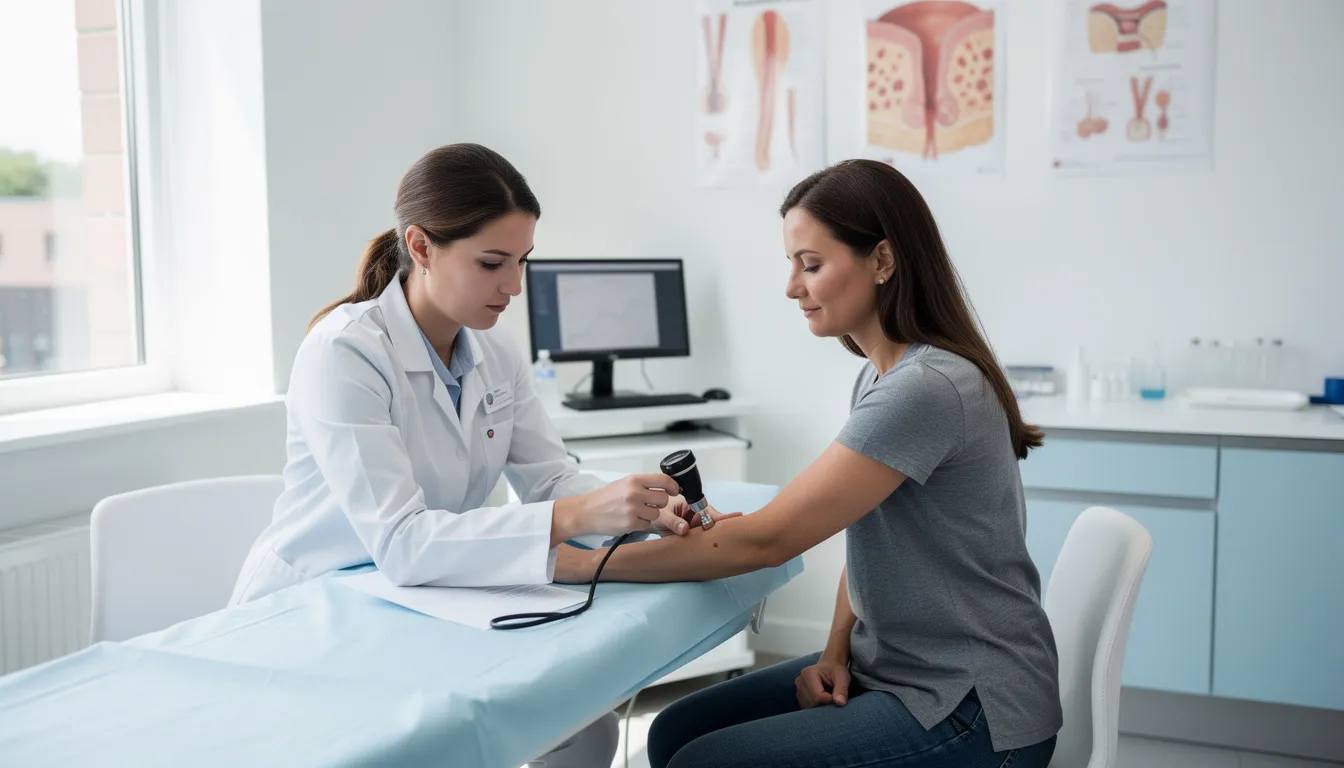
Other Factors That Change the Price of Keloid Removal
The price you see on a clinic’s website is just a starting point. Your actual bill depends heavily on the specifics of your scar and the clinic’s policies.
Main factors influencing your final cost:
- Keloid size and thickness: Larger, thicker “cauliflower-like” scars take longer to treat and incur higher costs than small, flat ones
- Location on the body: Earlobes may be cheaper to treat; chest, shoulders, back, and jawline often cost more due to higher tension and greater risk of recurrence
- Number of keloids: Some clinics offer per-scar pricing, while others provide package deals for multiple scars
- City and country: Metropolitan US and UK clinics charge premium rates compared to lower-cost regions in parts of Asia or Latin America
- Doctor’s experience: Board certified plastic surgeons and senior dermatologists typically charge higher fees than general practitioners, as plastic surgery expertise is crucial for both functional and aesthetic outcomes in keloid removal
- Anesthesia requirements: A simple procedure using local anesthesia costs less than surgical keloid removal requiring general anesthesia in an operating room
- Post-treatment care: Dressings, silicone sheets, pressure earrings for ear keloids, medications, and follow up visits all add to the overall cost
Keloid removal is a common procedure in many countries, including South Korea, the USA, and the UK, with varying costs and treatment options. South Korea, in particular, is known for offering competitive pricing and high-quality medical expertise for keloid removal.
Real example: A single small ear keloid in Miami might cost $500–$1,800 to excise, while a large chest keloid needing keloid surgery plus radiation therapy could easily exceed $5,000 when you factor in facility fees and follow-ups.
Before committing to any treatment plan, ask the clinic for a written quote that includes consultation fees, all treatment sessions, follow up visits, and any recommended combination therapies to ensure optimal results.
Is Keloid Removal Covered by Insurance?
Most health insurance plans in the US and UK classify keloid scar removal as cosmetic, especially if you’re seeking treatment purely for appearance reasons. This means you’re typically on the hook for the full cost.
When insurance might help:
Coverage becomes more likely when you can document that the keloid is considered medically necessary due to:
- Persistent pain, itching, or burning that affects sleep or work, especially if the keloid is causing pain
- Recurrent infection, ulceration, or bleeding in the scar tissue
- Interference with movement (large shoulder or joint keloids)
- Functional issues like keloids obstructing ear canals or pulling on eyelids
Some insurance carriers may cover steroid injections or surgical revisions if keloids are causing pain or functional issues.
The typical approval process:
- Get a consultation with a dermatologist or plastic surgeon
- Doctor documents symptoms, previous failed treatments, and functional problems
- Submit prior authorization with written medical justification to your insurance provider
- Even with approval, expect co-pays, deductibles, and limits on number of covered sessions
What about at-home products?
Over the counter products like herbascar’s Herba Scar Removal Liquid typically aren’t covered by insurance plans, but the good news is they’re affordable enough that most people can pay out-of-pocket without financial strain — often less than a single clinic co-pay.
Pro tip: Before starting any expensive treatment plan, call your insurance provider directly with the exact billing codes from the clinic. This gives you a clear picture of your real out-of-pocket cost before you commit.
About Keloid Scars: Why They’re Hard (and Expensive) to Remove
A keloid is a type of raised scar that forms when your body produces too much collagen during the healing process. Unlike normal scars that stay within the original wound boundaries, overgrown scar tissue extends into the surrounding skin and keeps growing even after the initial injury has healed.
What keloids look and feel like:
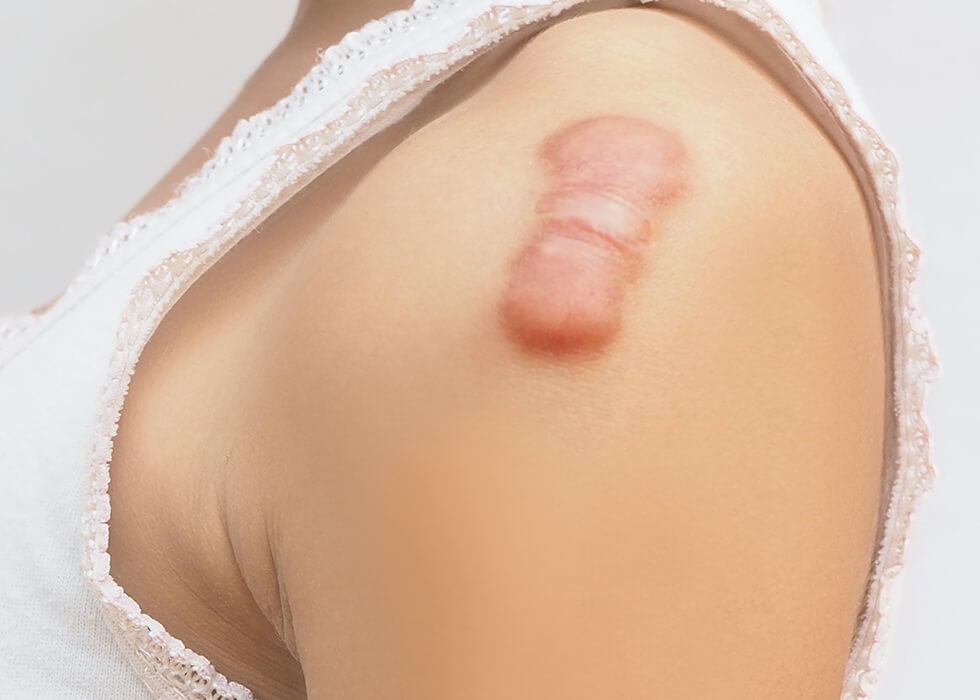
- Firm, raised, and rubbery texture
- Shiny or smooth surface
- Colors ranging from pink to red to deep brown or purple depending on skin color
- Keloid scars can appear anywhere on the body but are most commonly found on the upper chest, shoulders, and earlobes. They are also frequently seen on the upper back, jawline, and cheeks.
Common causes of keloid formation:
- Body piercings, especially on ears and cartilage
- Acne, particularly severe or cystic breakouts
- Surgical incisions
- Burns and cuts
- Even minor injuries like insect bites in susceptible individuals
Keloids can form after skin trauma, including cuts, burns, and piercings, and are more common in individuals with darker skin tones.
Why people seek treatment:
Beyond cosmetic concerns, keloids can be raised scars causing discomfort and significantly affect confidence and quality of life. Common symptoms include persistent itching, tenderness, pain when the scar is pressed or rubbed by clothing, and tightness that limits movement.
The stubborn truth about keloids:
Keloids are benign and not contagious, but they’re notoriously difficult to eliminate permanently. Surgical removal alone has up to a 90% recurrence rate — the keloid often grows back even larger than before. This is why doctors typically recommend combining surgery with steroid injections, radiation therapy, or pressure therapy, which drives up both the complexity and cost of treatment.
Understanding this recurrence challenge explains why many people now explore gentler, more sustainable options alongside or instead of aggressive medical treatment.
Treatment Options: From Hospital Procedures to At‑Home Care
Managing keloid scars is more about controlling and improving them over time than expecting instant erasure. Most people find the best results come from a combination of approaches — sometimes clinical, sometimes at-home, often both.
Medical Treatments Performed in Clinics
These methods are performed by dermatologists, plastic surgeons, or specialized scar treatment clinics. Costs generally range from about $100 per injection session up to several thousand dollars for complex surgical procedures.
Steroid injections (Corticosteroids)
- What it does: Flattens and softens the scar by reducing inflammation and slowing collagen production
- Who it’s for: Most common first-line treatment for keloids of any size
- Sessions needed: Usually 4–6 injections, spaced 2–6 weeks apart
- Total cost: Approximately $400–$1,800
- Limitations: May cause skin thinning or discoloration; keloid may return after stopping treatment
Cryotherapy
- What it does: Freezes the keloid with liquid nitrogen, causing the tissue to break down
- Who it’s for: Smaller keloids, especially on ears
- Sessions needed: Usually 3–6 sessions
- Total cost: Approximately $300–$3,000
- Limitations: Can cause permanent hypopigmentation (lightening) on darker skin tones
Laser therapy (Pulsed dye laser or Fractional CO2)
- What it does: Uses targeted light energy to reduce redness, flatten raised tissue, and stimulate healthy skin remodeling
- Who it’s for: Keloids with significant redness or those that haven’t responded to injections
- Sessions needed: Often 3–8 sessions
- Total cost: Approximately $900–$12,000 depending on laser type and area
- Limitations: Requires multiple treatments; may cause temporary swelling and downtime
Surgical excision
- What it does: Physically cuts out the keloid under local anesthesia (or general anesthesia for larger keloids)
- Who it’s for: Large, bulky keloids or those causing functional problems
- Sessions needed: One surgery, but typically followed by additional treatment to prevent regrowth
- Total cost: $500–$3,500+ plus adjunct therapy costs
- Limitations: Highest upfront cost; greater risk of recurrence without follow-up radiation or injections
Radiation therapy
- What it does: Low-dose X-rays applied after surgery to prevent keloid regrowth
- Who it’s for: High-risk keloids on chest, shoulders, or in patients with history of recurrence
- Sessions needed: Usually 2–4 sessions
- Total cost: Approximately $2,000–$8,000
- Limitations: Expensive; concerns about long-term radiation exposure
All of these advanced therapies should be chosen and monitored by a qualified healthcare provider, especially for keloids on the face, chest, or large body areas where risk factors for complications are higher.
At‑Home Alternatives: Introducing Herba Scar Removal Liquid
Not everyone can afford repeated clinic visits or tolerate invasive procedures. Many people prefer to start with non-invasive, at-home options — either as a first step or as ongoing maintenance after medical treatment.
What is Herba Scar Removal Liquid?
Herba Scar Removal Liquid is herbascar’s signature scar care product, formulated with traditional Chinese herbal medicine principles specifically for keloid and raised scar management.
Key advantages:
- Pure herbal formula: Free from added hormones and steroids, making it safe for long-term use
- Gentle on skin: Generally suitable for most skin types, including sensitive skin
- Easy self-application: Apply at home with a cotton swab or fingertips — no clinic visits, no anesthesia, no facility fees
- Highly affordable: One bottle costs significantly less than a single steroid injection session in most cities
- Gradual improvement: Designed to soften, lighten, and smooth raised scars over consistent use, helping relieve tightness and discomfort
How to use Herba Scar Removal Liquid:
- Clean the scar area gently and pat dry
- Apply a thin layer of the liquid 2–3 times per day
- Use continuously for several weeks to months — scar tissue remodels slowly, so patience is key
Honest positioning:
Herba Scar Removal Liquid is a non-surgical, non-radiation option best suited for:
- People with mild-to-moderate keloids
- Early raised scars before they become large and firm
- Maintenance care after hospital-based treatment
- Anyone who wants to avoid the pain and downtime of clinical procedures
It’s not designed as an instant “erase” solution for very large, old keloids. For those cases, professional evaluation remains important.
When to see a doctor instead:
If your scar suddenly grows rapidly, becomes intensely painful, or shows signs of infection (redness spreading, pus, fever), stop any home treatment and consult a doctor immediately.
How Herba Scar Removal Liquid Compares in Cost to Hospital Treatments
Let’s put the numbers side by side:
Treatment Approach | Estimated Cost | Notes |
|---|---|---|
Hospital steroid injection plan (4–6 sessions) | $600–$1,800 | Requires multiple clinic visits, potential hidden fees |
Herba Scar Removal Liquid (full course) | Fraction of injection cost | Apply at home, no additional fees |
Beyond the sticker price, Herba Scar Removal Liquid saves you on:
- Consultation fees for each visit
- Transportation costs and time off work
- Facility charges often buried in hospital bills
- The stress of repeated clinic appointments
This makes Herba Scar Removal Liquid a low-risk, low-cost starting point for:
- Students and young adults on tight budgets
- People paying fully out of pocket without insurance coverage
- Anyone not ready to commit to surgery or radiation
- Those seeking ongoing care between clinical treatments
Risks and Complications of Keloid Removal
While keloid removal can offer significant relief from the discomfort and self-consciousness caused by keloid scars, it’s important to recognize that every keloid treatment comes with its own set of risks and potential complications. Understanding these risks allows you to make informed decisions and set realistic expectations for your healing journey.
Common risks associated with keloid removal include:
- Infection: Any medical treatment that breaks the skin—whether through surgical keloid removal, keloid excision, or even steroid injections—carries a risk of infection. Prompt care and antibiotics can usually resolve this, but it’s crucial to monitor for redness, swelling, or discharge.
- Recurrence: Perhaps the most frustrating complication, keloid scars have a high tendency to return, sometimes even larger than before. This is especially true after surgical excision if not combined with adjunct therapies like steroid injections or radiation therapy.
- Additional Scarring: Surgical keloid removal and keloid excision can sometimes result in new or more pronounced scarring, particularly in individuals prone to overgrown scar tissue.
- Skin Changes: Treatments such as steroid injections may cause thinning or discoloration of the skin, while laser therapy (including pulsed dye laser) can lead to temporary redness, swelling, or changes in pigmentation—effects that may be more noticeable on darker skin tones.
- Radiation Therapy Risks: While radiation therapy can help prevent keloid recurrence, it is not without its own risks, including skin irritation, delayed healing, and, in rare cases, an increased risk of skin cancer with repeated exposure.
- Other Side Effects: Fatigue, discomfort, and sensitivity in the treated area are not uncommon, especially after more intensive procedures.
Because every case of keloid scars is unique, it’s essential to discuss your personal risk factors and medical history with a qualified healthcare provider before starting any keloid removal procedure. A tailored approach—balancing the benefits of treatment with the potential for complications—will help you achieve the best possible outcome for your skin.
Recovery and Aftercare: What to Expect Post-Treatment
The healing process after keloid removal is just as important as the procedure itself. Proper recovery and aftercare can make a significant difference in your results, comfort, and the long-term appearance of your keloid scars.
What to expect after different keloid removal treatments:
- Surgical Keloid Removal: After surgical excision, it’s normal to experience some pain, discomfort, and swelling. Your healthcare provider may recommend pain medication and cold compresses to ease symptoms. Keeping the area clean and dry is vital to prevent infection, and you’ll likely need follow up visits to monitor healing and remove sutures if necessary.
- Steroid Injections: These treatments may cause temporary redness, swelling, or tenderness at the injection site. These effects usually resolve on their own, but it’s important to avoid scratching or irritating the area as it heals.
- Laser Therapy: Laser treatments, such as pulsed dye laser, often require multiple sessions for optimal results. After each session, you may notice redness or mild swelling. Protecting the treated skin from sun exposure with sunscreen or protective clothing is crucial to prevent pigmentation changes and support the healing process.
- Radiation Therapy: This advanced therapy can cause fatigue, skin redness, and irritation. Your provider may recommend soothing topical creams and plenty of rest during recovery.
General aftercare tips for all keloid removal treatments:
- Wound Care: Follow your provider’s instructions for cleaning and dressing the area to minimize infection risk and support healthy healing.
- Sun Protection: Newly treated skin is especially sensitive. Use broad-spectrum sunscreen and avoid direct sun exposure to reduce the risk of discoloration and further irritation.
- Follow Up Visits: Regular check-ins with your healthcare provider are essential to monitor progress, address any complications early, and adjust your treatment plan as needed.
- Patience and Consistency: Healing from keloid removal—whether through surgery, steroid injections, or laser therapy—takes time. Multiple sessions may be necessary, and visible improvement often occurs gradually over weeks to months.
By understanding what to expect and committing to diligent aftercare, you can maximize the benefits of your keloid treatment and support your skin’s natural beauty and resilience. Always consult your healthcare provider for personalized guidance throughout your recovery journey.
FAQs About Keloid Removal and Price
Here are answers to the most common questions about keloid treatment costs and expectations.
What Type of Doctor Should I See for Keloid Removal?
- Dermatologists are usually the first choice for steroid injections, cryotherapy, and laser therapy
- Board certified plastic surgeons often handle larger or complex keloids, especially on the face, chest, and ears
- General practitioners can provide referrals but typically don’t perform keloid removal themselves
If you’re using at-home products like Herba Scar Removal Liquid on a very large or rapidly growing scar, it’s still wise to get a baseline consultation with a dermatologist for proper diagnosis and safety monitoring.
How Many Treatments Will I Need?
Most clinical treatments for keloid removal require multiple sessions:
- Steroid injections: Often at least 4 sessions, spaced 2–6 weeks apart
- Cryotherapy/laser therapy: Often 3–7 sessions or more depending on response
- Surgery: One main operation, but commonly followed by several injection or radiation sessions
Each additional treatment adds to the total cost, which is why an initially “cheap” price per session can still become expensive overall.
For Herba Scar Removal Liquid: It’s a daily routine product rather than a one-time procedure. Typical visible changes may take several weeks, with continued improvement over a few months of consistent use.
Are There Ways to Lower Keloid Removal Costs?
Absolutely. Here are some practical strategies:
- Ask about package pricing for multiple sessions when you book
- Compare quotes from different providers in your city and nearby towns
- Check teaching hospitals or public hospital clinics, which often offer lower fees
- Start with affordable at-home options like Herba Scar Removal Liquid for milder scars, reserving expensive procedures for severe cases
- Time your treatment strategically — newer keloids respond better, potentially requiring fewer sessions
Important warning: “Cheaper” should never mean unsafe. Avoid unlicensed injections or unverified drugs, which can cause serious complications including infection and worsened scarring.
Can I Prevent New Keloids and Save on Future Treatment?
If you have a family history of keloids or darker skin tones (which carry higher risk), prevention is your best cost-saving strategy:
- Avoid unnecessary piercings or elective surgery in high-risk areas like chest, shoulders, and upper ears
- Treat acne aggressively to prevent deep scarring
- Protect healing wounds from sun exposure, tension, and repeated rubbing
Early intervention matters: Using gentle scar care products like Herba Scar Removal Liquid once a wound has fully closed may help keep new scars flatter and lighter — potentially reducing the need for more aggressive, expensive treatments down the road.
Bottom Line: Choosing the Right Keloid Removal Plan for Your Budget
Here’s what you need to remember:
- Keloid removal in 2025 typically ranges from about $100 to over $3,500 per treatment session depending on method, with many people needing multiple sessions
- Insurance often doesn’t cover purely cosmetic removal, so ask detailed questions about costs before starting any treatment plan
- Hospital procedures can be effective but expensive — and recurrence remains a real challenge even after successful treatment
- Factors like keloid size, body part location, and geographical location significantly affect pricing
Where Herba Scar Removal Liquid fits in:
Herbascar’s Herba Scar Removal Liquid offers an affordable, pure-herbal
Leave a Reply