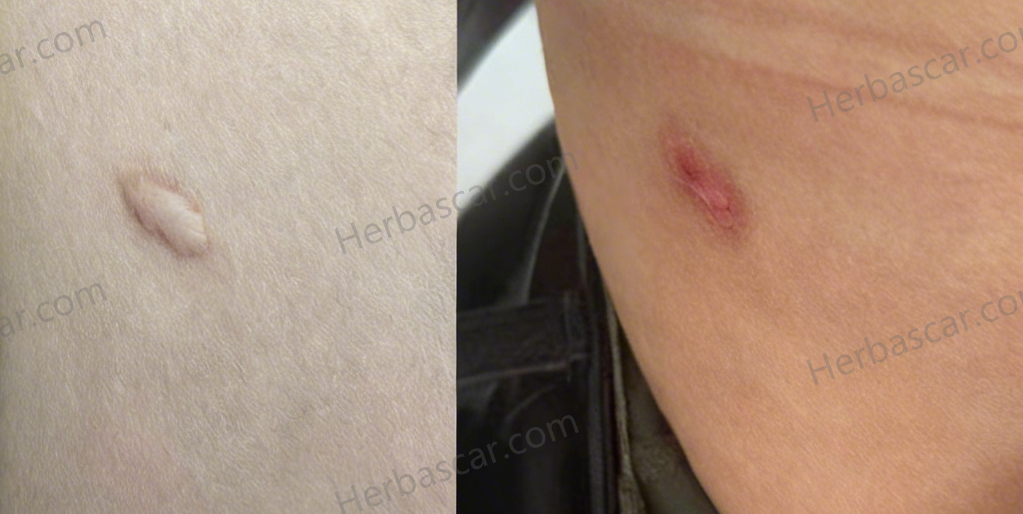
For many people, liposuction is a step toward a more confident body. But what’s rarely talked about is what happens after—when a small incision turns into a stubborn, raised scar that refuses to fade.
For those who experience it, the impact goes far beyond the skin. It affects how you dress, how you see yourself, and how confident you feel in your own body.
This is the story of a 25-year-old woman who faced exactly that—and how she found a way through it.
The Background: When “Normal Healing” Turns Into a Raised Scar
Customer Profile:
A 25-year-old young woman who underwent abdominal liposuction, hoping for a more confident and toned appearance.
History:
The procedure itself went smoothly, and in the beginning, the incision appeared to heal normally. Like most patients, she assumed the marks would gradually fade with time. However, as the days turned into weeks, the healing process began to take a different path.
Symptoms:
Instead of flattening, the scar became increasingly raised and firm. The area developed into a typical post-liposuction hypertrophic scar, with visible thickening, uneven texture, and darker pigmentation compared to the surrounding skin.
The scar also carried a subtle tightness, especially with movement, making it feel constantly present. She started looking into common options such as laser scar treatments, steroid injections, and silicone gels, but none of them gave her enough confidence to proceed.
Doctors advised her to be cautious, emphasizing that excessive stimulation could worsen the scar.
As time went on, the emotional impact became more noticeable than the physical discomfort. She stopped wearing fitted clothes, avoided situations where her abdomen might be visible, and gradually lost the confidence she had hoped to gain from the procedure.
The Treatment Journey: From Doubt to Visible Transformation
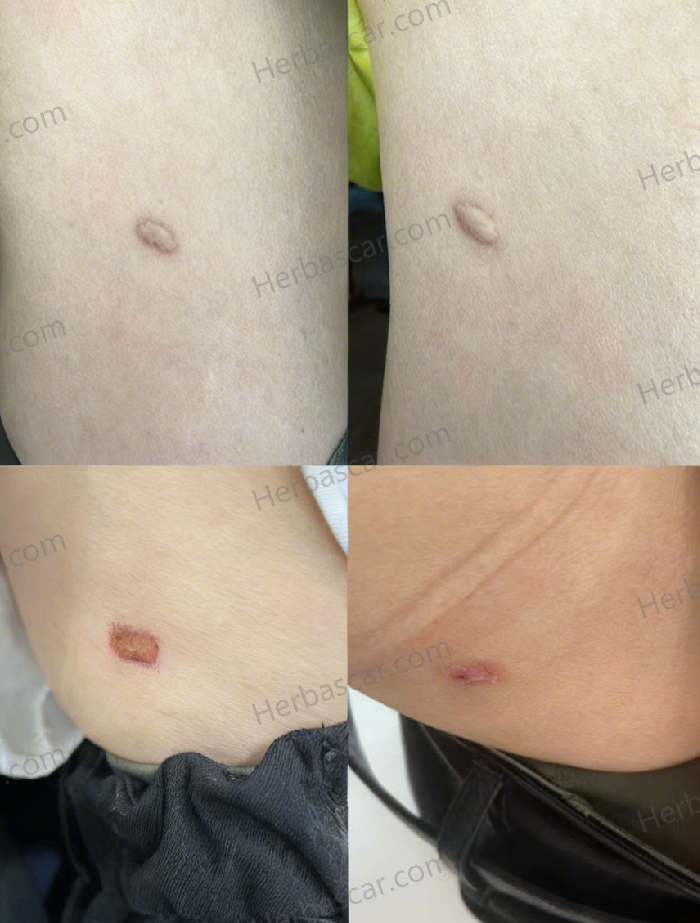
Feeling stuck and running out of options, she decided to try a herbal scar repair solution as a final attempt. Compared to more aggressive approaches, this method felt simpler and more manageable, something she could consistently use at home.
At the beginning, she didn’t expect quick results. Still, she committed to applying the herbal solution daily, treating it as a gradual process rather than an instant fix.
What reassured her first was how stable the skin condition remained. There was no irritation, no discomfort, and no signs of worsening. This allowed her to continue with confidence.
As days passed, small but meaningful changes began to appear. The raised scar, which once felt dense and firm, slowly started to soften. The tightness eased, and the surface became less rigid.
With continued use, the improvement became more visible. The thickness of the scar reduced progressively, and the skin began to look smoother and more even. The color difference also softened, making the scar less noticeable overall.
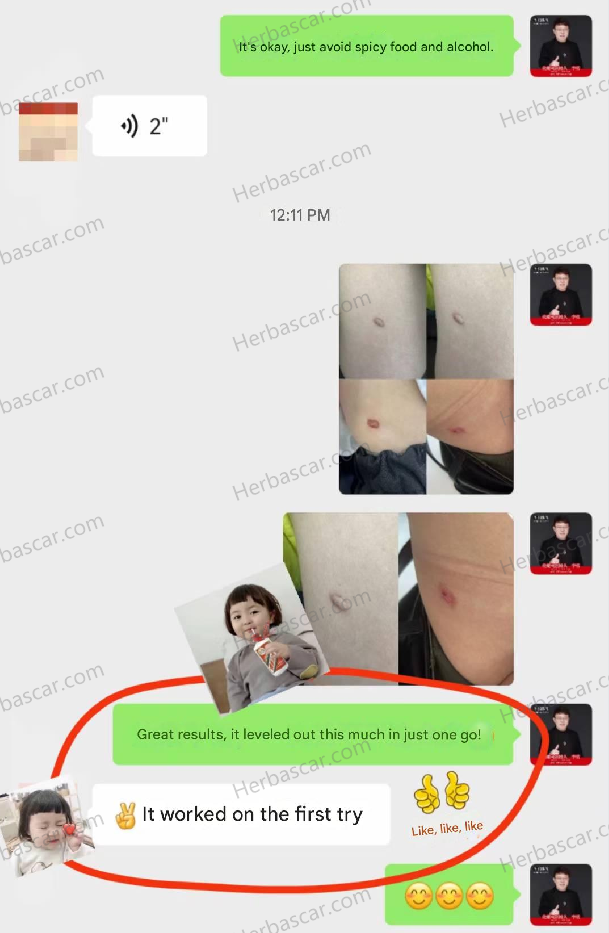
After one full cycle of consistent use, the transformation was striking. The once prominent hypertrophic scar had flattened significantly, and the skin regained a much more natural appearance.
For her, this wasn’t just a physical improvement. It marked a turning point—she no longer felt the need to hide her body. She described it as finally “getting past it,” both physically and emotionally.
Doctor’s Analysis: Why Some Liposuction Scars Become Raised—and How to Manage Them Properly
From a medical perspective, not all scars are simply a matter of time. After procedures like liposuction, the skin enters a complex repair phase. While most incisions heal smoothly, some individuals develop hypertrophic scars due to an overactive healing response.
This happens when the body produces collagen too aggressively during the repair process. Instead of forming a flat, balanced layer, the tissue builds upward, creating a raised, firm structure.
The abdominal area is particularly prone to this because it is constantly under subtle tension from movement, posture, and daily activity. Even small incisions, when combined with internal tissue disturbance, can trigger prolonged inflammation, which increases the likelihood of abnormal scar formation.
Another key factor is repeated stimulation. Many people attempt to “fix” scars too aggressively in the early stages, which can actually prolong the inflammatory phase and reinforce the cycle of excessive collagen production.
What makes this case effective is the shift in strategy—from intervention to regulation.
A topical herbal approach works by supporting the skin in a more controlled and gradual way. Rather than forcing rapid change, it helps soften the dense scar structure, improve local circulation, and guide collagen remodeling over time.
This reduces the internal tension within the scar tissue and allows it to gradually flatten and stabilize, without introducing additional irritation.
In clinical practice, this reflects an important principle: stable improvement is often more important than fast improvement. Especially for post-liposuction scars, a method that minimizes stimulation while maintaining consistent care can significantly reduce the risk of worsening or recurrence.
Final Takeaway
Not all scars fade on their own, and not all treatments need to be aggressive.
For raised scars after liposuction, choosing a method that supports gradual recovery instead of forcing rapid change may lead to results that are not only visible, but also stable over time.
Sometimes, the real solution isn’t doing more, but doing it consistently, and doing it right.
Leave a Reply