Keloid scars are stubborn, and if you’ve been searching for solutions, you’ve probably stumbled across the aspirin paste method. It’s cheap, it’s in your medicine cabinet, and dozens of blog posts promise it can flatten those raised bumps. But does crushing up a few tablets actually work? Let’s cut through the noise and look at what aspirin can realistically do for keloids—and when a gentler, more targeted option like Herba Scar Removal Liquid might serve you better.
This article is for anyone struggling with keloid scars and considering home remedies or over-the-counter solutions. Understanding the effectiveness and risks of aspirin for keloid scars can help you make safer, more informed choices for your skin health.
Fast Answer: Does Aspirin Really Help Keloid Scars?
Crushed aspirin paste has become a popular home remedy for keloid scars because of its anti inflammatory properties. The idea is simple: aspirin blocks inflammation pathways, and since inflammation drives keloid formation, applying it topically might calm things down. However, the evidence supporting this approach remains limited, and any results tend to be modest at best.
Summary: What Science Says About Aspirin for Keloid Scars
- Aspirin’s anti-inflammatory properties make it a logical choice for treating keloid scars, as inflammation contributes to their formation.
- Topical aspirin can significantly reduce keloid volume and associated symptoms according to research.
- Aspirin may help reduce inflammation that can lead to abnormal wound healing when applied as a paste to keloid scars.
- Aspirin may help treat keloids by preventing scar-promoting cells from entering the keloid site.
- Crushed low-dose aspirin tablets can be made into a paste and applied to keloid scars to reduce inflammation.
- Applying aspirin paste daily can help lighten keloid scars and reduce their size over time.
- Topical aspirin can be applied daily to keloid scars as a non-invasive treatment option.
- Aspirin can be used as a home remedy for keloids, often mixed with water or other natural ingredients to create a paste.
- Aspirin is considered a less invasive alternative to surgical procedures for keloid treatment, which carry a risk of recurrence.
So what exactly is a keloid scar? It’s a raised scar that grows beyond the original wound boundaries. Unlike normal scars that gradually flatten and fade, keloids keep expanding—sometimes for years. They commonly appear after ear piercing, surgeries, acne, burns, and other skin injuries. The tissue is firm, rubbery, and often darker than your natural skin tone.
Here’s the honest truth: aspirin may slightly reduce redness, itching, and warmth in very “active” early keloids. But expecting it to erase old, thick, or large scars is unrealistic. Researchers found some benefit in small studies, but we’re not talking about dramatic transformations.
At Herbascar, we developed Herba Scar Removal Liquid as a safer, hormone-free herbal option specifically formulated for scar care. You can use it at home every day on both new and old scars, including keloids, without the irritation risks that come with DIY acid pastes.
The rest of this article compares aspirin, medical treatments, and Herbascar so you can build a realistic, affordable plan for your skin.
What Are Keloid Scars?
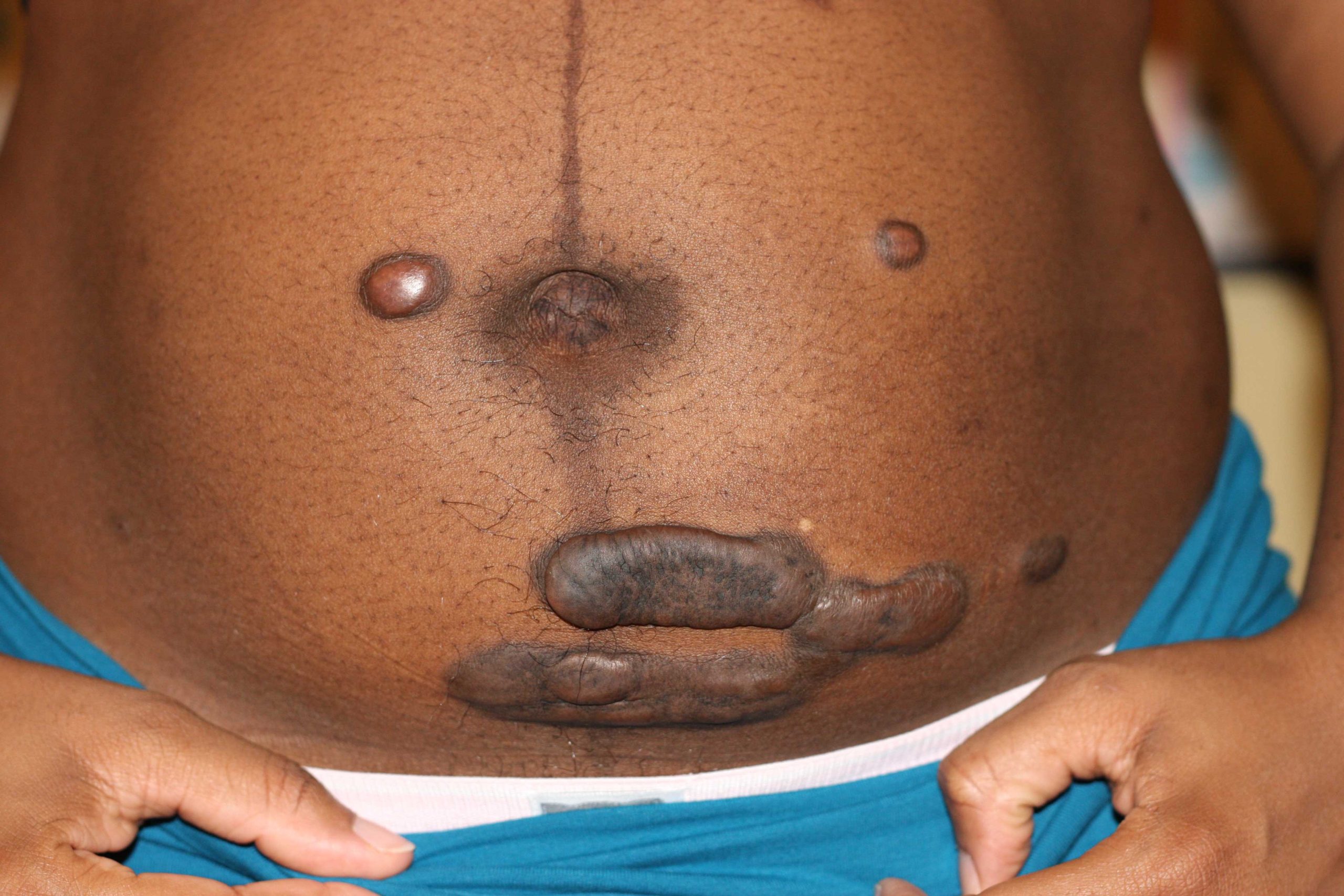
Keloids are raised buildups of scar tissue on the skin that usually form after a wound, puncture, burn, or blemish has healed. They are not filled with any fluids such as blood or pus. Keloids can occur after an injury, surgical scar, ear piercing, tattoo, or skin conditions like acne or chicken pox. They are genetically related and are more common among people of African, Asian, or Hispanic descent.
Keloids are abnormal, raised scars that grow beyond the edge of the original wound and don’t fade like normal scars. While a typical scar eventually softens and blends into surrounding skin, a keloid continues to expand, sometimes becoming much larger than the injury that caused it.
These scars show up most often in specific locations:
- Earlobes (especially after ear piercing)
- Shoulders and upper chest
- Jawline and chin
- After C-sections or surgical incisions
- Acne-prone areas
They feel hard, rubbery, and raised. Some are itchy or painful, and they can cause significant discomfort or self-consciousness depending on their location.
Keloid formation happens because of excessive collagen production and prolonged inflammation during the healing process. It’s not caused by infection, “dirty blood,” or poor hygiene—it’s simply how some bodies respond to trauma during wound healing.
Developing keloid scars is more common in people of African, Asian, and Hispanic descent. The tendency often runs in families and typically starts between ages 10 and 30.
Keloids vs. Hypertrophic Scars:
- Hypertrophic scars stay within the boundaries of the wound site and often improve over time
- Keloids grow beyond the original wound edges and may keep expanding indefinitely
Understanding this difference matters because treatment approaches can vary. Hypertrophic scars generally respond better to standard scar treatments, while keloids are notoriously stubborn.
Causes and Risk Factors of Keloid Scars
Keloid scars are the result of the body’s healing process going into overdrive. When the skin experiences injuries—whether from cuts, burns, surgical incisions, or even minor trauma like ear piercing or tattoos—the body responds by producing collagen to repair the damage. In some individuals, this repair mechanism becomes exaggerated, leading to an overproduction of collagen that forms a raised scar known as a keloid.
The exact reasons why some people develop keloid scars while others do not are still being studied, but several risk factors are well recognized. Genetics play a significant role: if you have a family history of keloids, your risk is notably higher. People with darker skin tones, particularly those of African, Asian, or Hispanic descent, are also more prone to developing keloid scars. This increased risk is thought to be linked to differences in the way collagen is produced and regulated in the skin.
Certain types of skin injuries are more likely to trigger keloid formation. These include not only major wounds like surgical incisions and burns but also seemingly minor events such as ear piercing, tattoos, or even acne and chickenpox. The location of the injury can also influence risk, with areas like the chest, shoulders, jawline, and earlobes being particularly susceptible.
Understanding your personal risk factors—such as skin tone, family history, and the types of injuries you’ve experienced—can help you take proactive steps to prevent keloid formation. By being mindful of how your body heals and seeking early intervention after skin injuries, you can reduce the likelihood of developing these persistent, raised scars.
Why Would Aspirin Help Keloid Scars?
Aspirin (acetylsalicylic acid) is widely used for pain, fever, and reducing blood flow clotting risk. But its effects on inflammation pathways have sparked interest in whether it might help with scarring too.
The science behind aspirin for keloid scars centers on how it blocks COX enzymes and reduces prostaglandins. These are chemical messengers that fuel chronic inflammation—the same inflammation that keeps keloids active and growing. By calming this process, aspirin could theoretically slow the excessive collagen production that creates thick scar tissue.
Some lab studies and small clinical observations suggest aspirin may reduce keloid thickness and slow growth. A 2020 systematic review pooled data from over 50 patients and found 25-50% size shrinkage in some cases. However, the evidence isn’t strong or standardized enough for dermatologists to recommend it as a primary treatment option.
Most aspirin use for scars is topical—applied directly to the skin as a paste—rather than swallowing daily tablets. This localizes the effect and avoids systemic side effects like stomach irritation or bleeding risks.
Here’s an important caveat: unlike targeted scar products, aspirin wasn’t formulated or tested specifically for cosmetic scar use. It’s a repurposed medication, not a purpose-built solution.
How People Use Aspirin on Keloid Scars
Before trying any home method, patch-test on a small area first. If you have sensitive skin, eczema, or any aspirin allergy, skip this entirely and consult your healthcare provider.
The typical DIY aspirin paste method:
- Crush 1-3 low-dose aspirin tablets (75-100mg) into a fine powder
- Mix with a few drops of water, aloe vera gel, or coconut oil to form a smooth paste
- Apply to the cleansed affected area (the keloid only, not surrounding skin)
- Leave on for 30-60 minutes
- Rinse thoroughly with lukewarm water
- Moisturize after the skin is completely dry
Some sources suggest leaving the paste on for 1-2 hours and repeating 3-7 times per week for several weeks to see any change. Results, if they happen at all, typically take months to become visible.
Common variations include:
- Mixing aspirin powder with kelulut honey or raw honey for added soothing properties
- Combining with aloe vera gel for easier application
- Using as a thin mask over small ear-piercing keloids rather than thick layers
In clinical settings, aspirin is sometimes studied in combination with medical corticosteroids like triamcinolone acetonide. But those concentrations and protocols are very different from what you can achieve with crushed tablets at home.
Keep your expectations realistic. This is an experiment, not a guaranteed treatment.
Benefits and Limitations of Aspirin for Keloids
Aspirin is cheap and easy to find at any pharmacy or supermarket. But realistic expectations are essential before you start crushing tablets.
Potential benefits:
- May reduce redness, warmth, and itching in very “active” keloids
- Might slightly soften or flatten small, recent scars
- Can be tried at home at very low cost (under $0.50 per application)
- Non-invasive approach that doesn’t require clinic visits
- Some studies show promising results for symptom relief (40-60% reduction in pain and itching scores after 8 weeks)
Clear limitations:
- Minimal data from large, controlled human studies (current evidence involves fewer than 200 total subjects)
- Often produces no visible effect on thick, old, or very dark keloids
- Results, if any, are slow (months) and subtle
- Only works where applied—cannot prevent keloids from forming elsewhere
- Variable response rates (60-80% see partial success at best)
- No standardized formulation means inconsistent dosing with DIY pastes
People with darker skin or those prone to irritation face additional risks. Repeated barrier damage from harsh pastes can trigger post-inflammatory hyperpigmentation, making scars more noticeable rather than less.
Aspirin paste does not replace professional medical treatments like silicone sheets, steroid injections, or laser therapy—especially when keloids are painful, growing rapidly, or limiting movement.
Risks, Side Effects, and Who Should Avoid Aspirin on Scars
“Natural” or “home” doesn’t automatically mean “risk-free.” Understanding the possible side effects of aspirin paste is crucial before experimenting.
Common local side effects:
- Burning and stinging sensations
- Skin peeling or excessive dryness
- Increased sensitivity and redness
- Irritation from pastes that are too concentrated or left on too long
Who should avoid aspirin on skin entirely:
- Anyone with known aspirin allergy
- People with asthma triggered by NSAIDs
- Those with nasal polyps or severe eczema
- Anyone with broken, freshly opened, or infected skin at the wound site
Pregnant or breastfeeding women should not use aspirin on large skin areas without medical advice due to systemic absorption risks. Children should avoid topical aspirin application because of concerns about Reye’s syndrome if significant absorption occurs.
For people with darker skin, repeated irritation from DIY pastes can paradoxically worsen discoloration, creating hyperpigmented patches around the keloid that are harder to treat than the original scar.
If you experience persistent burning, crusting, or dark patches appearing around the treated area, stop immediately and consult a dermatologist.
Medical Treatments vs. Aspirin: Where Does It Fit In?
Dermatologists typically view aspirin as an experimental or adjunct option, not a first-line treatment for keloid scars. Understanding where it fits among other treatments helps you make informed decisions.
Standard medical treatments for keloids:
- Steroid injections (triamcinolone): Flatten 50-80% of keloids; drawbacks include pain, skin atrophy, hypopigmentation in 10-20% of cases; requires several sessions
- Silicone sheets/gels: Moderate improvement with consistent use; slow results; must wear daily for months. Silicone gel sheets and topical silicone gel have been used for more than 30 years to prevent scars caused by surgery, burns, and other skin injuries.
- Cryotherapy: Works on small keloids using extreme cold; blistering risk; multiple sessions needed
- Laser treatment/laser therapy: Reduces redness by up to 70%; expensive ($200+ per session); blistering possible. Laser therapy is a better option for larger keloid scars and involves several sessions of pulse-dye laser treatments.
- Surgical excision: Removes the keloid appearance immediately; 45-90% recurrence rate without adjunct therapy
- 5-FU or radiation: 60-80% response in resistant cases; reserved for severe cases; specialized centers only. Local chemotherapy with 5-fluorouracil (5FU) is considered safe for patients when used to treat keloid scars.
Where aspirin fits:
Aspirin paste works best as a low-cost, at-home experiment for mild, early, or non-symptomatic keloids. Ideally, combine it with proven methods like silicone sheets or pressure earrings rather than relying on it alone.
For large, painful, or function-impairing keloids, depending only on aspirin paste can delay effective care and allow scars to grow larger. That’s valuable time lost.
If you decide to try aspirin, take clear photos and measure your keloids monthly. Stop if you see no improvement after 8-12 weeks or if irritation develops. This documentation helps your doctor understand what you’ve already tried.
Laser Treatment for Keloid Scars
Laser treatment has emerged as a non-invasive and increasingly popular option for managing keloid scars. Unlike surgical excision, which physically removes scar tissue but carries a high risk of keloid returning, laser therapy works by targeting the dense collagen within the scar. The energy from the laser breaks down scar tissue, helping to flatten and smooth the raised scar over time.
There are several types of laser treatments available for keloid scars, each with its own mechanism and benefits. Pulse-dye lasers are commonly used to reduce redness and vascularity, while fractional CO2 lasers can help remodel the texture of the scar by promoting new, healthy skin growth. These treatments can be tailored to your skin tone and the specific characteristics of your keloid, making them a versatile option for many patients.
Laser therapy is often most effective when combined with other treatments, such as steroid injections or the use of silicone sheets. This multi-modal approach can enhance results, helping to further flatten the scar and reduce symptoms like itching or discomfort. The number of sessions required will depend on the size, thickness, and location of the keloid, as well as your individual skin type.
Researchers have found that laser treatment can significantly improve the appearance of keloid scars, especially when used as part of a comprehensive treatment plan. However, it’s important to consult with a healthcare provider or dermatologist to determine the best approach for your unique skin and scar type. Professional guidance ensures that laser therapy is performed safely and effectively, minimizing risks and maximizing results for your scar tissue.
Herbascar vs. Aspirin Paste: A Safer Herbal Approach at Home
At Herbascar, we see many users who first tried aspirin or other home remedies and wanted something gentler and more consistent. That’s exactly why we developed Herba Scar Removal Liquid.
Our formula uses pure traditional Chinese herbal ingredients—no hormones, no steroids, no harsh acids. Unlike generic aspirin tablets that were never designed for scar care, Herbascar was created specifically to treat keloids and other stubborn scars.
Key advantages over aspirin paste:
- Plant-based, hormone-free ingredients that support healing skin without systemic risks
- Lower irritation risk compared to acidic DIY pastes
- Formulated for daily use over months without causing rebound inflammation
- Consistent dosing in every application (no guessing with crushed tablets)
- No injections required—apply at home with the liquid applicator or a cotton swab
- Suitable for multiple scar types: acne scars, surgical scars, burns, C-section scars, and piercings

While no topical product can guarantee 100% removal of large, old keloids, regular use of Herbascar can help soften texture, reduce color contrast with surrounding skin tone, and improve comfort over time. The cost is significantly lower than clinic procedures, and you avoid the risks associated with steroid injections or surgery.
We recommend combining Herbascar with doctor-recommended methods (like silicone sheets or pressure earrings) rather than relying on harsh DIY acids or repetitive aspirin treatments. A gentle, consistent approach often yields better long-term results than aggressive short-term experiments.
How to Safely Use Aspirin Paste if You Still Want to Try It
This information is educational, not a personal medical recommendation. Consulting a dermatologist remains the best approach, especially for larger or symptomatic keloids.
Step-by-step guidance:
- Clean the affected area with a mild, fragrance-free cleanser
- Pat completely dry with a clean towel
- Crush 1 low-dose aspirin tablet (75-100mg) into fine powder
- Mix with a few drops of water or aloe vera gel to form a smooth paste
- Apply a thin layer only on the keloid itself—avoid surrounding normal skin
- Start with 20-30 minutes contact time for your first few applications
- If no irritation occurs, gradually increase to 60 minutes maximum
- Rinse thoroughly with lukewarm water
- Wait for skin to dry completely, then apply a gentle moisturizer or scar product like Herbascar
Important safety rules:
- Start with 2-3 applications per week, not daily
- Stop immediately if burning, crusting, or dark patches appear
- Never cover the paste tightly with plastic (occlusion increases absorption and irritation)
- Do not apply on open wounds or freshly healed skin
- Avoid combining with other exfoliants or acids on the same day
- Take photos before starting and monthly thereafter to track any changes
If you’re using aspirin paste and see no improvement after 8-12 weeks, it’s time to consider other treatments rather than continuing indefinitely.
Preventing New Keloids: More Important Than Any Single Remedy
Preventing new keloids is often easier than shrinking existing ones. If you know you’re prone to keloid formation, proactive strategies matter more than any cream or paste.
Prevention strategies for keloid-prone individuals:
- Avoid unnecessary piercings, tattoos, and elective surgeries when possible
- If surgery is unavoidable, discuss preventive silicone therapy or pressure garments with your doctor beforehand
- Some dermatologists recommend steroid injections at the time of wound closure for high-risk patients
Simple wound care habits that help prevent keloids:
- Clean cuts and skin injuries quickly with mild soap and water
- Avoid picking scabs, squeezing pimples, or scratching healing wounds
- Protect healing skin from sun exposure with clothing and SPF 30+ sunscreen
- Keep the wound site moisturized during the healing phase
Starting gentle scar products like Herba Scar Removal Liquid once the skin is fully closed (no open areas or scabs) may help support balanced healing and reduce the chance of raised, dark scars forming. Early intervention during the healing phase is more effective than trying to get rid of established keloids later.
If you have a strong family history of keloids or have already developed very large scars, seek early dermatology advice after any significant skin injury—don’t wait until the keloid is fully formed.
Living with Keloid Scars
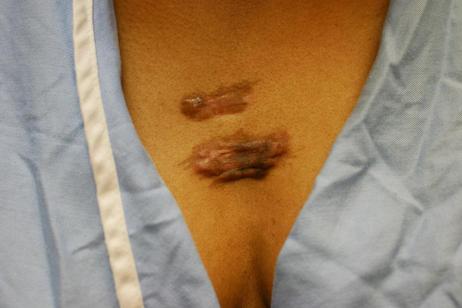
Living with keloid scars can be a daily challenge, impacting both physical comfort and emotional well-being. These raised scars often cause persistent itching, pain, or tenderness—especially when located in areas subject to friction or movement. For many, the appearance of keloid scars on visible parts of the body, such as the face, neck, or chest, can also lead to self-consciousness and affect confidence.
Managing keloid scars requires a thoughtful, consistent approach. Using silicone sheets or gels can help flatten and soften the scar over time, while also providing a protective barrier against further irritation. It’s crucial to avoid additional skin injuries or trauma in areas prone to keloid formation, as even minor wounds can trigger new scar tissue growth. Sun protection is equally important; shielding healing skin from UV exposure helps prevent discoloration and supports more even skin tone.
Consulting with a dermatologist or healthcare provider is essential for developing a personalized treatment plan. They can recommend the most effective treatments for your specific scars, whether that involves non-invasive options like silicone sheets, prescription gels, or more advanced therapies. With the right care, it’s possible to reduce the appearance and discomfort of keloid scars, improving both the health and look of your skin.
By understanding your risk factors and staying proactive about skin care, you can take control of your healing journey. Consistency, patience, and expert guidance are key to managing keloid scars and minimizing their impact on your daily life.
When to See a Doctor Instead of Relying on Aspirin
Online tips and home remedies cannot replace an in-person assessment, especially for complex scars. Some situations require professional evaluation rather than continued experimentation.
Seek medical attention if you notice:
- Rapid growth of the keloid over weeks
- Severe itching or pain that interferes with daily life
- Bleeding, ulceration, or discharge from the scar
- Restriction of movement (especially keloids over joints)
- Any suspicion that the lesion might not be a simple keloid (unusual color, irregular borders, pain without touch)
Situations requiring prompt professional review:
- Keloids on the face, breasts, or groin
- Scars in people with other skin diseases or autoimmune conditions
- Keloid returning after previous treatment
- Any scar that looks different from your other keloids
A dermatologist can confirm the diagnosis, rule out other conditions (including rare cancer concerns), and build a combined treatment plan. This might include injections, cryotherapy, laser therapy, prescription gels like onion extract formulations, and at-home care products like Herbascar.
While keloids are chronic and prone to recurrence, steady gentle care at home combined with expert guidance can significantly improve their appearance and comfort over time. You don’t have to choose between professional treatments and home care—the best results often come from combining both approaches strategically.
Ready to try a gentler approach? Herba Scar Removal Liquid offers a hormone-free, herbal formula you can use daily at home—no prescriptions, no injections, no harsh chemicals. Whether you’re dealing with a fresh surgical scar or an old keloid that won’t budge, consistent care with the right product makes all the difference. Start your journey toward smoother, more comfortable skin today.